This book, with follows the eponymous exhibition at Mudam Luxembourg, is constructed as a story, with a prologue, four acts, and an epilogue: an intuitive journey through the voices of thirty-four artists from different generations who are experimenting with the idea of the performative.
Dreaming Alcestis is an artist’s book by artist and filmmaker Beatrice Gibson, conceived as an accompaniment to her holographic film installation of the same name. It features a commissioned essay by poet and translator Allison Grimaldi Donahue, as well as a reprint of the American poet Alice Notley’s 1991 essay What Can Be Learned From Dreams?
What if clay is the future and the future is clay? Curators Chus Martínez and Filipa Ramos brought together a group of artists to think and create through this old, maleable and fascinating matter. The result was materialized in an exhibition and book format entitled Feet of Clay.
Catalog of the eponymous exhibition, held at the Centre d’Art Contemporain Genève and curated by Andrea Bellini, this publication brings together a number of essays that explore the notion of metamorphosis from different perspectives. The catalog, like the exhibition, celebrates a world in constant transformation, where human nature is fluid and hybrid, open to change.
Ce catalogue de l’exposition éponyme, organisée au Centre d’Art Contemporain Genève sous la direction d’Andrea Bellini, rassemble plusieurs essais qui explorent la notion de métamorphose sous différentes perspectives. Le catalogue, comme l’exposition, célèbre un monde en constante transformation, où la nature humaine est fluide et hybride, ouverte au changement.
Fredrik Værslev: The Garden Paintings is the first publication dedicated solely to one specific body of work in the artist’s practice. It includes essays by Martha Kirszenbaum and Erlend Hammer, and gives a comprehensive and chronological account of the works from the series, showing their stylistic development as well as their exhibition history.
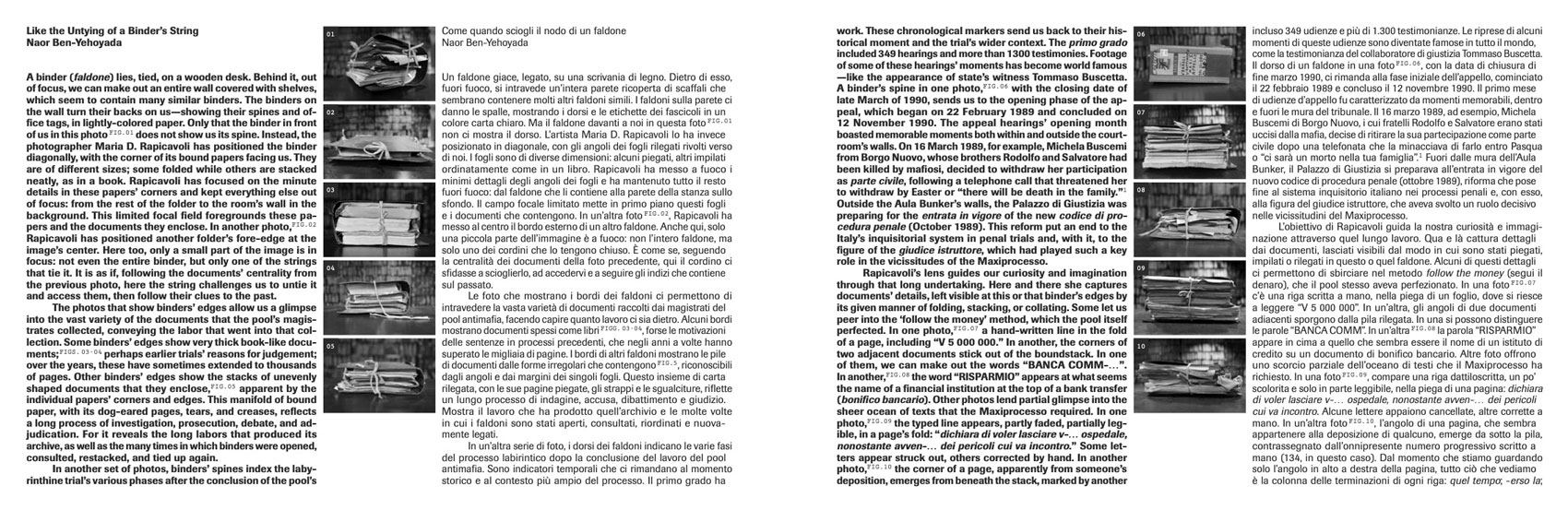
Edited by Laura Barreca and Giovanna Fiume
Texts by Laura Barreca, Naor Ben-Yehoyada, Giovanna Fiume, Gabi Scardi, Jane C. Schneider, Peter T. Schneider
Designed by BIFFIPOL
2026, English / Italian, softcover, 24 x 15.6 cm, 384 pages
ISBN 979-12-82771-01-6
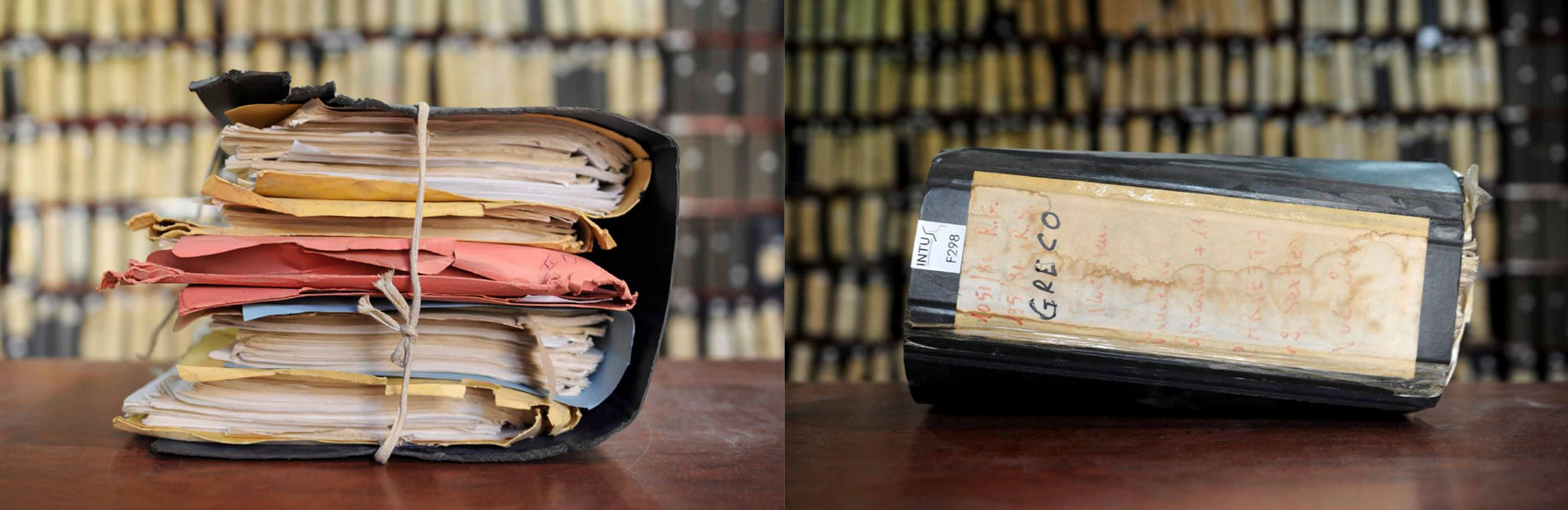
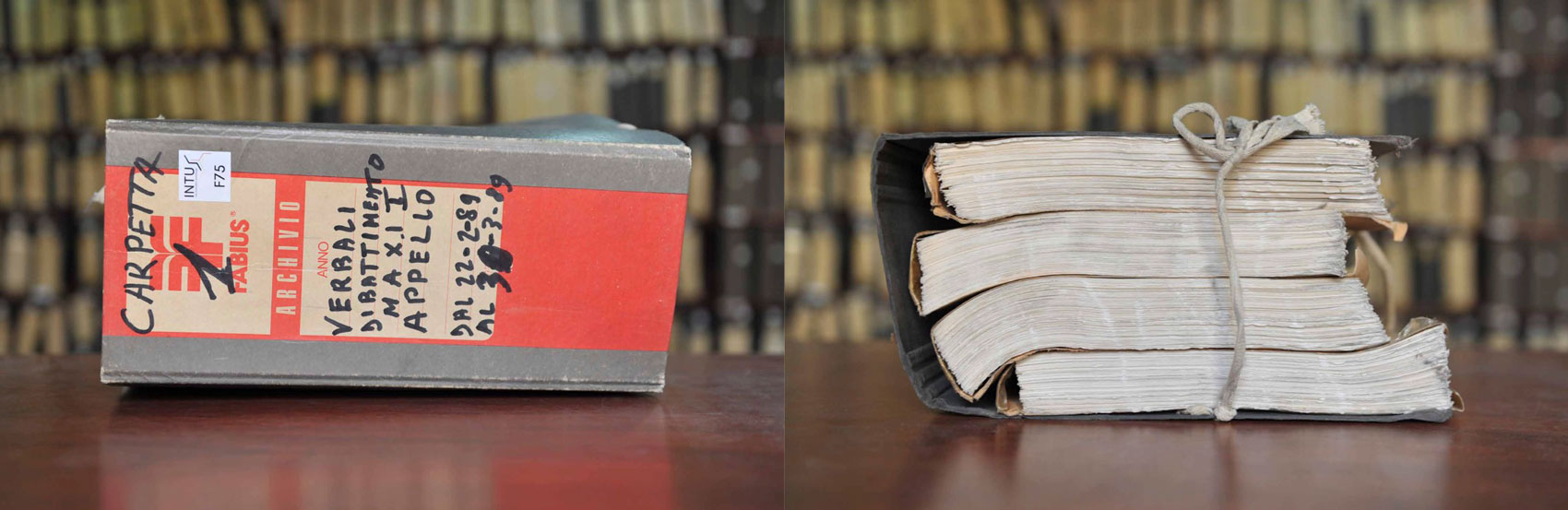
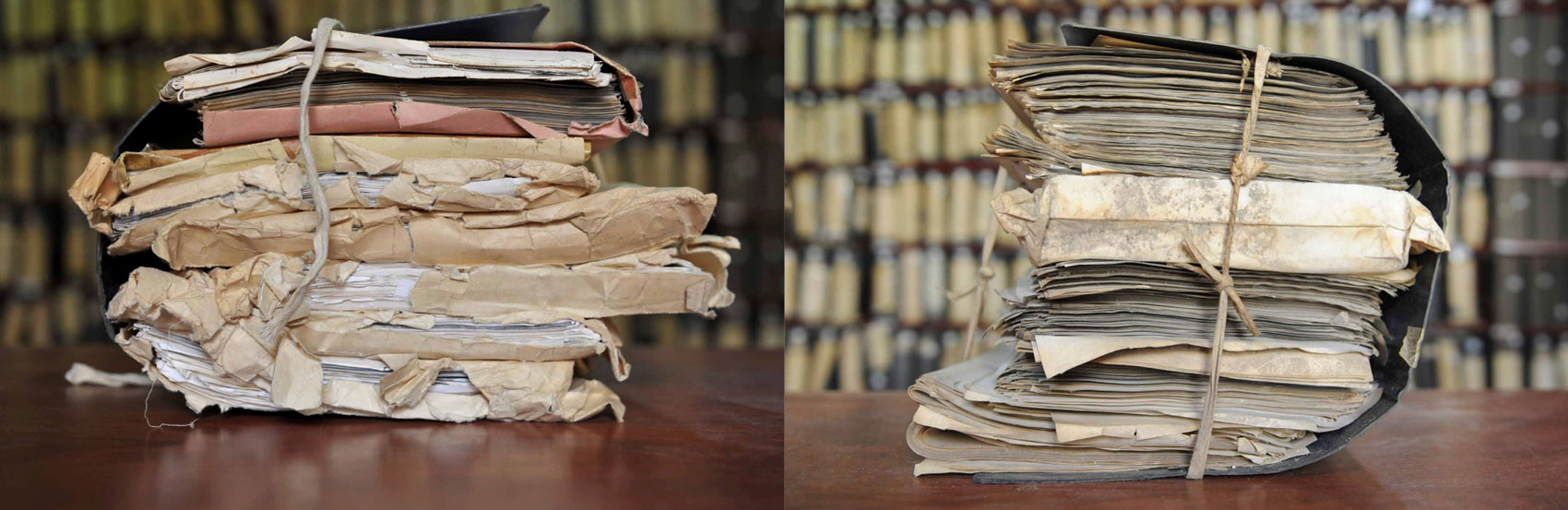
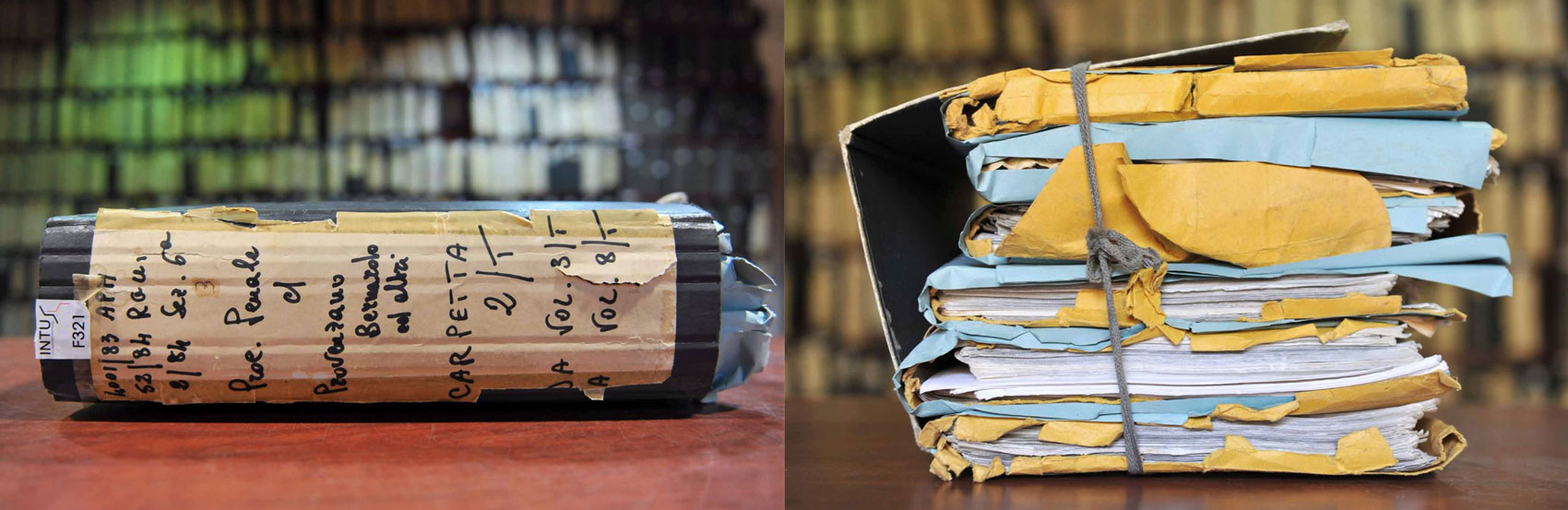
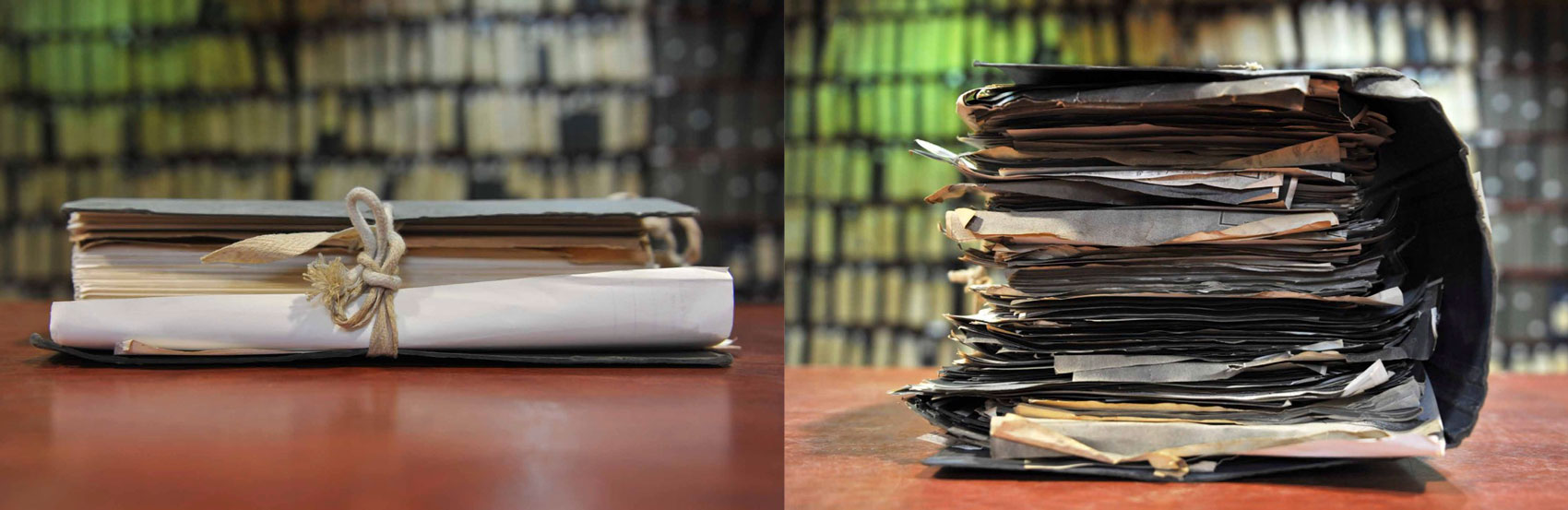
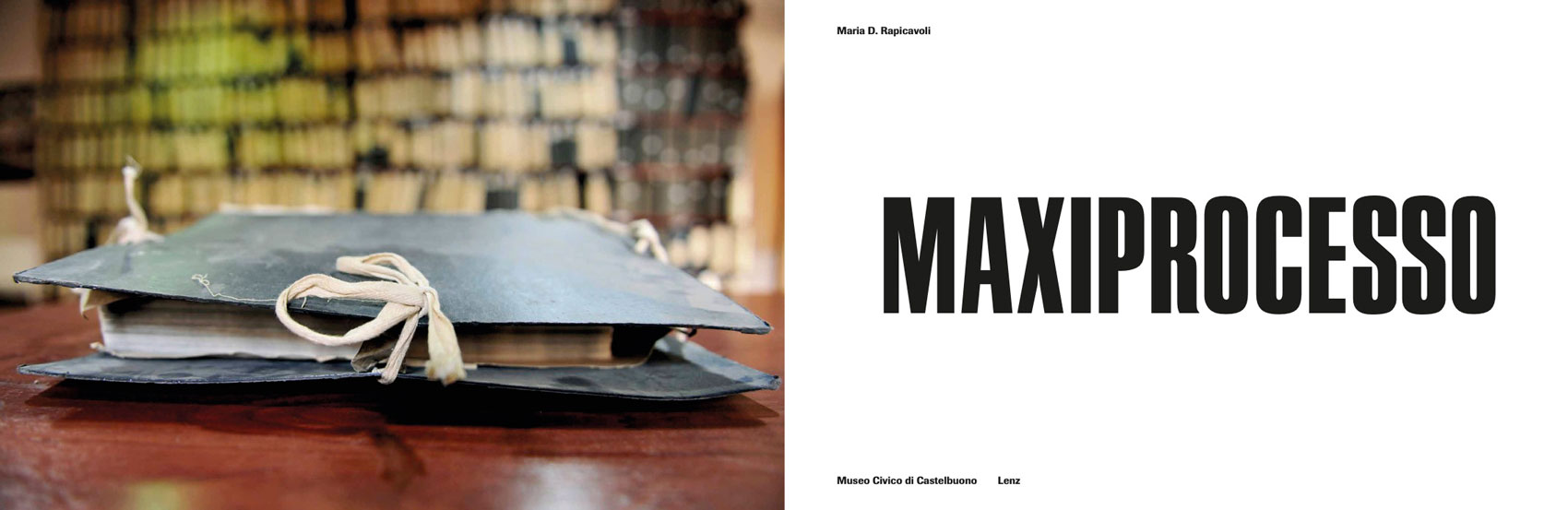
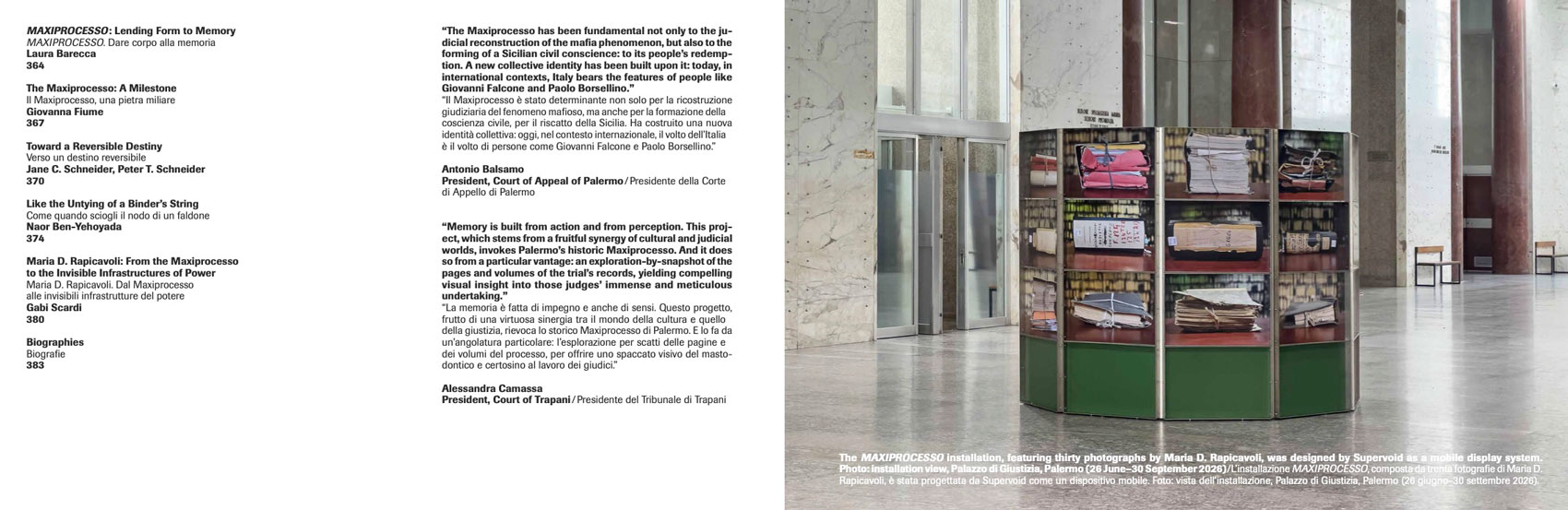
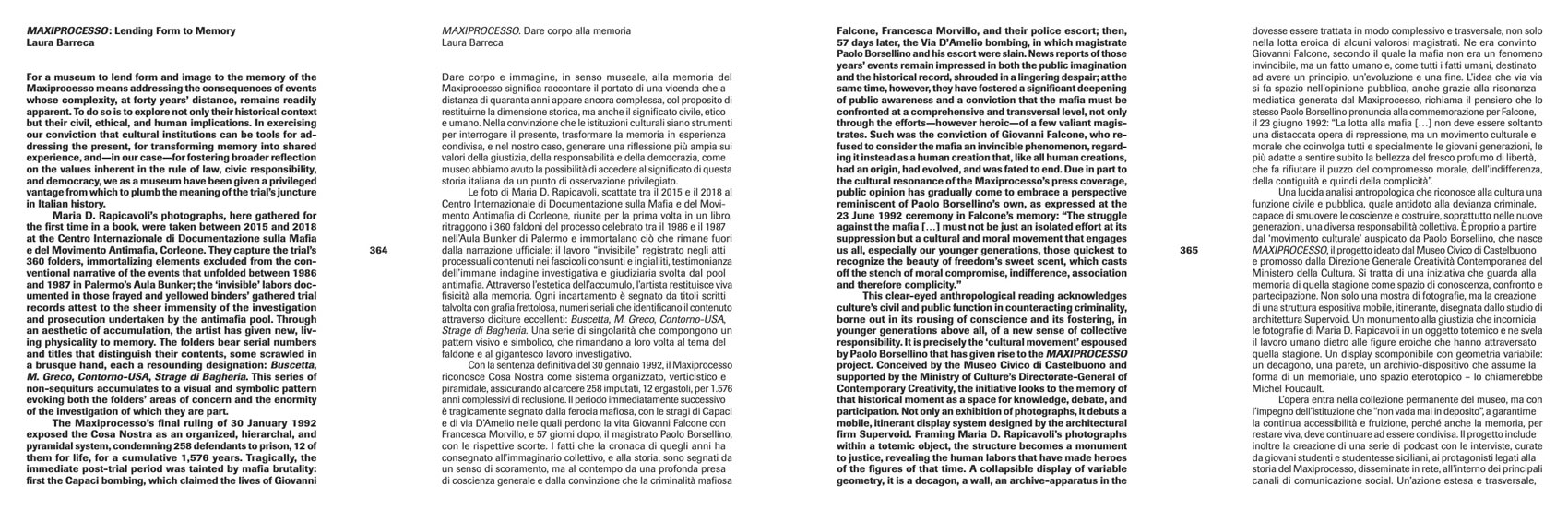
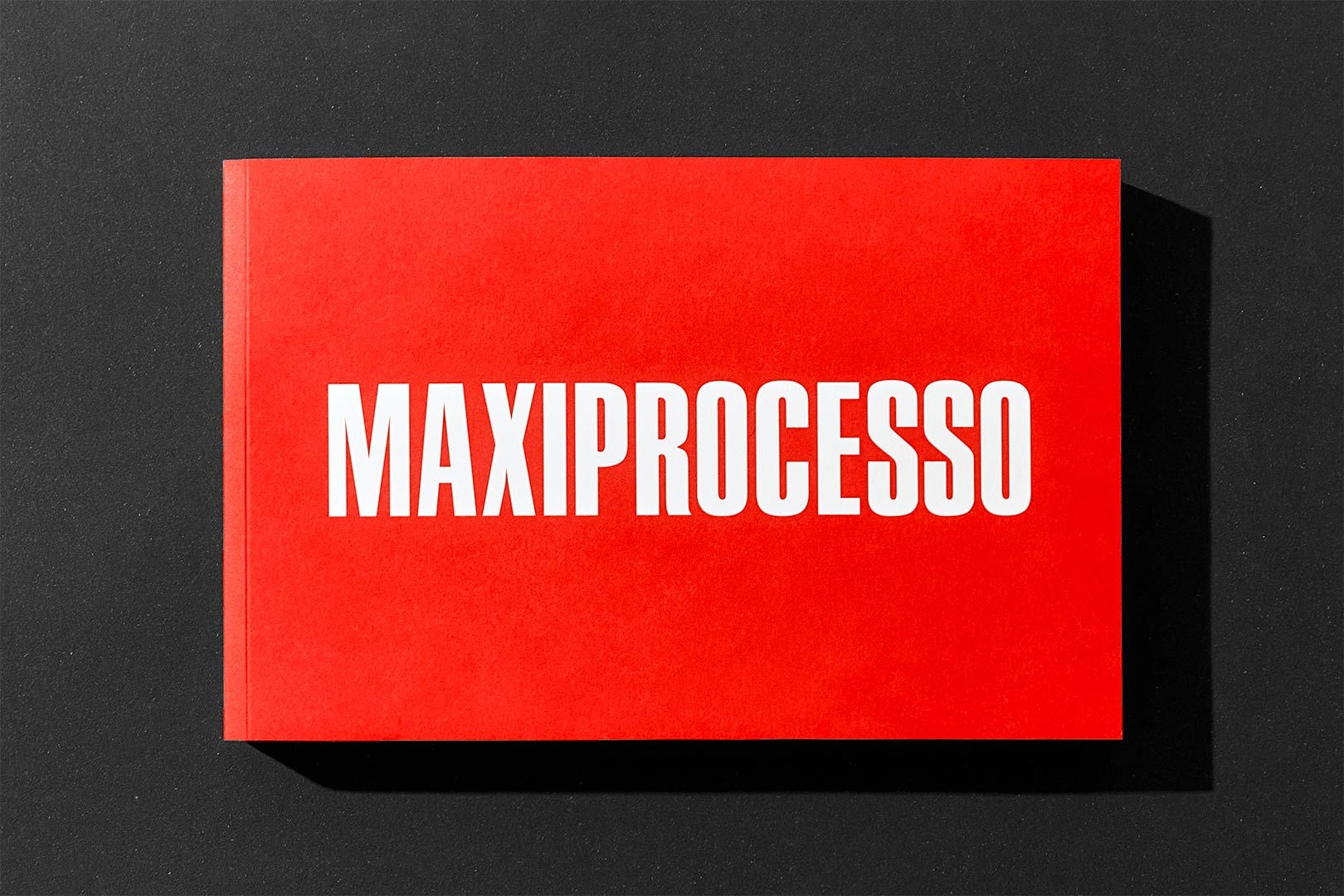
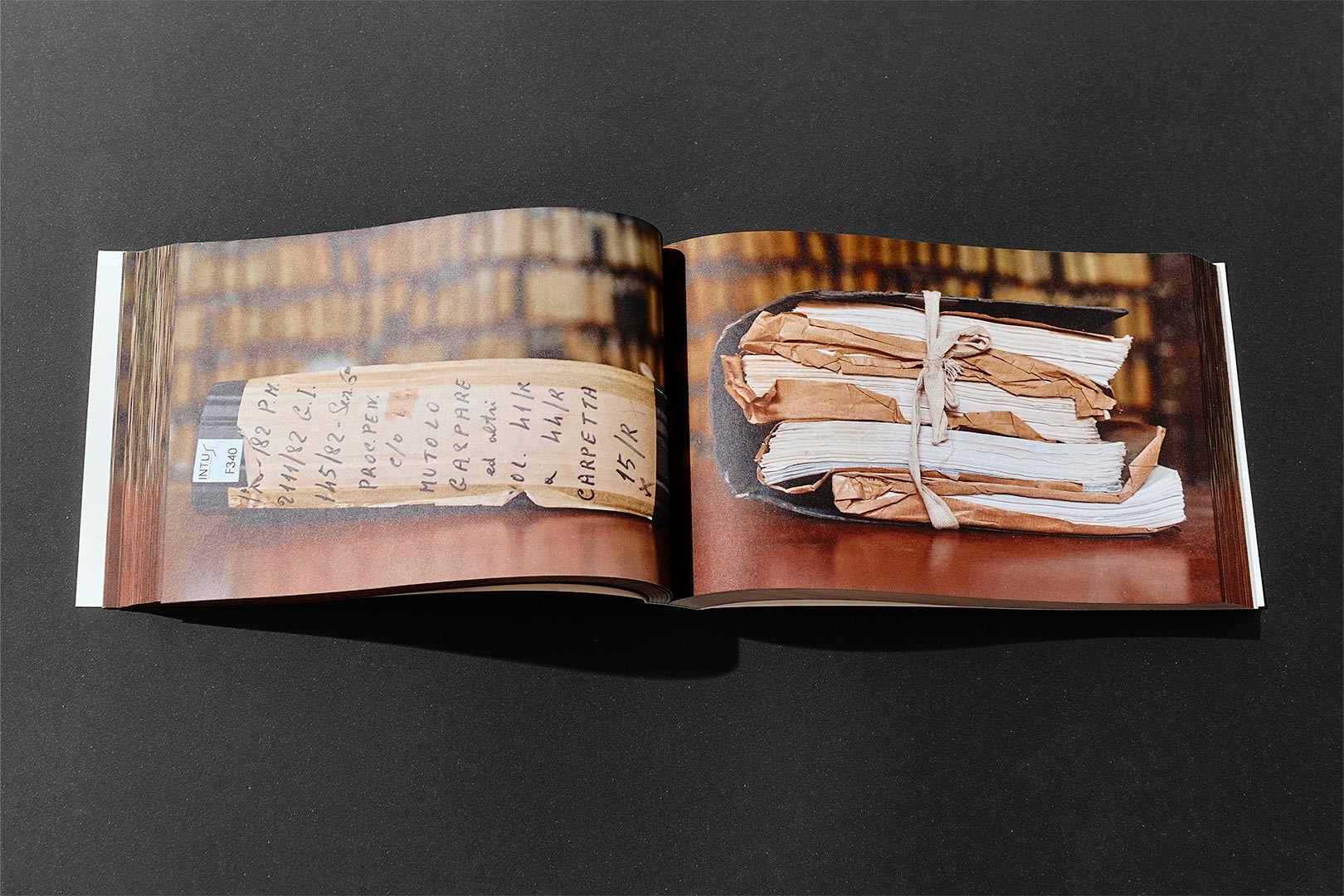
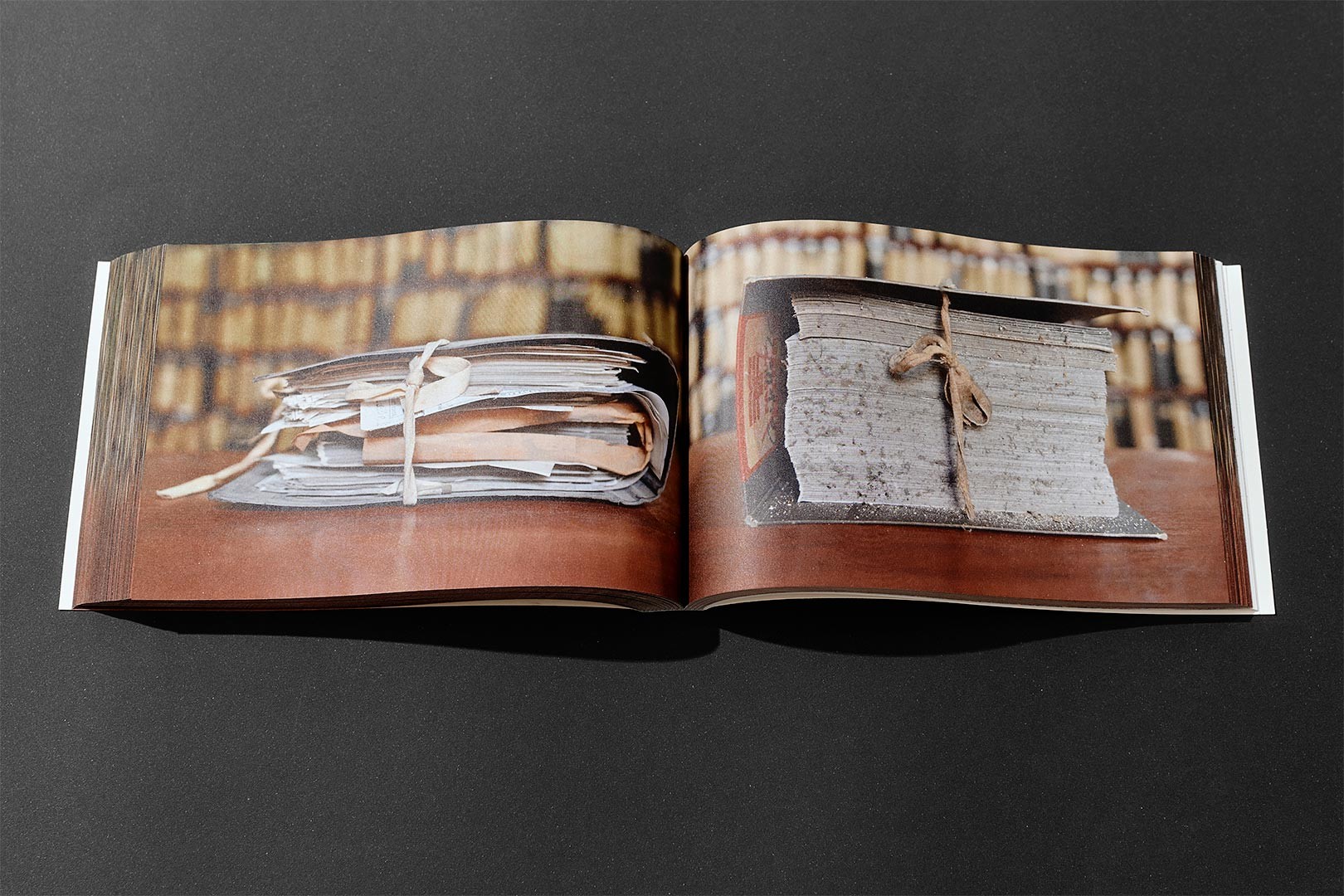
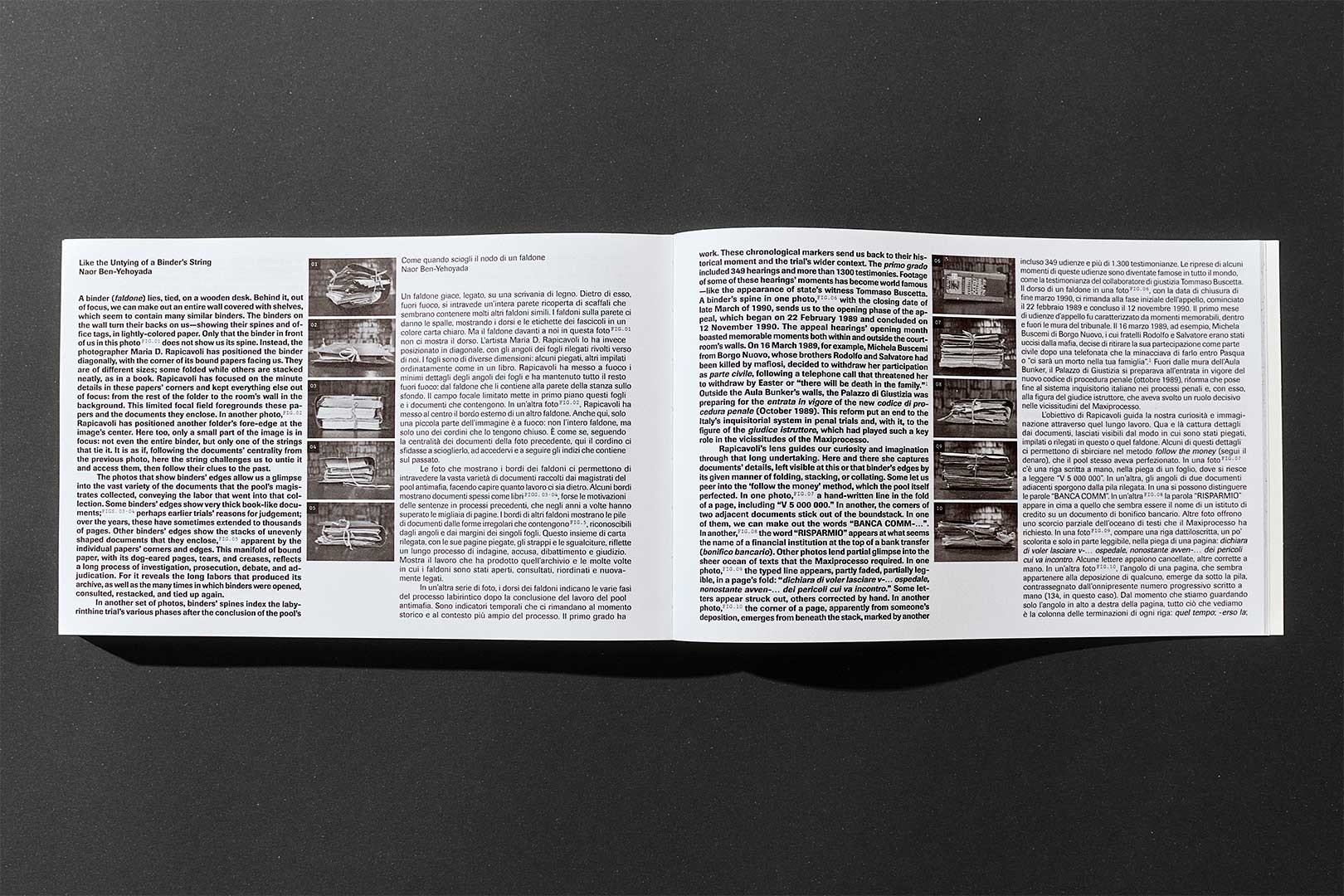
MAXIPROCESSO showcases the first-ever presentation of Maria D. Rapicavoli’s complete photographic series of the same name: 360 photographs, one for each of the archival folders that collectively document the largest mafia “Maxi Trial” in history, held in Palermo from 1986 to 1987. A selection from Rapicavoli’s series was exhibited at the Court of Palermo in 2026, housed in an installation designed by architecture firm Supervoid. The photographs convey the physical dimension of the exacting work underpinning the trial: reports, interrogations, wiretaps, depositions, and other documents charting Cosa Nostra’s activities. Together, they form the material footprint of the Palermo antimafia team’s vast investigation, which reconstructed and exposed the organization’s hierarchical structure for the first time.
In photographing the folders as a series, Rapicavoli moves beyond documentary representation. The images’ apparent repetition conveys the sheer volume of evidence produced by the investigation, making visible the scale of an archive whose contents usually remain inaccessible. By publishing the complete sequence, this volume communicates the materiality and magnitude of what is a crucial body of archival heritage. Thirty of Rapicavoli’s photographs have entered the permanent collection of the Museo Civico di Castelbuono, which has committed to ensuring their enduring accessibility and to fostering continued awareness and discussion of the historical legacy they represent.
The project also extends into the digital space through a series of podcast interviews pairing young Sicilian students with figures personally involved in the history of the Maxiprocesso. The initiative aims to encourage younger generations to interact more closely with this history and to develop a heightened sense of social responsibility. As Laura Barreca, Director of the Museo Civico di Castelbuono, observes: “As a public museum, today we reflect on the active role that cultural institutions can play in building a more aware, responsible, and engaged society. In Sicily, this duty assumes a still deeper meaning: here the memory of the Maxiprocesso will continue to be preserved, reinterpreted, and handed down to new generations, lending full expression to the power of contemporary art as as a tool for interpretation, dialogue, and dissemination.”
MAXIPROCESSO was staged by the Museo Civico di Castelbuono with the support of the 2025 Strategia Fotografia open call promoted by the Italian Ministry of Culture’s Directorate-General for Contemporary Creativity, and with the assistance of nctm e l’arte: A project by ADVANT Nctm. The project was developed with the support of Antonio Balsamo, President of the Court of Appeal of Palermo, and Alessandra Camassa, President of the Court of Trapani, and marks the fortieth anniversary of the start of the Maxiprocesso. Through photography and contemporary art, it reaffirms the trial’s landmark role in late-twentieth-century Italian history while exploring the connections between justice, cultural institutions, and social responsibility, and how this pivotal event can be interpreted and transmitted to new generations.