Between an artist’s book and a catalogue, this publication follows up on Armleder’s multidimensional exhibition at KANAL in 2020–21. Through archival pictures and in depth conversations, the book is designed to recreate the immersive experience of this collective experiment, and proposes a dive into something akin to a large self-portrait, conceived through the works of more than a hundred artists.
This artist’s book reflects Eva & Franco Mattes’ continued interest in the condition of displacement to be sensed in Fukushima. Borrowing the format of wrapping-paper catalogs, it contains twenty large pre-perforated sheets, each of which features a photographic texture—a seamlessly repeating motif captured by the camera amid the radioactive ruins of the contaminated towns and countryside.
The album brings together the music composed by Federico Chiari for various film and video works by Diego Marcon, including Monelle (2017), Ludwig (2018), The Parents’ Room (2021), and Dolle (2023). The album comes with a booklet containing lyrics and images that provide a deeper insight into this unique, profoundly intertwined collaboration between Chiari and Marcon.
This small anthology reviews some of the central themes of Diego Marcon’s research: from the role of the display in exhibitions to his relationship with cinema, from the use of special effects and animatronics to the sense of community established through his work. Glassa accompanies the exhibition of the same name designed by the artist for the spaces of the Centro per l’arte contemporanea Luigi Pecci in Prato.
Strata raccoglie 37 conversazioni con artisti il cui lavoro ha dato un contributo significativo alla scena artistica italiana e internazionale a partire dal 2000. Questo libro è il resoconto personale di una serie di incontri, amicizie e relazioni professionali che Vincenzo de Bellis e Alessandro Rabottini hanno coltivato negli ultimi vent’anni.
Strata compiles 37 conversations with artists whose work has made a significant contribution to the Italian and international art scene since 2000. This book is the personal account of a number of encounters, friendships, and professional relationships that Vincenzo de Bellis and Alessandro Rabottini have nurtured over the past twenty years.
Edited by Laura Barreca and Giovanna Fiume
Texts by Laura Barreca, Naor Ben-Yehoyada, Giovanna Fiume, Gabi Scardi, Jane C. Schneider, Peter T. Schneider
Designed by BIFFIPOL
2026, English / Italian, softcover, 24 x 15.6 cm, 384 pages
ISBN 979-12-82771-01-6
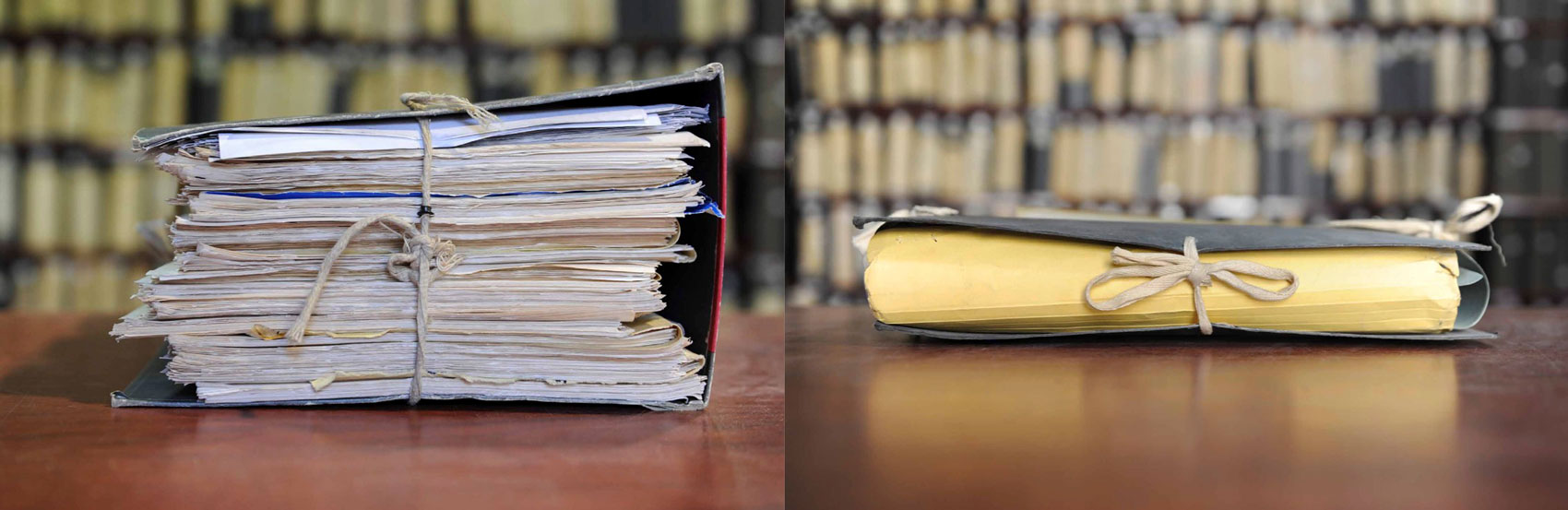
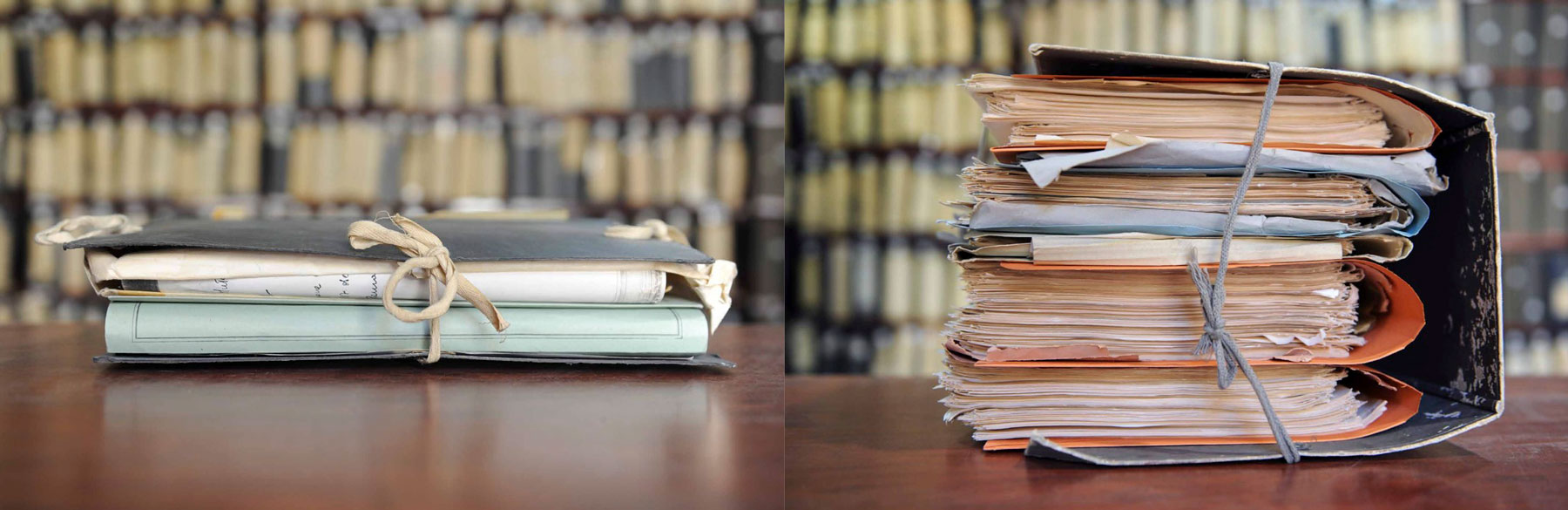
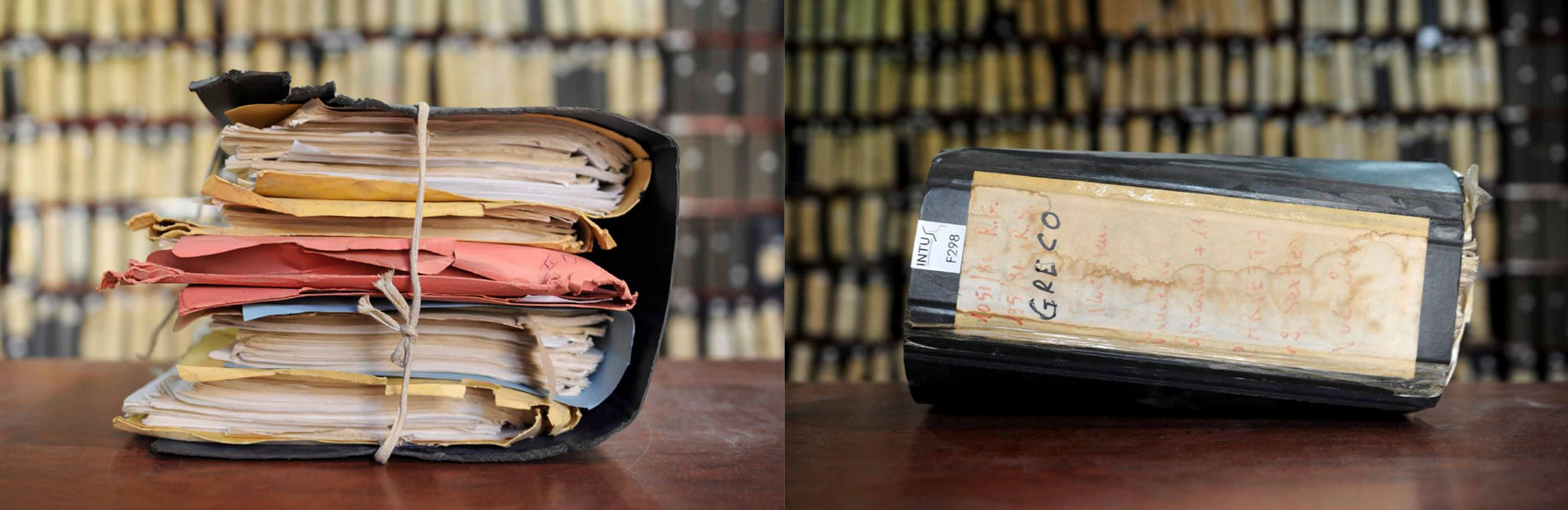
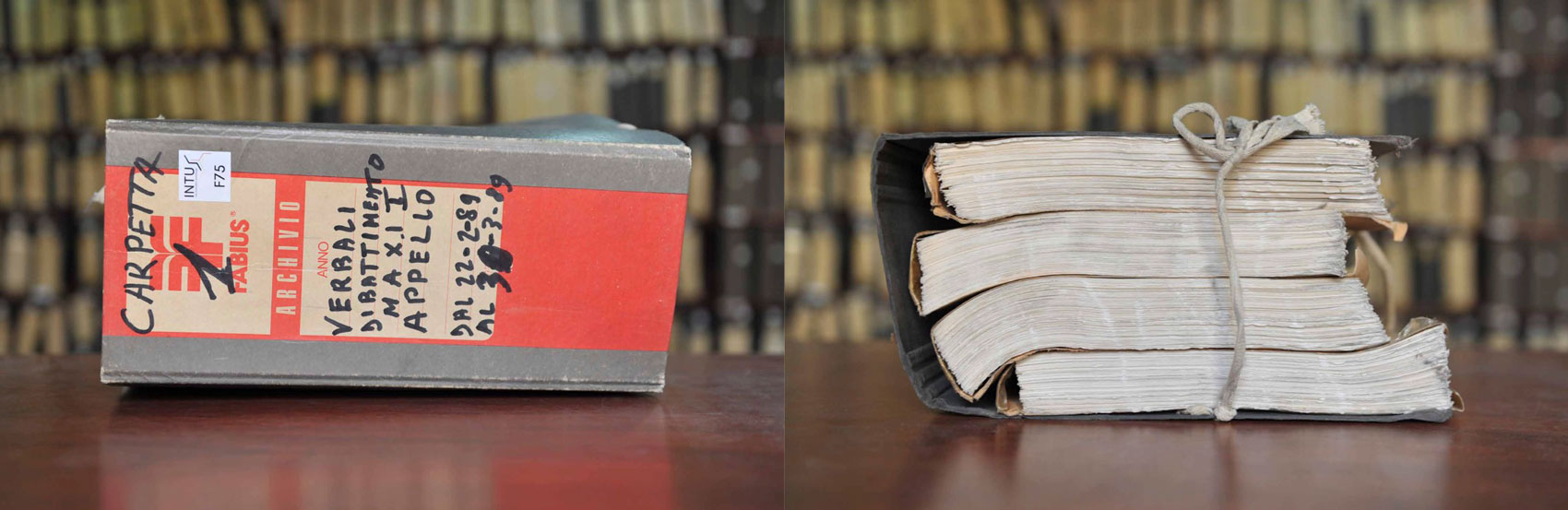
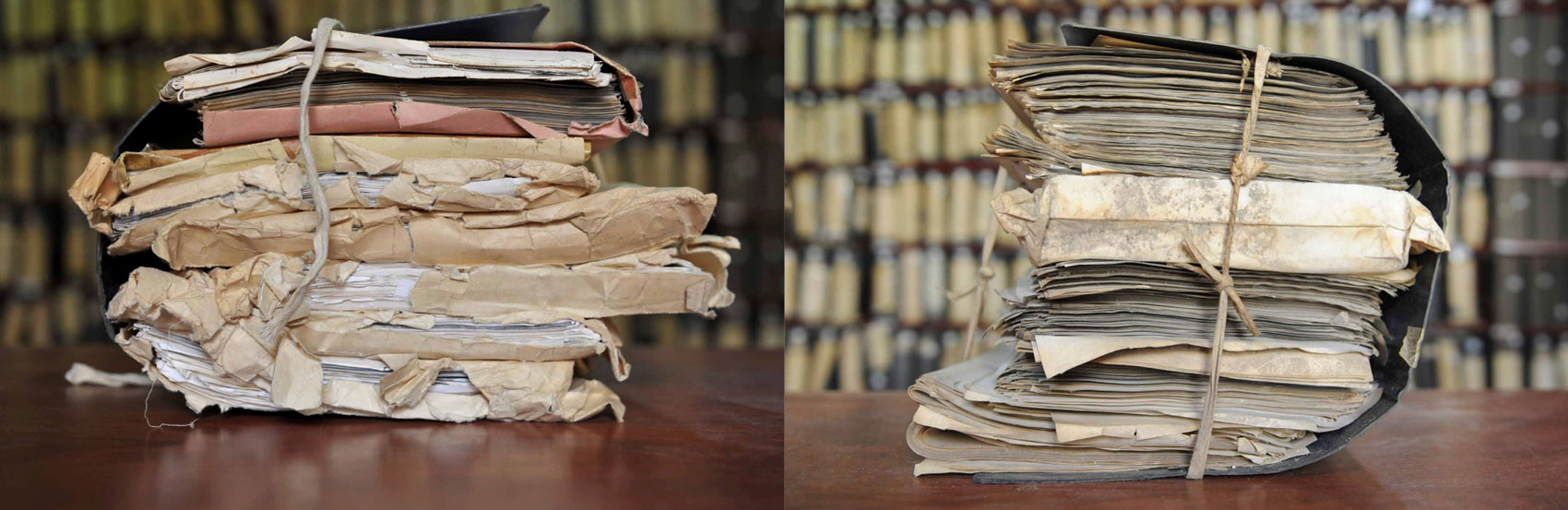
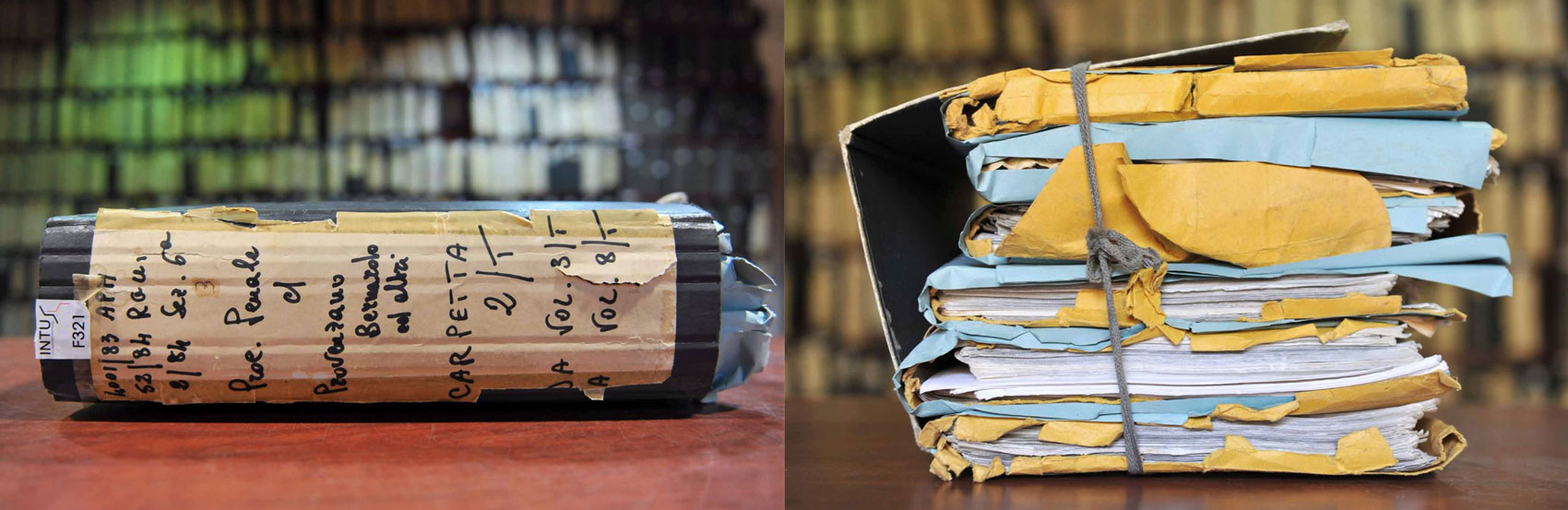
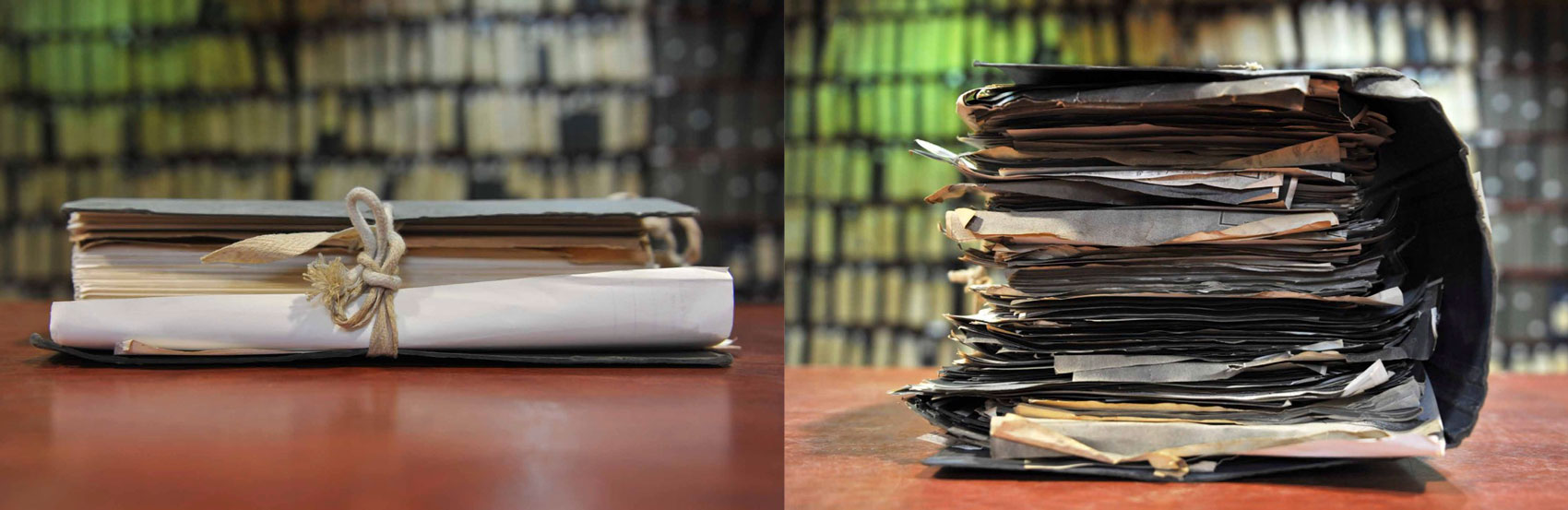
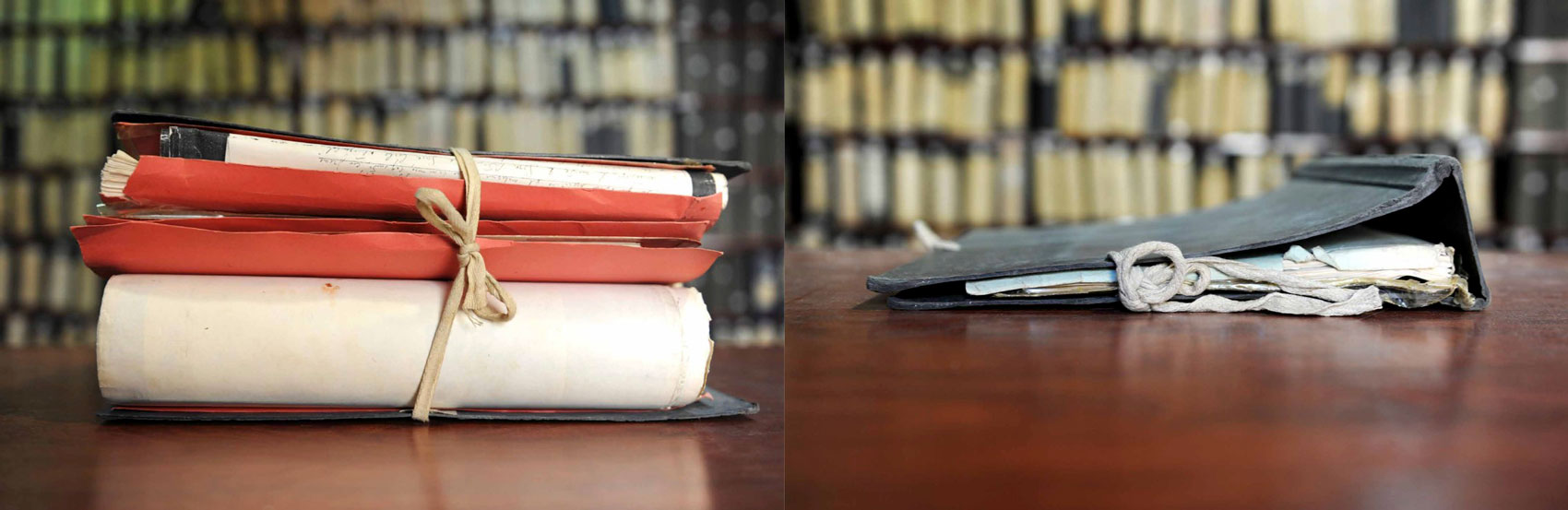
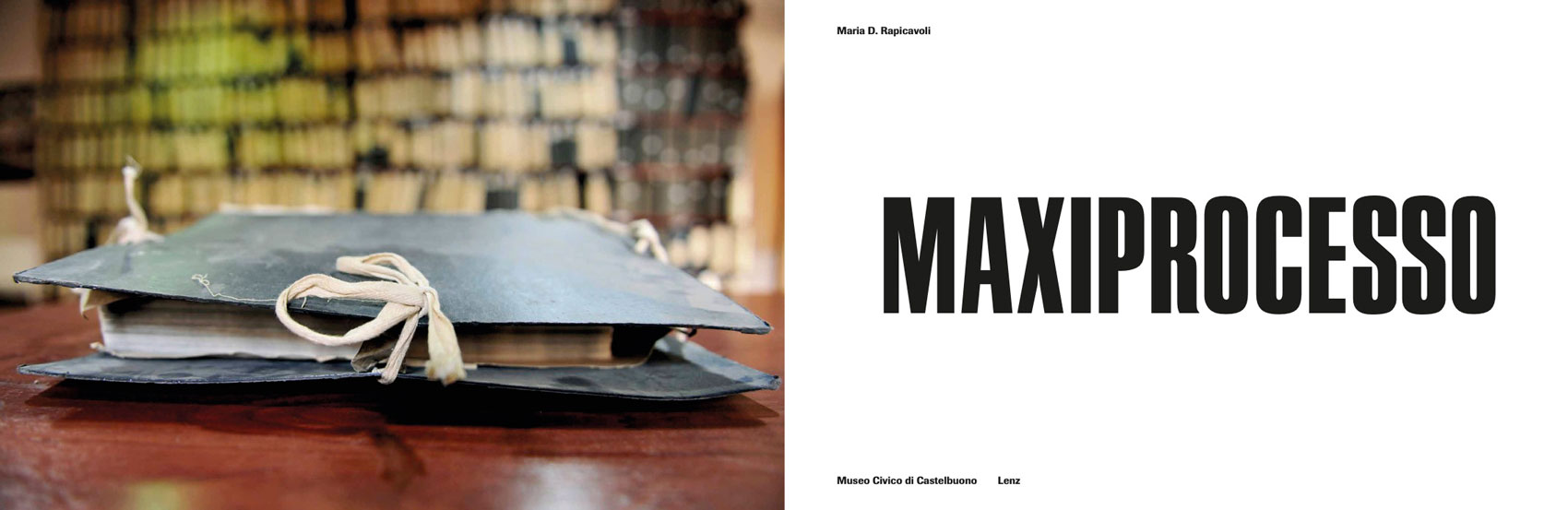
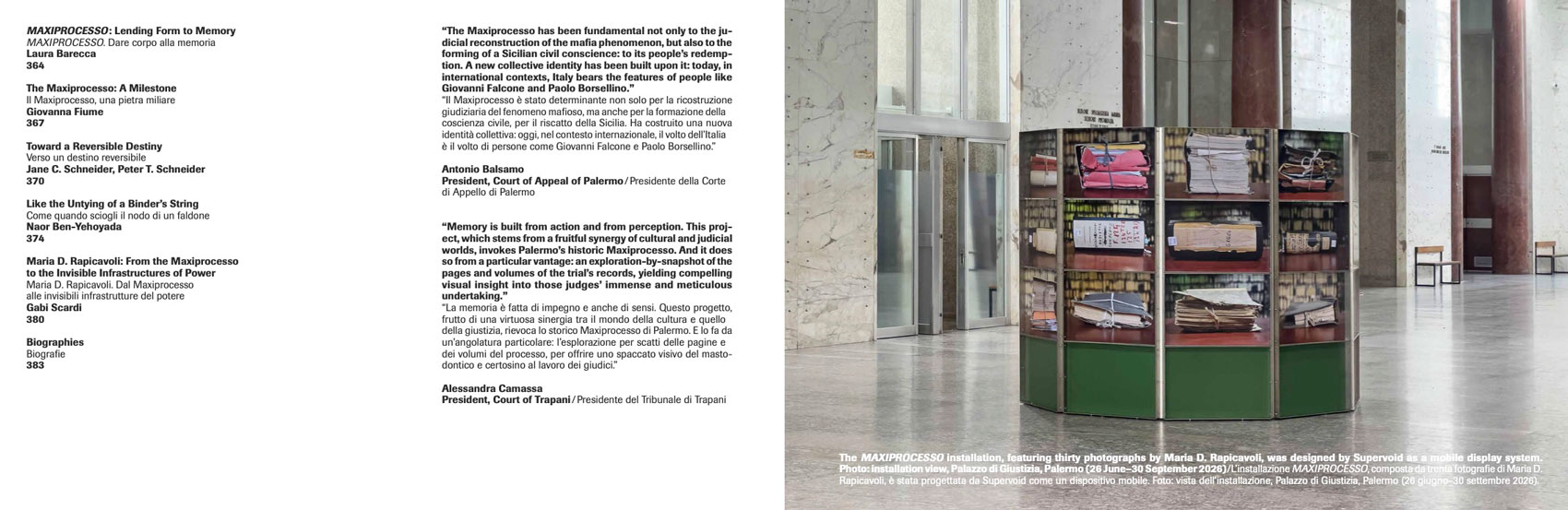
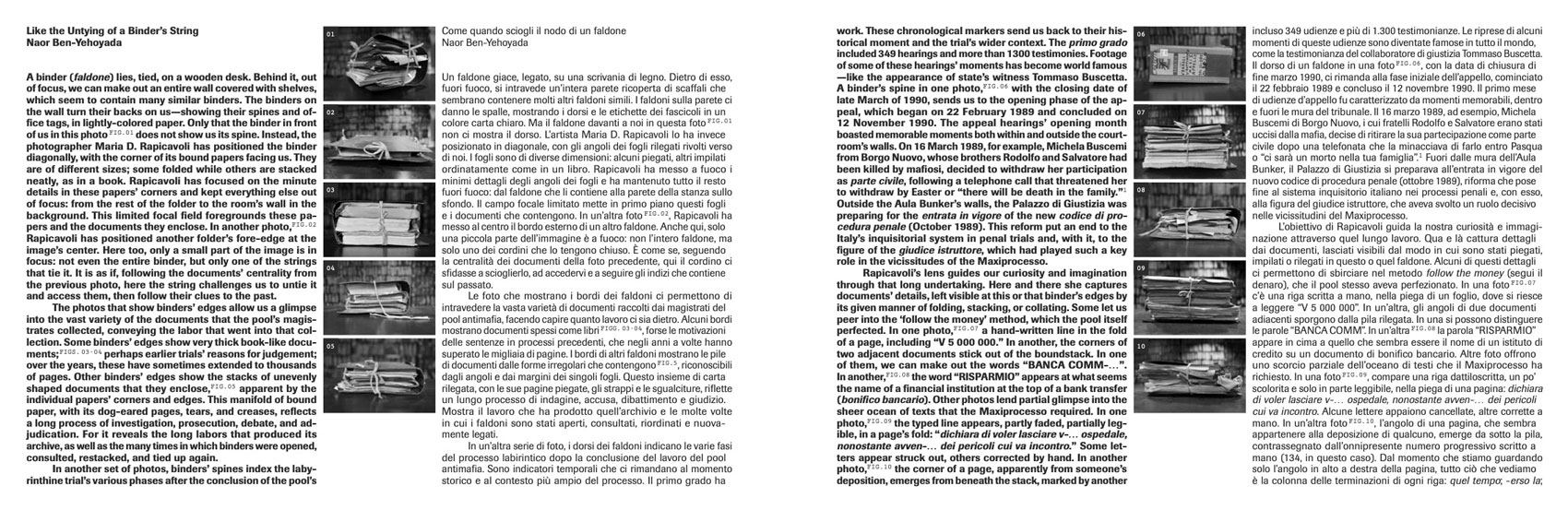
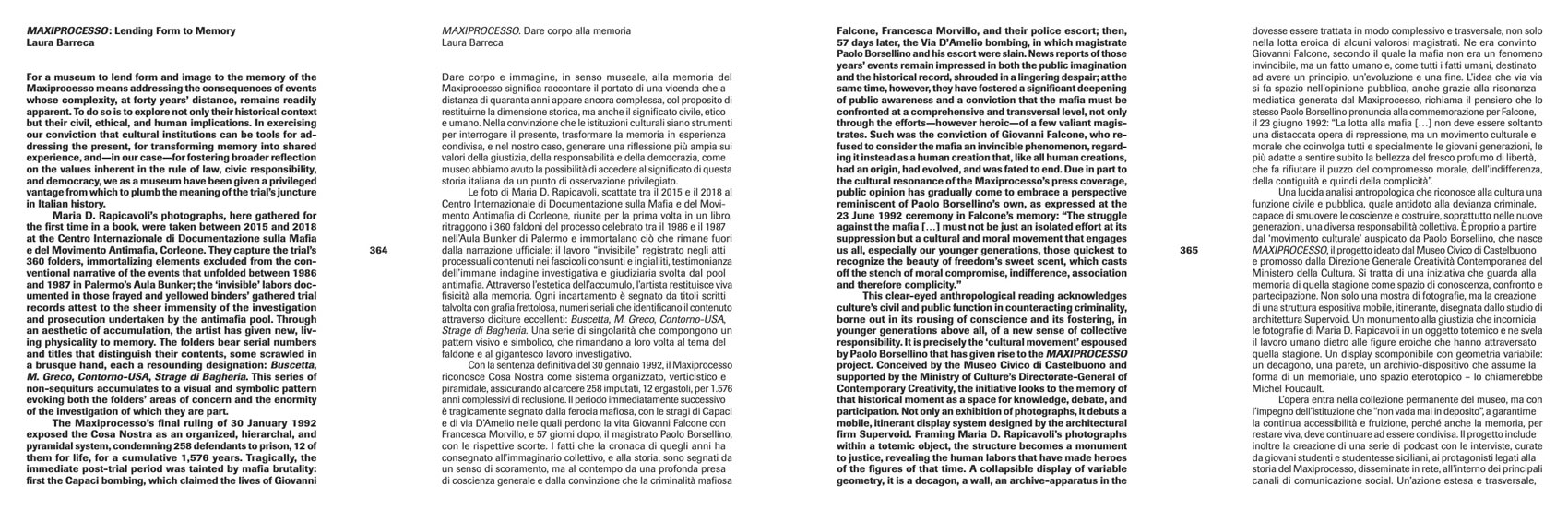
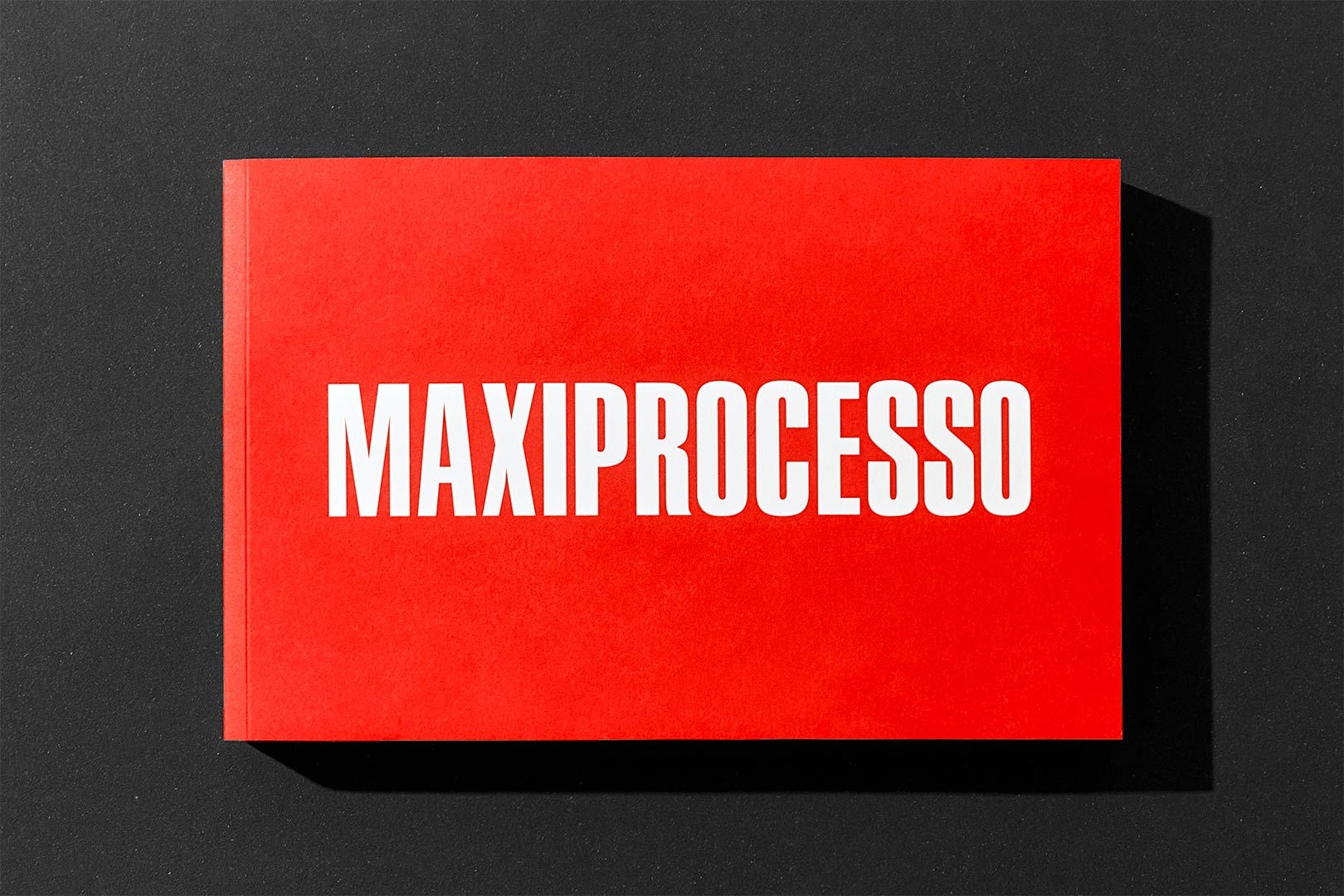
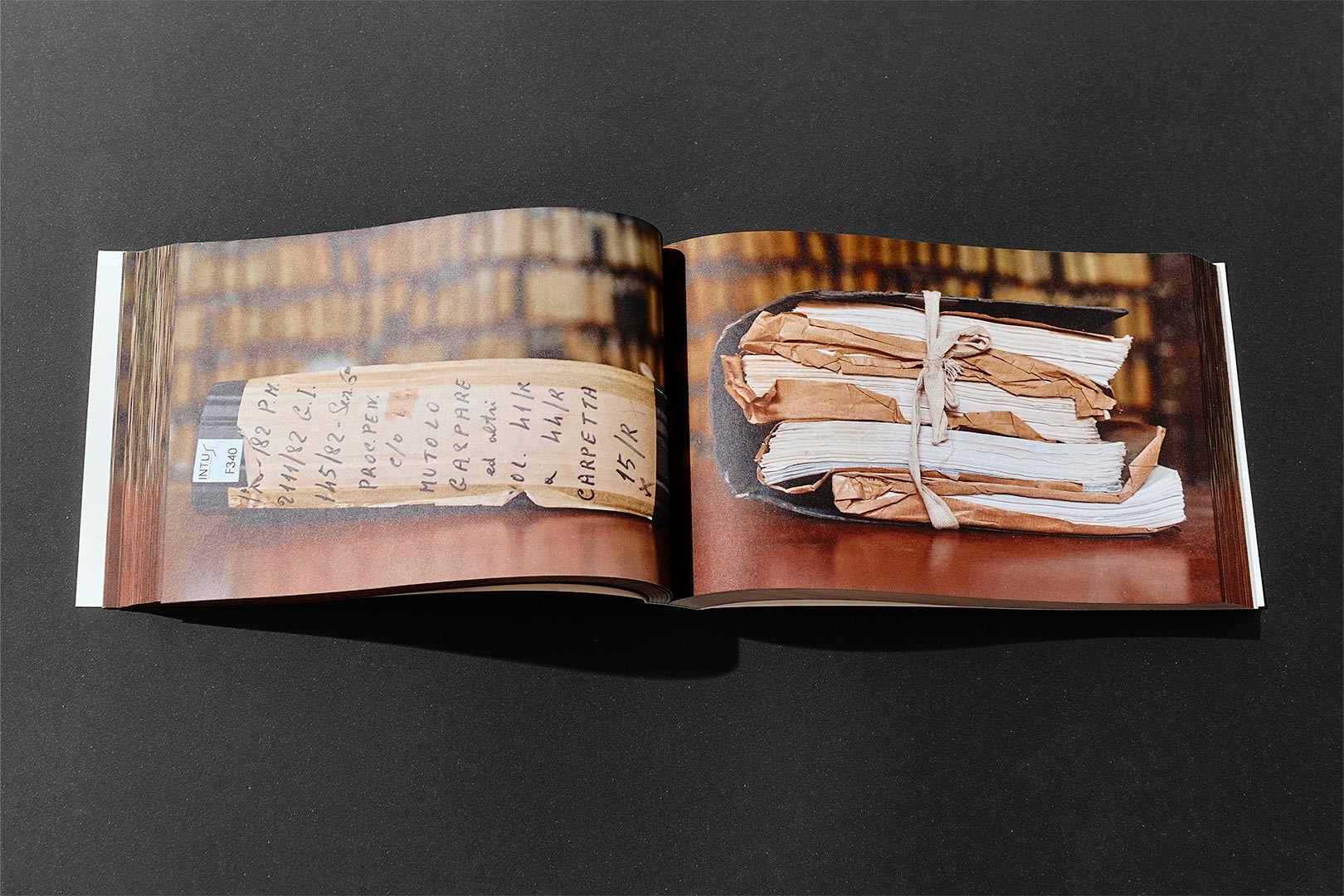
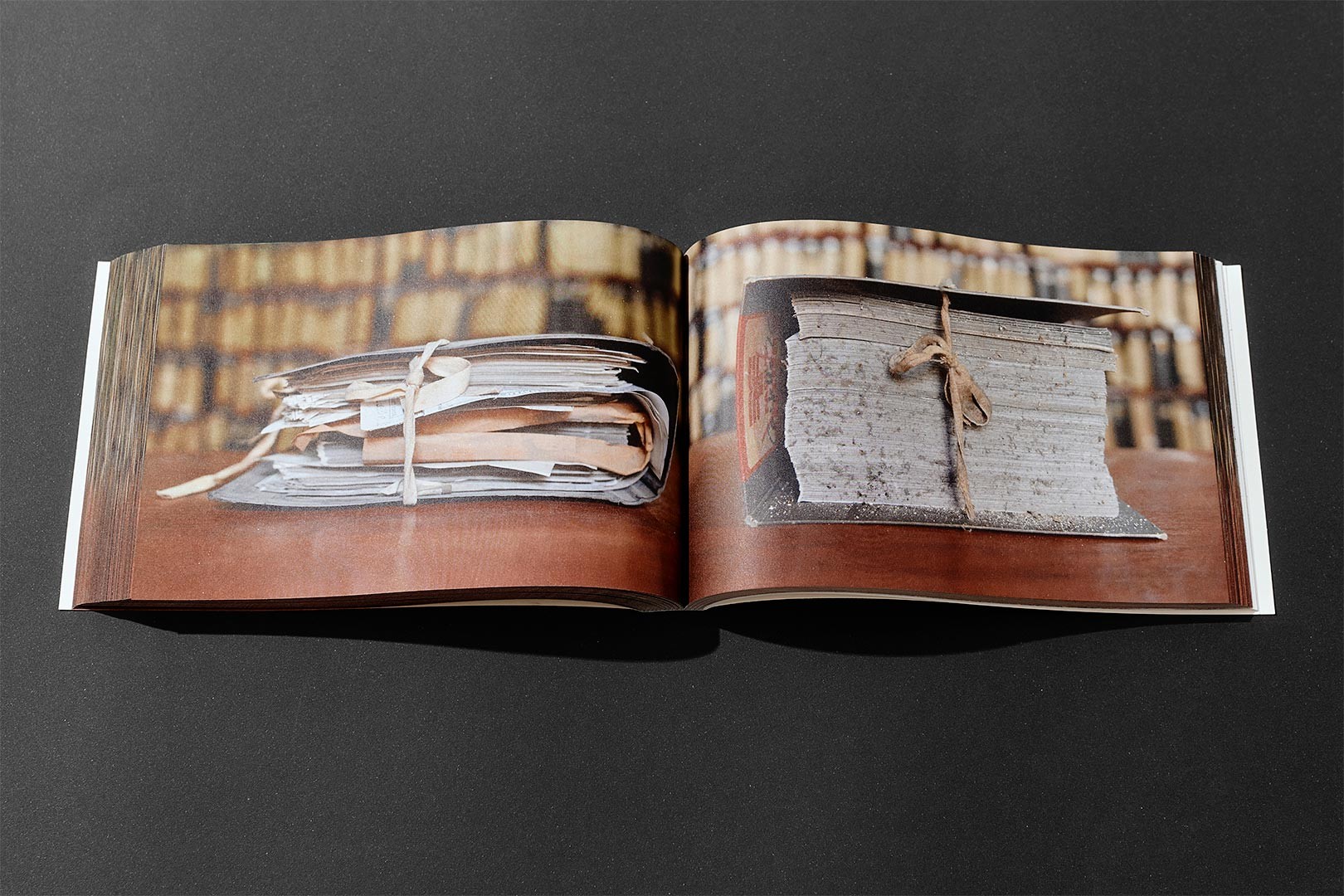
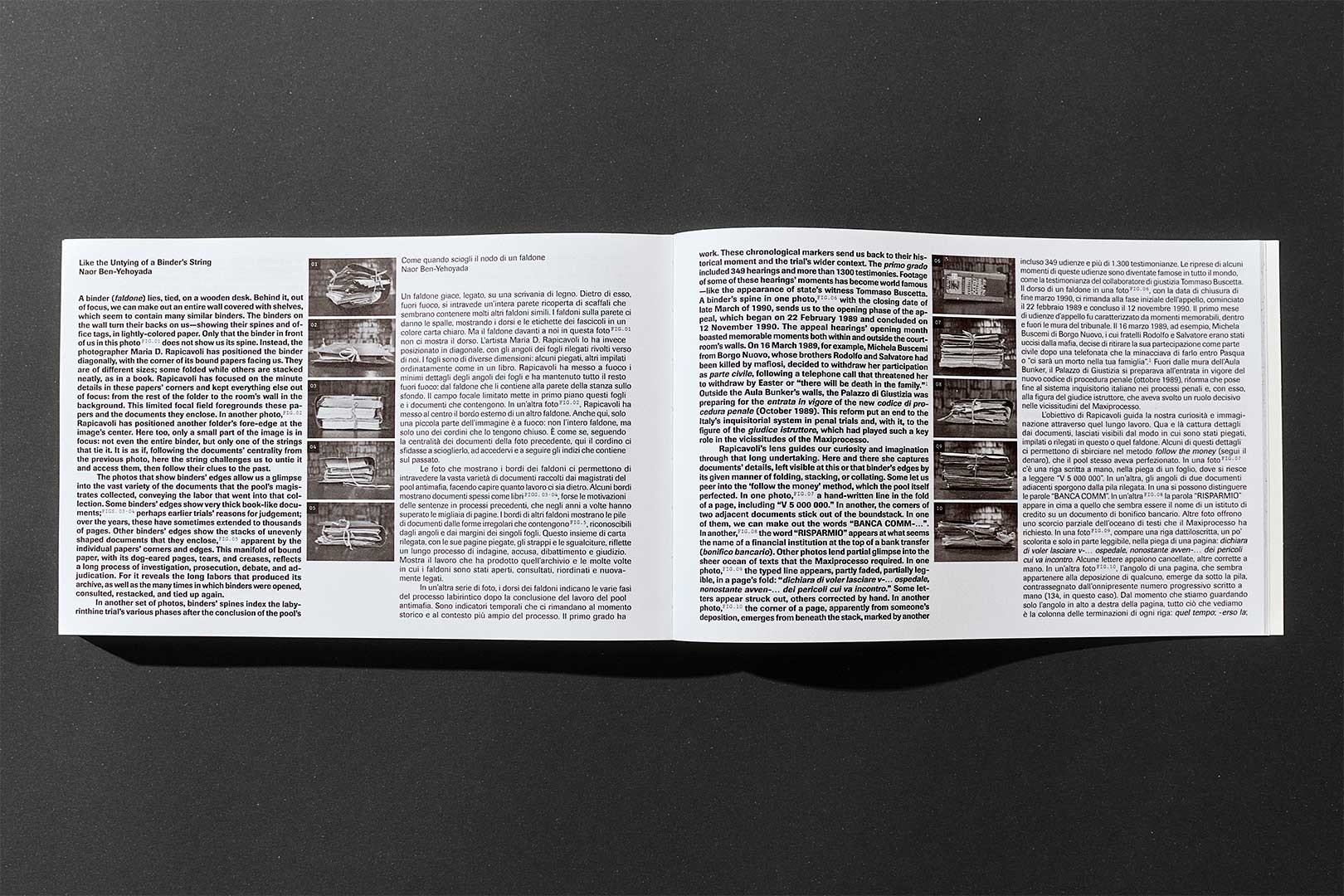
MAXIPROCESSO showcases the first-ever presentation of Maria D. Rapicavoli’s complete photographic series of the same name: 360 photographs, one for each of the archival folders that collectively document the largest mafia “Maxi Trial” in history, held in Palermo from 1986 to 1987. A selection from Rapicavoli’s series was exhibited at the Court of Palermo in 2026, housed in an installation designed by architecture firm Supervoid. The photographs convey the physical dimension of the exacting work underpinning the trial: reports, interrogations, wiretaps, depositions, and other documents charting Cosa Nostra’s activities. Together, they form the material footprint of the Palermo antimafia team’s vast investigation, which reconstructed and exposed the organization’s hierarchical structure for the first time.
In photographing the folders as a series, Rapicavoli moves beyond documentary representation. The images’ apparent repetition conveys the sheer volume of evidence produced by the investigation, making visible the scale of an archive whose contents usually remain inaccessible. By publishing the complete sequence, this volume communicates the materiality and magnitude of what is a crucial body of archival heritage. Thirty of Rapicavoli’s photographs have entered the permanent collection of the Museo Civico di Castelbuono, which has committed to ensuring their enduring accessibility and to fostering continued awareness and discussion of the historical legacy they represent.
The project also extends into the digital space through a series of podcast interviews pairing young Sicilian students with figures personally involved in the history of the Maxiprocesso. The initiative aims to encourage younger generations to interact more closely with this history and to develop a heightened sense of social responsibility. As Laura Barreca, Director of the Museo Civico di Castelbuono, observes: “As a public museum, today we reflect on the active role that cultural institutions can play in building a more aware, responsible, and engaged society. In Sicily, this duty assumes a still deeper meaning: here the memory of the Maxiprocesso will continue to be preserved, reinterpreted, and handed down to new generations, lending full expression to the power of contemporary art as as a tool for interpretation, dialogue, and dissemination.”
MAXIPROCESSO was staged by the Museo Civico di Castelbuono with the support of the 2025 Strategia Fotografia open call promoted by the Italian Ministry of Culture’s Directorate-General for Contemporary Creativity, and with the assistance of nctm e l’arte: A project by ADVANT Nctm. The project was developed with the support of Antonio Balsamo, President of the Court of Appeal of Palermo, and Alessandra Camassa, President of the Court of Trapani, and marks the fortieth anniversary of the start of the Maxiprocesso. Through photography and contemporary art, it reaffirms the trial’s landmark role in late-twentieth-century Italian history while exploring the connections between justice, cultural institutions, and social responsibility, and how this pivotal event can be interpreted and transmitted to new generations.