This new major monographic publication on the Ghanian artist documents the work that transformed sites and repurposed buildings in his native town of Tamale to transformative outcomes rooted into the idea of art as a tool of understanding, rebalancing, and advancement.
For life and limbs, Austrian artist and curator Anna-Sophie Berger has assembled a group of works, from Arakawa and Gins to Lyle Ashton Harris, that register the body as a habitat that can be imaginatively stretched, altered, modified, adorned, replicated or destroyed.
This two-volume catalog, curated by Andrea Bellini and the New York-based collective DIS, is the outcome of the 2021 edition of the Biennale de l’Image en Mouvement (BIM’21), presented at the Centre d’Art Contemporain Genève.
Christian Frosi was long considered one of the most inspiring and promising Italian artists debuting in the early 2000s. That is until just over ten years into his career, when he decided to make himself unreachable and remove himself from art history, its customs and figures.
Featuring new contributions by Sitara Abuzar Ghaznawi and a wealth of commissioned texts and writings, this book is conceived as a continuation of the exhibition held at Cabaret Voltaire, Zurich and, in a modified form, at Swiss Institute, New York.
In a context in which institutions are facing a surge of public scrutiny, the publication revisits the artistic practice of institutional critique to ask what it means today, and to consider its ability to respond to the urgent social, political, and economic issues of our time.
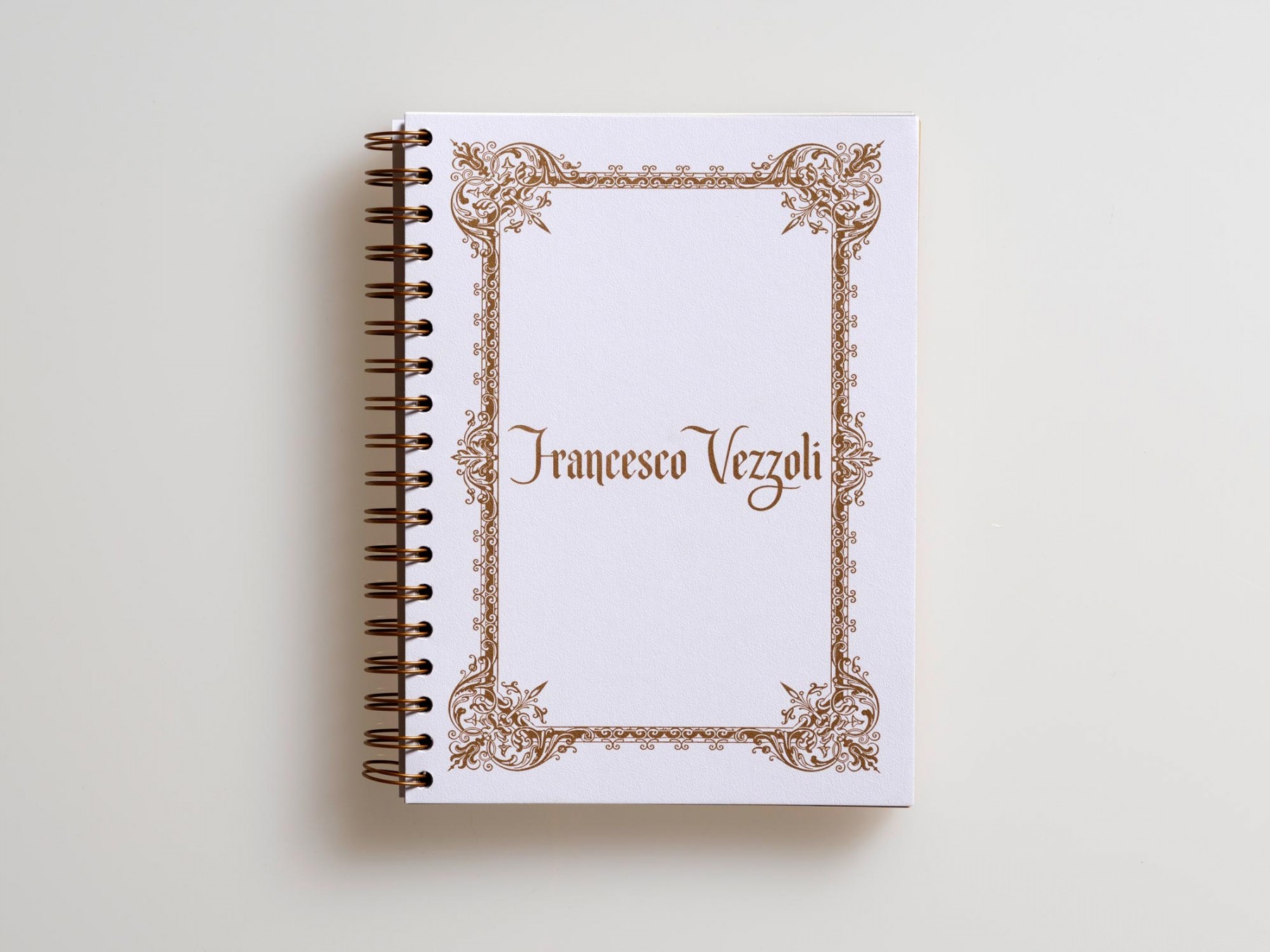
Edited by Francesco Vezzoli
Texts by Donatien Grau, Francesco Vezzoli, and FiIlippo Bisagni
Art direction: Alberto Agosti
Design: Leonardo Pertile
Published for ArchivorumxM
2026, English, spiral-bound, 23 x 17 cm, 206 pages
ISBN 979-12-80579-95-9
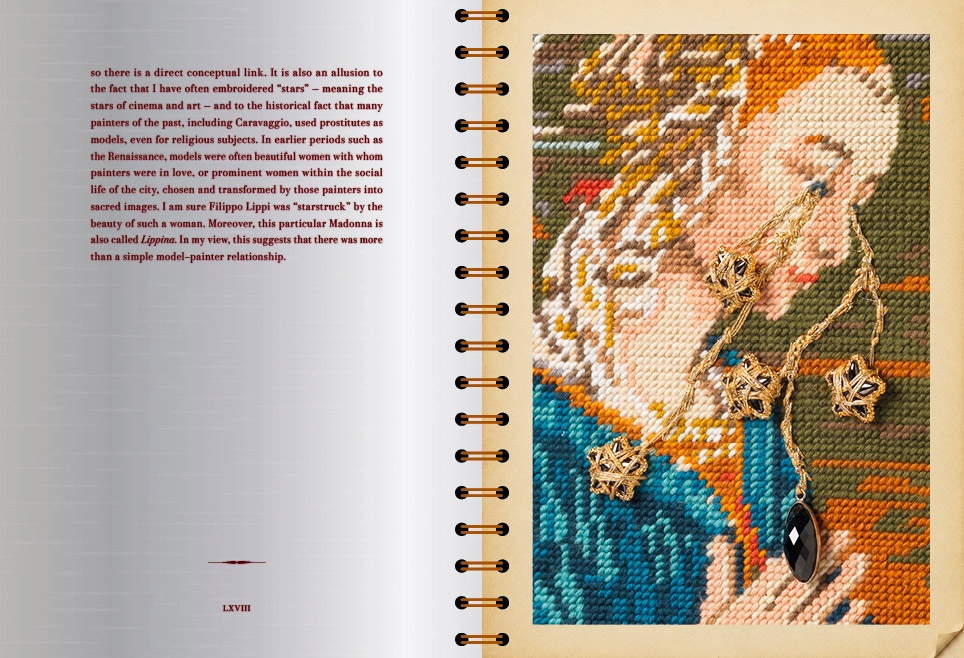
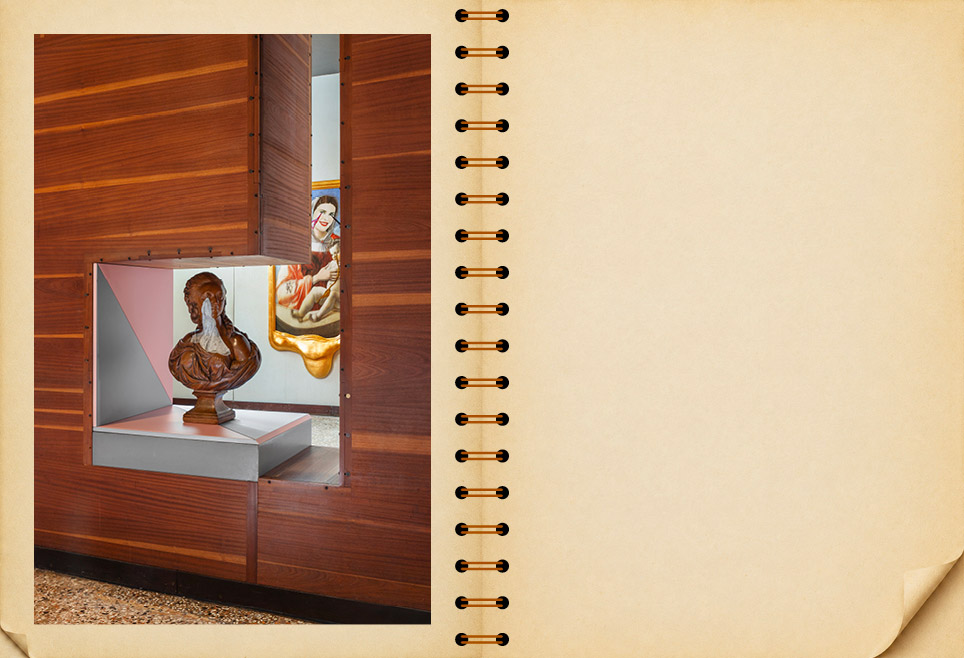
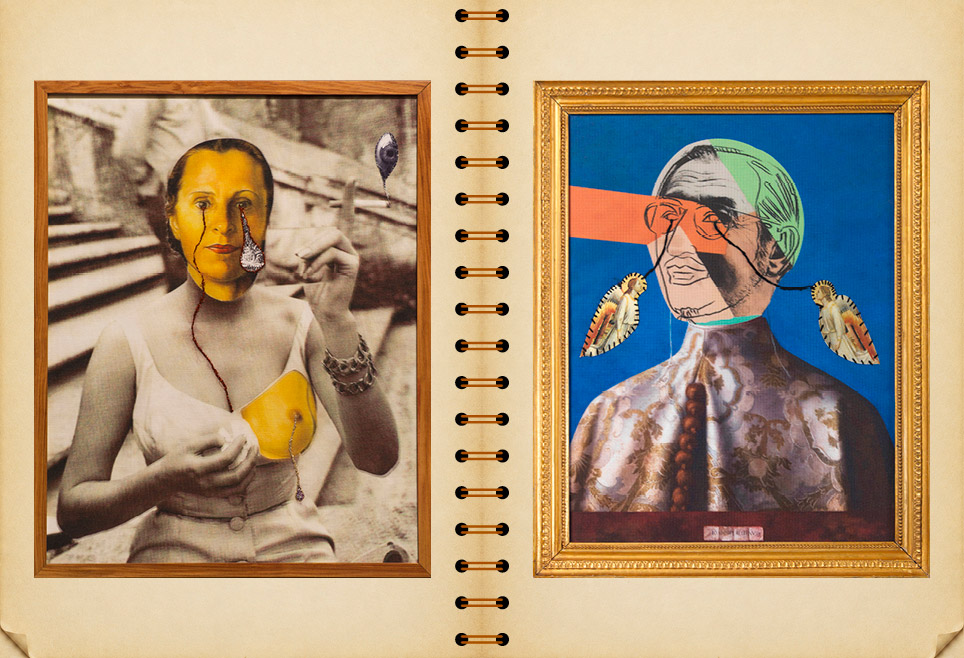
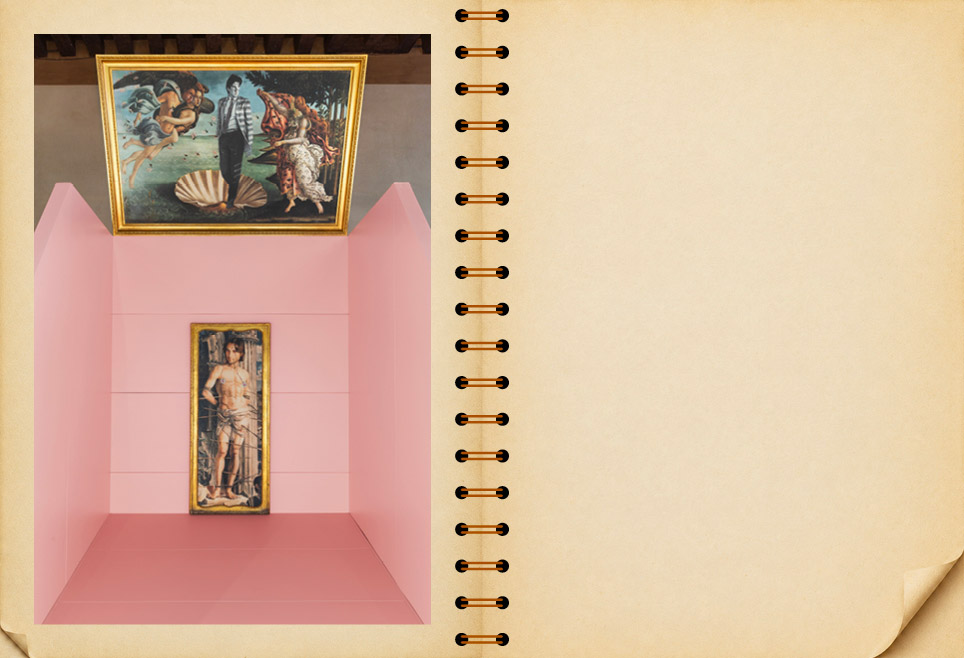
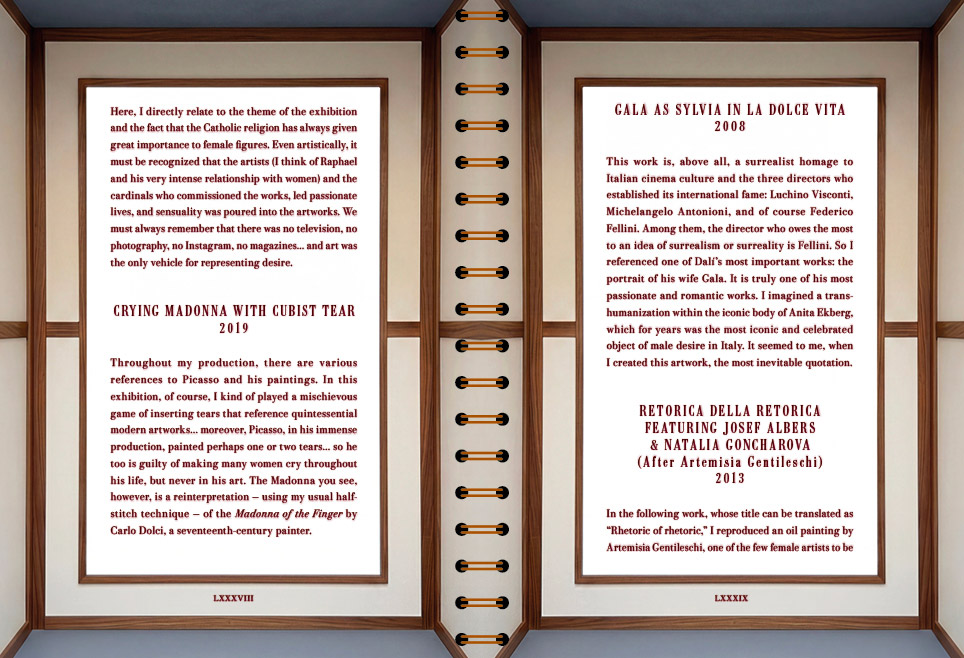
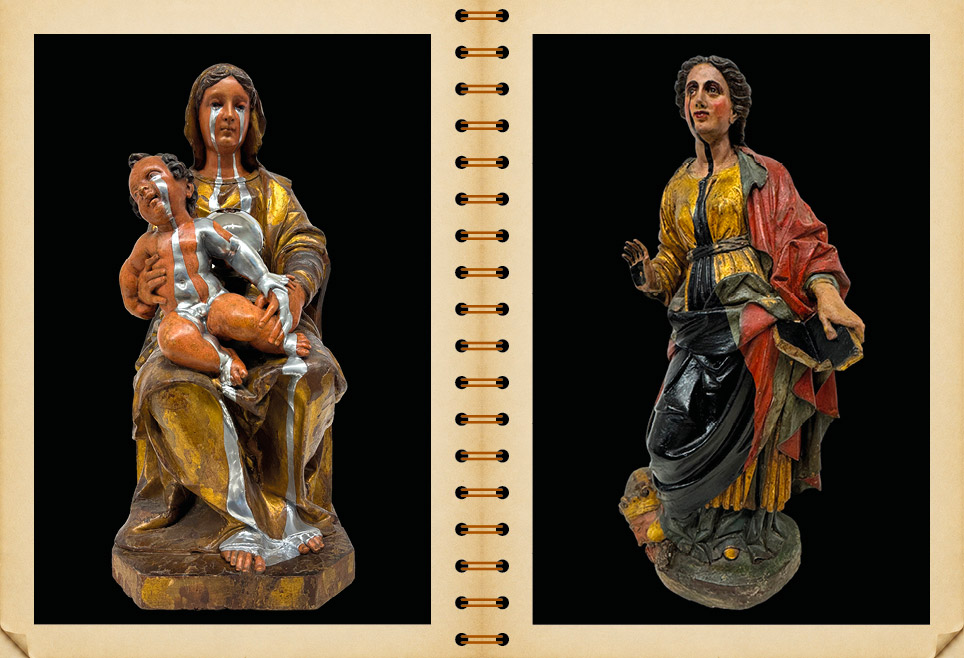
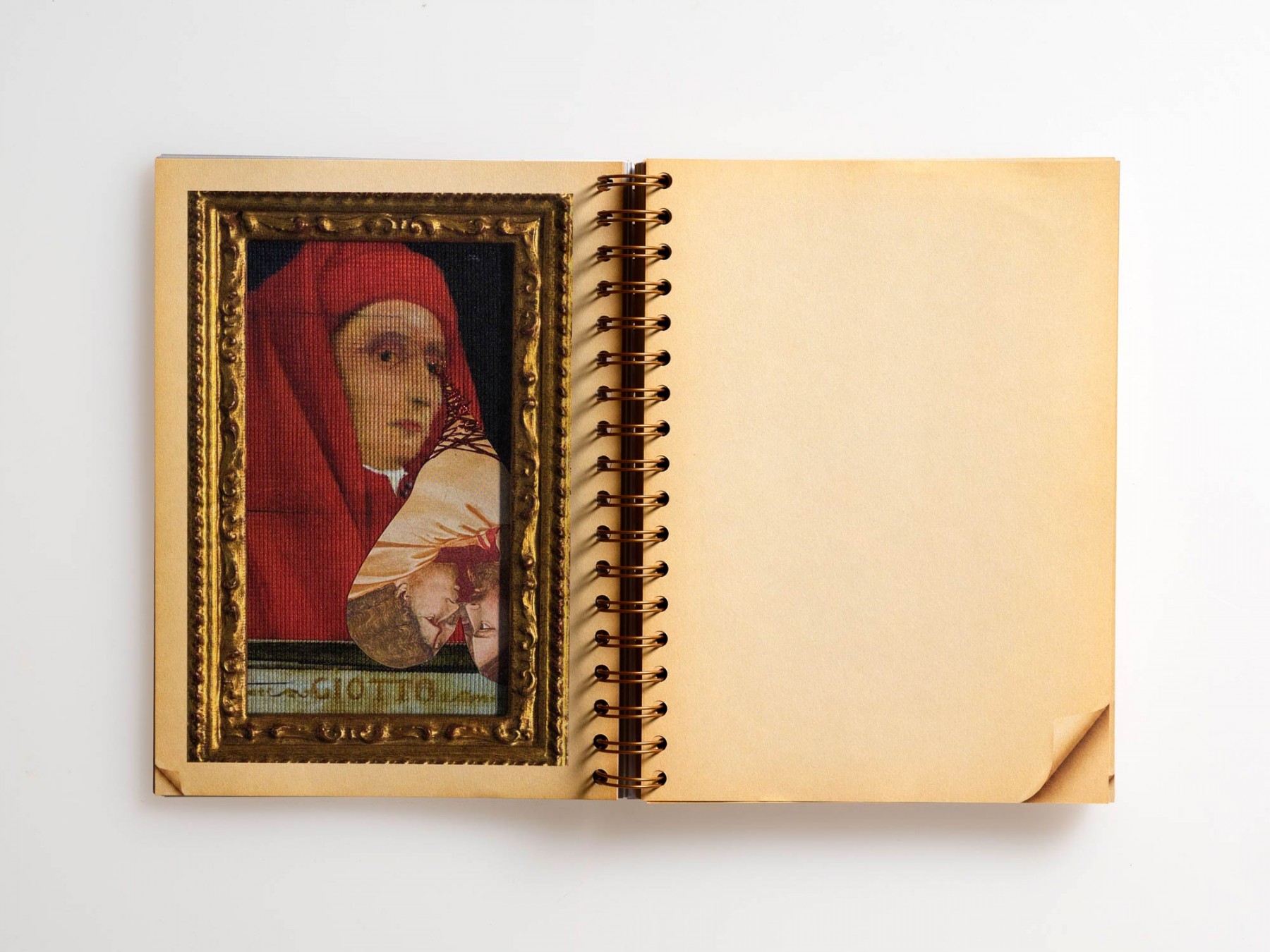
Conceived as both a publication and an autonomous artwork, Museums of Tears extends Francesco Vezzoli’s acclaimed exhibition presented at Museo Correr, Venice, in 2024. Developed in dialogue with Donatien Grau, the project brought together historical works from the museum alongside recent and newly commissioned works by Vezzoli, creating a layered conversation between antiquity, emotion and illusion. The exhibition marked a significant moment in the artist’s practice, reflecting his growing engagement with art history, archaeology and the museum as a space where the past can be reimagined through contemporary desire.
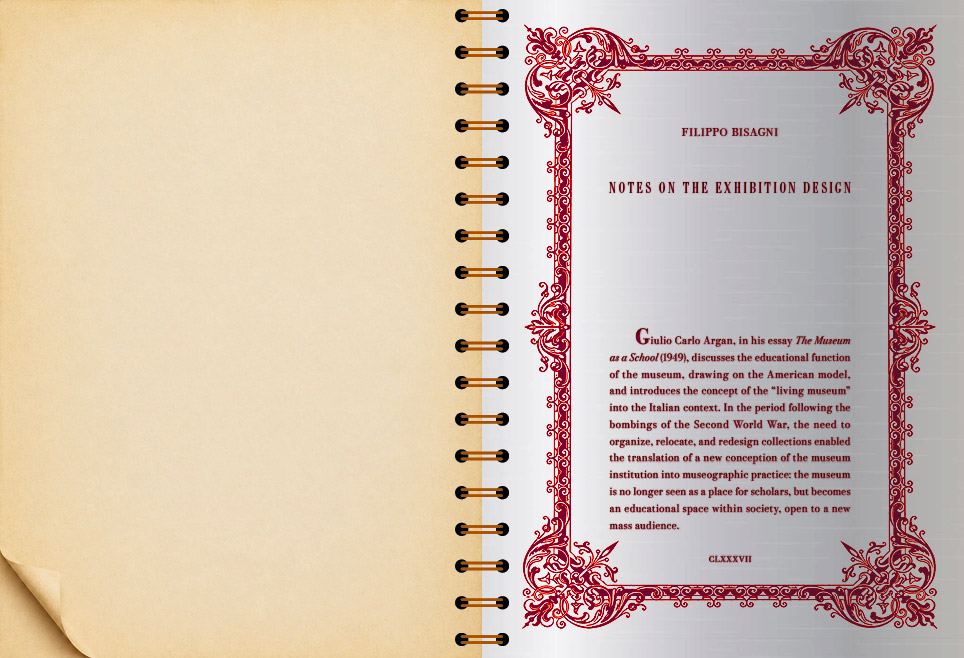
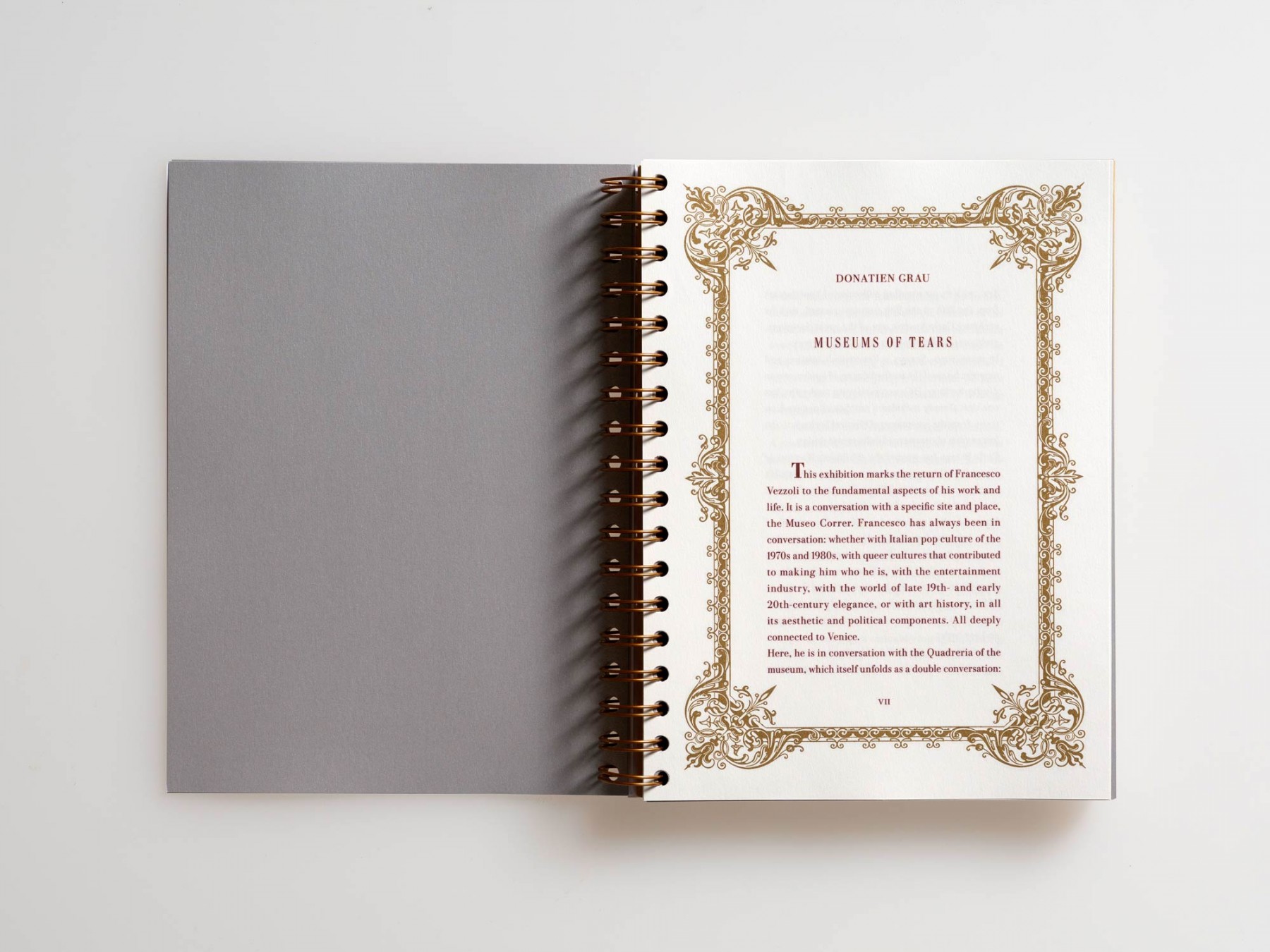
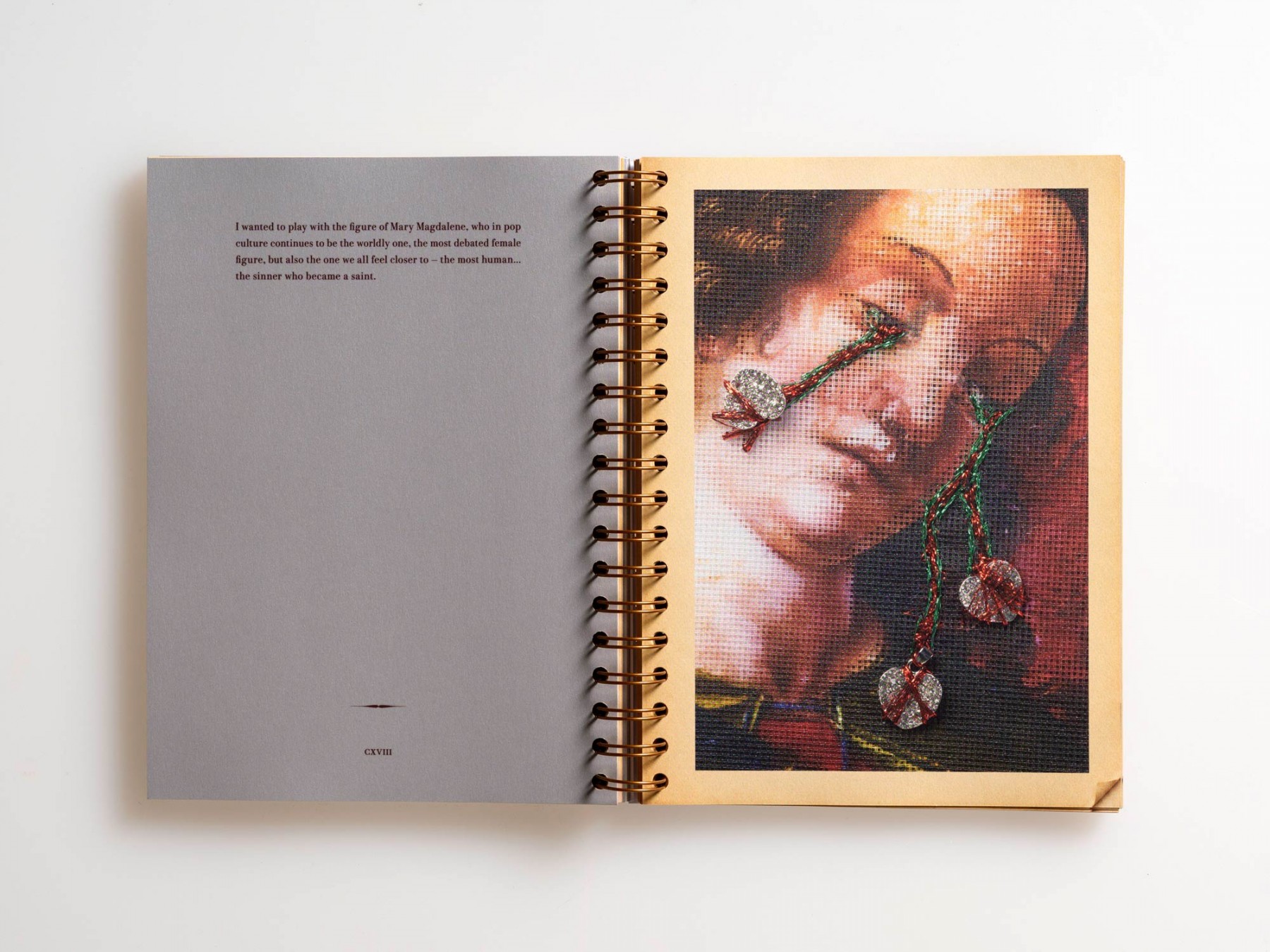
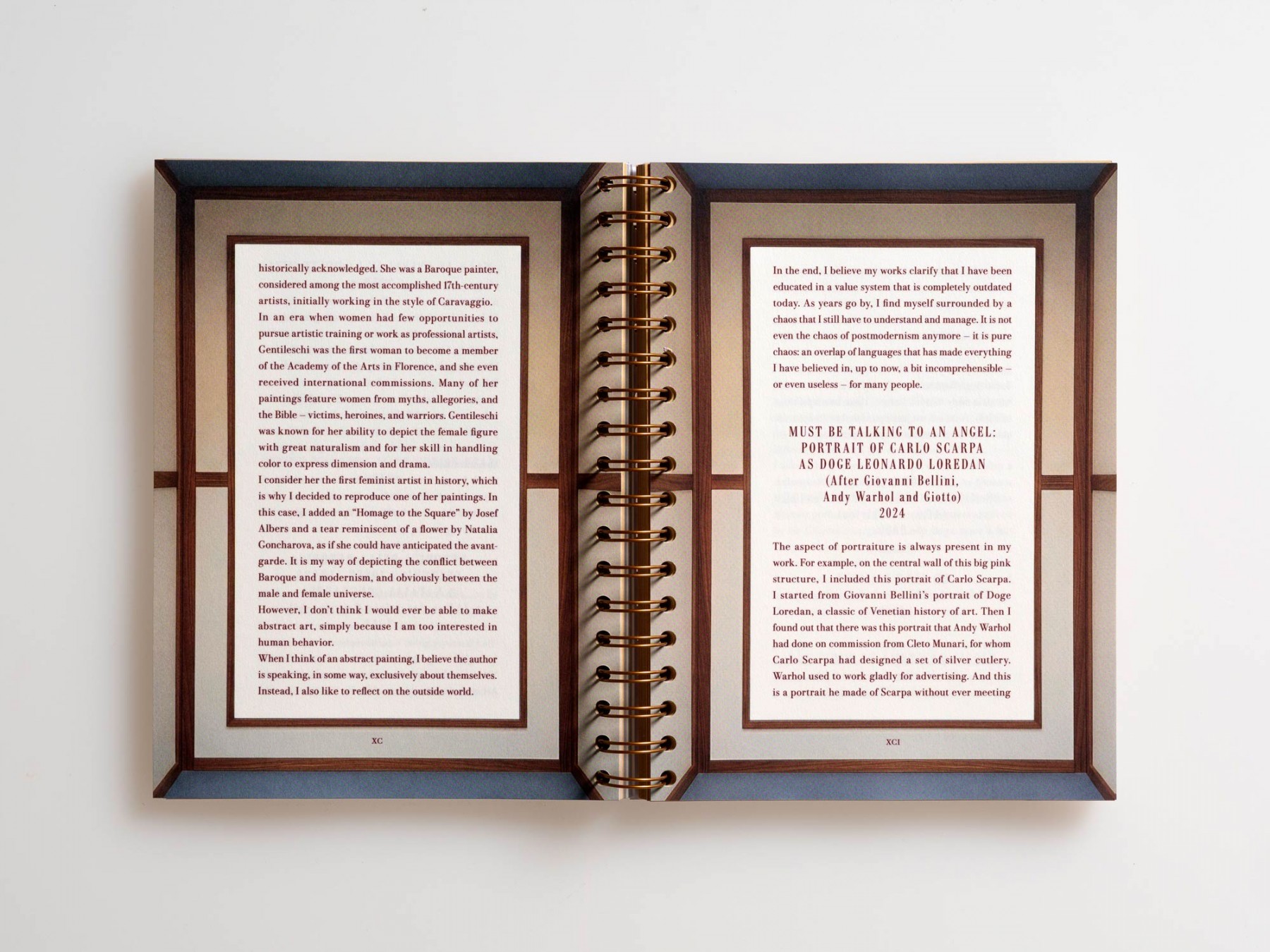
Moving beyond the conventional exhibition catalogue format, the volume has been conceived as a true artist’s book. Inspired by the historical guidebooks of Museo Correr and by Carlo Scarpa’s vision of the museum as a form of emotional choreography, it transforms the museum guide into a hybrid object: part scholarly document, part fictional archive and part personal diary. Rather than documenting the exhibition, Museum of Tears becomes an extension of it: a portable museum of memory, beauty, mourning and artifice.