Featuring new contributions by Sitara Abuzar Ghaznawi and a wealth of commissioned texts and writings, this book is conceived as a continuation of the exhibition held at Cabaret Voltaire, Zurich and, in a modified form, at Swiss Institute, New York.
In a context in which institutions are facing a surge of public scrutiny, the publication revisits the artistic practice of institutional critique to ask what it means today, and to consider its ability to respond to the urgent social, political, and economic issues of our time.
Covering the past thirty years of Scott’s practice, this monograph offers the largest comprehensive selection of paintings, drawings, masks and architectural models, as well as an unique insight on his creative and transformative approach.
A first monograph on Shahryar Nashat, generously illustrated with color photographs of the artist’s work and new scholarly contributions. Published in conjunction with two solo exhibitions, at Kunsthalle Basel and Swiss Institute in New York.
The first reference monograph dedicated to the artist and audio investigator, this book analyzes a practice that has been consistently exploring ‘the politics of listening’ and the role of sound and voice within the law and human rights.
Lam-See Lam’s storytelling develops through text, animations, and sculptural installations. Her multifaceted stories explore the narrative of the Cantonese diaspora in Sweden and examine questions of cultural identity.
Edited by Alessandro Rabottini
Texts by Martin Germann, Matilde Guidelli-Guidi, Luca Monterastelli, and Alessandro Rabottini
Design Lorenzo Mason Studio
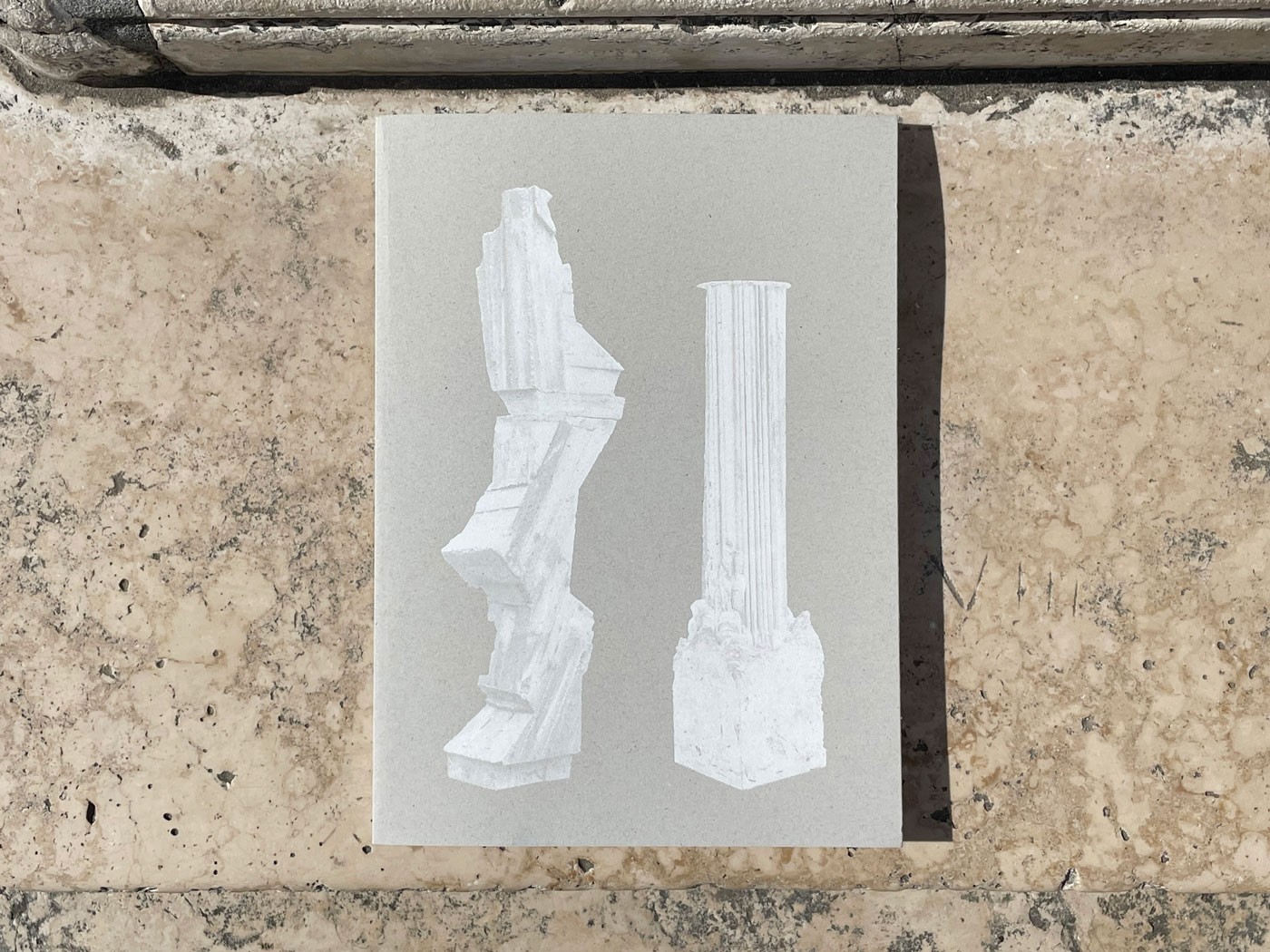
2023, English / Italian, softcover, 20 x 28 cm, 128 pages
ISBN 979-12-80579-33-1
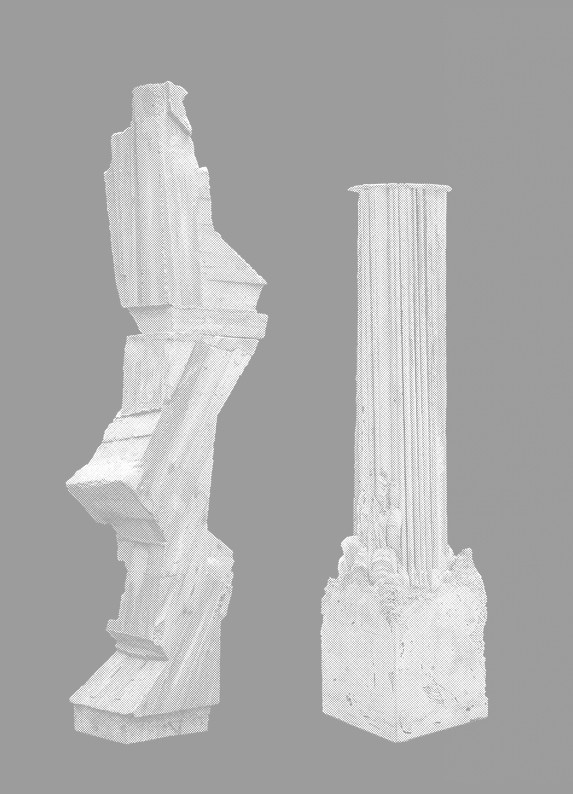
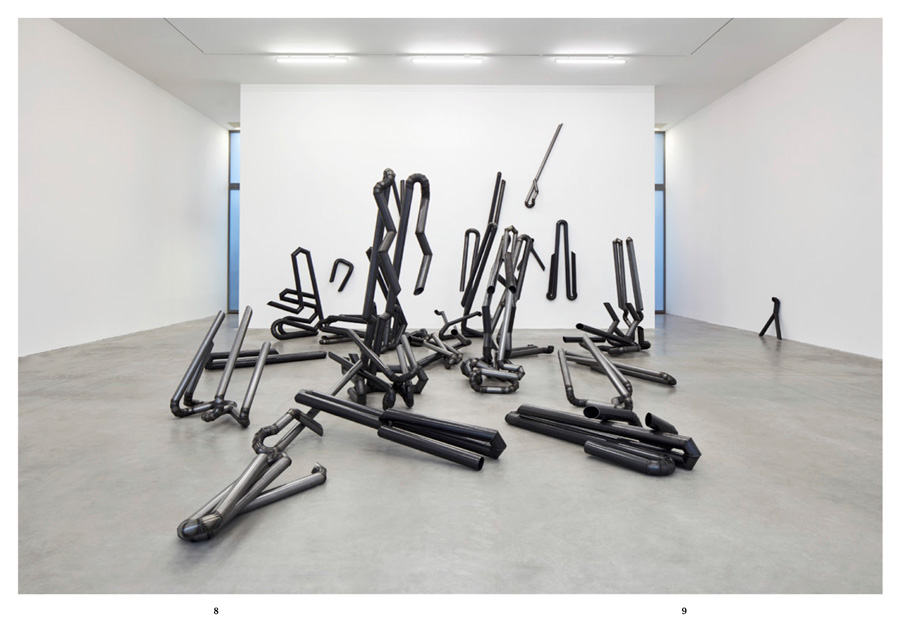
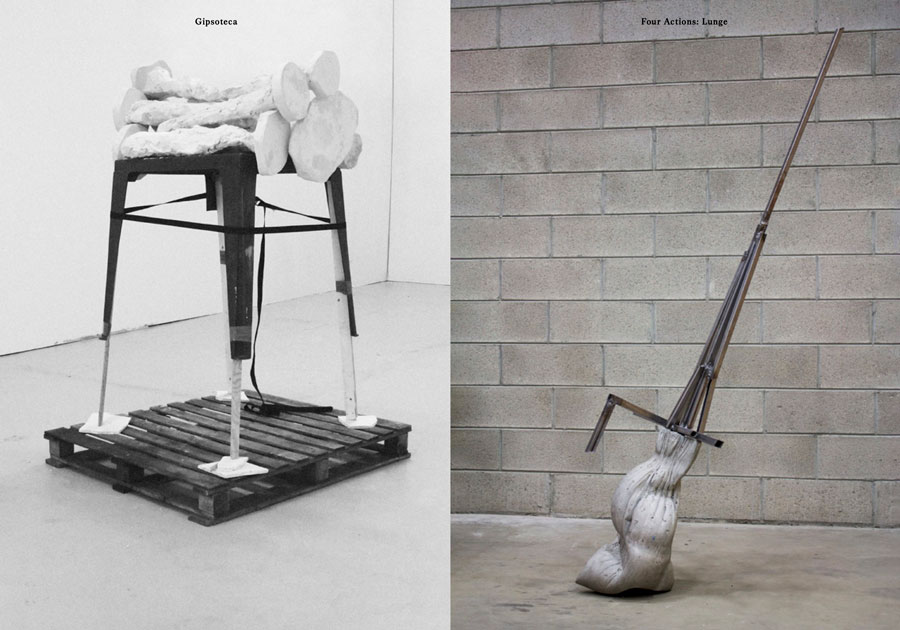
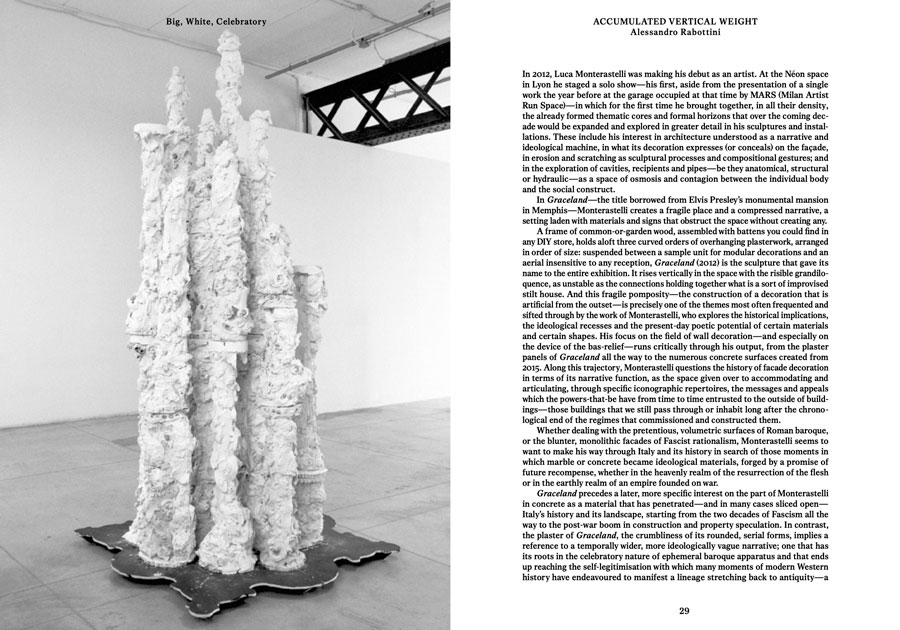
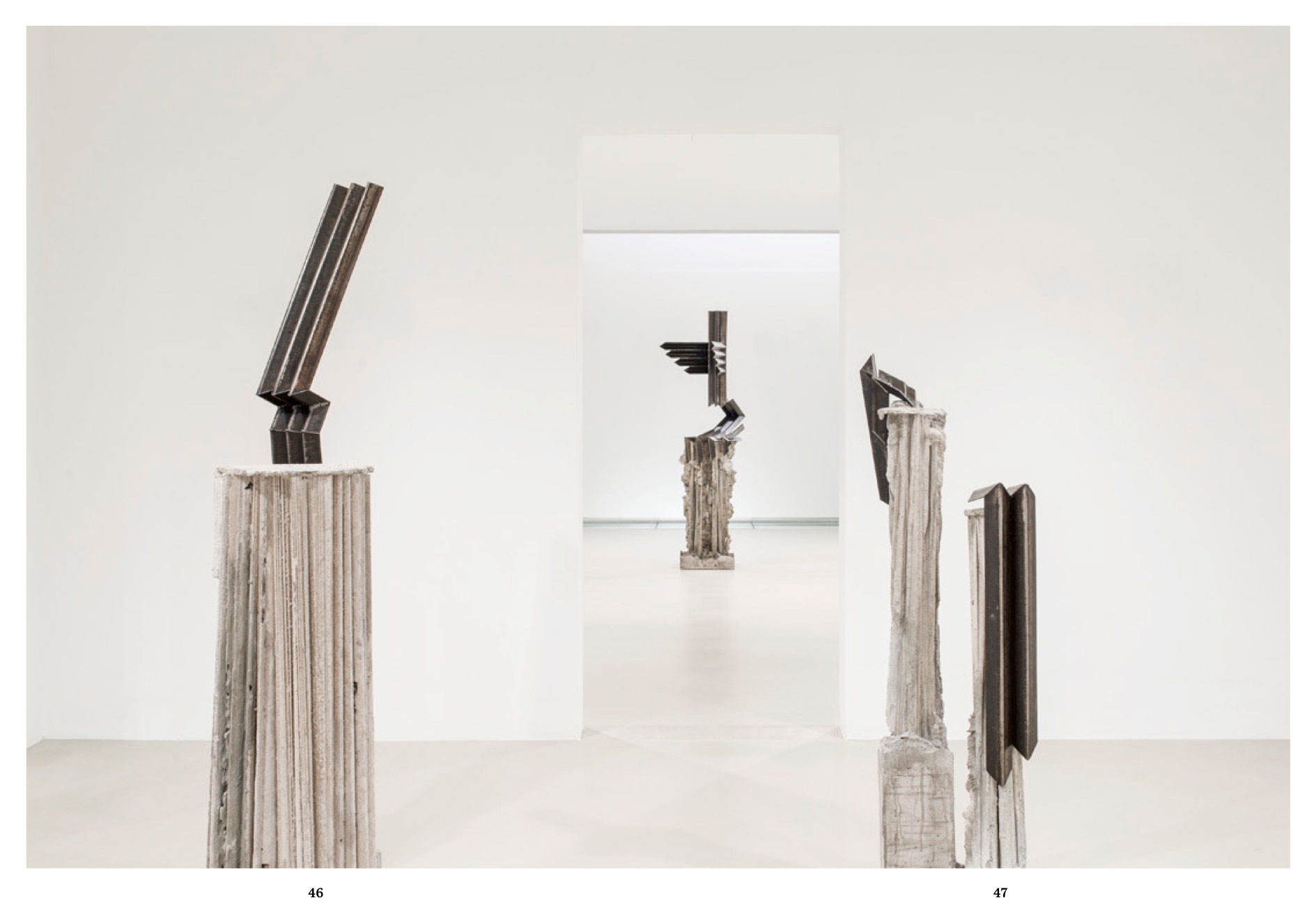
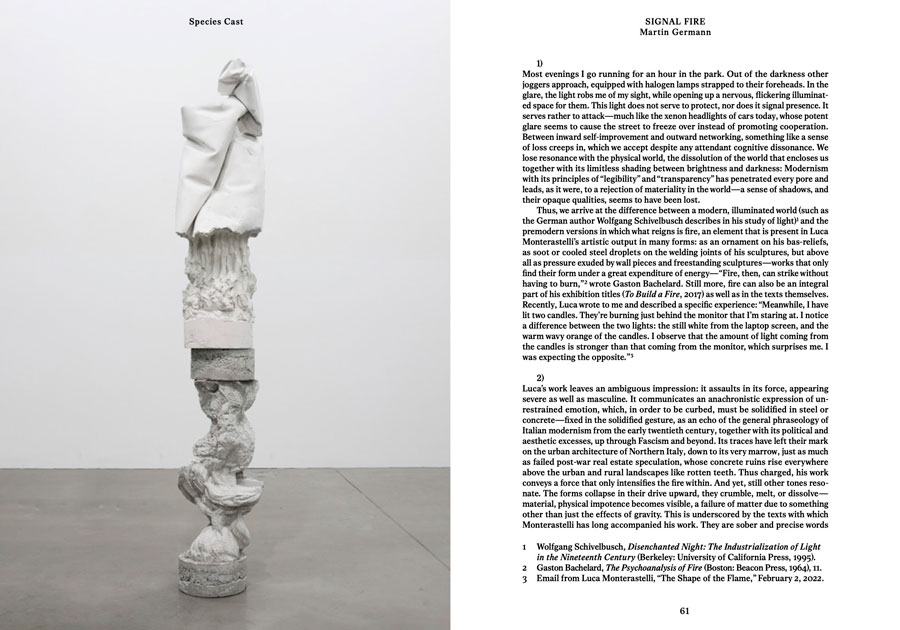
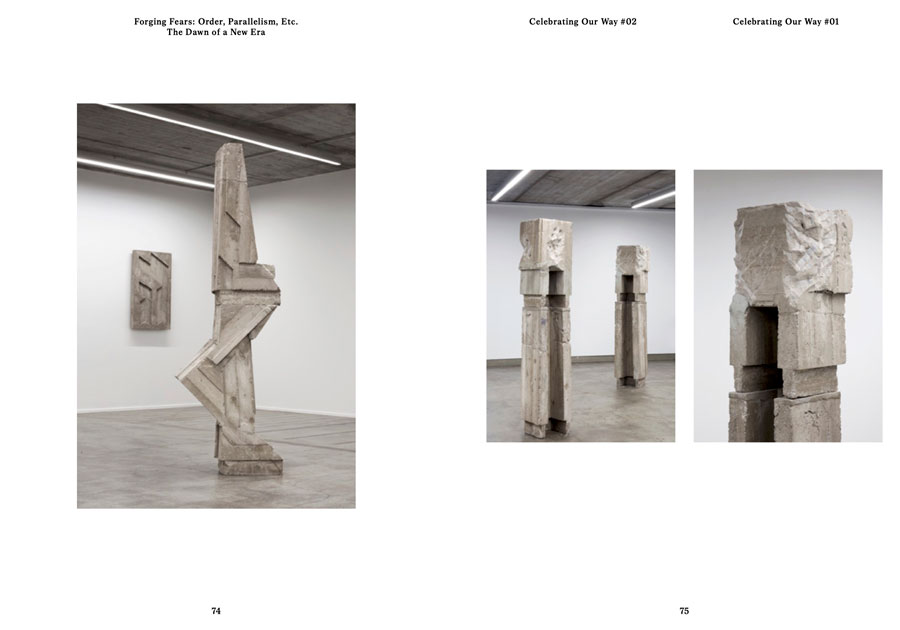
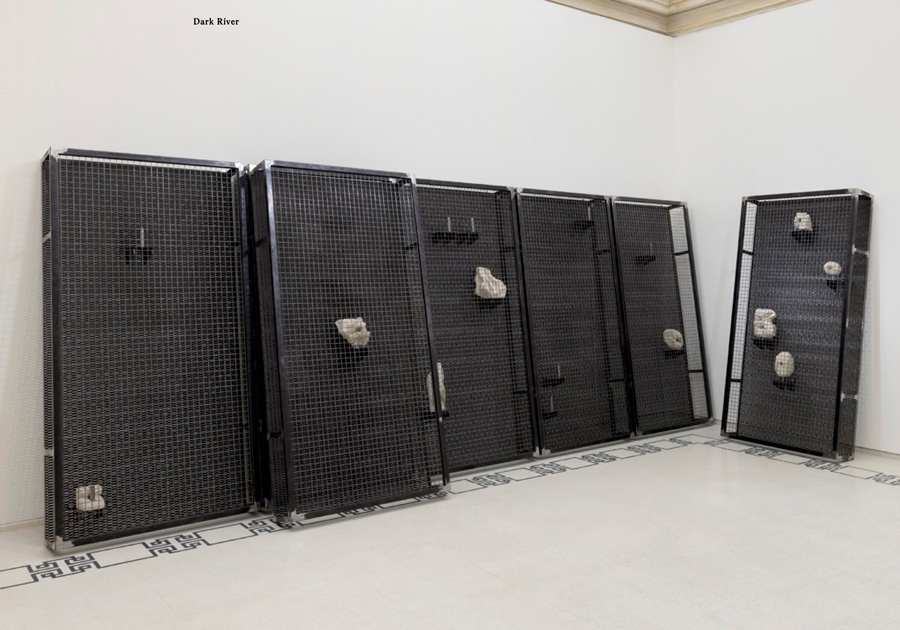
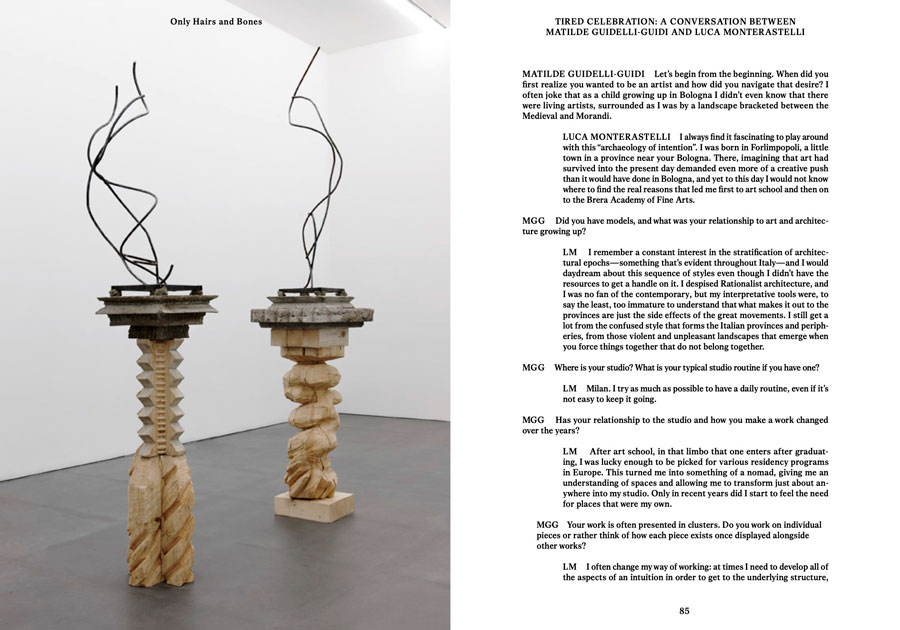
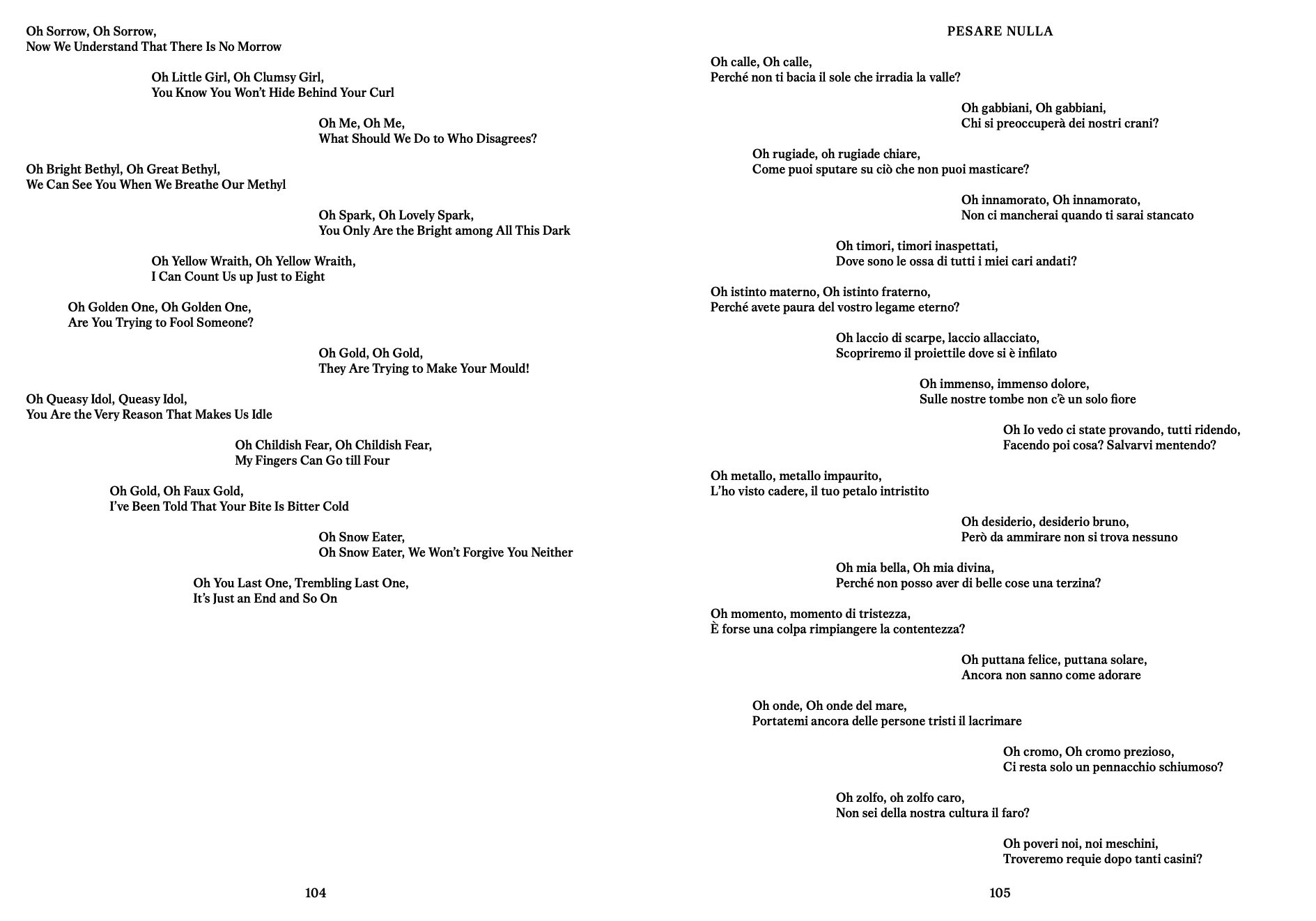
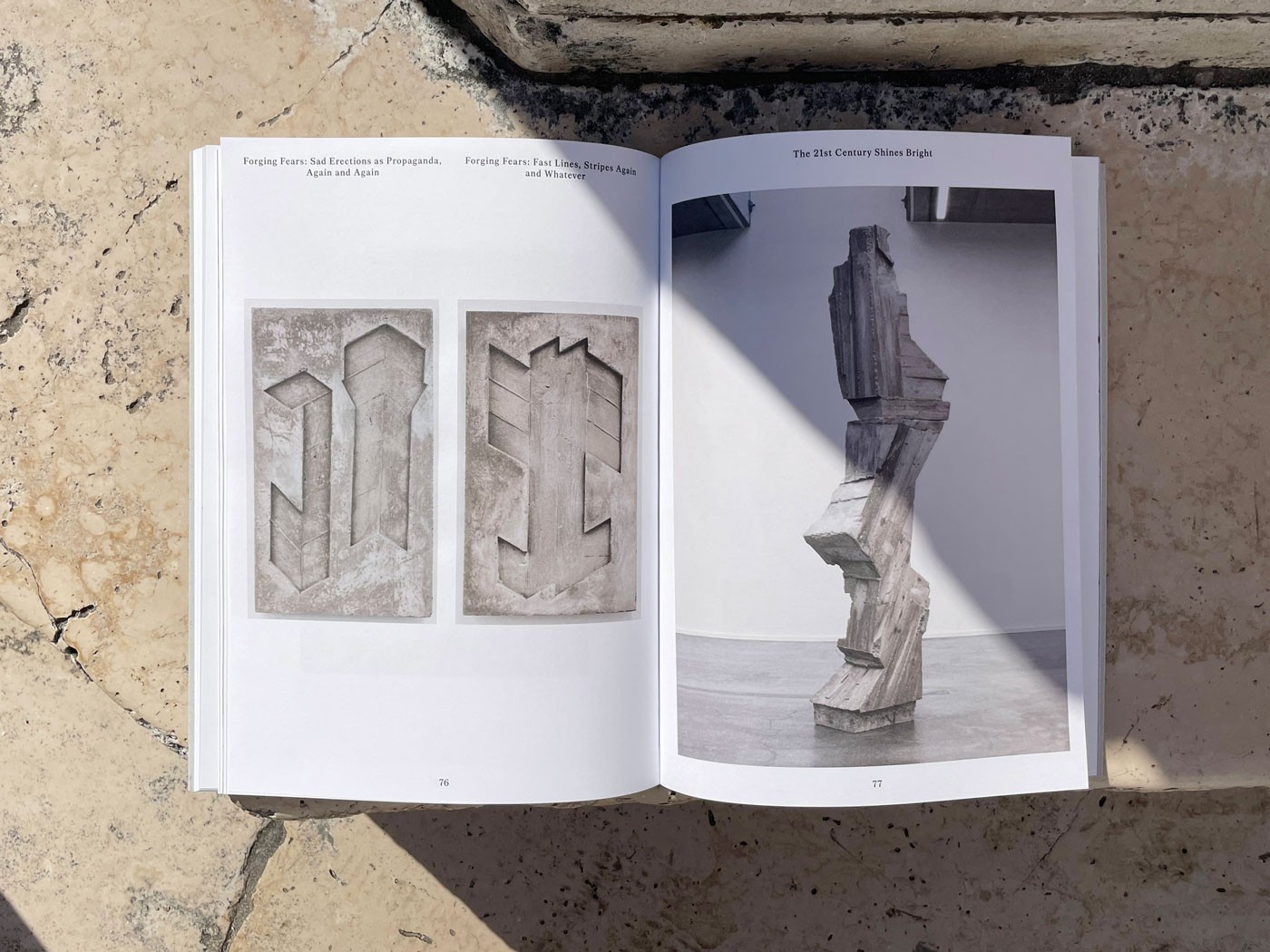
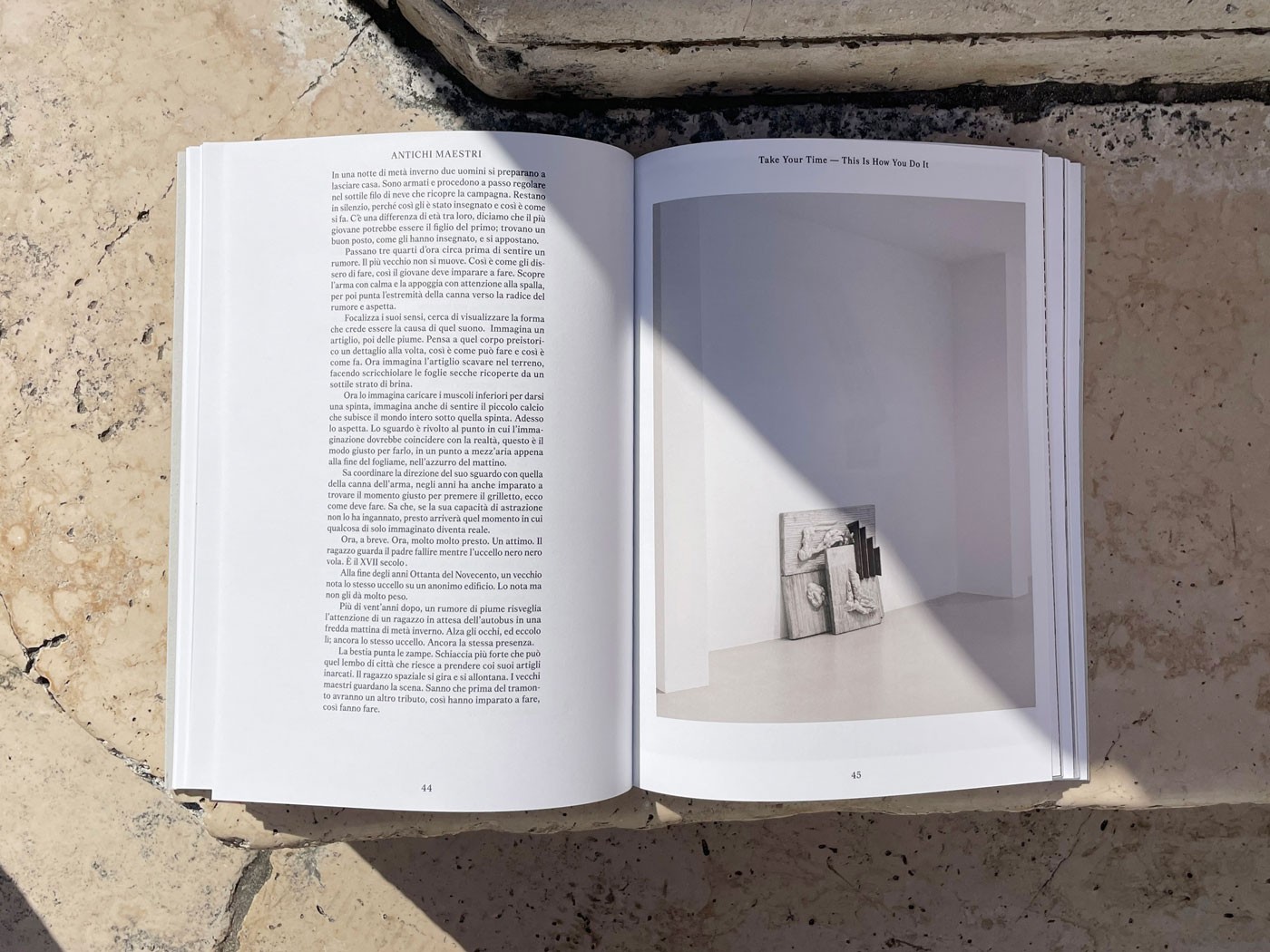
Pardon Façade documents the artistic output of Luca Monterastelli, showcasing almost all of the sculptures and installations that he produced between 2011 and 2022. With four chapters corresponding to four solo shows that he staged in Milan, Otegem, Antwerp and Naples, the architecture of the book is structured around the photographic documentation of these exhibitions, each introduced with a text written by the artist for the occasion. The centrality of Monterastelli’s writing to the book reflects his way of conceiving the medium of the personal exhibition as a specific narrative context, as a story that takes place between and with the works. This impulse of his towards a metaphorical and imaginary narrative is echoed by the eloquence of the titles of the works, which accompany the images in a story told across the pages.
Amid these four main groupings, we find images of individual works, some conceived for group shows, together with an essay by Martin Germann, a conversation between Matilde Guidelli-Guidi and the artist, and an introduction essay to Monterastelli’s oeuvre by Alessandro Rabottini.