This artist’s first monograph brings together sketches, documentation and installation shots, as well as an in-depth analysis of her practice. It highlights her process of making art, from the conception of an idea to the finished work, and from the deconstruction and re-assembling of her characters’ identities to the relentless creation of new worlds.
Published on the occasion of the first exhibition in Italy by Jenna Gribbon, staged at the Collezione Maramotti, Mirages showcases a wealth of images that highlight the fluid, sensual output of this artist who, in repeatedly portraying her wife, the musician Mackenzie Scott (aka TORRES), explores the implications inherent in seeing and being seen.
The catalogue of this ambitious project, held at the Centre d’Art Contemporain Genève in 2017, reflects on the centrality of writing in contemporary visual art practices. Documenting its slippages from printed matters to the digital realm, from voice modulations to its sculptural presence, this book celebrates the word in all its forms.
A book emerged from the need to try to tell the story of architecture in a way quite unlike how it’s usually told, in a continuous dialogue between the anthropological gaze of Armin Linke’s photos compared with the ideation process of two public works by the Carlana Mezzalira Pentimalli architecture office.
The book documents and brings together two exhibition projects by Nina Canell and Maria Hassabi. Essays, unpublished materials and a rich set of photographic materials form the driving force behind two visual narratives that offer new keys to understanding the research of the two artists.
Can art, literature, filmmaking, and music draw out, make visible, legible, audible, or even contestable the patterns in which our lives are held? Considering the work by Stan Douglas, Harun Farocki, Ingri Fiksdal, Åke Hodell, Stefan Panhans & Andrea Winkler, Susan Philipsz, and Elizabeth Price, this publication entertains this question.
Edited by Samson Young
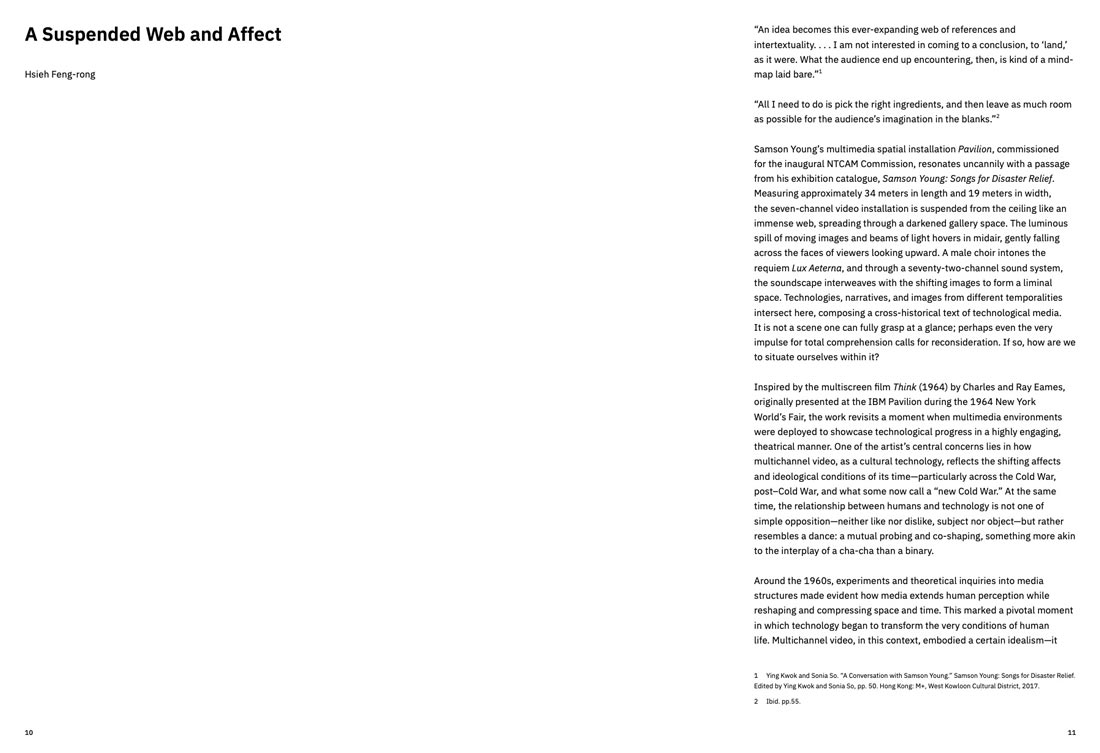
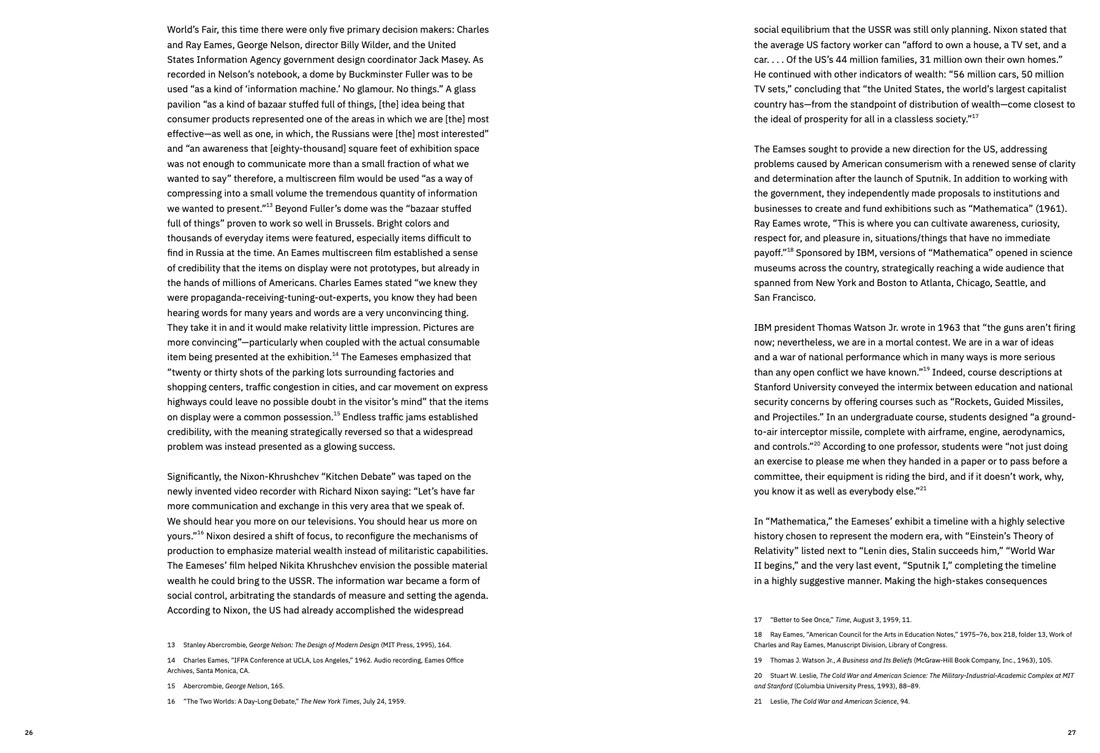
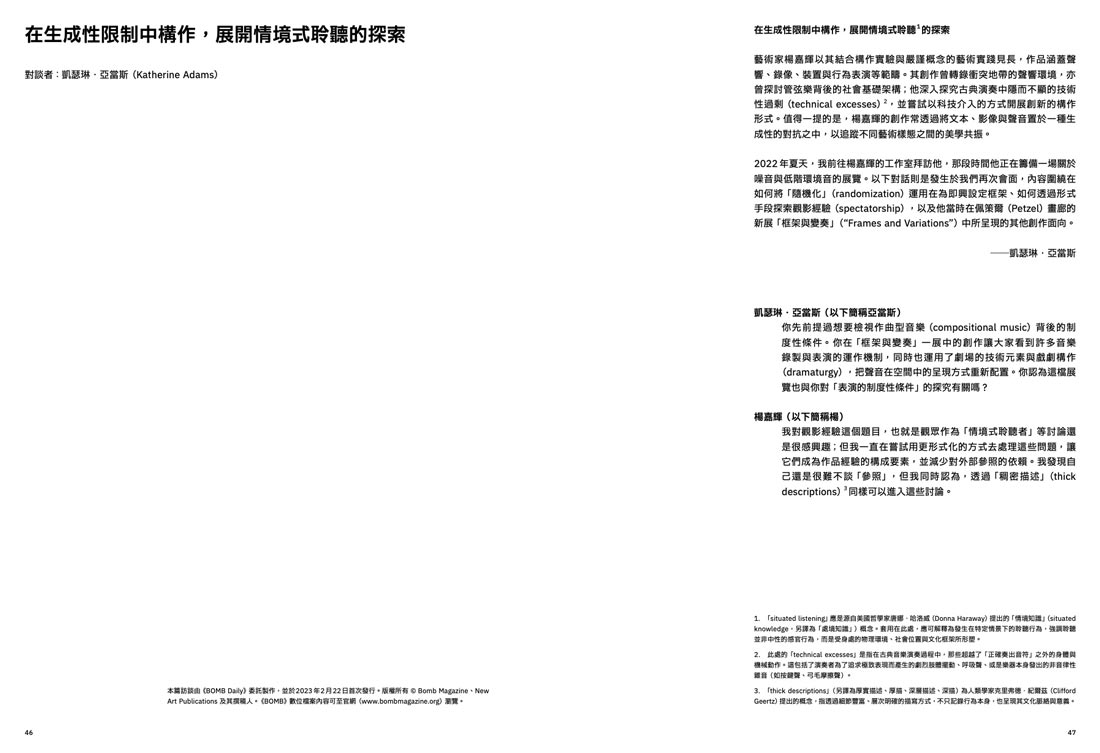
Texts by Eric Schuldenfrei, Hsieh Feng-rong, and Katherine Adams
Designed by Lin Guan-ming
Co-published with New Taipei City Art Museum
2026, English / Chinese, hardcover, 19 × 26 cm, 168 pages
ISBN 979-12-80579-97-3
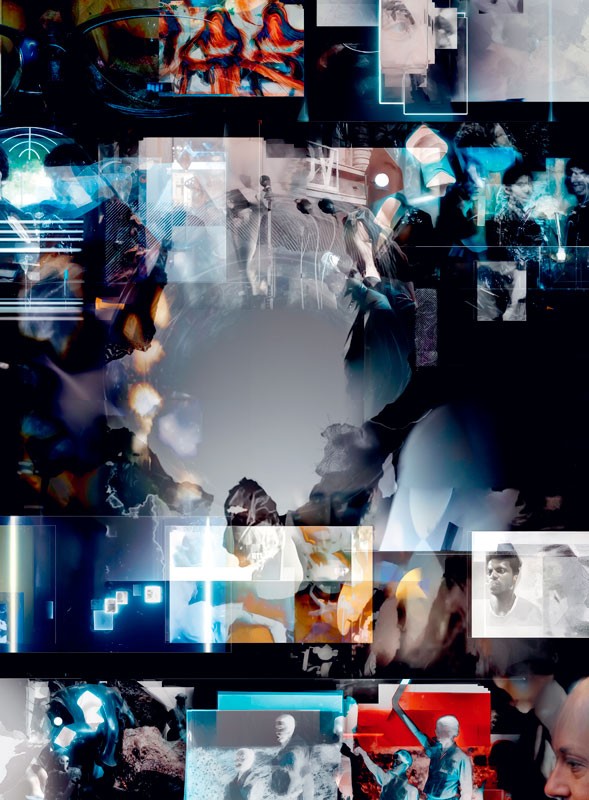
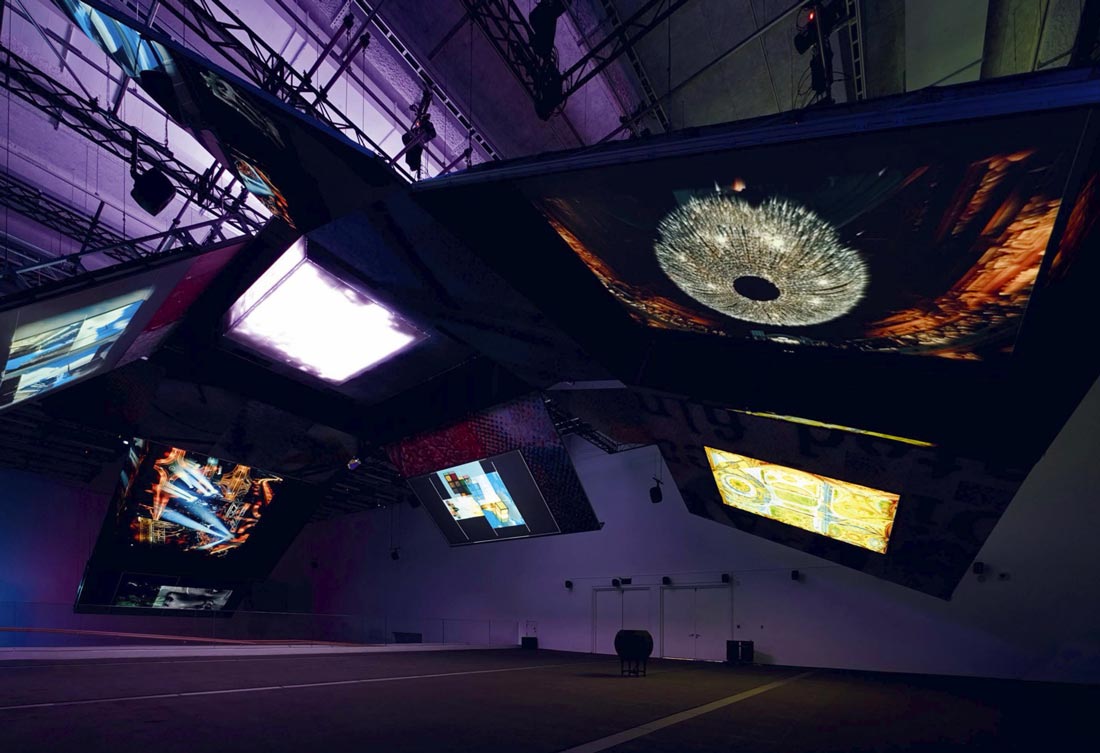
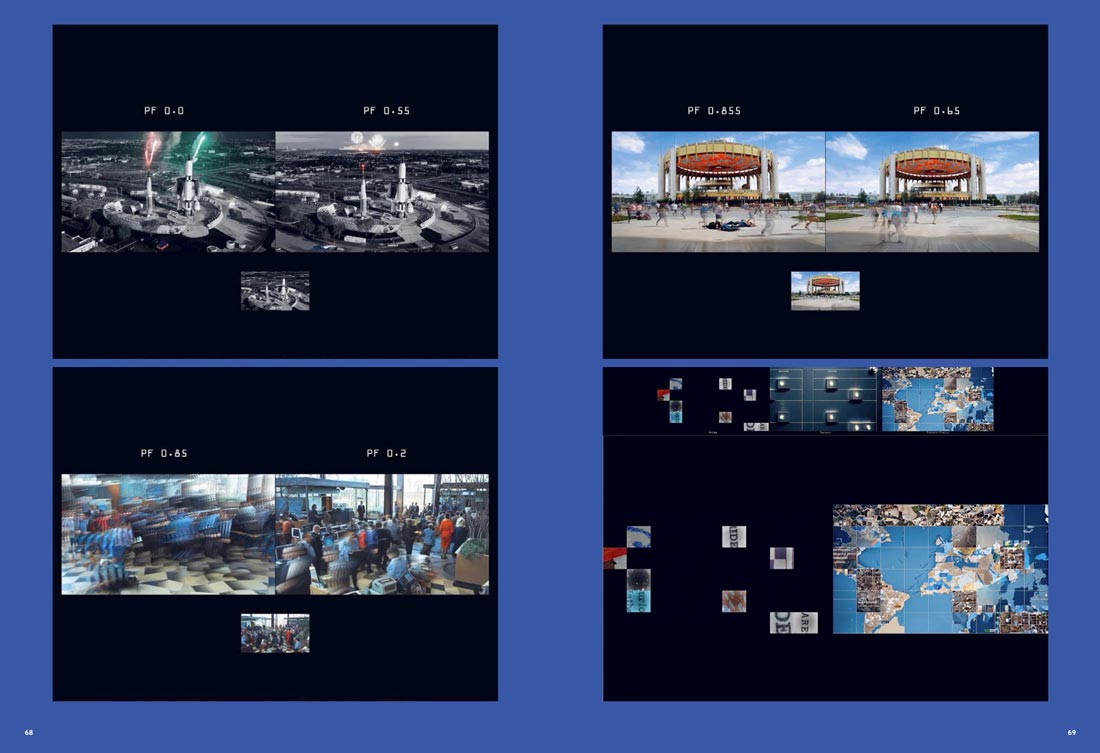
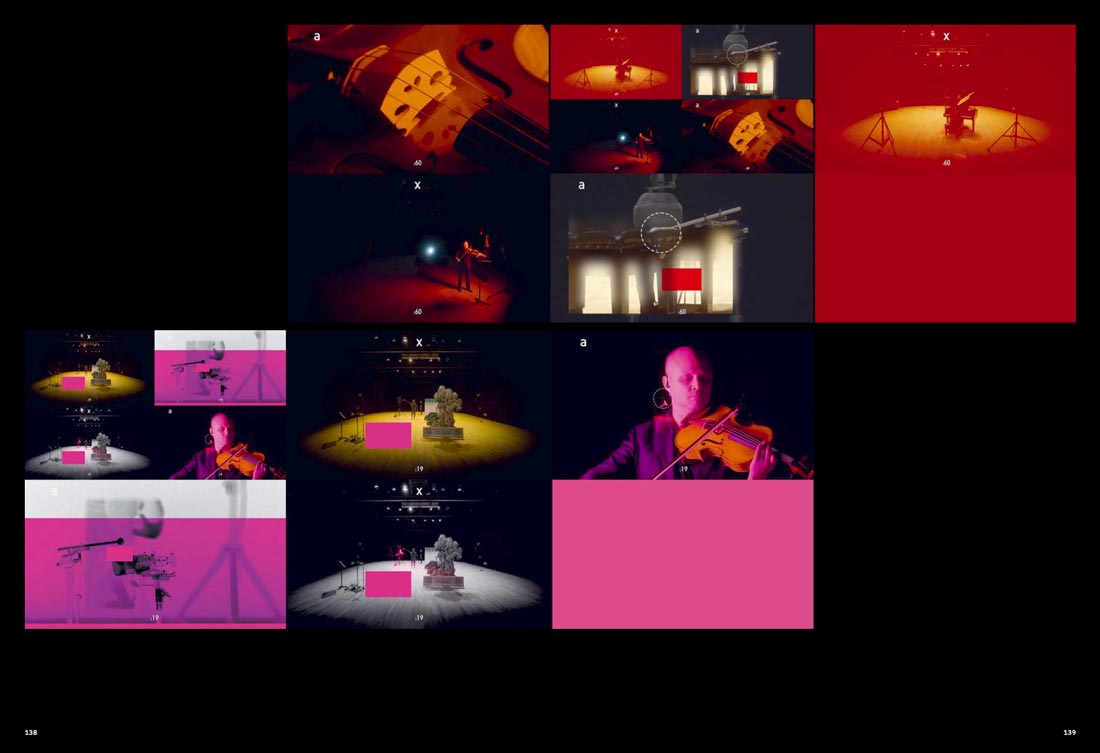
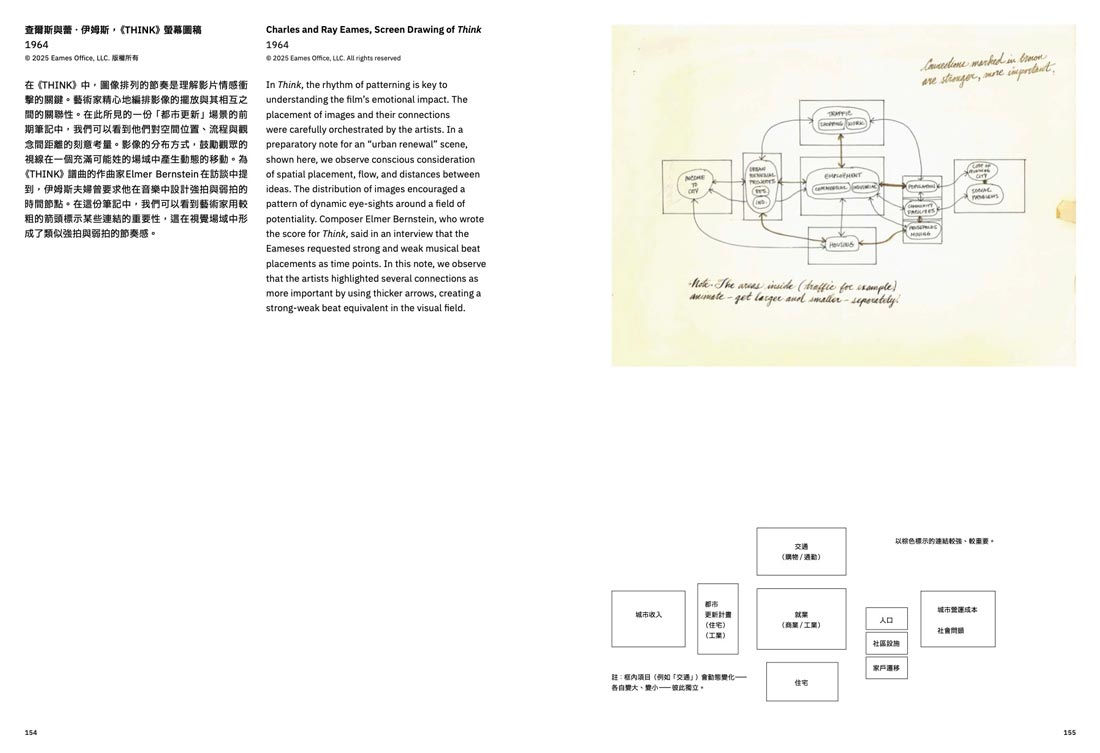
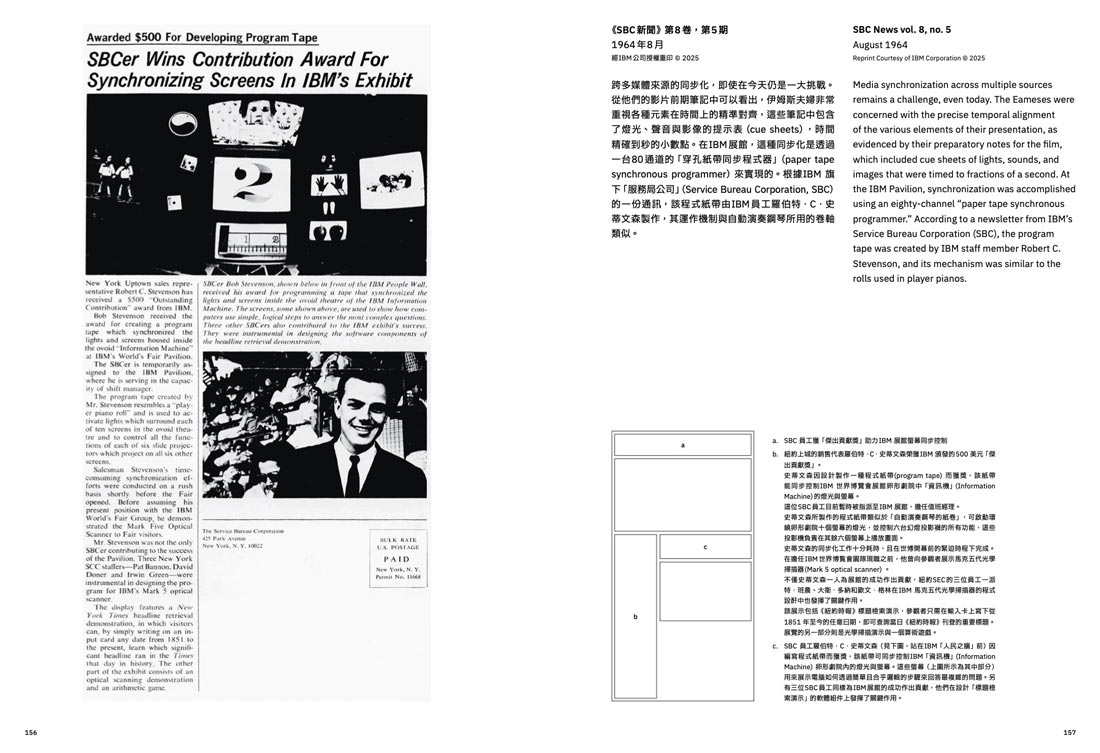
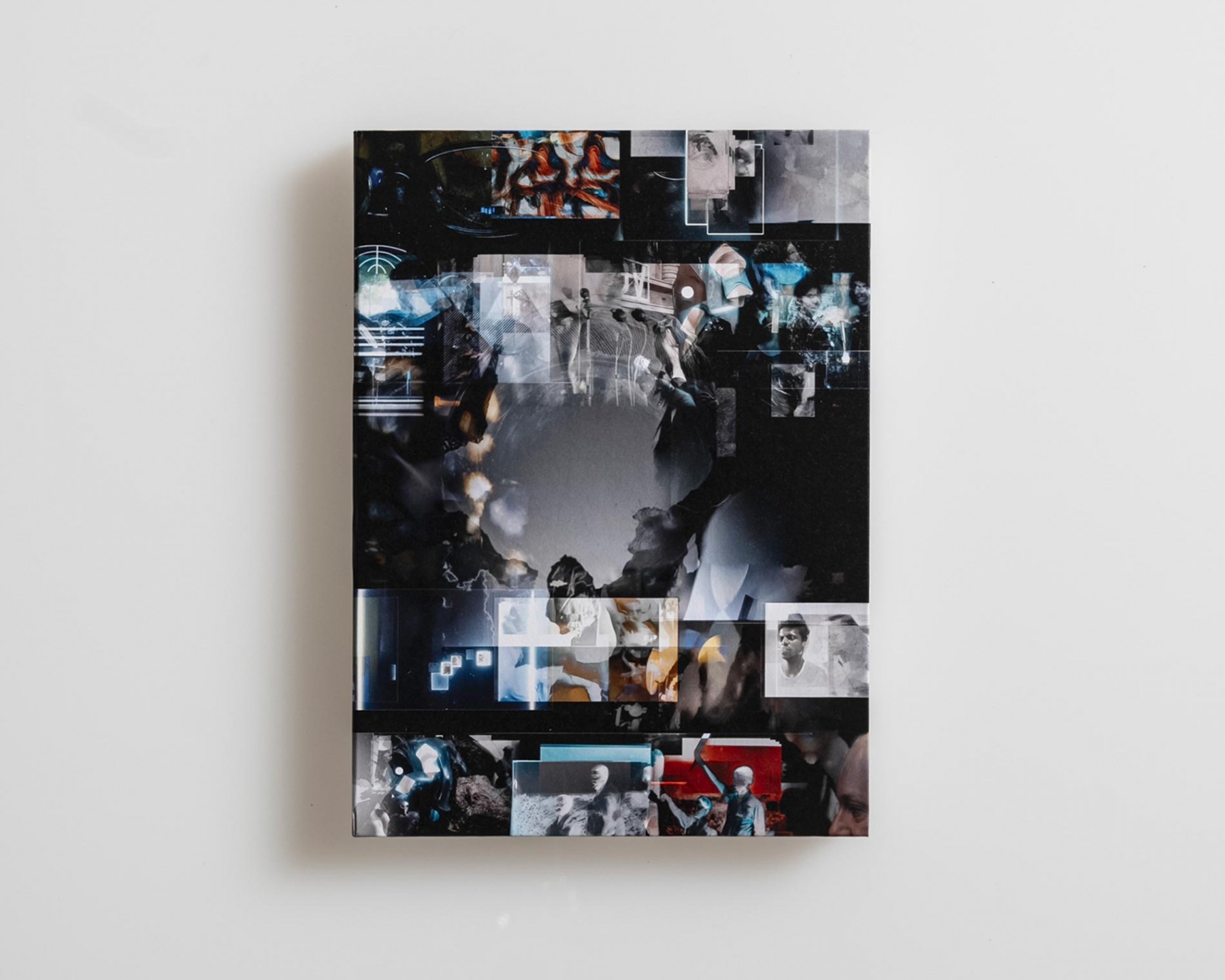
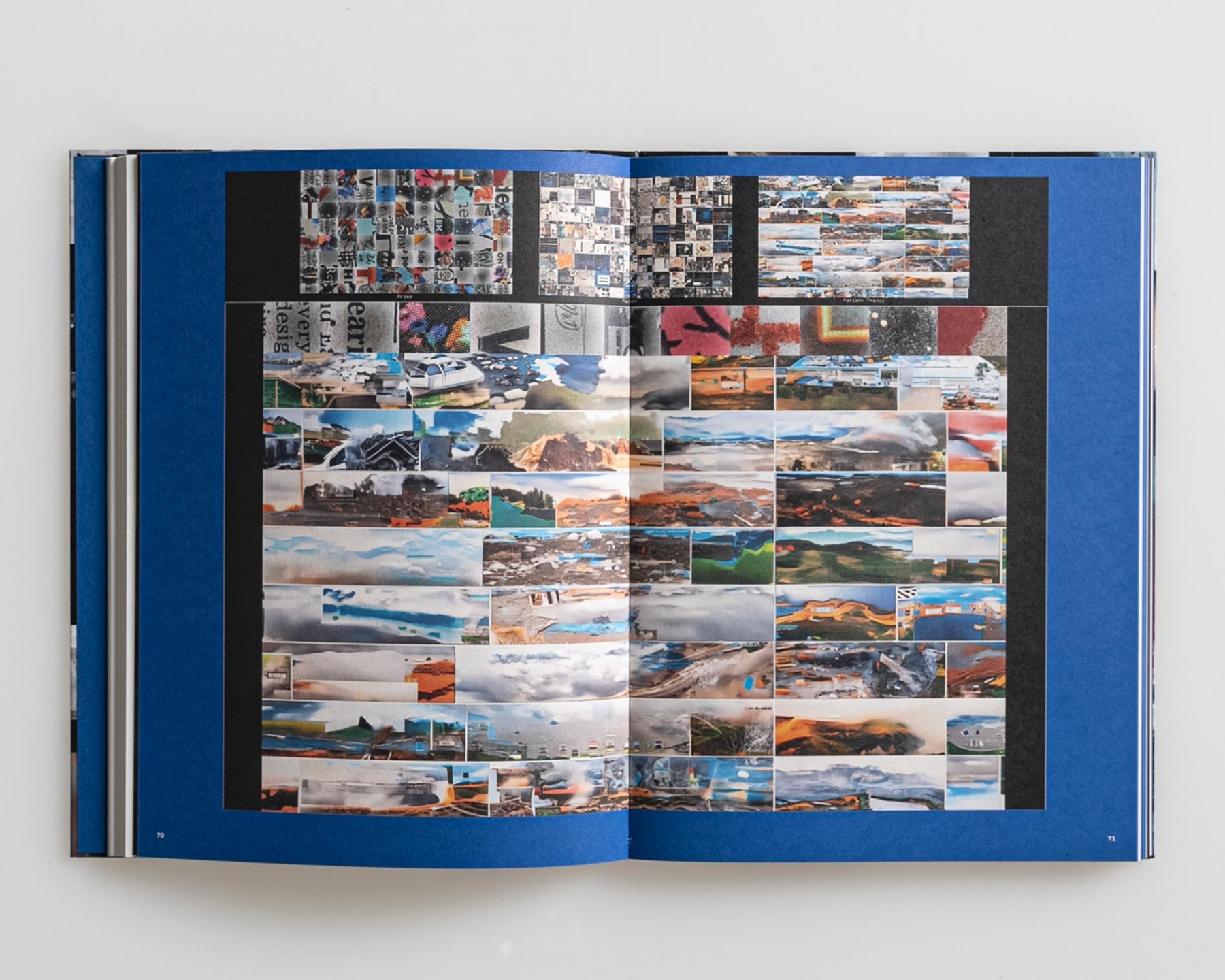
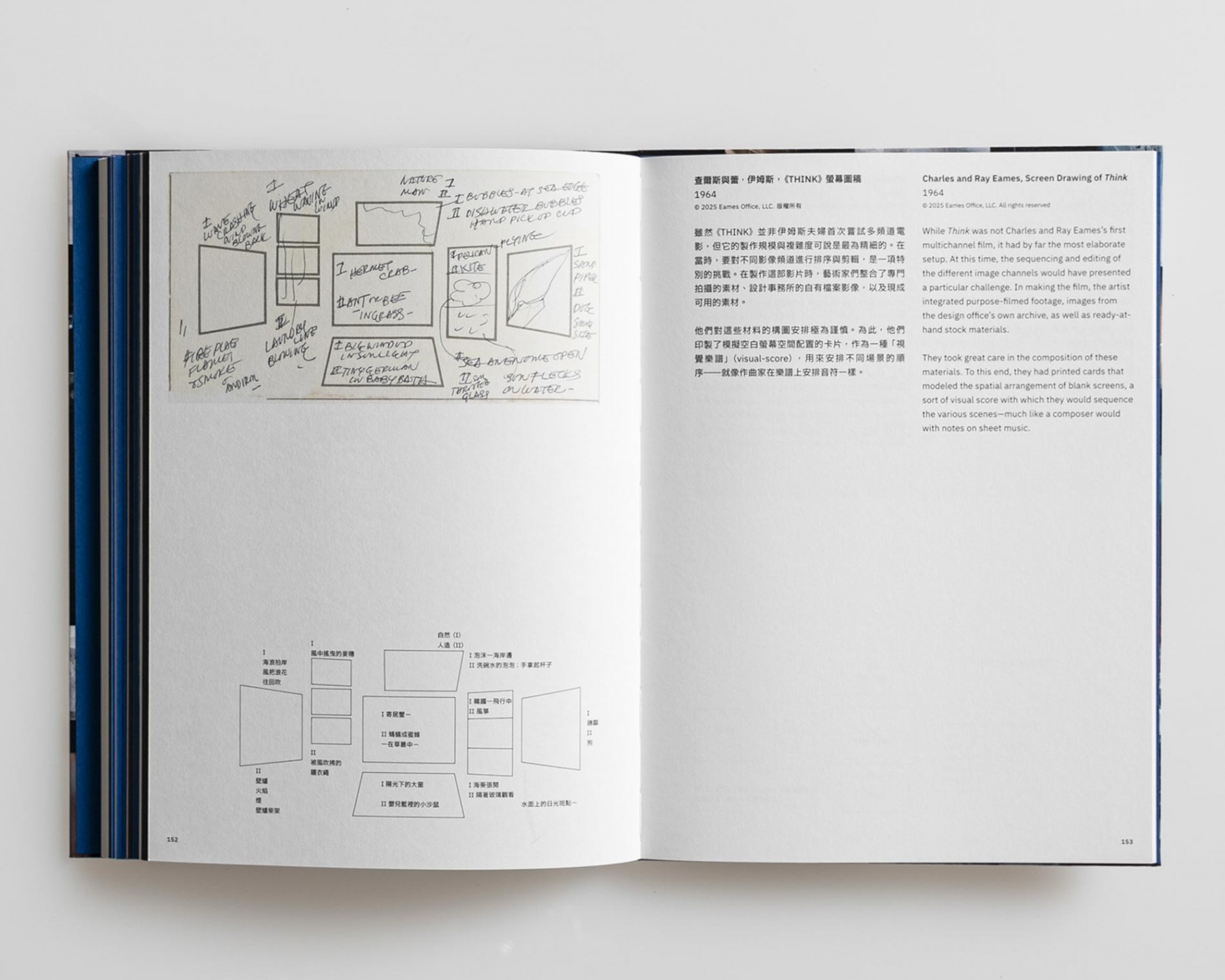
Pavilion by multimedia artist Samson Young explores the legacy of the film THINK, created by Charles and Ray Eames for the IBM Pavilion at the 1964 New York World’s Fair. At the dawn of the computer age, THINK pictured computers as models of how the human mind both receives and processes information, immersing audiences in a dynamic stream of images, sounds, and ideas. Taking as a point of departure THINK’s multiscreen setup and its distinctive orchestration of audio-visual rhythm, Pavilion revisits this early precursor to database cinema and reflects upon the optimism and apprehension that shaped its cultural context, at a time when generative AI has now exponentially increased the scale and speed of data patterning. Pavilion integrates filmed and archival material, and uses generative AI to composite footage iteratively. It features new choral compositions created by the artist for the occasion and performed by members of the Taipei Male Choir, presented in a multi-channel soundscape designed by Hsieh Hsien Te at the Taiwan Sound Lab.
This catalogue is published to coincide with the Pavilion exhibition, part of the NTCAM COMMISSION, a biennial commissioning program organized by the New Taipei City Art Museum. Each edition sees an internationally recognized artist or collective being invited to create new works specifically for one of the museum’s most challenging exhibition spaces.
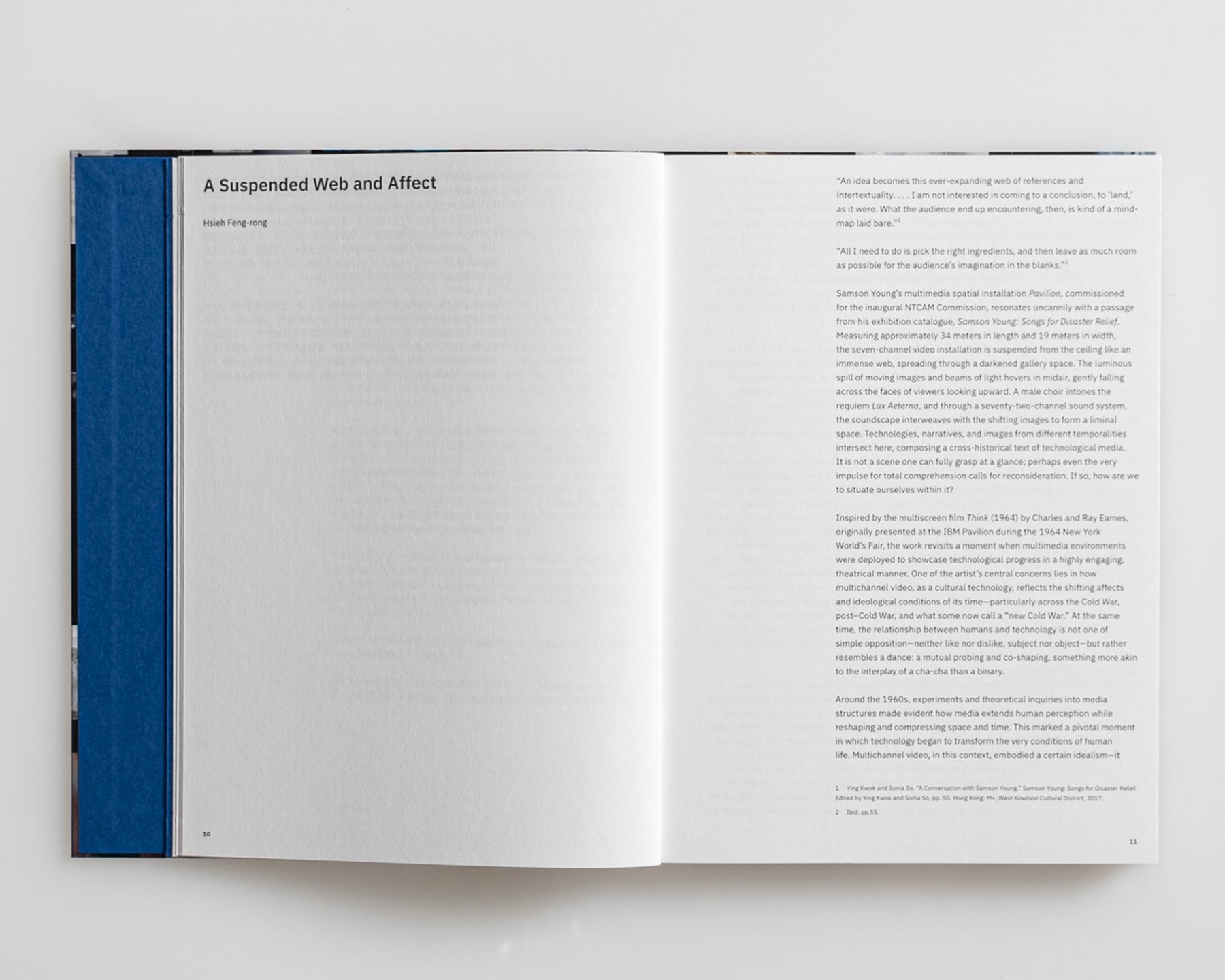
Bringing together new essays by curator Hsieh Feng-rong and architect-scholar Eric Schuldenfrei, author of the monograph The Films of Charles and Ray Eames, the volume also includes two interviews conducted by curator Katherine C. M. Adams. Focusing on the artist’s approach to chance operation and computation, these conversations offer further insight into the work.