A Cosmic Movie Camera is the title of the 18th edition of the BIM’24, which also marks the 50th anniversary of the Biennale organized by the Centre d’Art Contemporain Genève. By blending the real and the virtual, its catalogue captures the spirit of the exhibition, which explores the evolution of moving images, particularly in our algorithmic age.
The book seeks to define the contours of the obsession with the teenage years; a fixation that has shaped a significant strand of contemporary art over the last ten years. Adolescence is here understood as a state of mind, a prolonged condition that dissolves the transition into adulthood and becomes a critique of an unstable world.
In this multi-voiced book, starting from the Orobie Alpine range, the mountainside becomes an epistemological lens through which to interpret contemporaneity and address issues such as multi-species migrations, our relationship with geological time and intergenerational inheritance, and the rethinking of collective memories and rituals.
For years now, the Die Vier von der Tankstelle (Four from the Gas Station) have been roaming across an area stretching out to the south of the Baltic Sea. They prowl their way through sparsely populated areas, wantonly terrorizing the inhabitants. The 2026 calendar by Jos de Gruyter and Harald Thys bears witness to their presence.
The first monograph dedicated to Lorenza Longhi, published with the Kunst Museum Winterthur, adopts a format associated with prototypes, manuals, or working documents. Its irregularities reflect Longhi’s ongoing examination of value, functionality, and the aesthetics of the everyday.
This publication is an extensive monograph devoted to the work of Carlos Bunga, published in conjunction with his eponymous show at CAM – Gulbenkian. In addition to a number of essays, which offer an in-depth look at his multifaceted practice, the book contains previously unpublished photos that reveal his working process.
Edited by Samson Young
Texts by Eric Schuldenfrei, Hsieh Feng-rong, and Katherine Adams
Designed by Lin Guan-ming
Co-published with New Taipei City Art Museum
2026, English / Chinese, hardcover, 19 × 26 cm, 168 pages
ISBN 979-12-80579-97-3
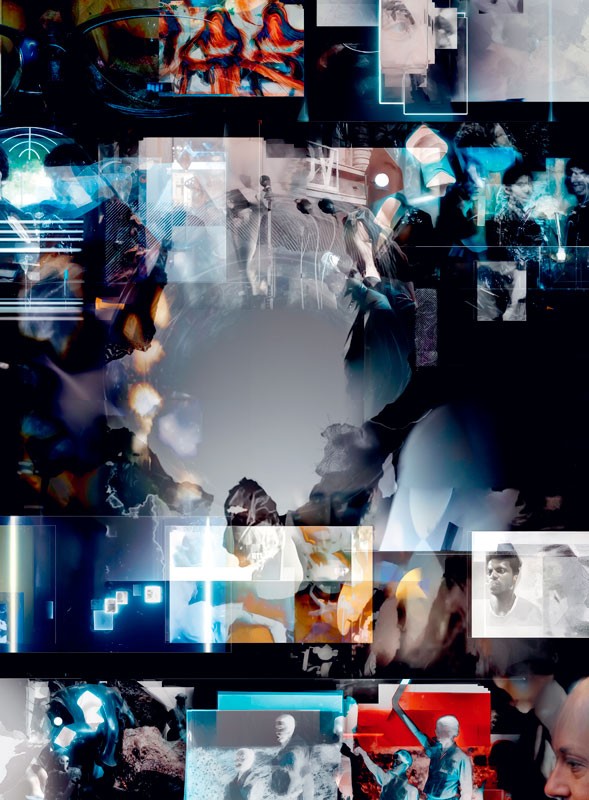
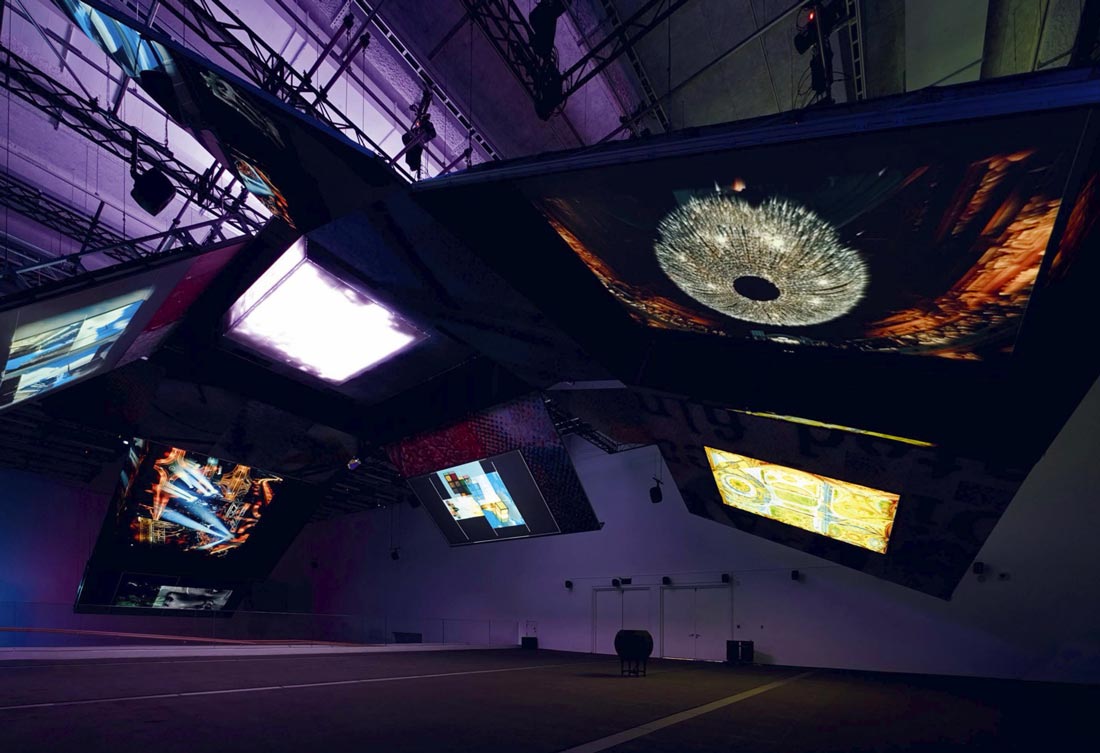
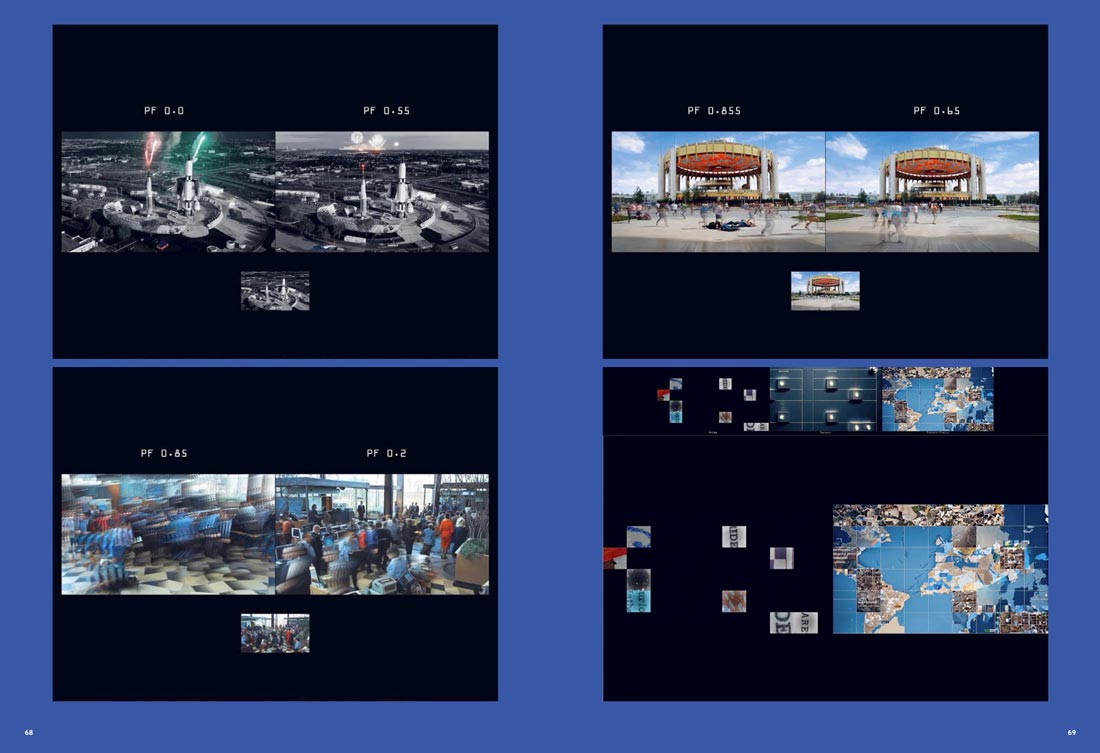
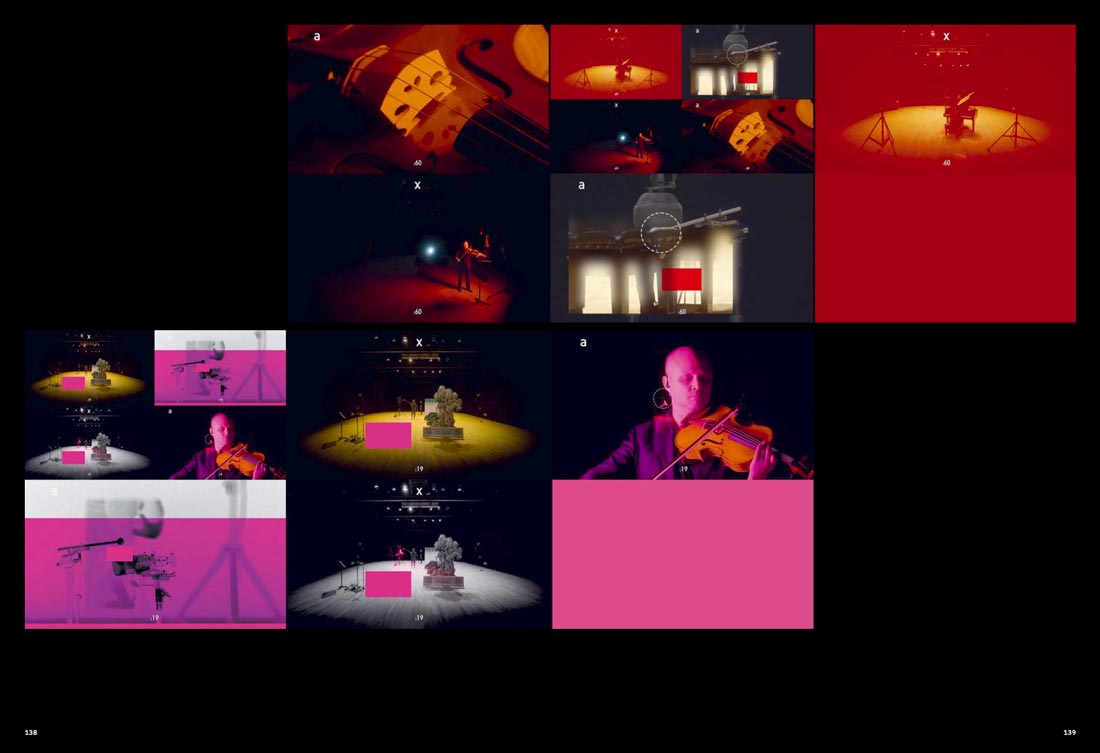
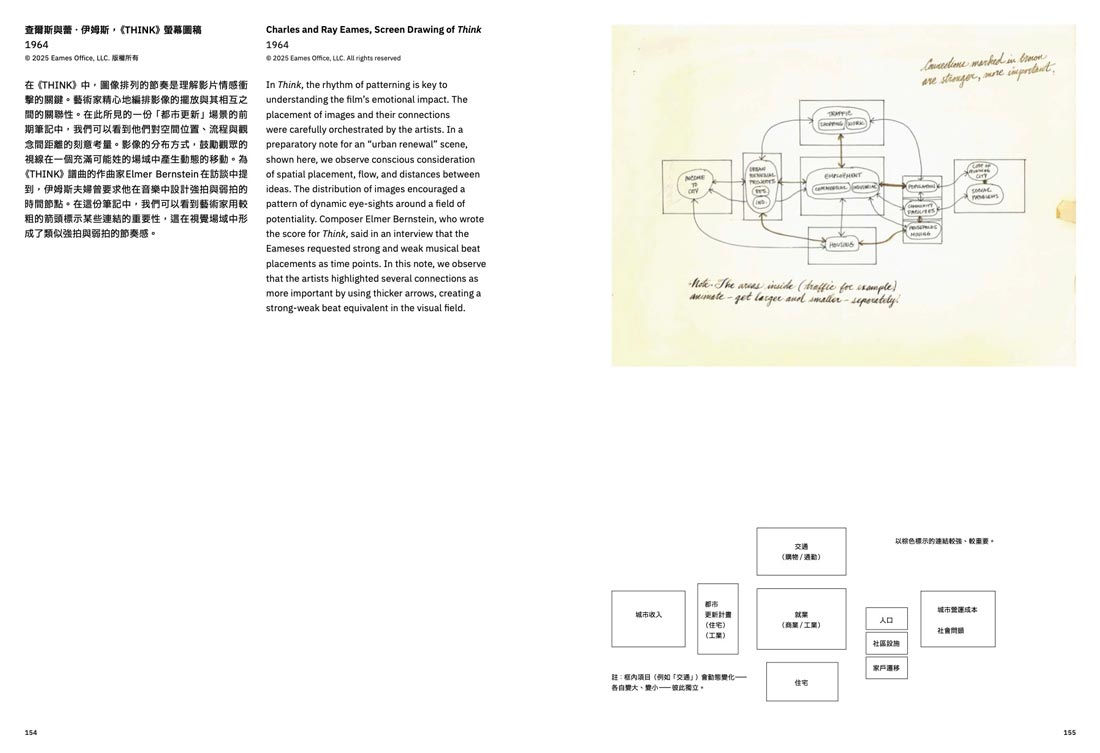
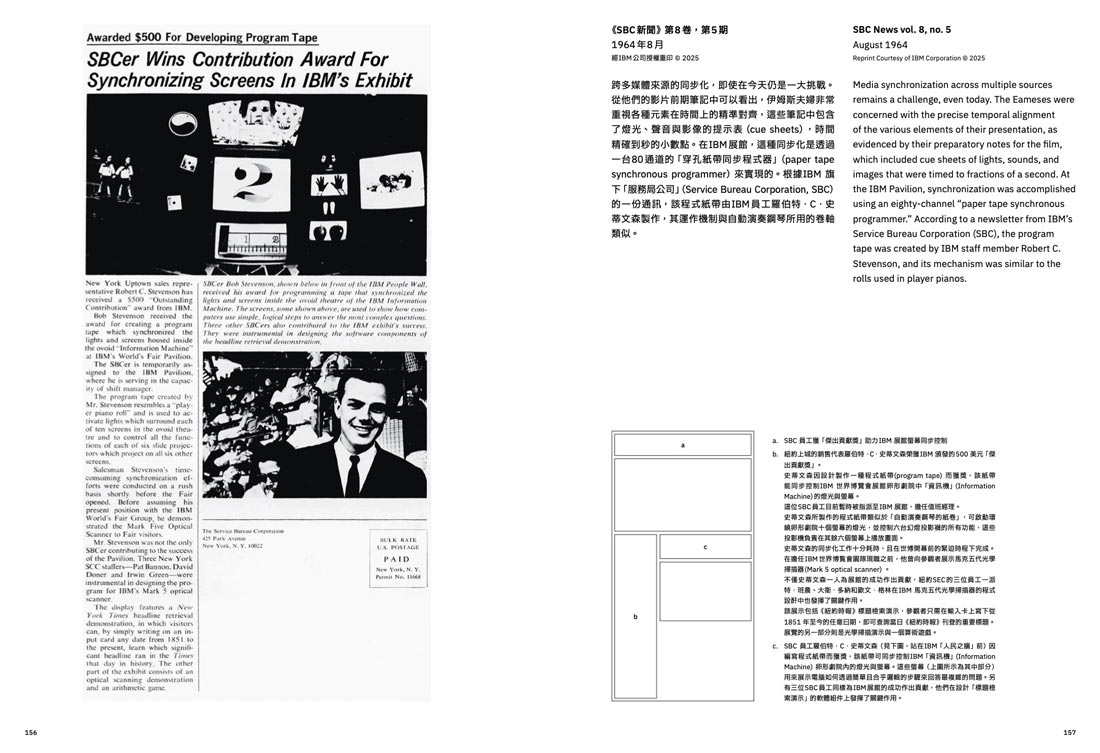
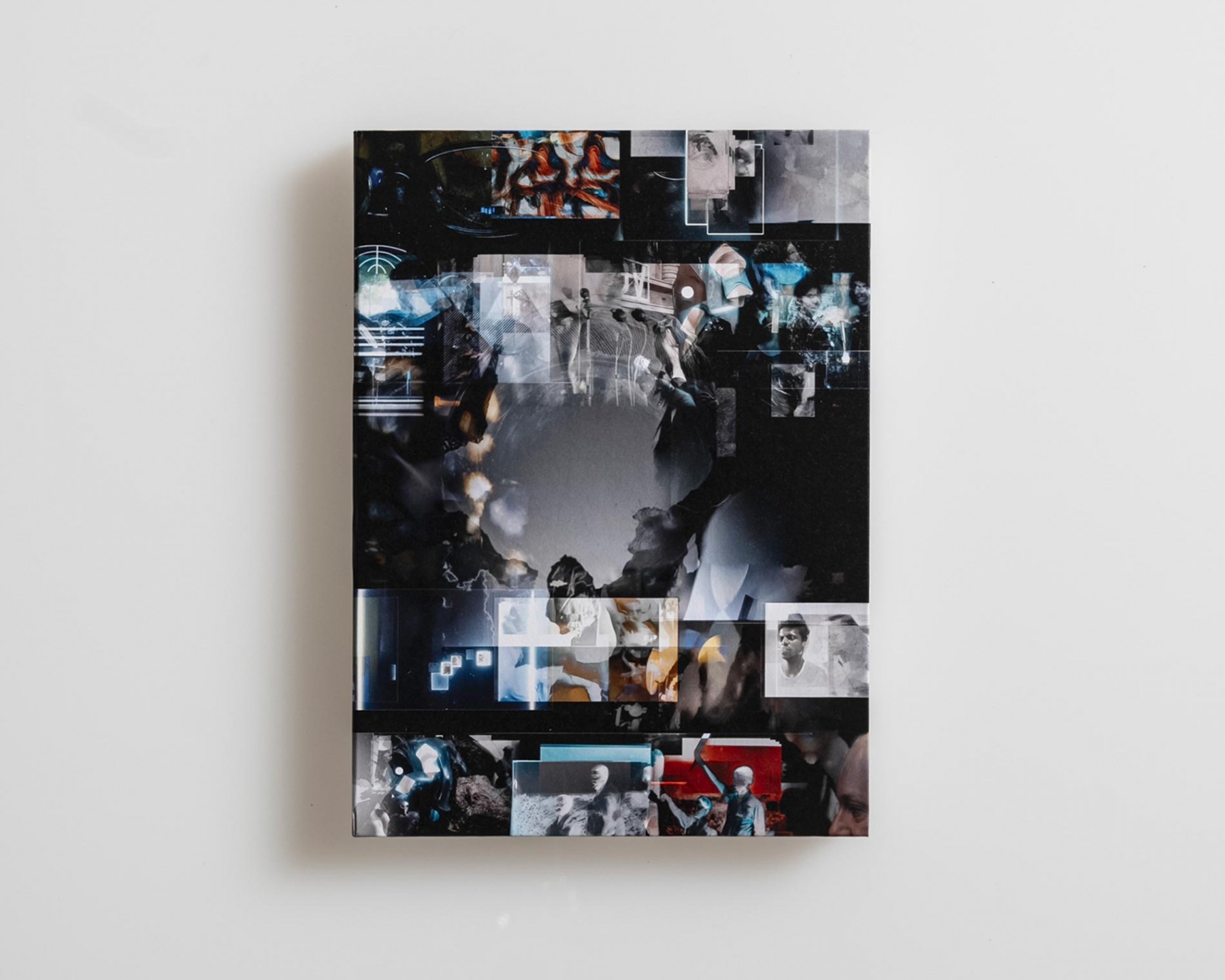
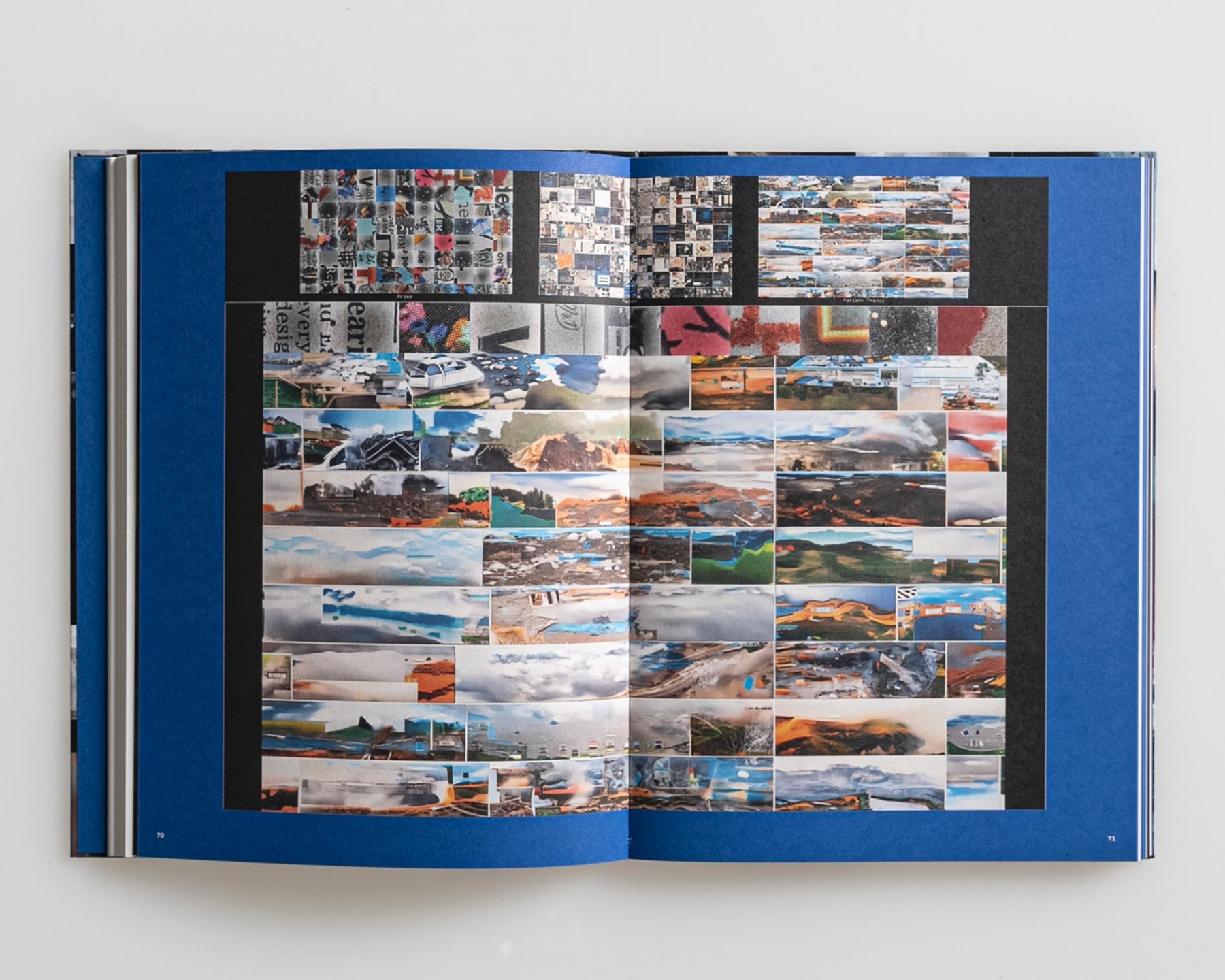
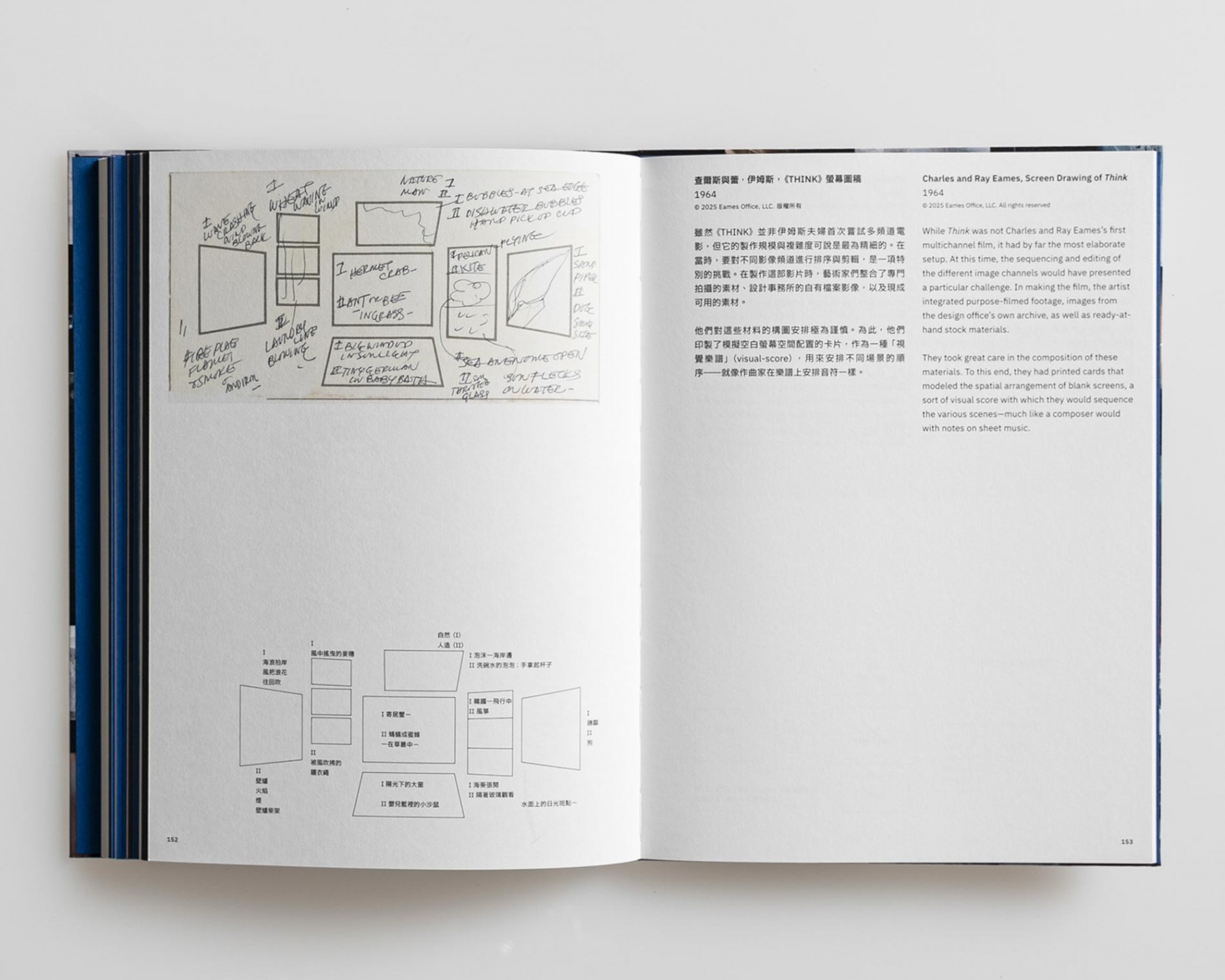
Pavilion by multimedia artist Samson Young explores the legacy of the film THINK, created by Charles and Ray Eames for the IBM Pavilion at the 1964 New York World’s Fair. At the dawn of the computer age, THINK pictured computers as models of how the human mind both receives and processes information, immersing audiences in a dynamic stream of images, sounds, and ideas. Taking as a point of departure THINK’s multiscreen setup and its distinctive orchestration of audio-visual rhythm, Pavilion revisits this early precursor to database cinema and reflects upon the optimism and apprehension that shaped its cultural context, at a time when generative AI has now exponentially increased the scale and speed of data patterning. Pavilion integrates filmed and archival material, and uses generative AI to composite footage iteratively. It features new choral compositions created by the artist for the occasion and performed by members of the Taipei Male Choir, presented in a multi-channel soundscape designed by Hsieh Hsien Te at the Taiwan Sound Lab.
This catalogue is published to coincide with the Pavilion exhibition, part of the NTCAM COMMISSION, a biennial commissioning program organized by the New Taipei City Art Museum. Each edition sees an internationally recognized artist or collective being invited to create new works specifically for one of the museum’s most challenging exhibition spaces.
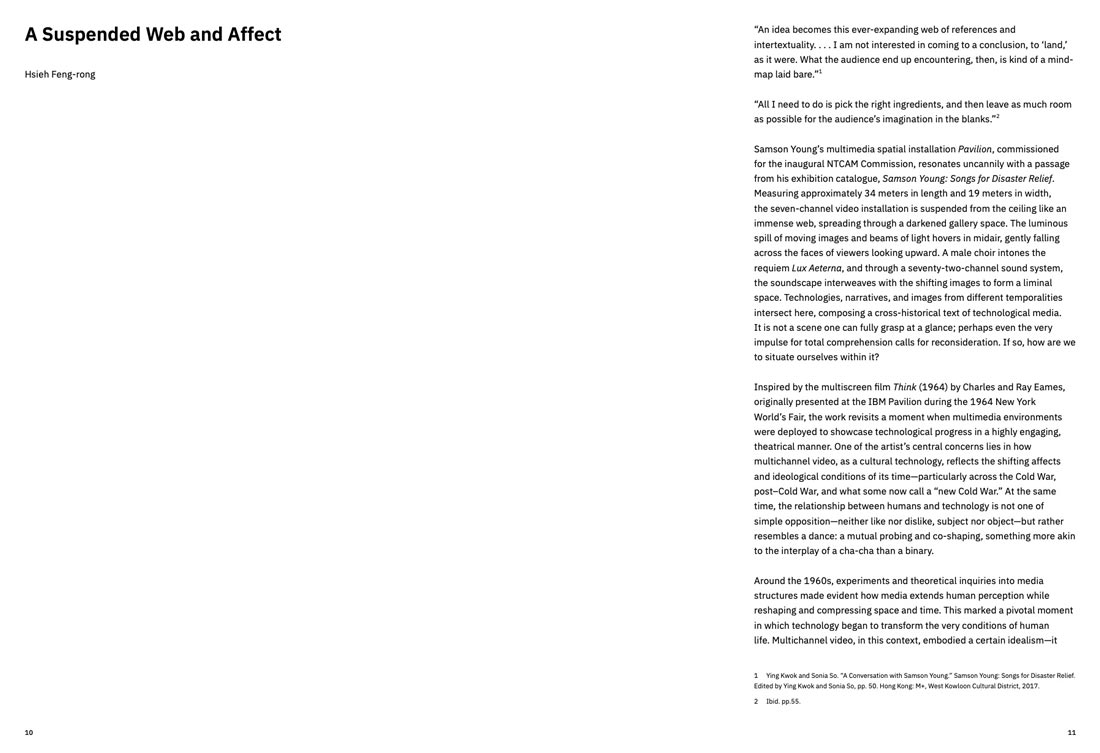
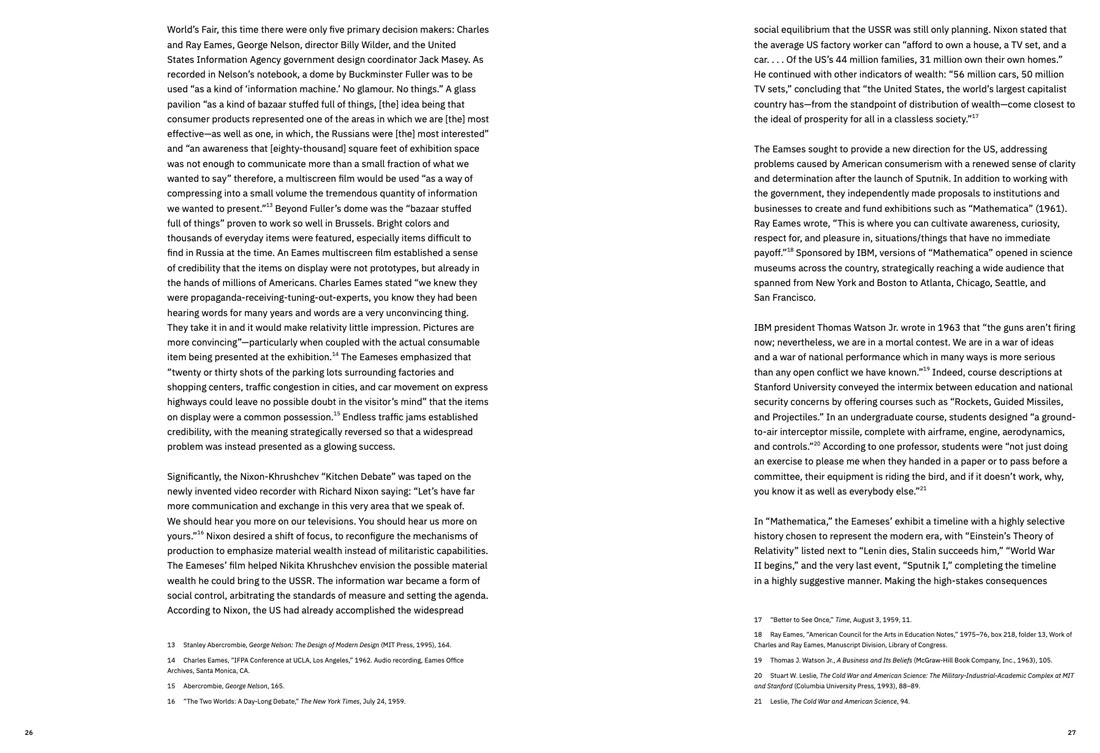
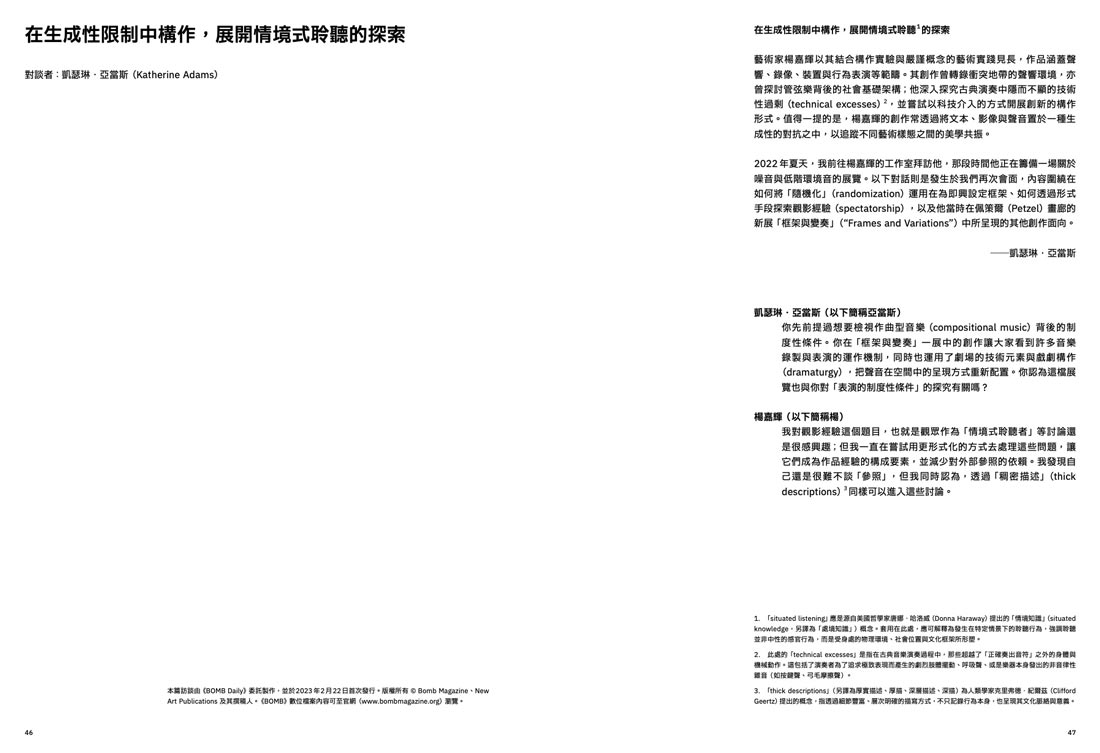
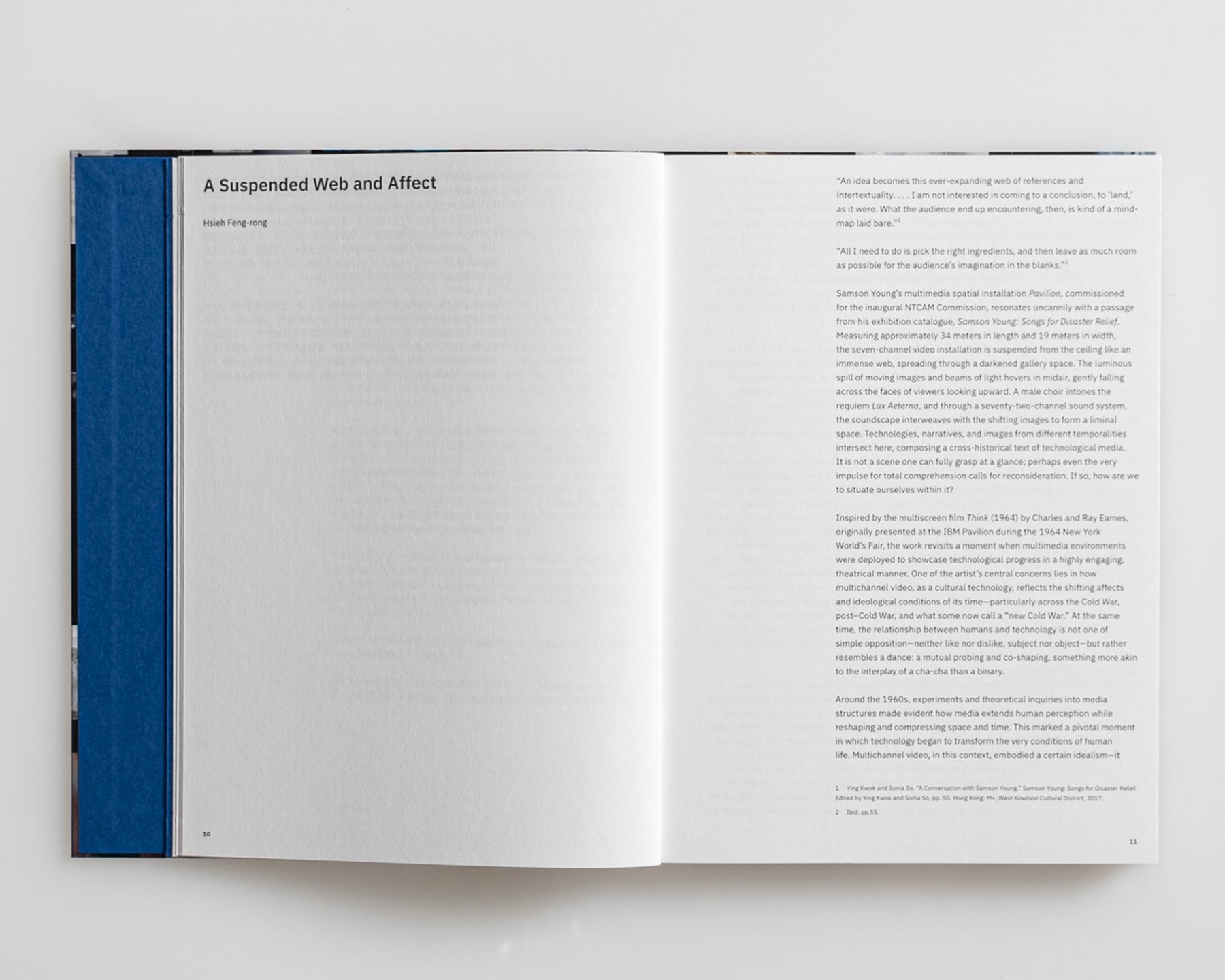
Bringing together new essays by curator Hsieh Feng-rong and architect-scholar Eric Schuldenfrei, author of the monograph The Films of Charles and Ray Eames, the volume also includes two interviews conducted by curator Katherine C. M. Adams. Focusing on the artist’s approach to chance operation and computation, these conversations offer further insight into the work.