This new major monographic publication on the Ghanian artist documents the work that transformed sites and repurposed buildings in his native town of Tamale to transformative outcomes rooted into the idea of art as a tool of understanding, rebalancing, and advancement.
For life and limbs, Austrian artist and curator Anna-Sophie Berger has assembled a group of works, from Arakawa and Gins to Lyle Ashton Harris, that register the body as a habitat that can be imaginatively stretched, altered, modified, adorned, replicated or destroyed.
This two-volume catalog, curated by Andrea Bellini and the New York-based collective DIS, is the outcome of the 2021 edition of the Biennale de l’Image en Mouvement (BIM’21), presented at the Centre d’Art Contemporain Genève.
Christian Frosi was long considered one of the most inspiring and promising Italian artists debuting in the early 2000s. That is until just over ten years into his career, when he decided to make himself unreachable and remove himself from art history, its customs and figures.
Featuring new contributions by Sitara Abuzar Ghaznawi and a wealth of commissioned texts and writings, this book is conceived as a continuation of the exhibition held at Cabaret Voltaire, Zurich and, in a modified form, at Swiss Institute, New York.
In a context in which institutions are facing a surge of public scrutiny, the publication revisits the artistic practice of institutional critique to ask what it means today, and to consider its ability to respond to the urgent social, political, and economic issues of our time.
Edited by Alison Coplan
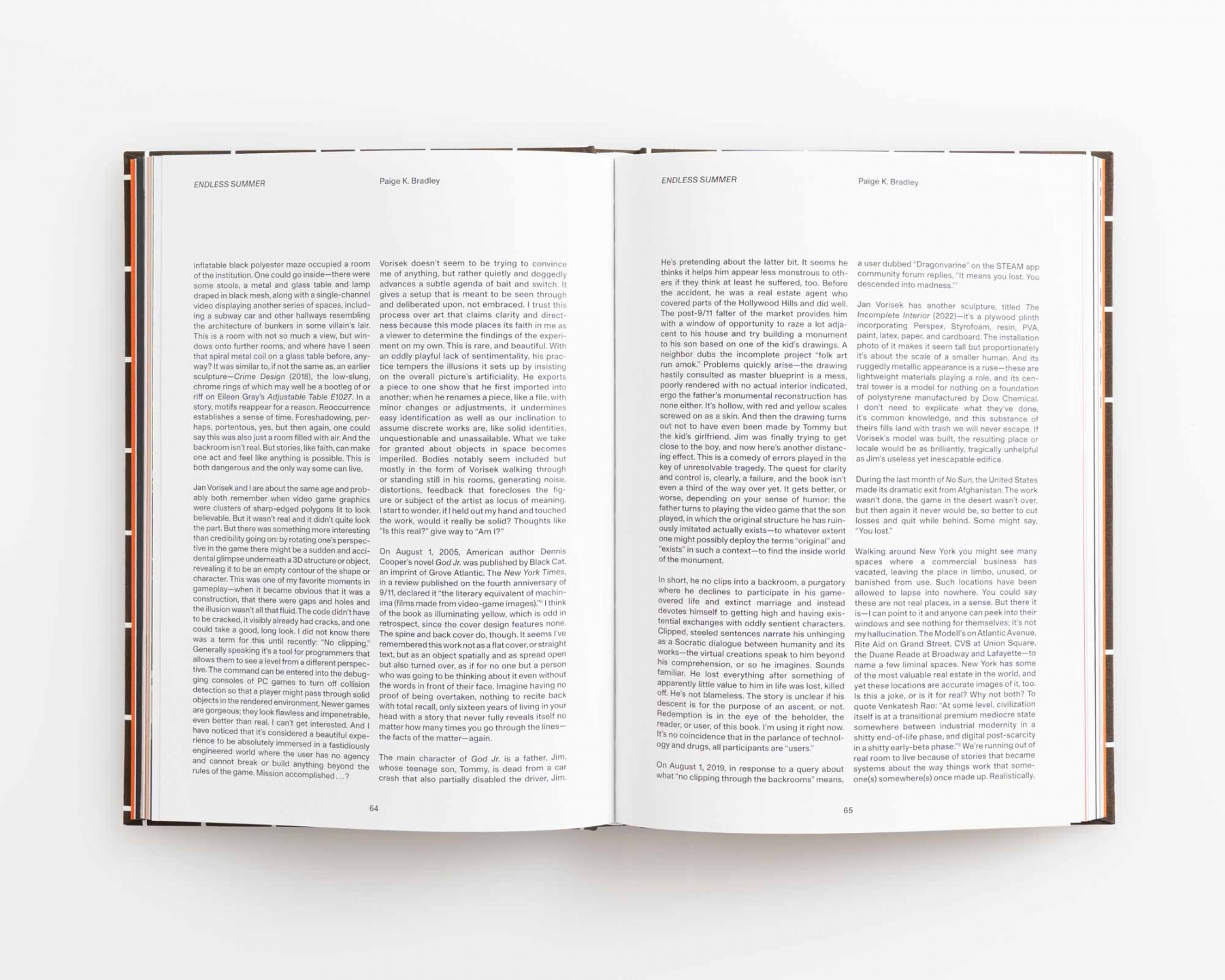
Texts by Brit Barton, Paige K. Bradley, Elisa R. Linn, Tyler Maxin
Designed by Pacific
2025, English, hardcover, 28.5 x 20.5 cm, 184 pages
ISBN 979-12-80579-71-3
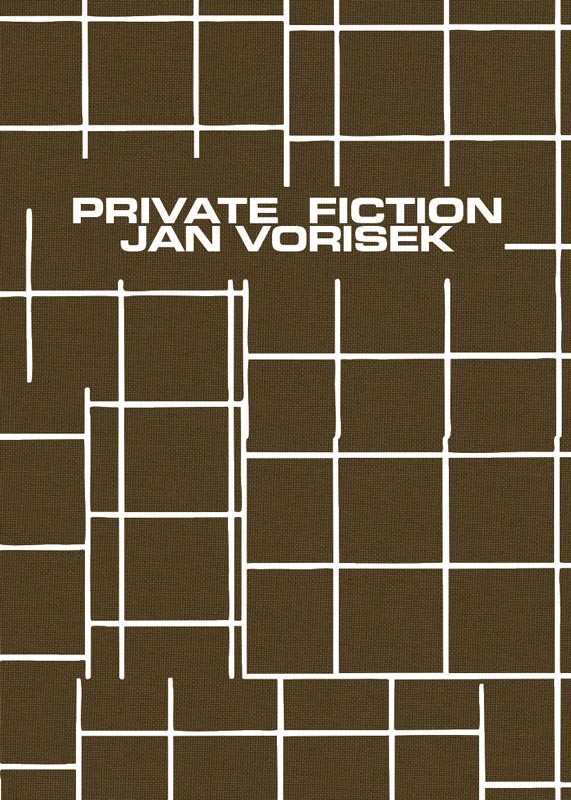
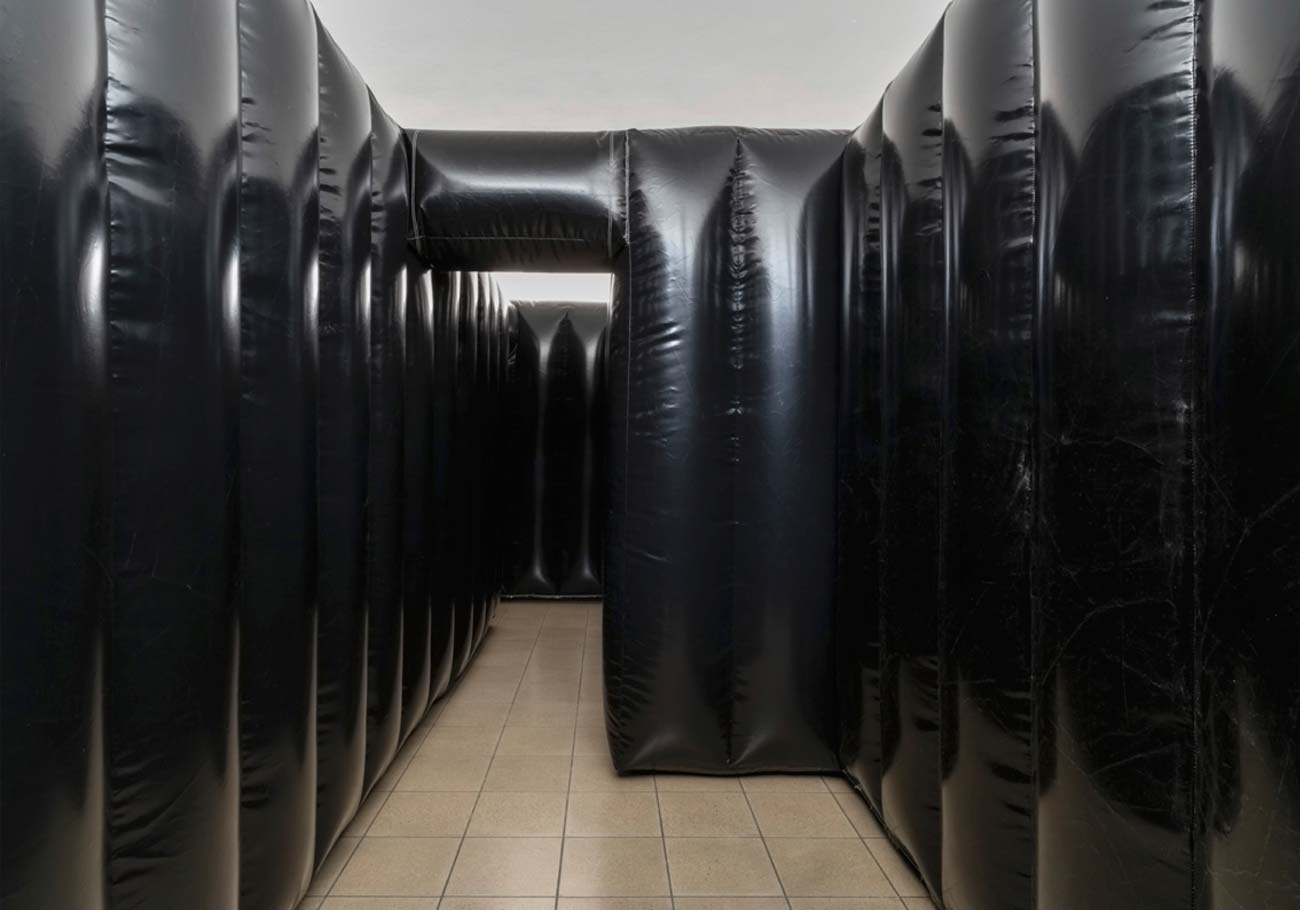
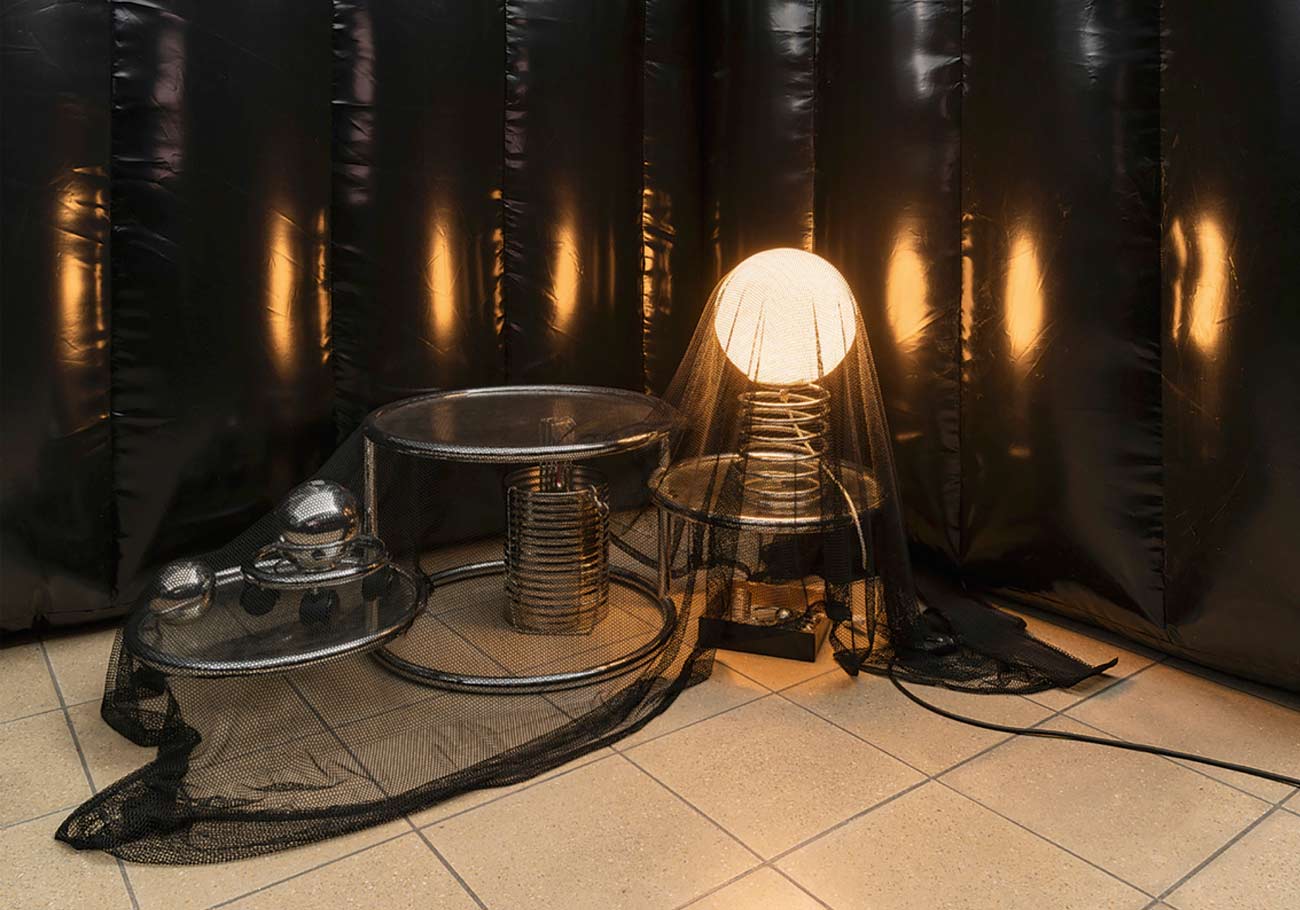
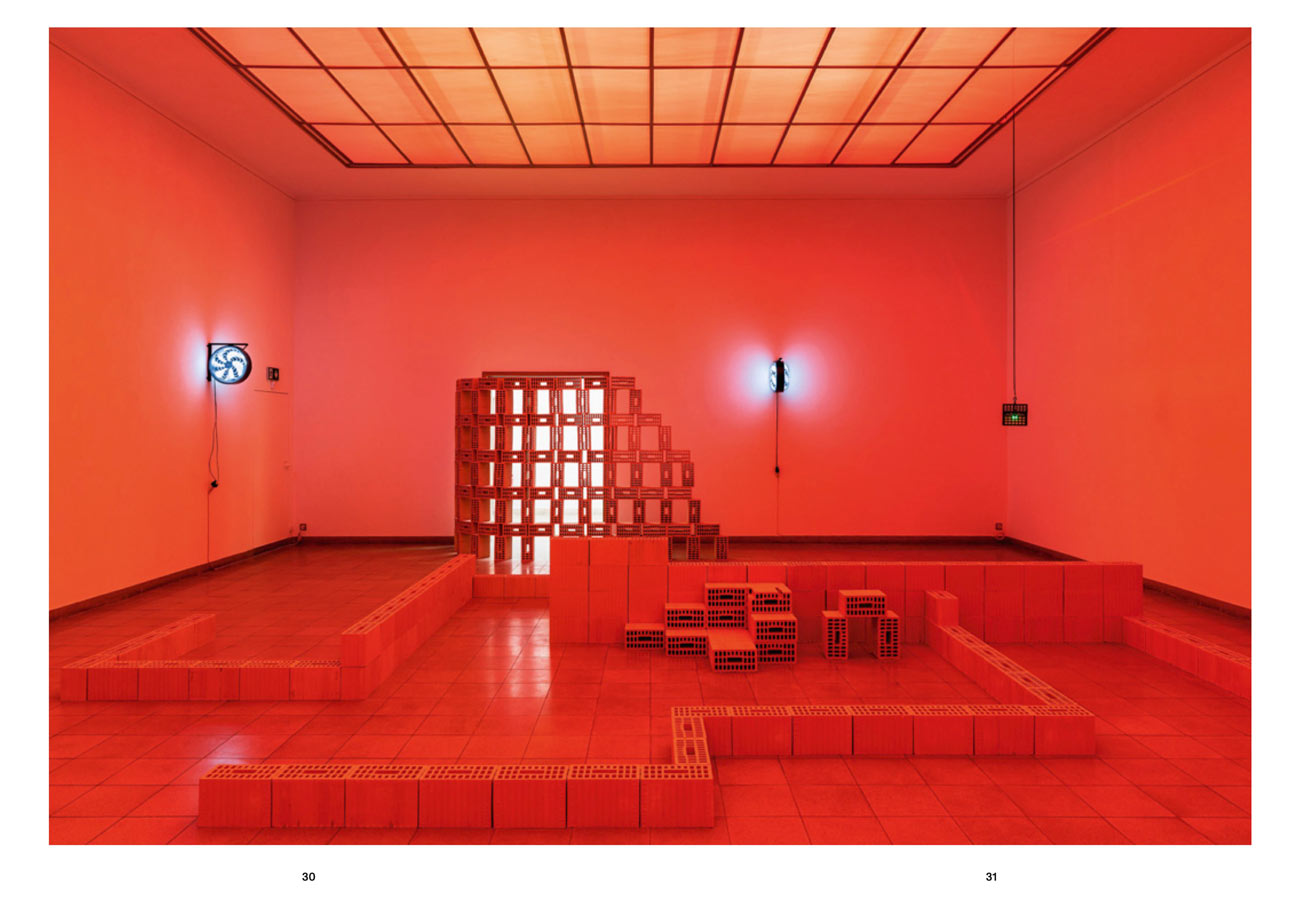
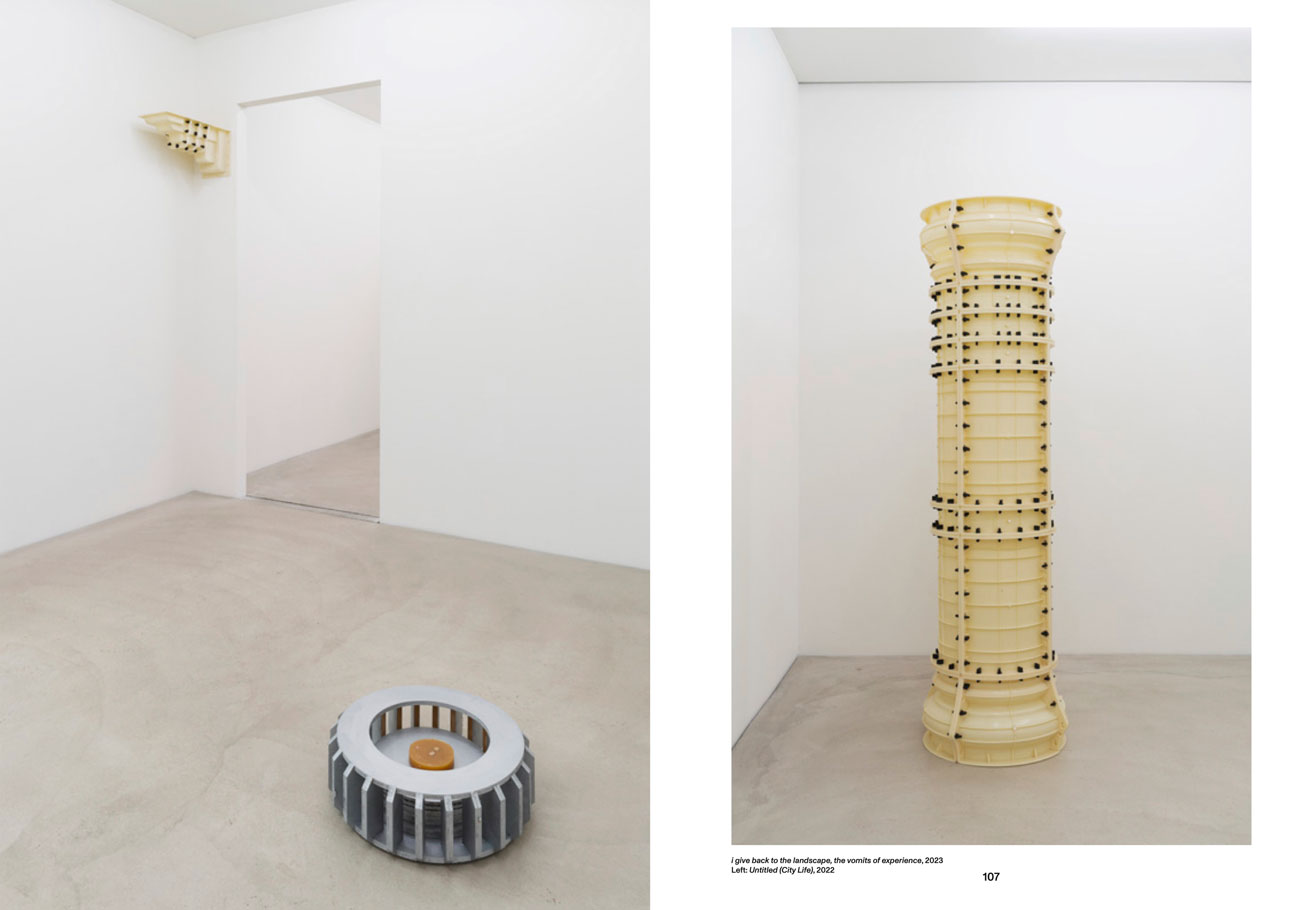
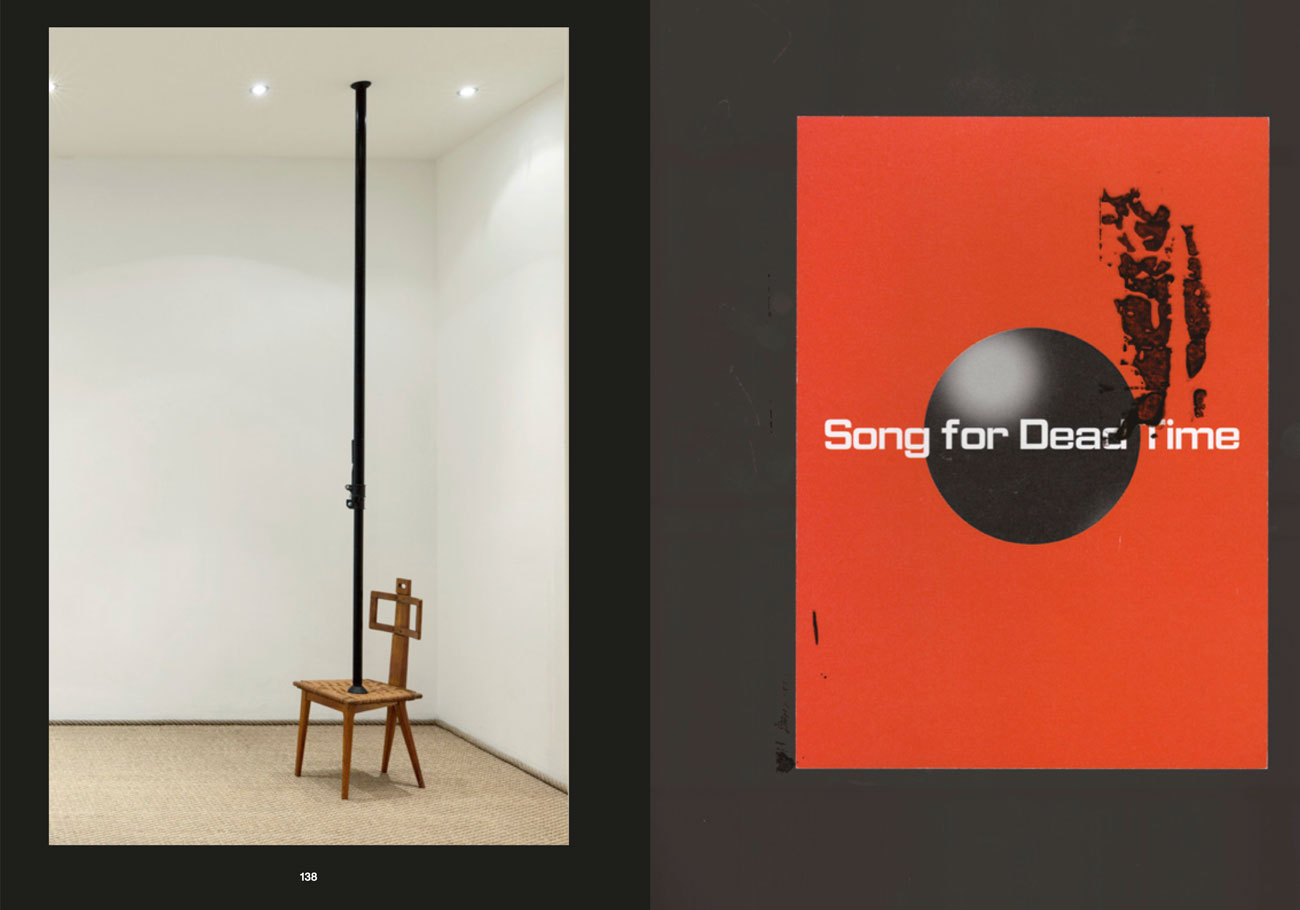
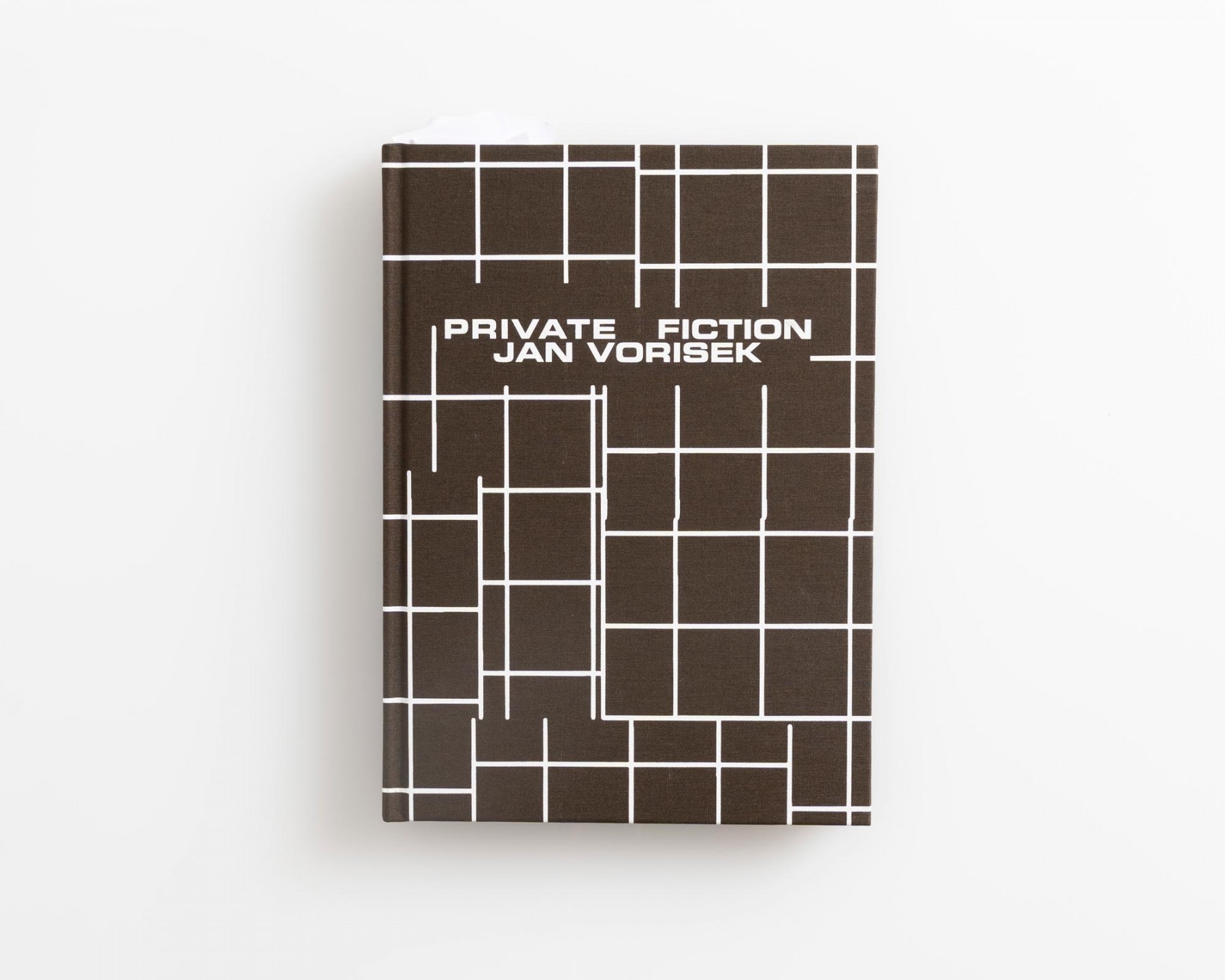
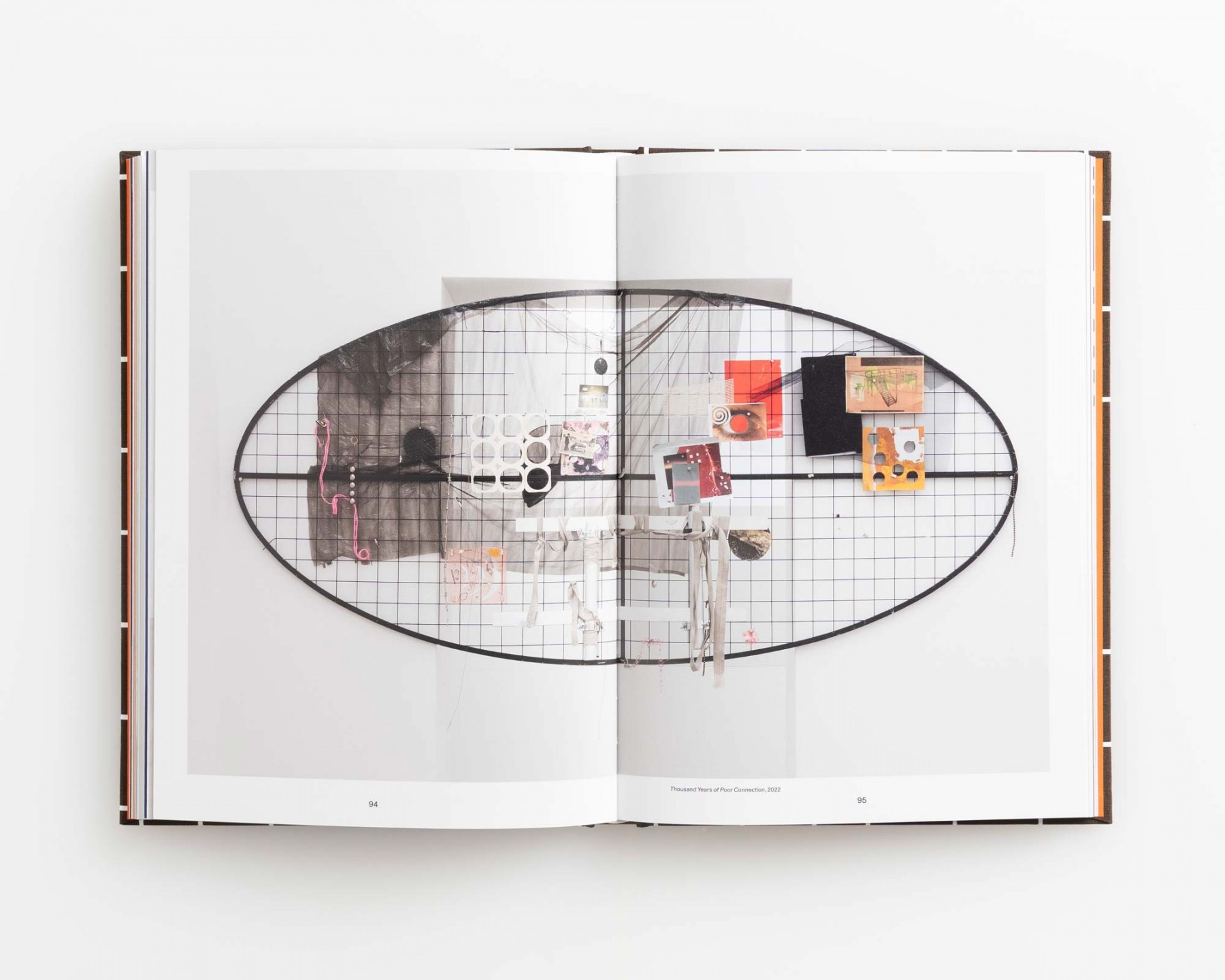
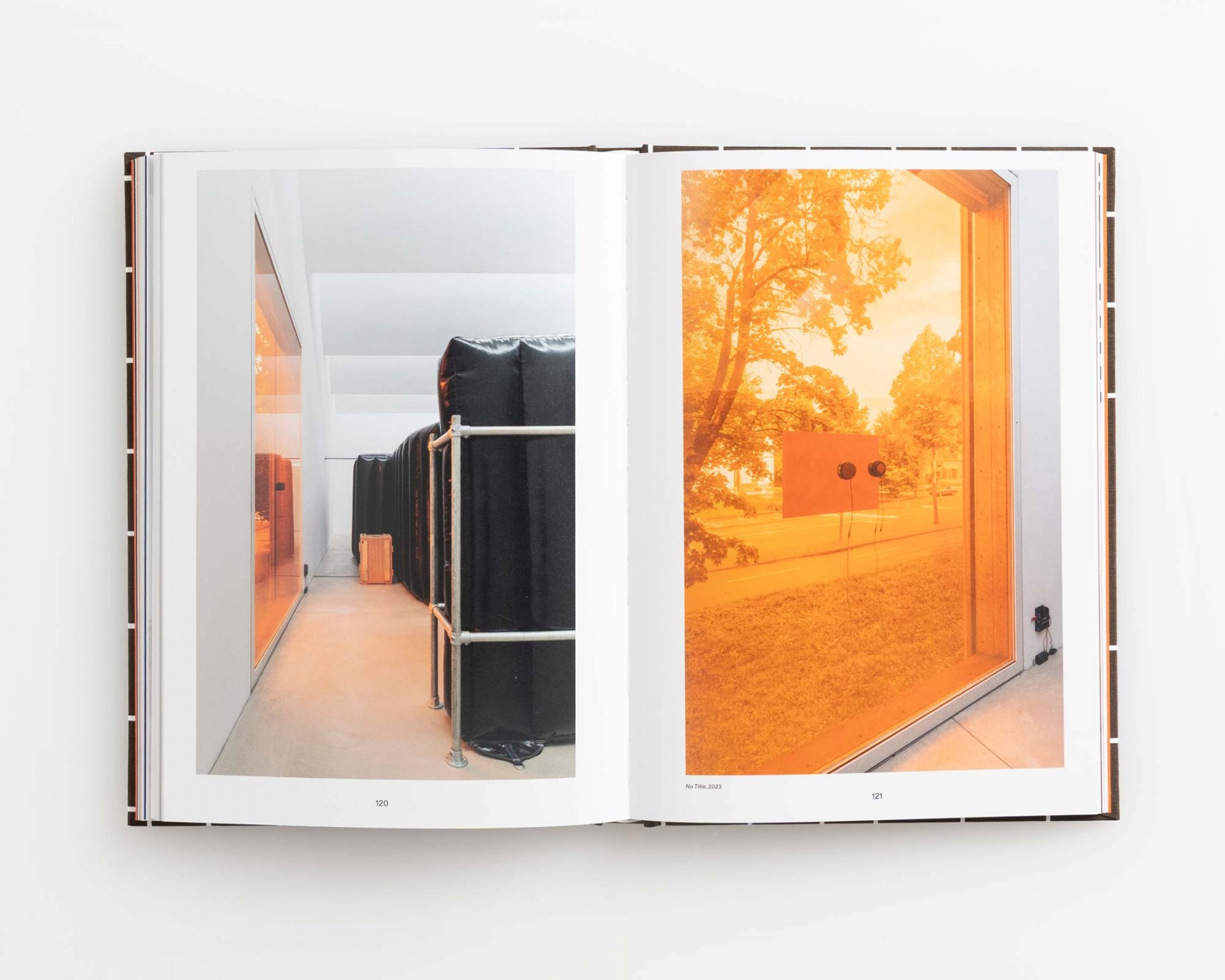
Swiss artist Jan Vorisek (born 1987 in Basel) works across sculpture, video and sound to create site-specific installations that examine formal hierarchies through the delineation of space. In assemblages of found materials and sound-producing devices, he explores the fluctuation of noise as a medium for information. The multitudes of the smallest details of Vorisek’s practice provide, just as the complexities of the room-size installation do, an intricate, layered and endlessly unfolding potential for encounter and revelation.
A recurring theme in Vorisek’s works is the idea of process, decay or corrosion, not only as metaphor but as operative method: structures and objects are continuously disassembled, re-organized, re-animated, creating fluctuating environments where form and sound interweave.
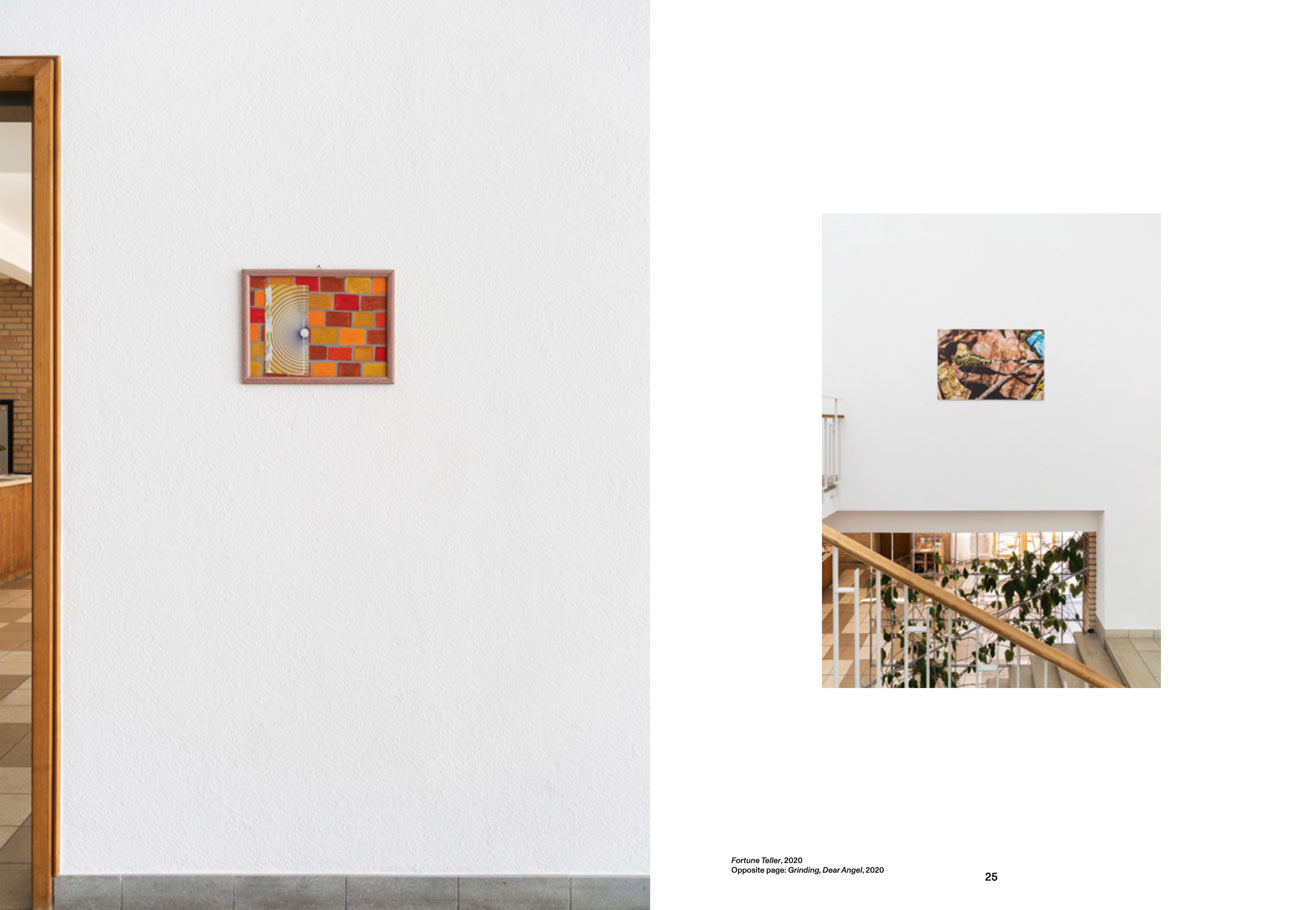
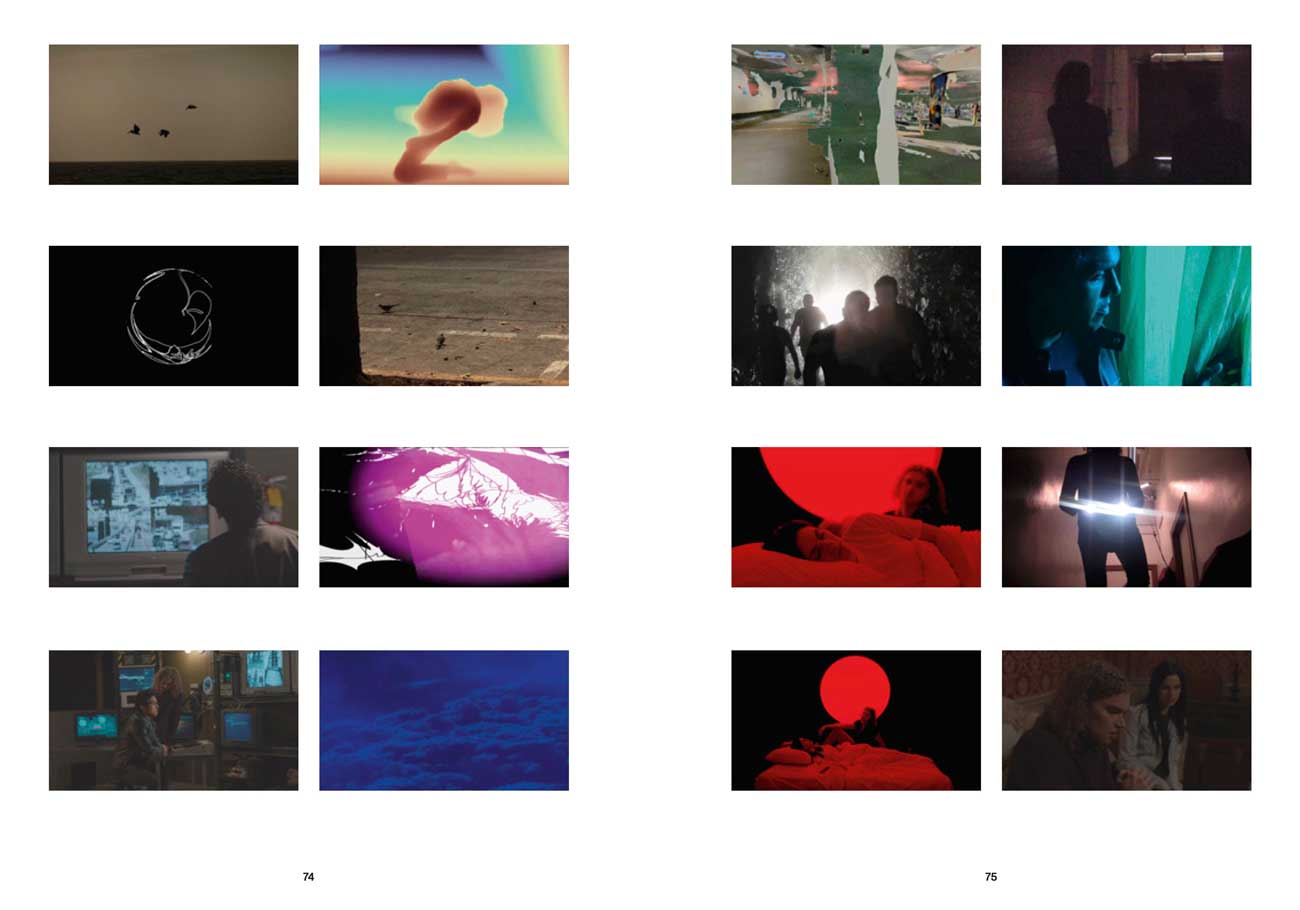
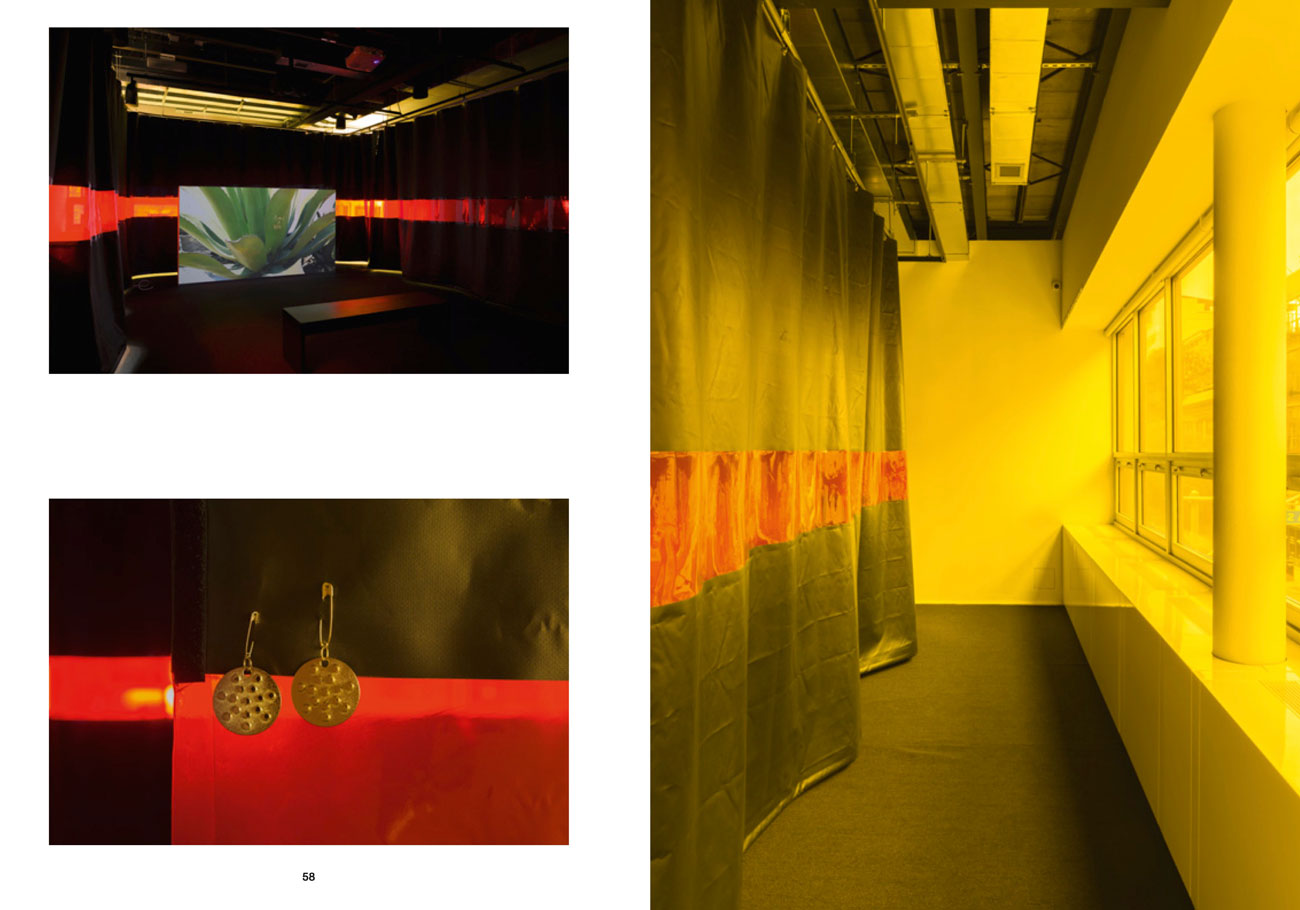
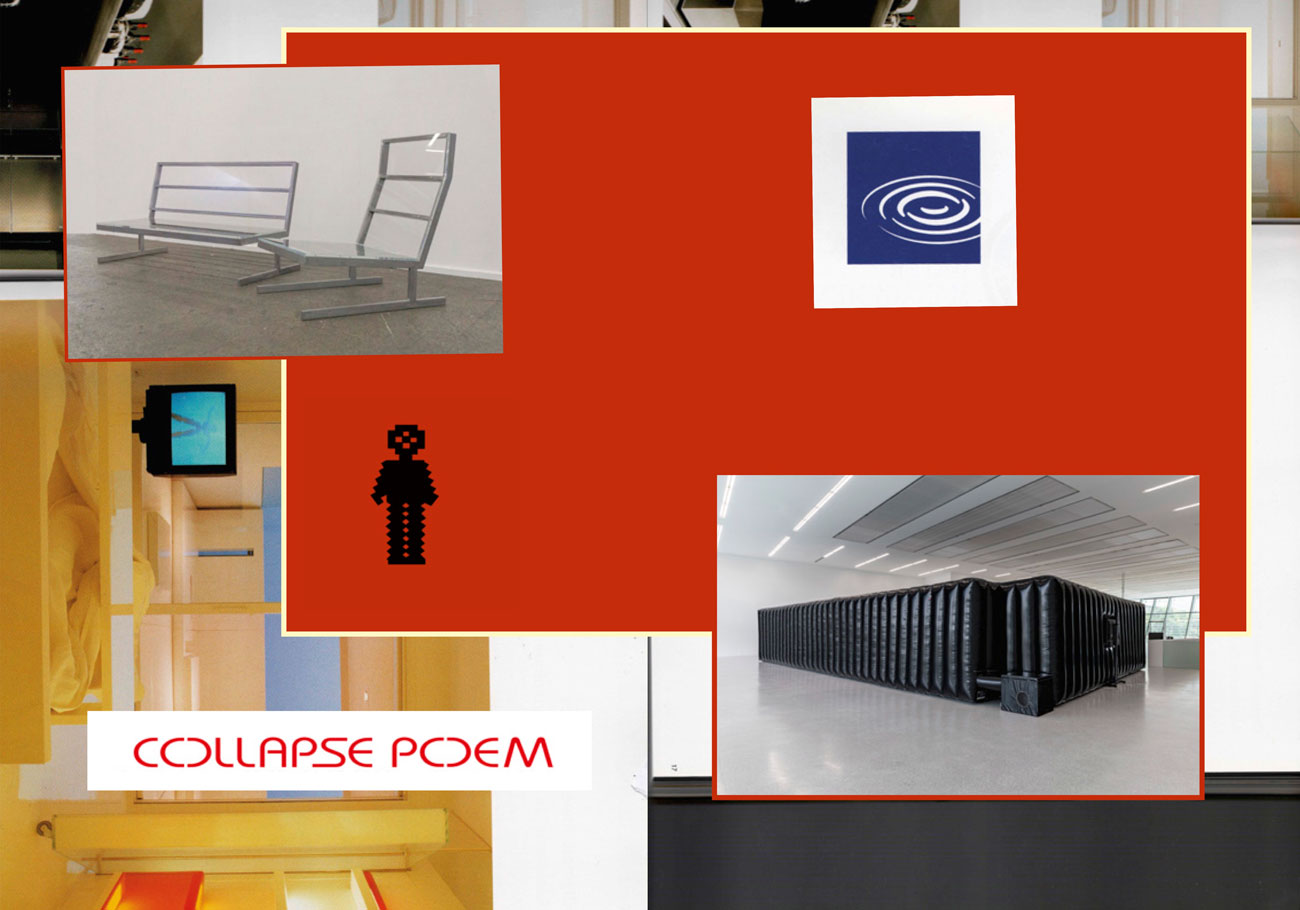
The essays in the artist’s first-ever monograph, alongside image portfolios of the exhibitions they explore and an appendix that features photos and documentation of Vorisek’s performances, recordings and ephemera, grant us unprecedented access to the private fictions that the work reveals.