Over the last ten years, Raphael Hefti has created an astonishingly body of work consisting of sculptures and installations, performance and “art-in-public-spaces.” The first comprehensive monograph is published on the occasion of his major exhibition at Kunsthalle Basel.
Between 1998 and 1999, the London-based art collective BANK operated the Fax-Bak Service. The group’s members proof-read and copy-edited more than 300 press releases by galleries. The publication is the most comprehensive record of this notorious project.
SOLD OUT
Sold Out
Listen
On how The BANK Fax-Bak Service started and how it came to be a book
In the Villa Santo Sospir, Jean Cocteau conceived his pictorial work through accumulation, inspired by Greek mythology and the Mediterranean landscape. Architecture permeates the subjects of Mauro Restiffe from a viewpoint that amplifies and reverberates the simple historical record.
Oh mio cagnetto, is the artist’s first book of writings, conceived as an artwork. It is a collection of 81 little poems that revolve around the missed and mourned figure of a puppy. It intentionally plays on the ambiguity of its nature, as both a book distributed in conventional ways and an art object.
When she started writing the Corona Tales, Chus Martínez had been weighing how people and the media were addressing the outbreak of the virus as an unprecedented disaster. One possible contribution, as curator and writer, would be to write a short story a day…
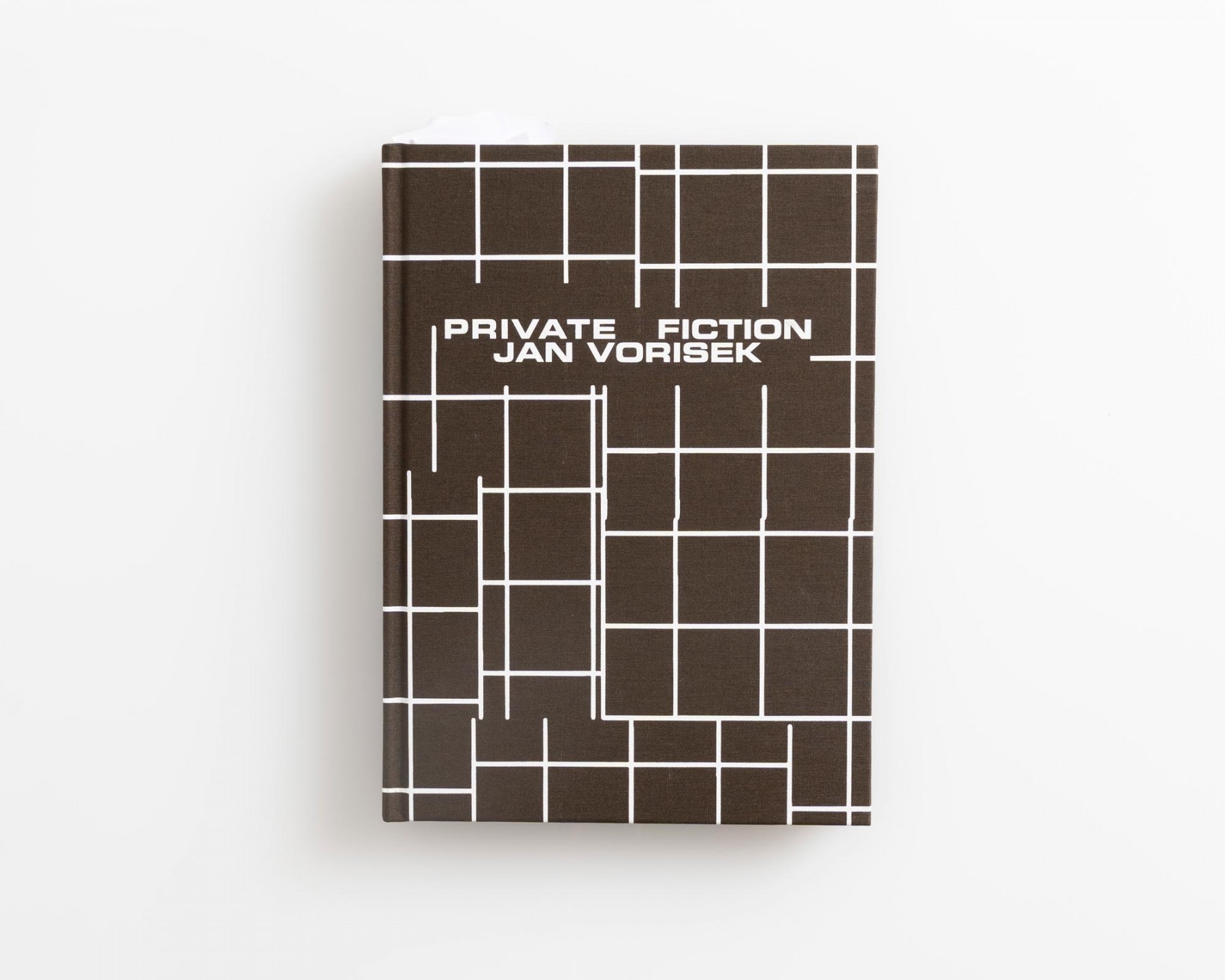
Edited by Alison Coplan
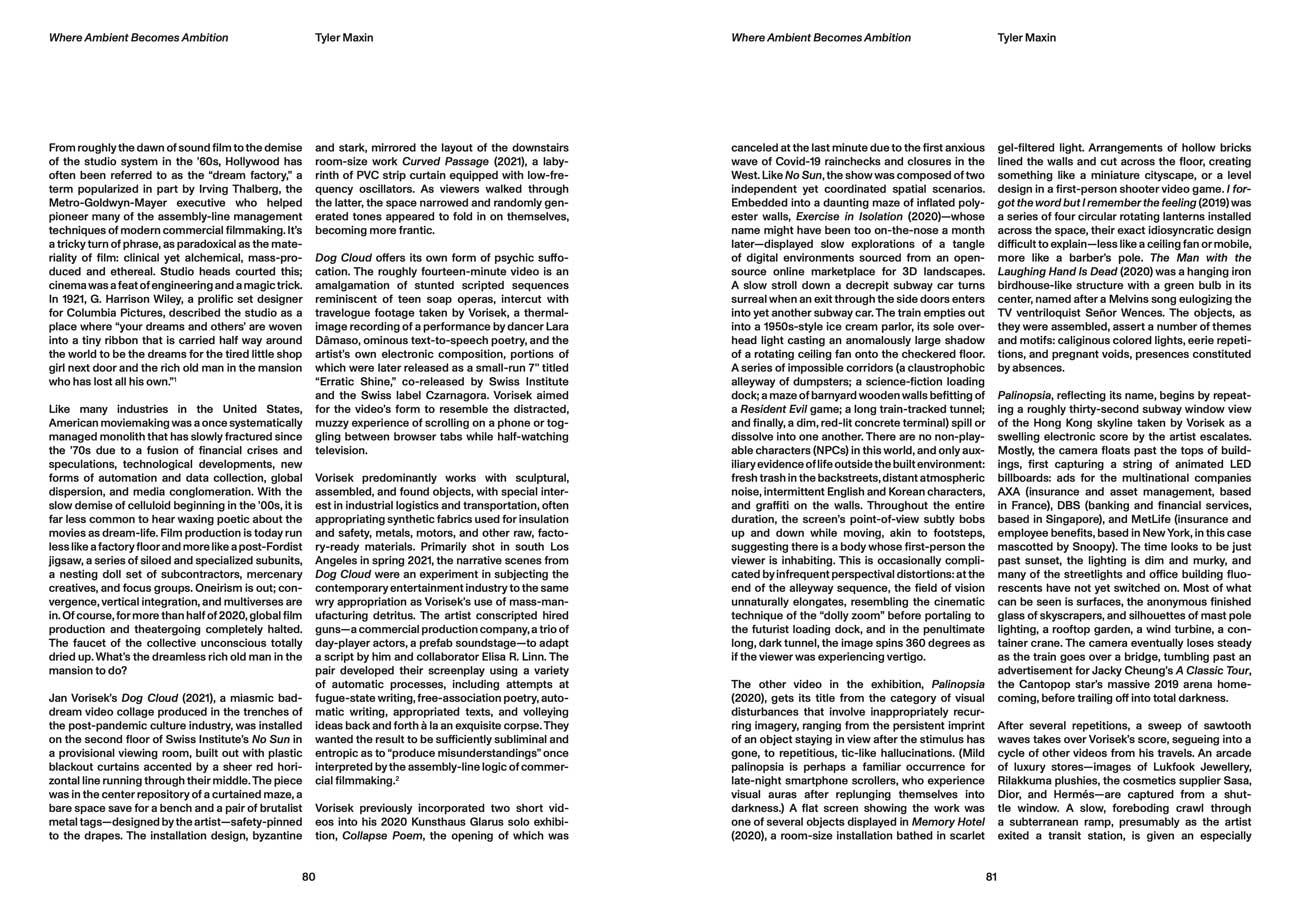
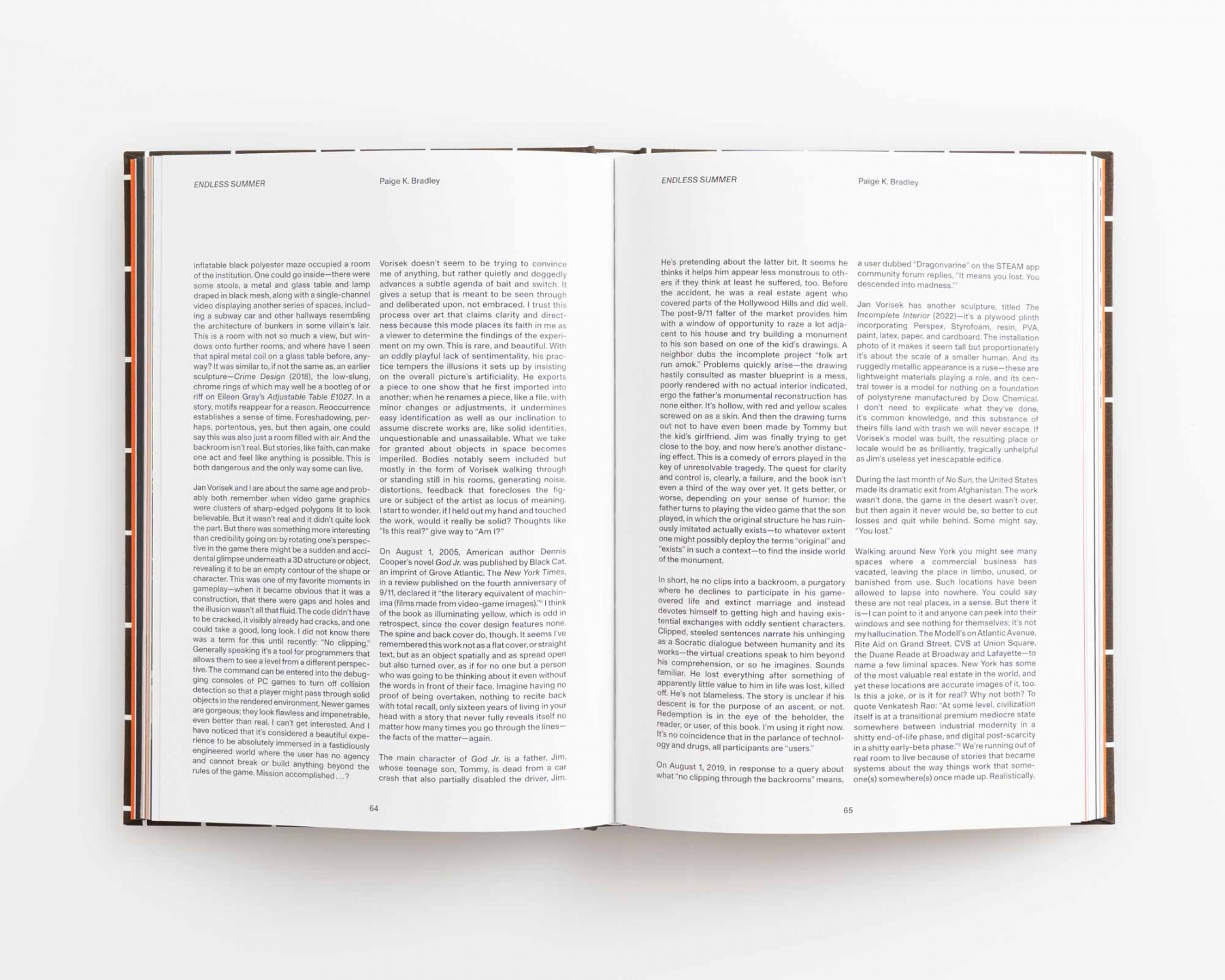
Texts by Brit Barton, Paige K. Bradley, Elisa R. Linn, Tyler Maxin
Designed by Pacific
2025, English, hardcover, 28.5 x 20.5 cm, 184 pages
ISBN 979-12-80579-71-3
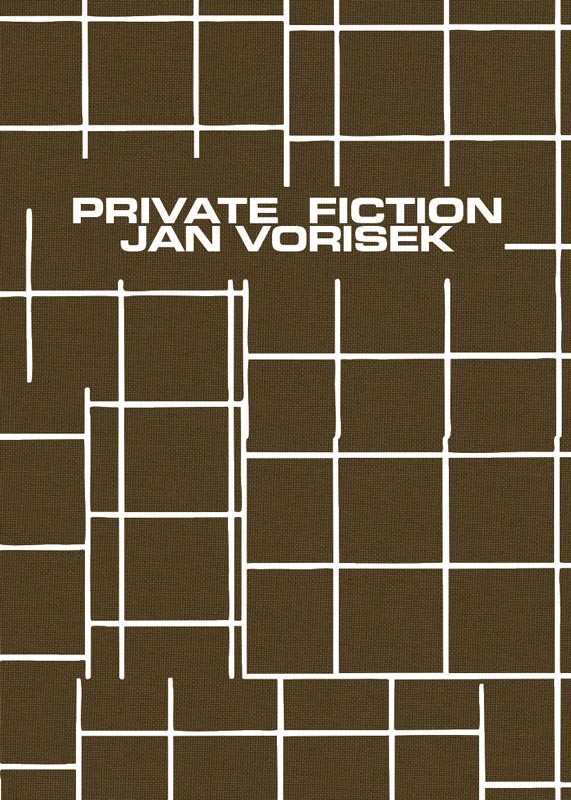
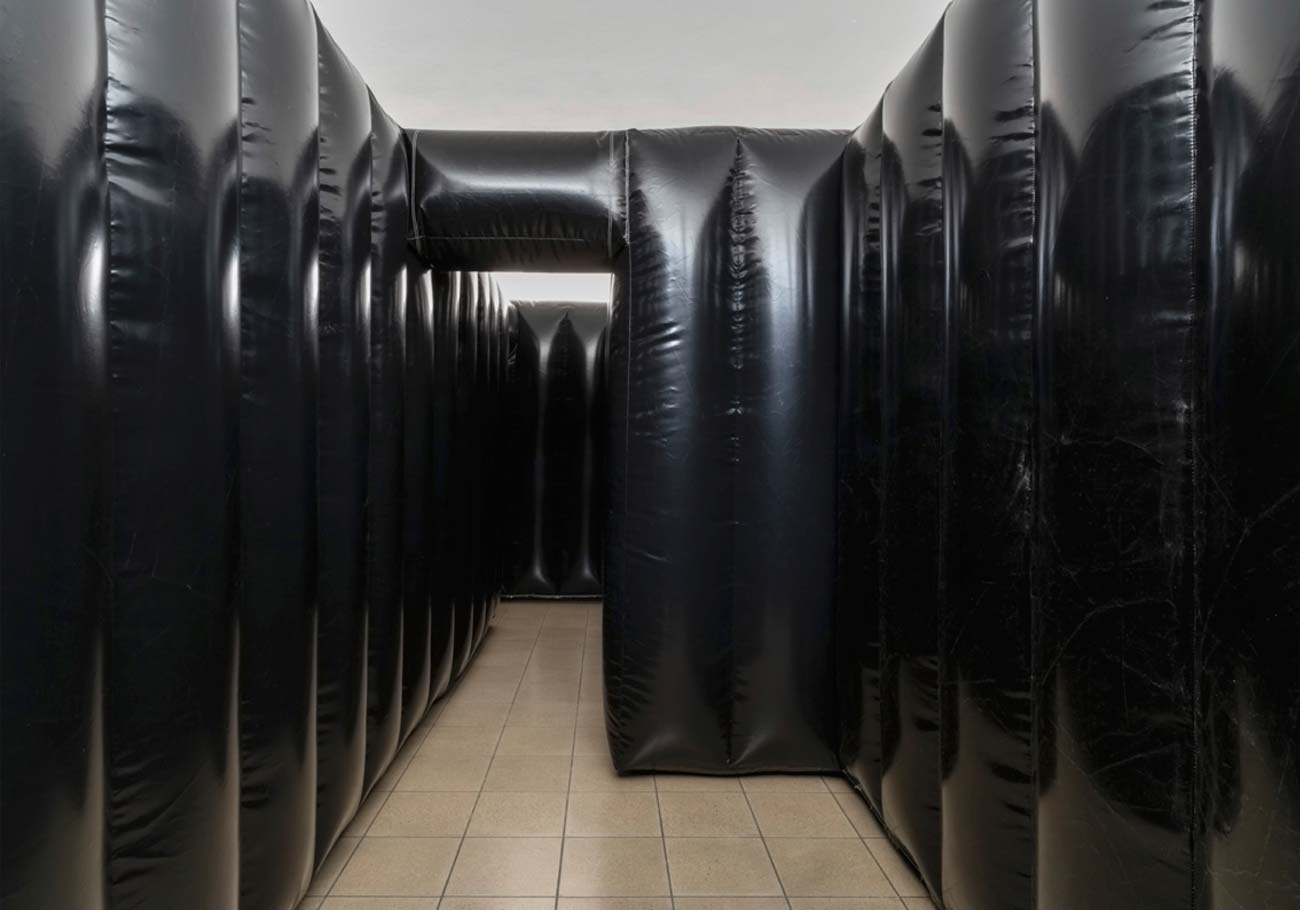
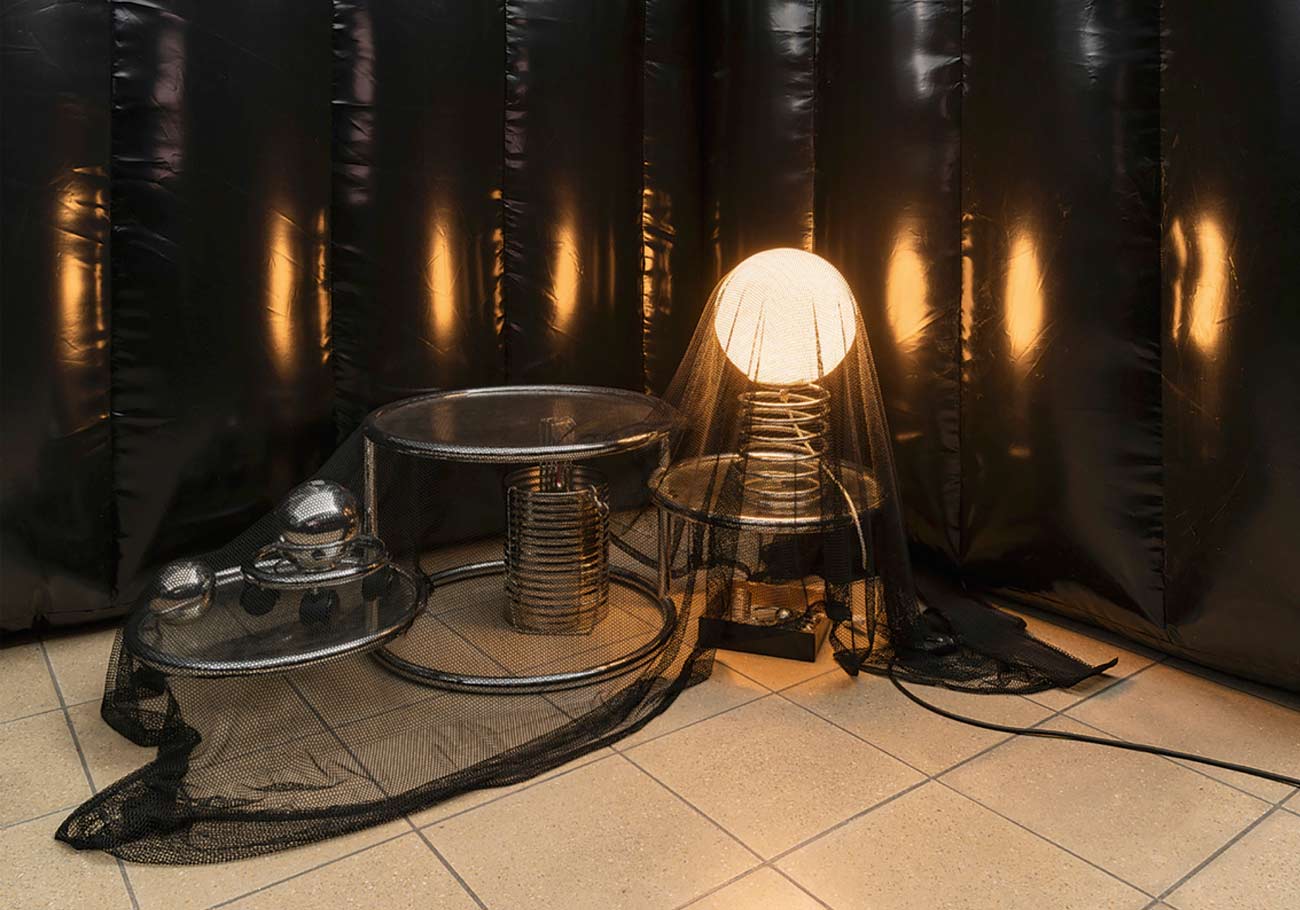
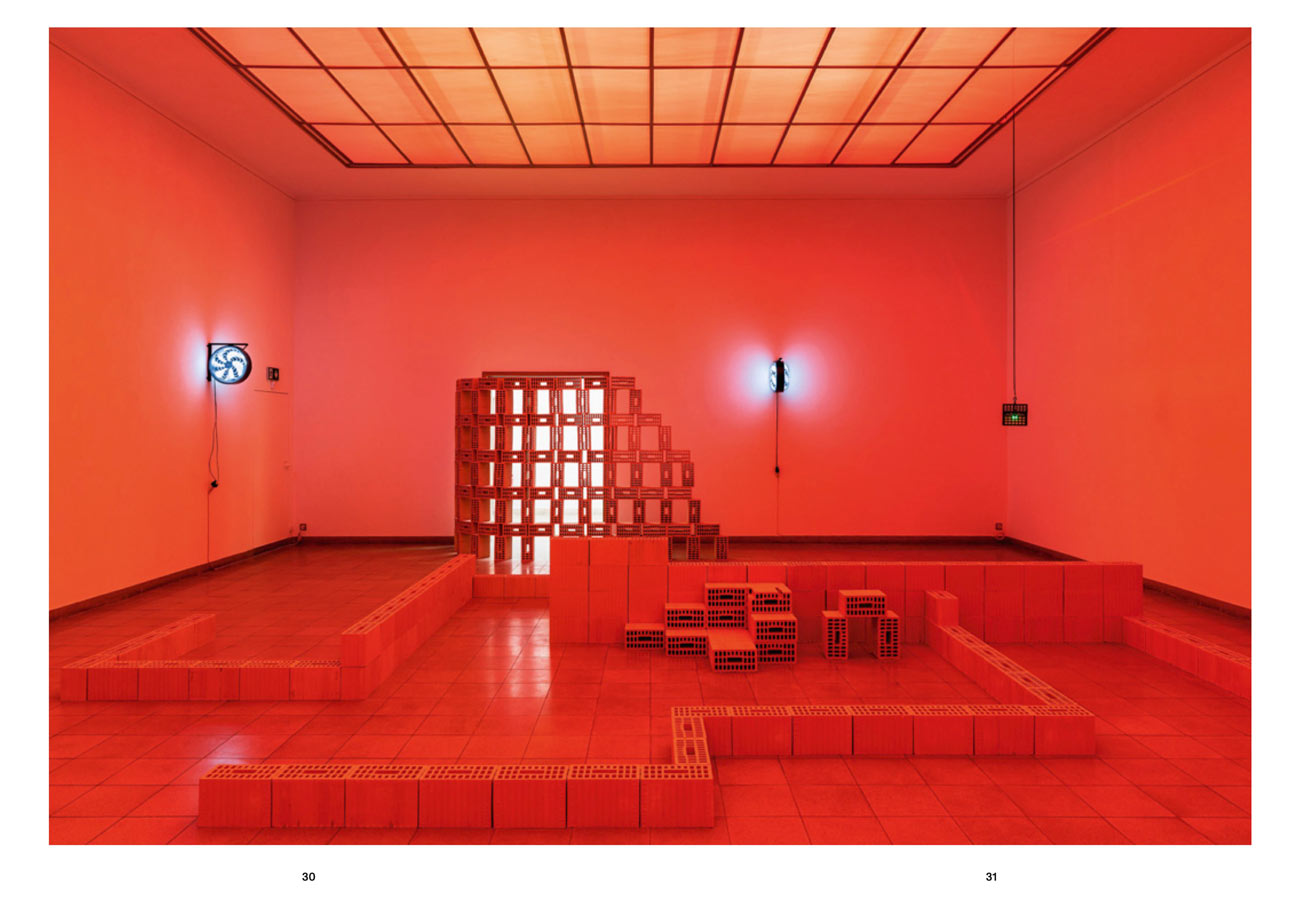
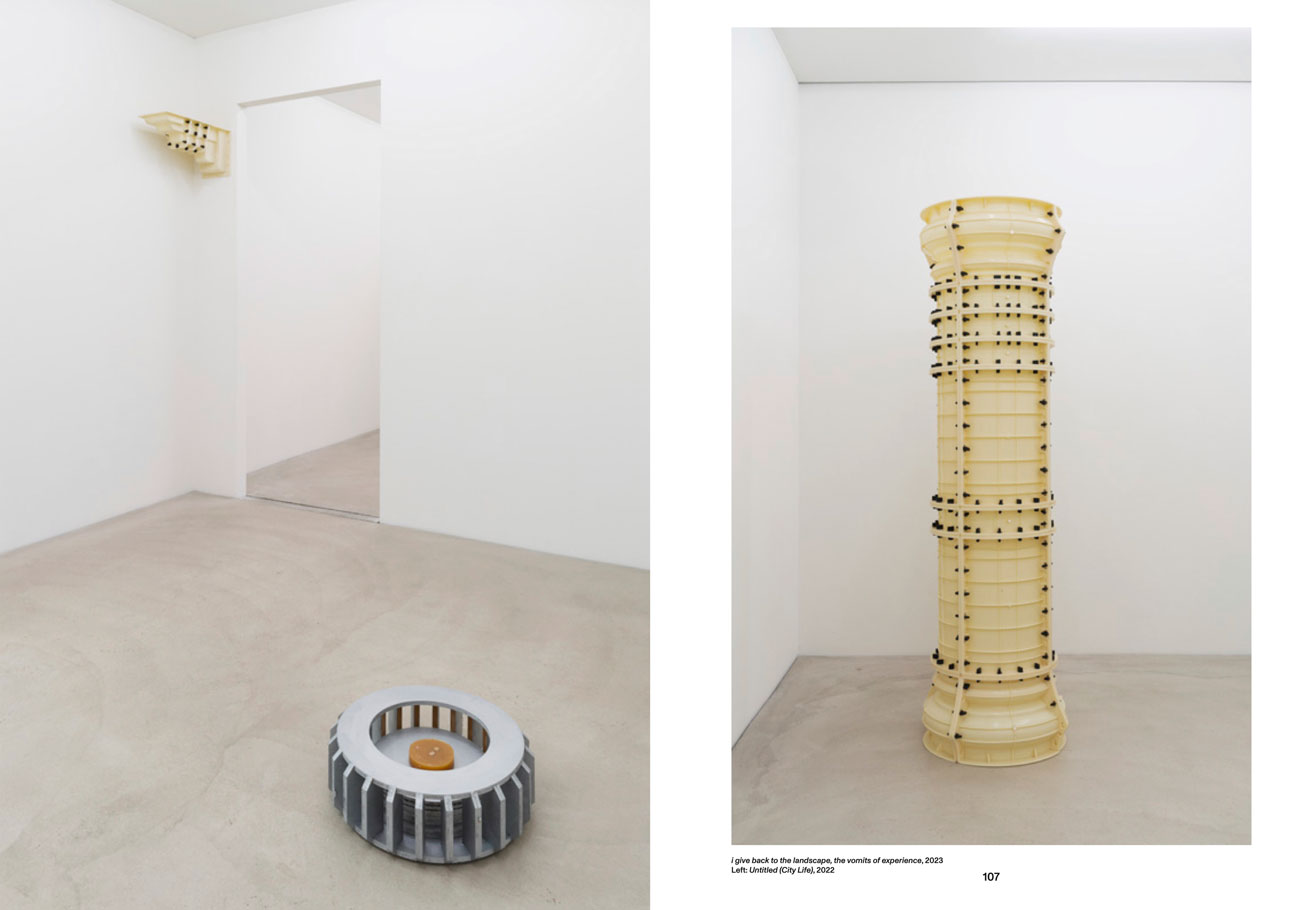
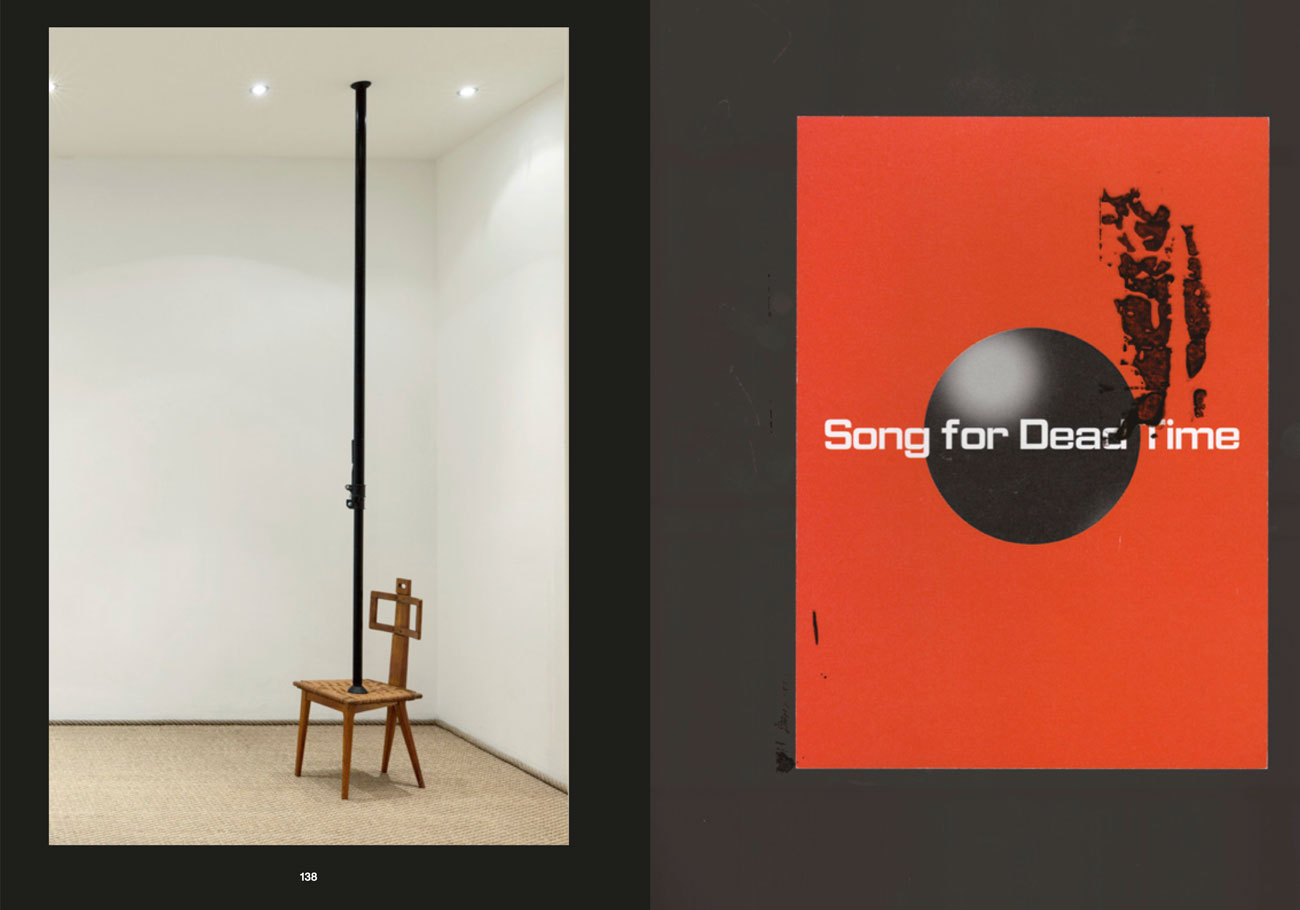
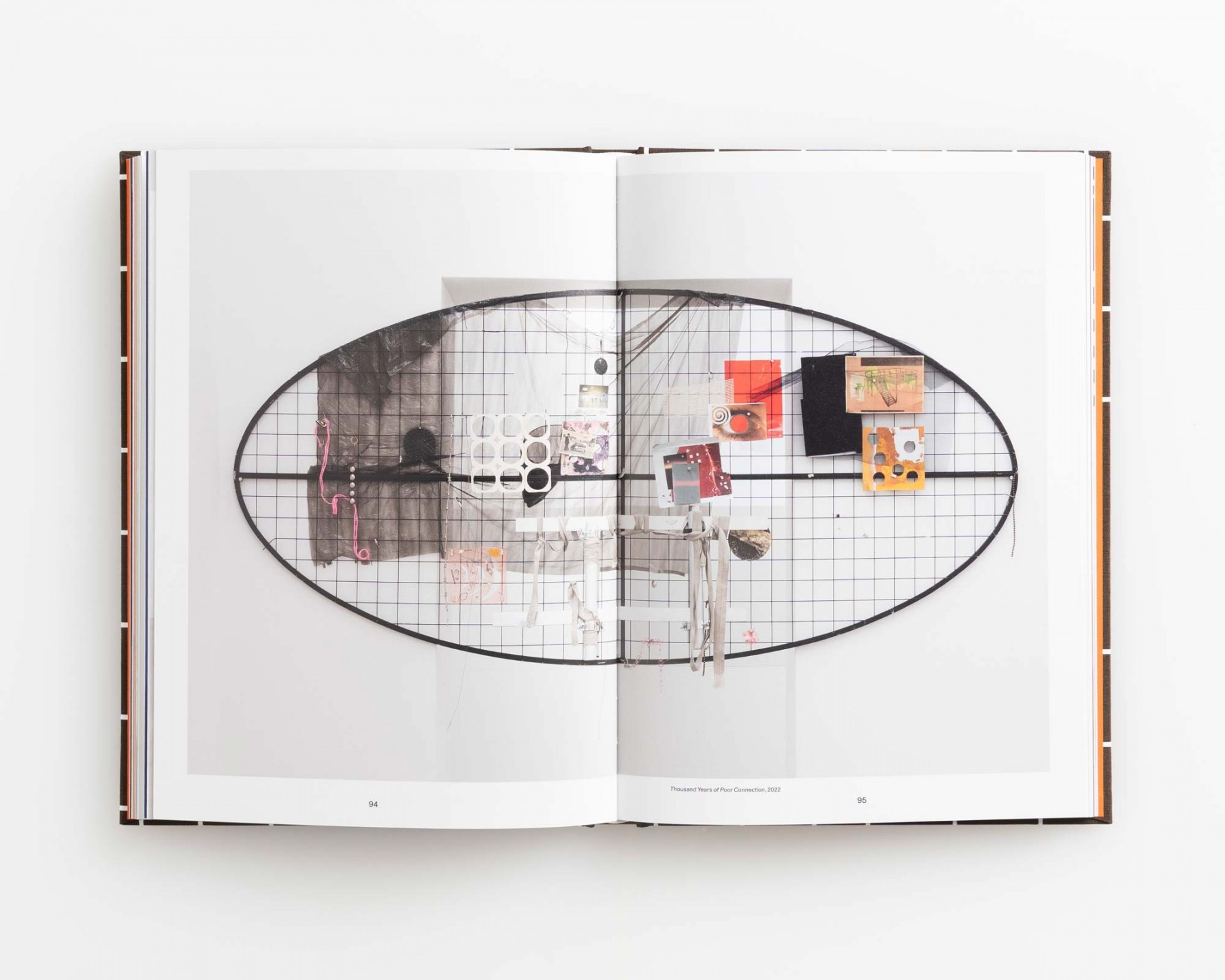
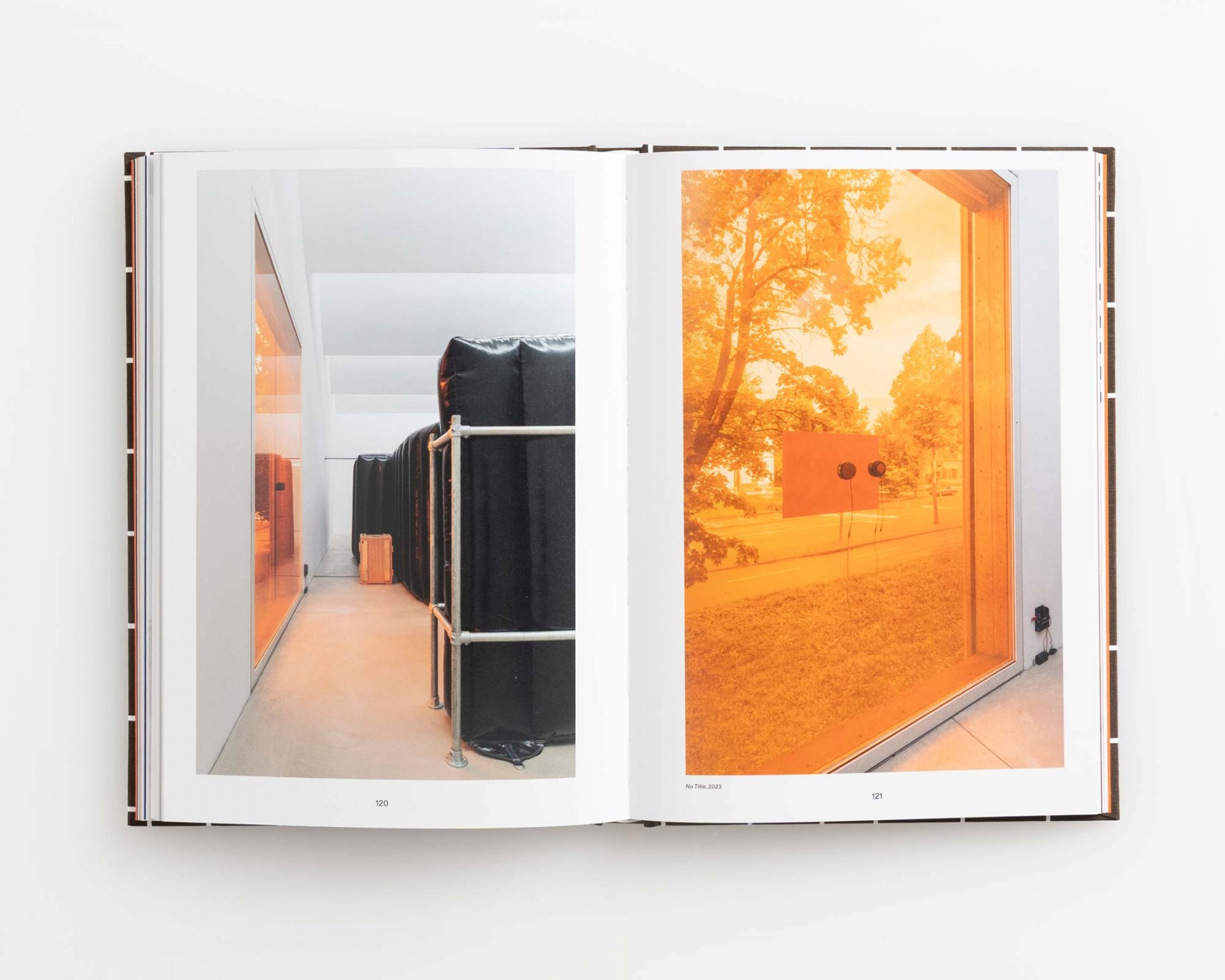
Swiss artist Jan Vorisek (born 1987 in Basel) works across sculpture, video and sound to create site-specific installations that examine formal hierarchies through the delineation of space. In assemblages of found materials and sound-producing devices, he explores the fluctuation of noise as a medium for information. The multitudes of the smallest details of Vorisek’s practice provide, just as the complexities of the room-size installation do, an intricate, layered and endlessly unfolding potential for encounter and revelation.
A recurring theme in Vorisek’s works is the idea of process, decay or corrosion, not only as metaphor but as operative method: structures and objects are continuously disassembled, re-organized, re-animated, creating fluctuating environments where form and sound interweave.
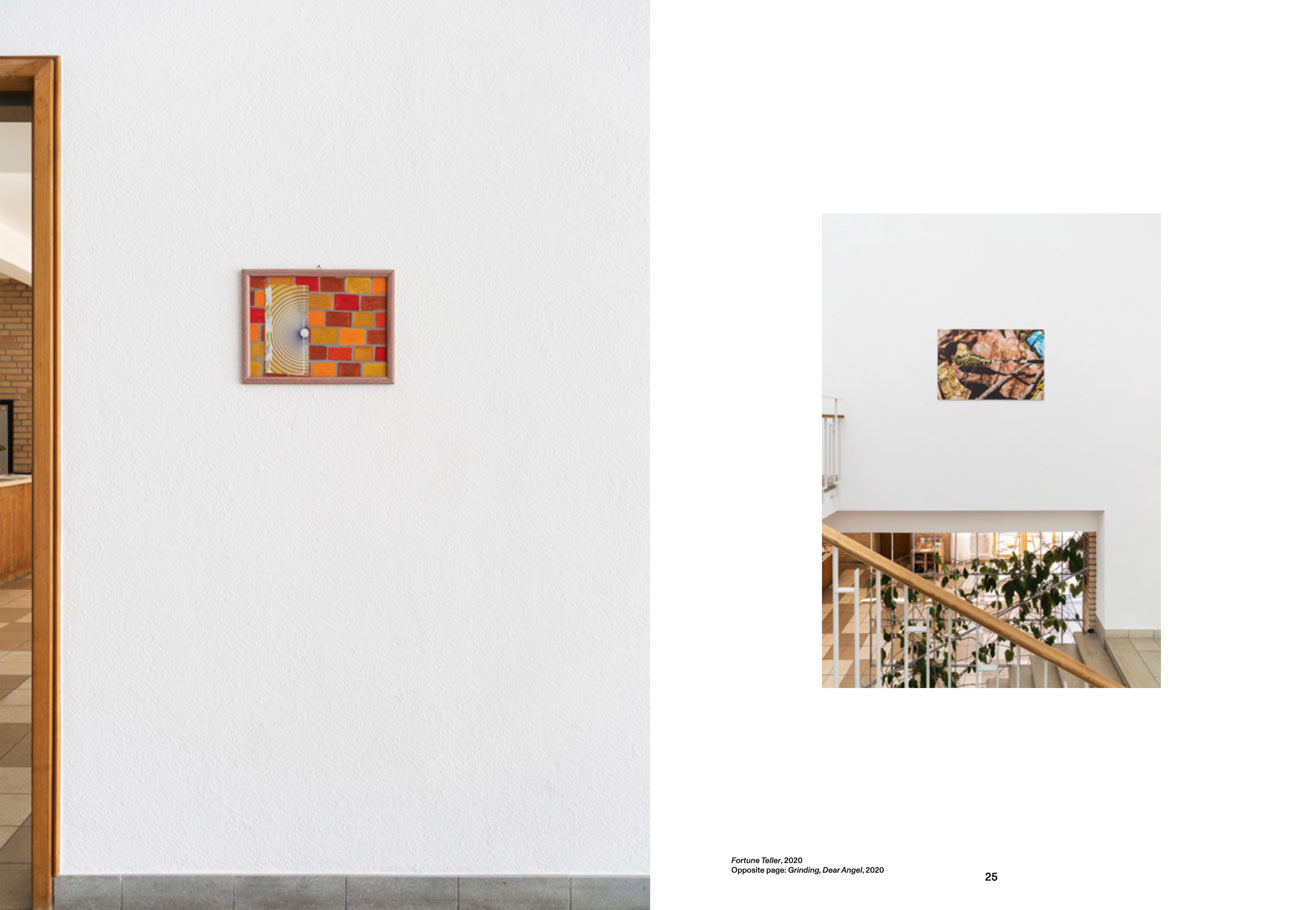
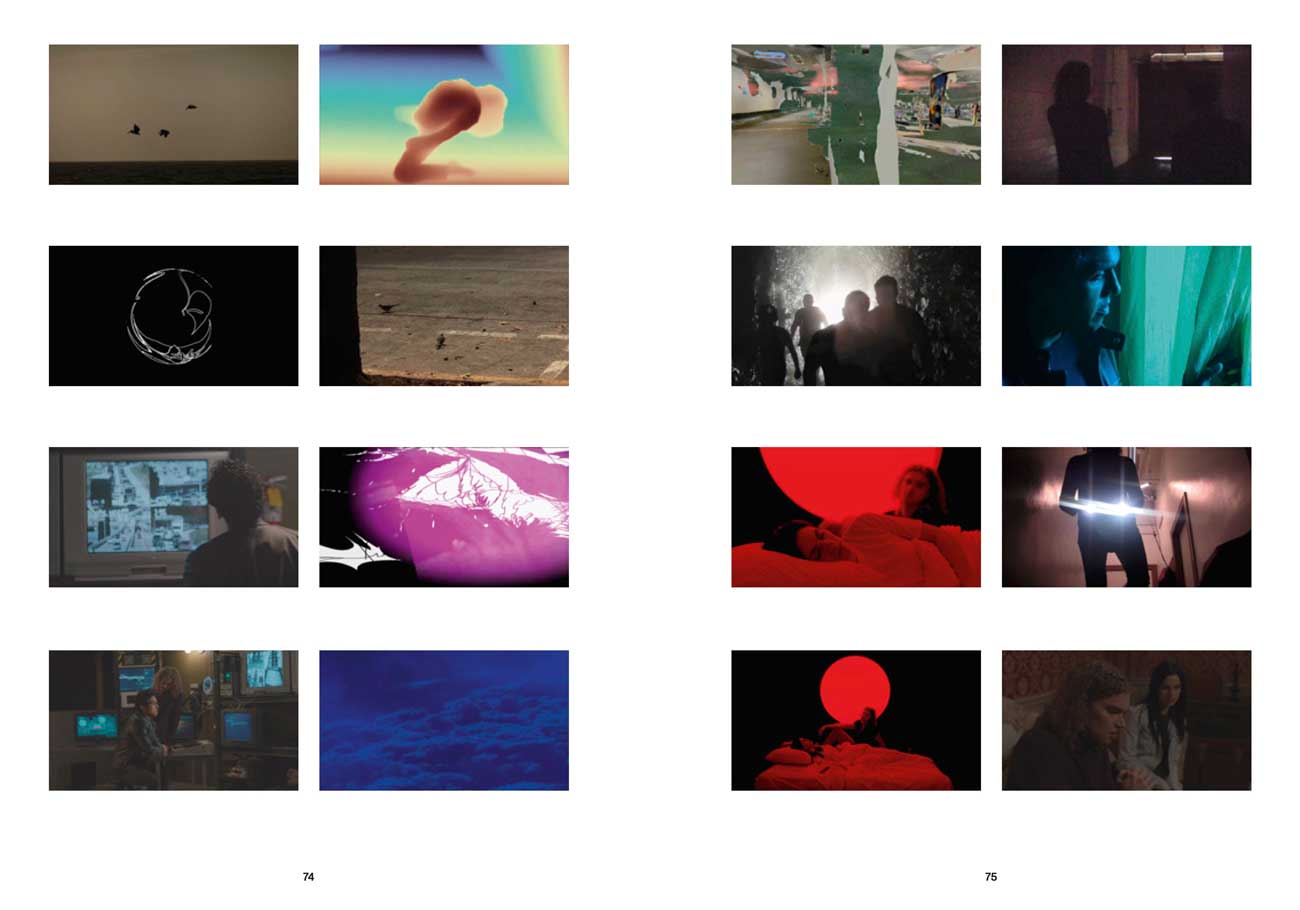
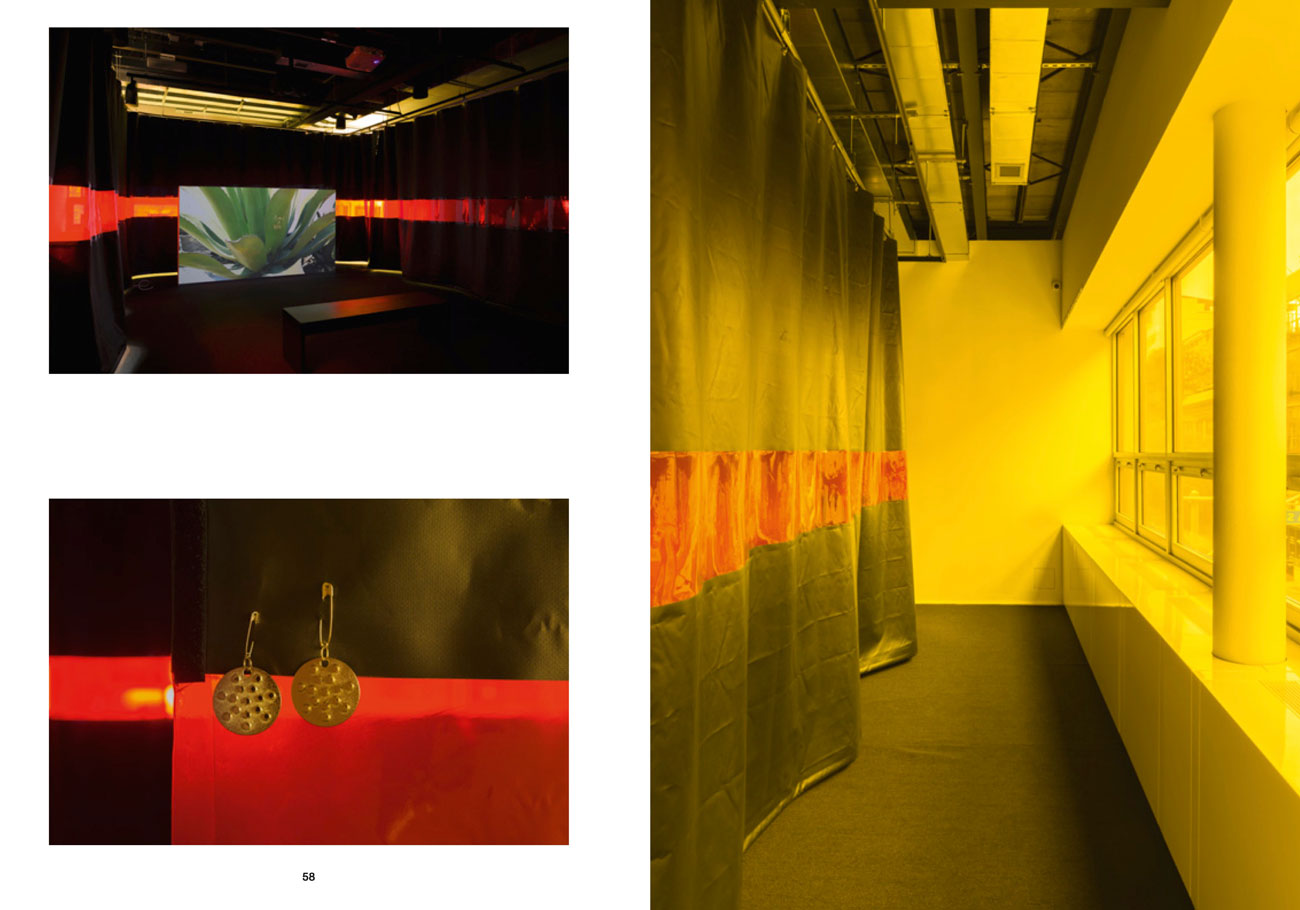
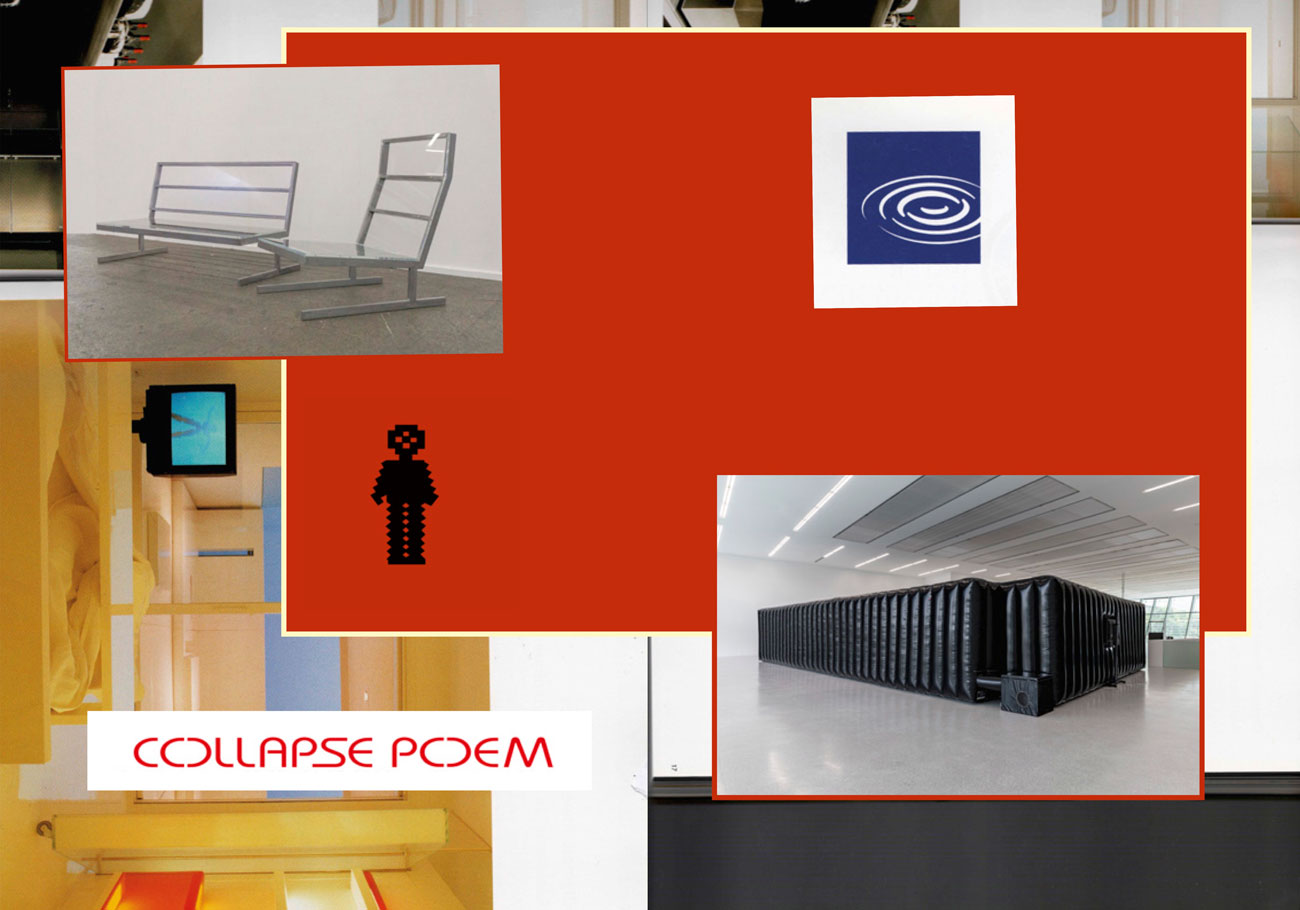
The essays in the artist’s first-ever monograph, alongside image portfolios of the exhibitions they explore and an appendix that features photos and documentation of Vorisek’s performances, recordings and ephemera, grant us unprecedented access to the private fictions that the work reveals.