This compelling artist’s book is built around KOOL (“cabbage” in Dutch), an original font designed by Reus, somewhere between a plant alphabet and concrete poetry. The publication draws on the type specimen book tradition to present new typefaces.
Through a rich selection of images, this artist’s book, published in two editions—gold and silver—explores the birth, life and death of Francesco Gennari’s work Vorrei perdermi e non trovarmi più, 2022, exhibited for the first time at the Ciaccia Levi Gallery in Paris.
Through a rich selection of images, this artist’s book, published in two editions—gold and silver—explores the birth, life and death of Francesco Gennari’s work Vorrei perdermi e non trovarmi più, 2022, exhibited for the first time at the Ciaccia Levi Gallery in Paris.
This richly illustrated publication combines artwork, archival and process imagery, and includes an extended interview with the artist, as well as new essays by key thinkers in the fields of anthropology, philosophy, political economy and art history.
In the first monograph on the feminist conceptual artist collective Claire Fontaine, political theorist and somatic practitioner Anita Chari explores the artist’s theoretical and political innovations to illuminate a more haptic, embodied approach to the practice of critical theory.
Shahryar Nashat inserts his art in the pages of this new artist’s book, which takes the form of a catalogue-turned-manual: but instead of explaining its meaning, he strips it of its aura, flaunts its nature as an object and describes step-by-step how to create it.
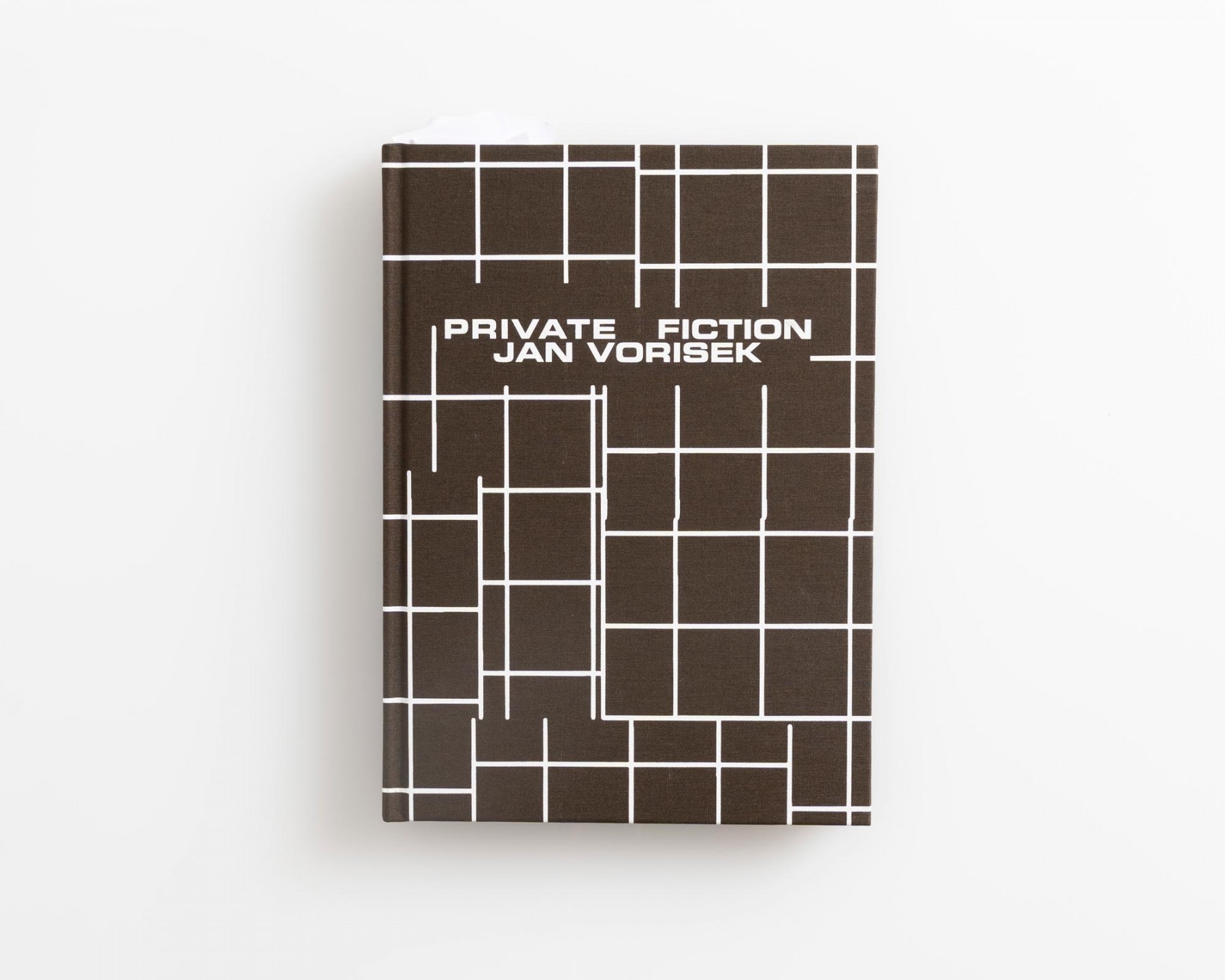
Edited by Alison Coplan
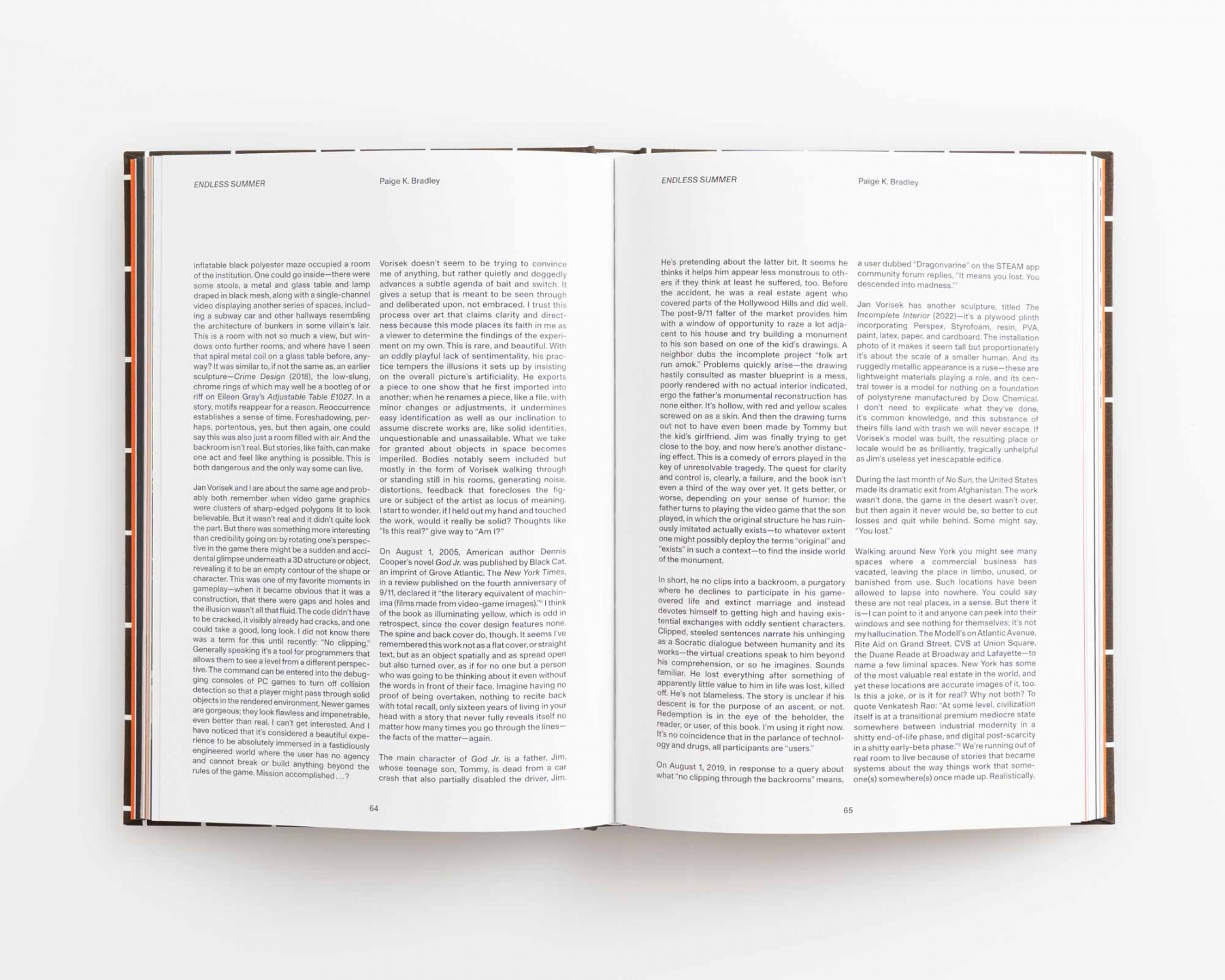
Texts by Brit Barton, Paige K. Bradley, Elisa R. Linn, Tyler Maxin
Designed by Pacific
2025, English, hardcover, 28.5 x 20.5 cm, 184 pages
ISBN 979-12-80579-71-3
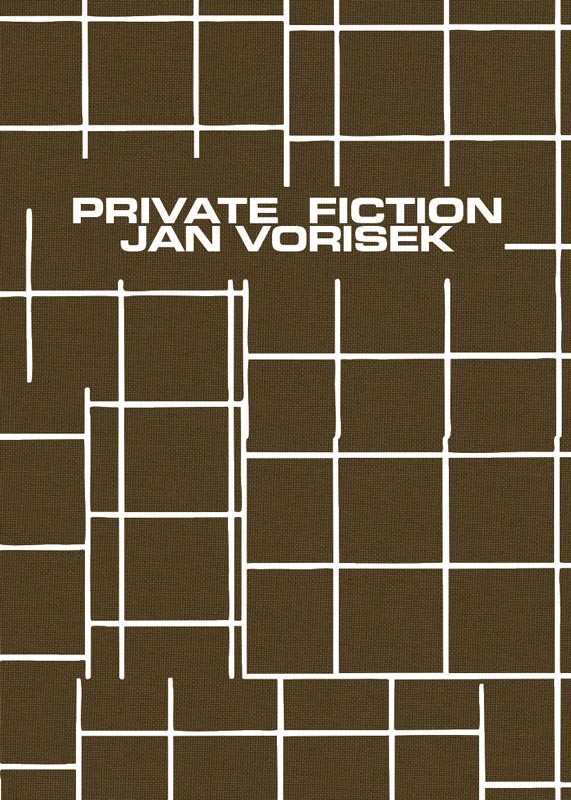
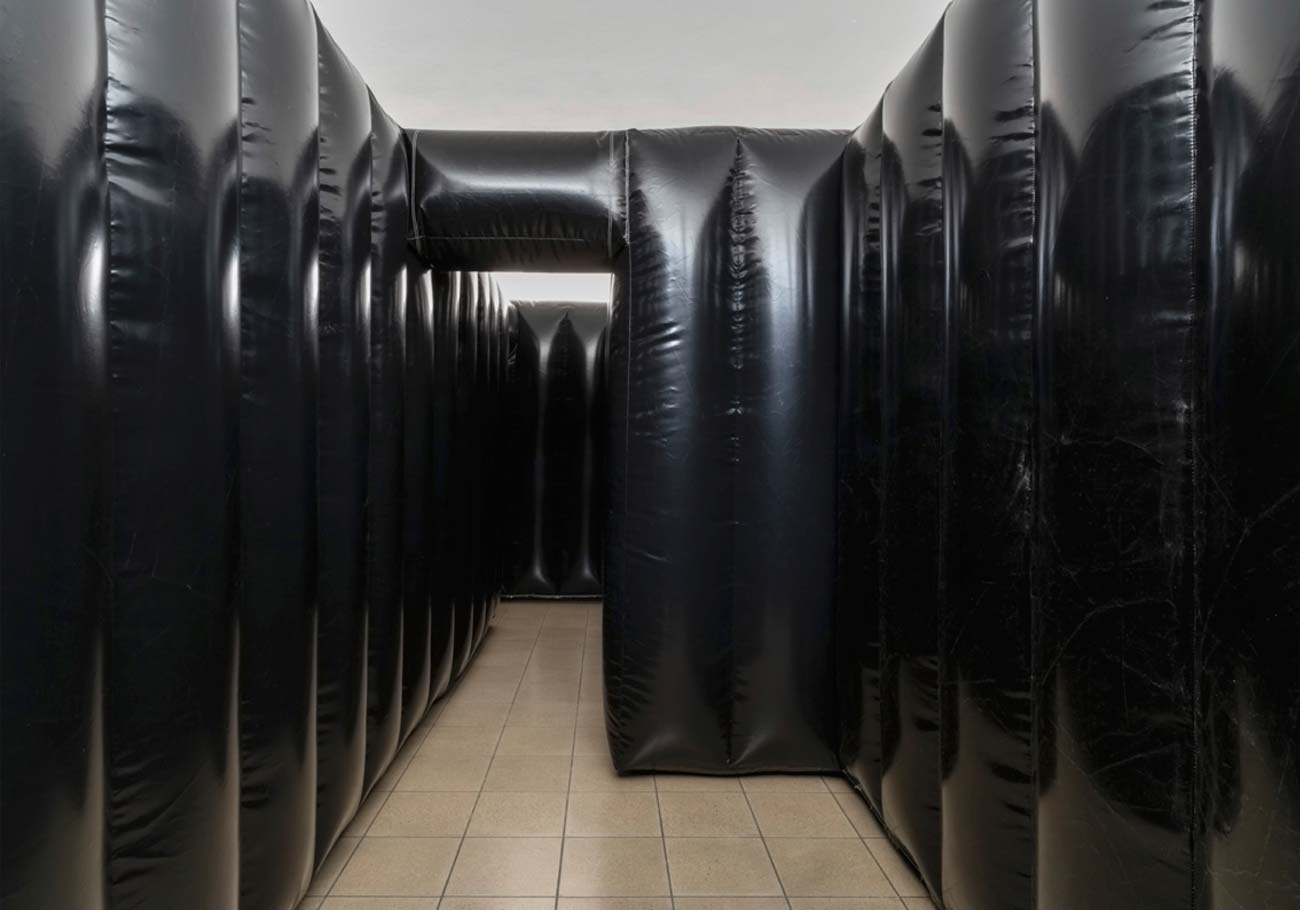
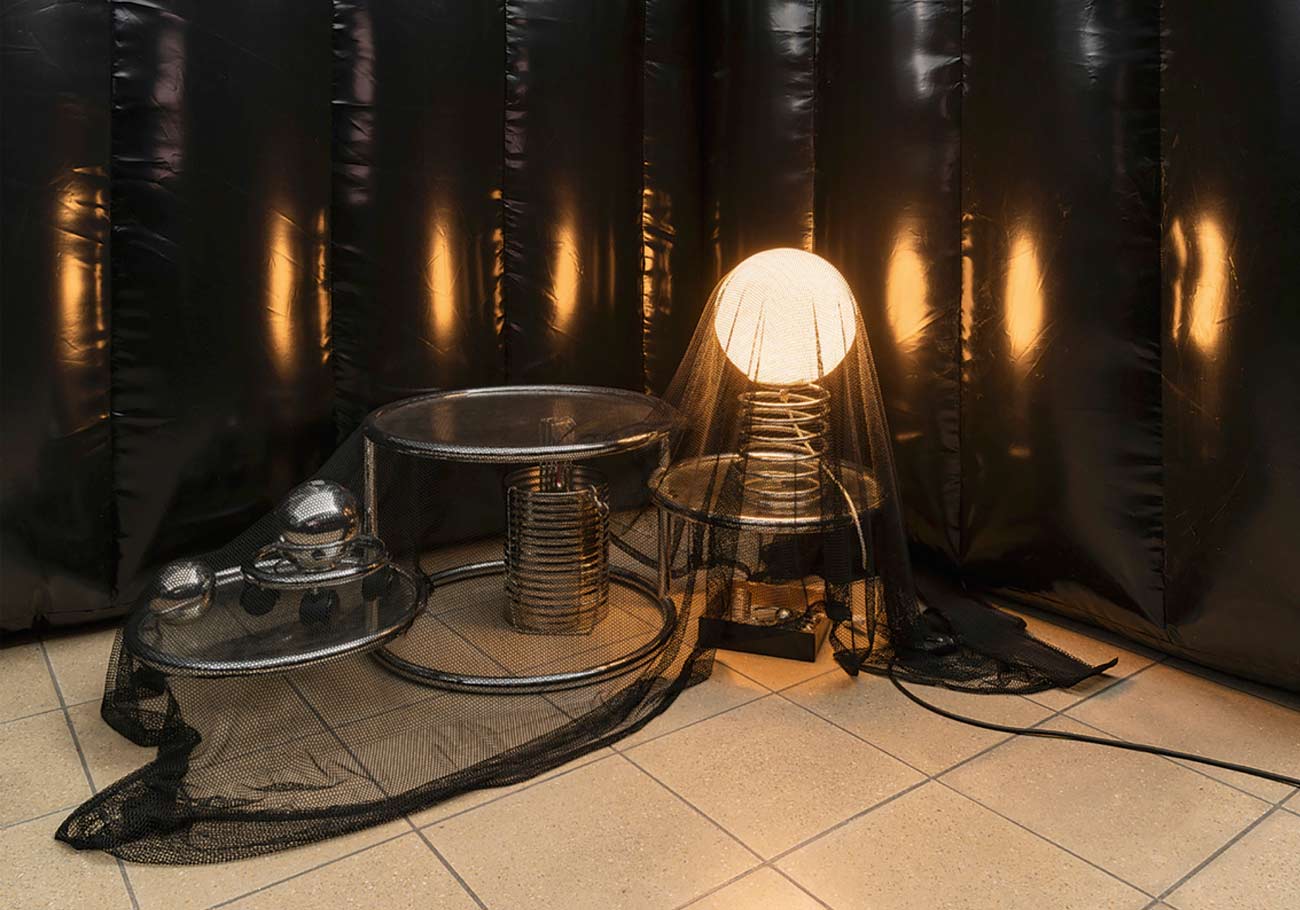
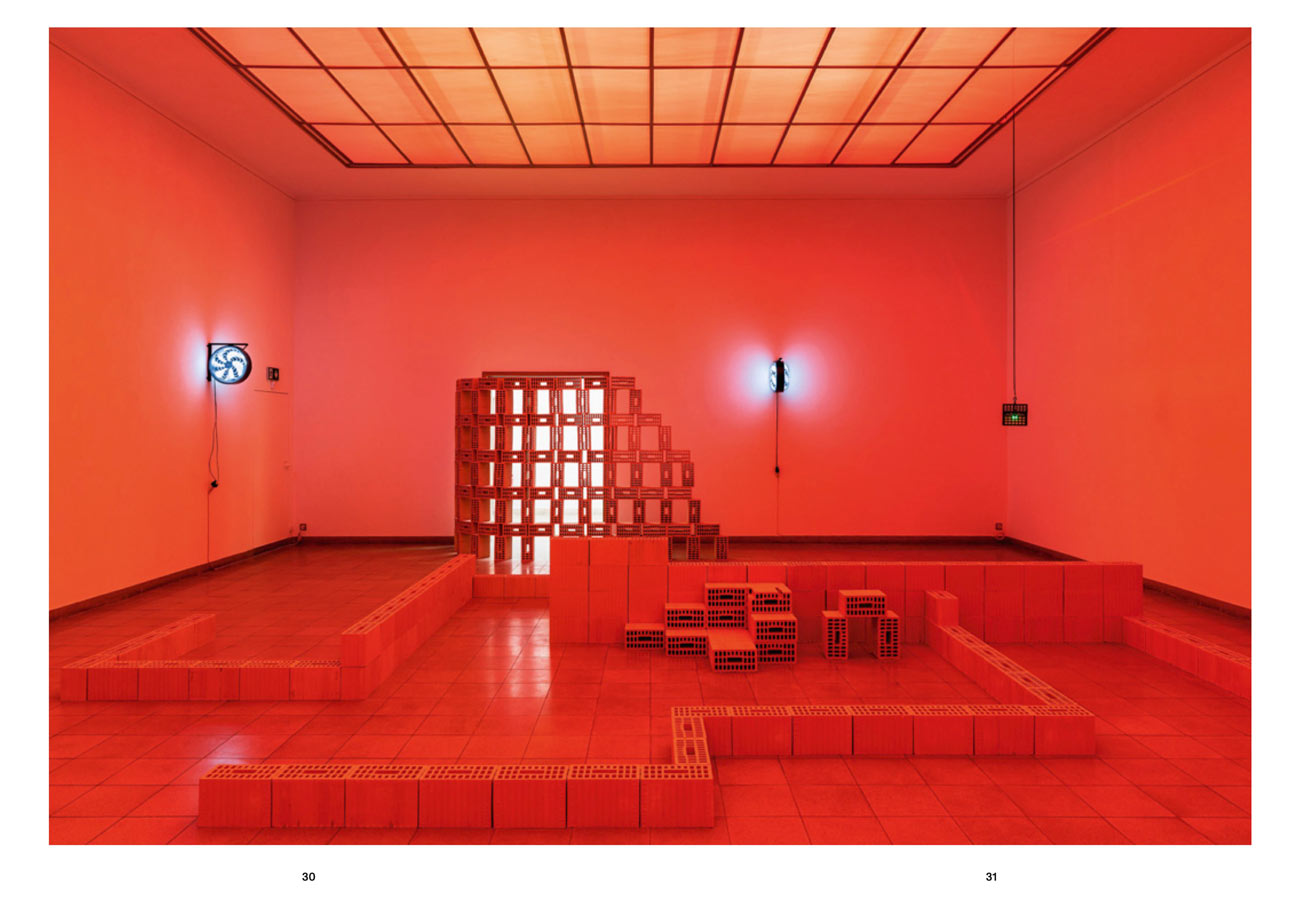
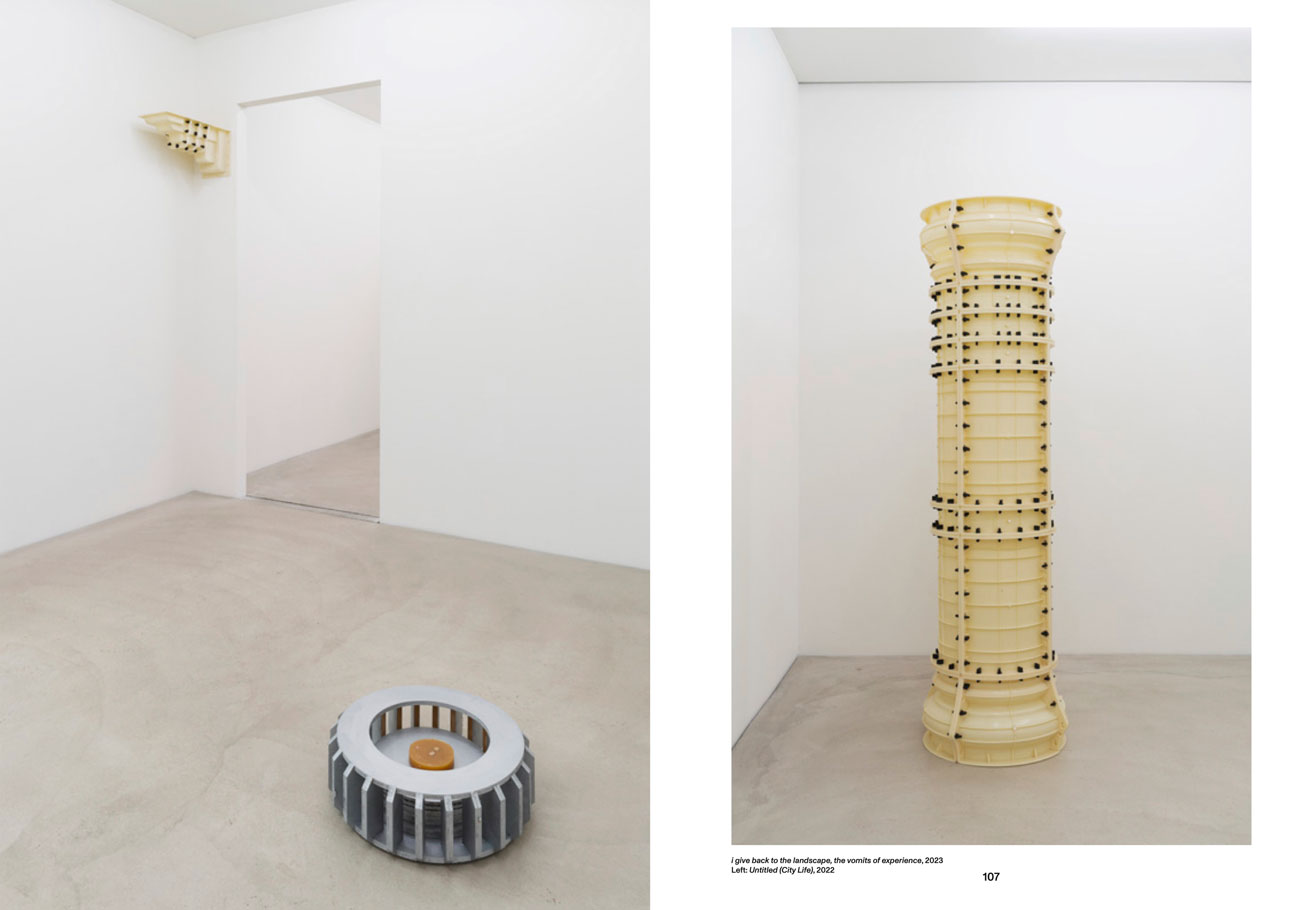
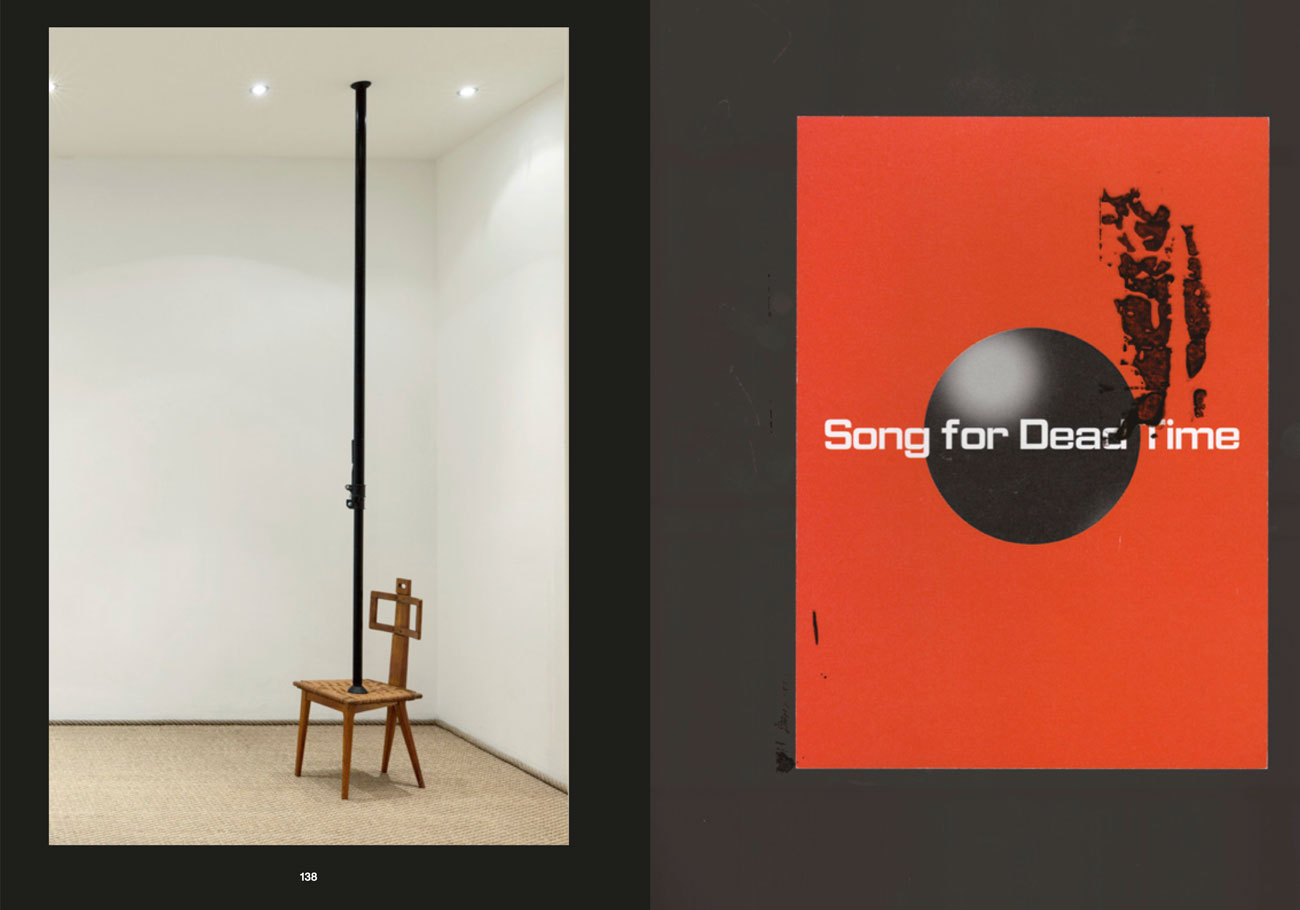
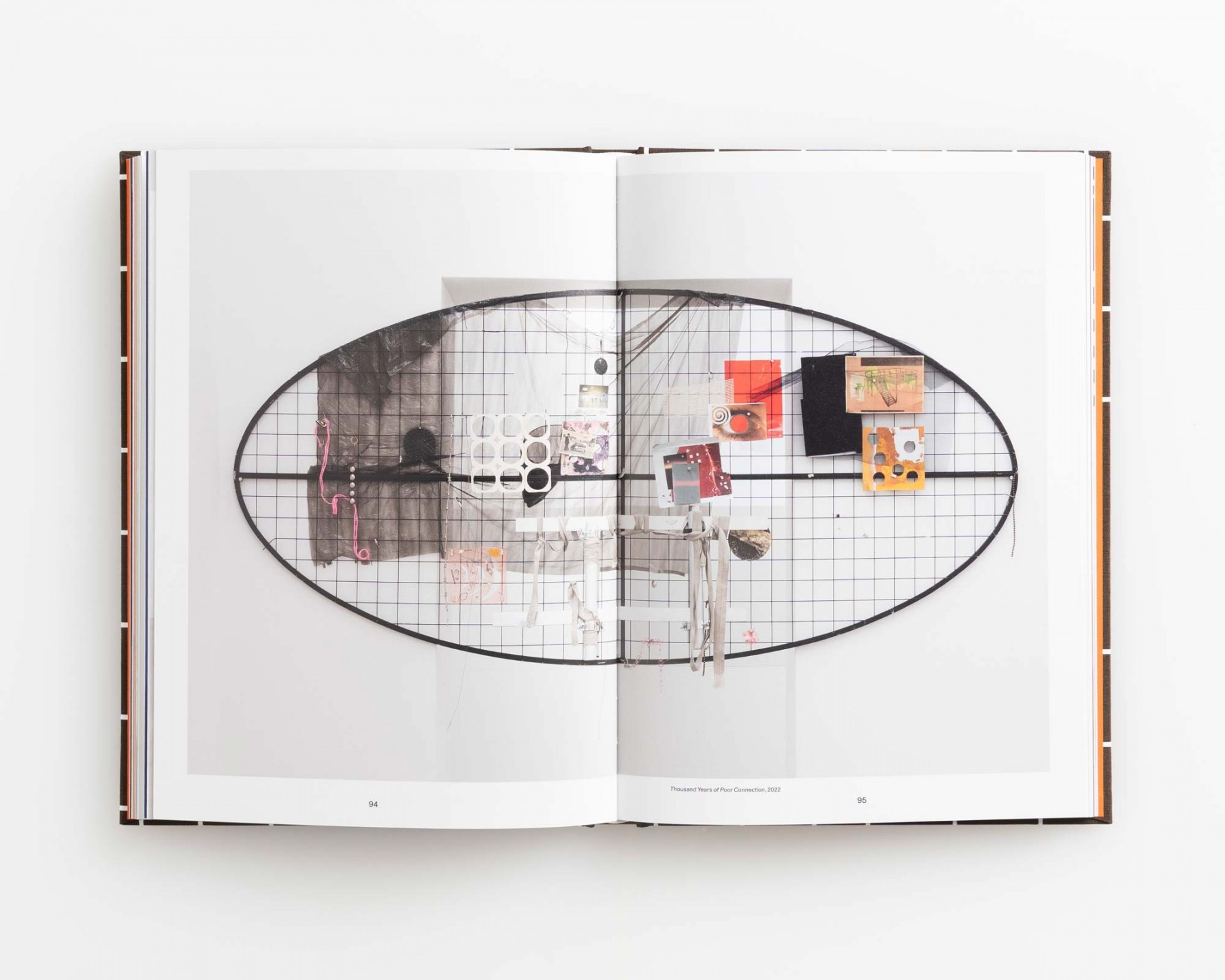
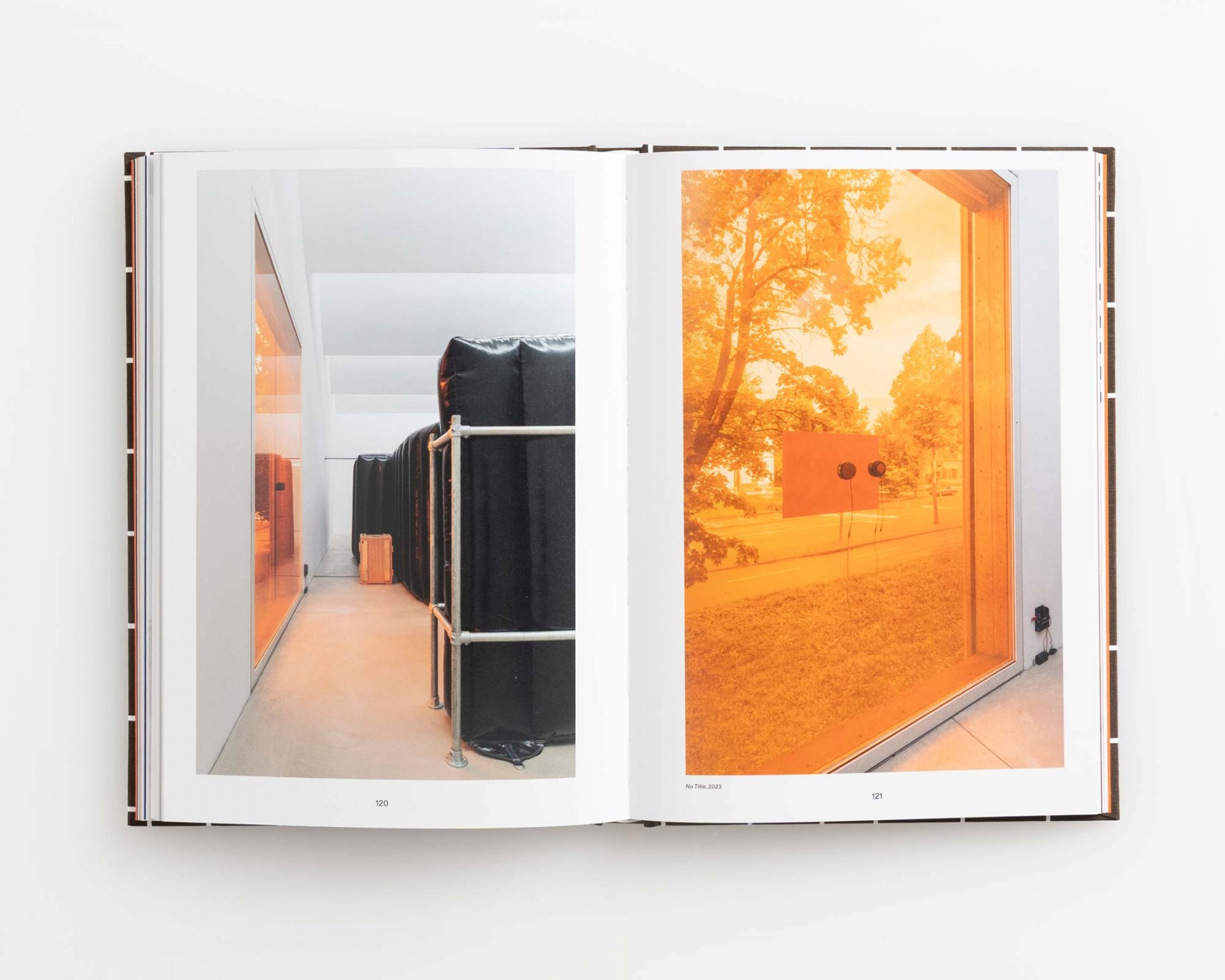
Swiss artist Jan Vorisek (born 1987 in Basel) works across sculpture, video and sound to create site-specific installations that examine formal hierarchies through the delineation of space. In assemblages of found materials and sound-producing devices, he explores the fluctuation of noise as a medium for information. The multitudes of the smallest details of Vorisek’s practice provide, just as the complexities of the room-size installation do, an intricate, layered and endlessly unfolding potential for encounter and revelation.
A recurring theme in Vorisek’s works is the idea of process, decay or corrosion, not only as metaphor but as operative method: structures and objects are continuously disassembled, re-organized, re-animated, creating fluctuating environments where form and sound interweave.
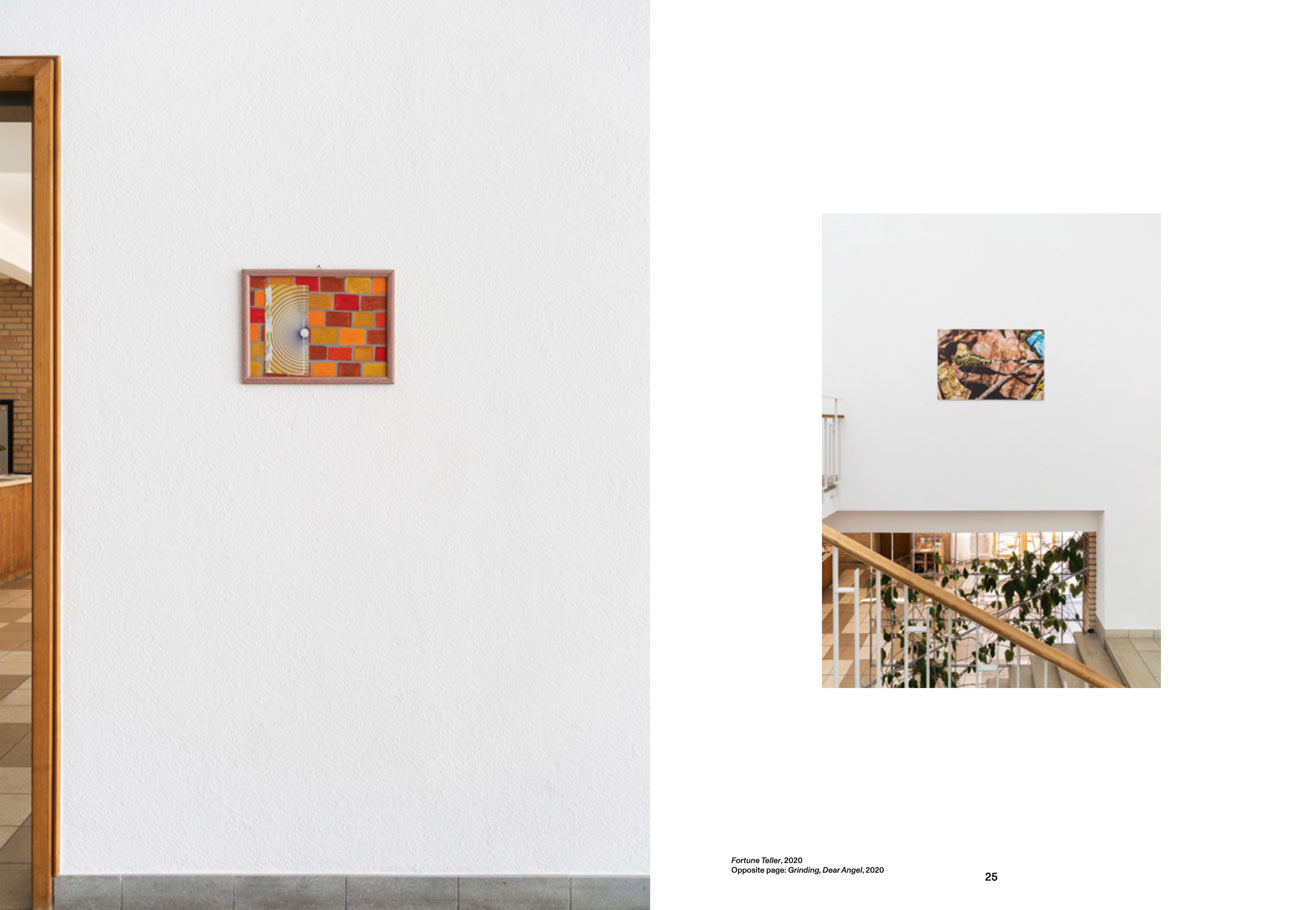
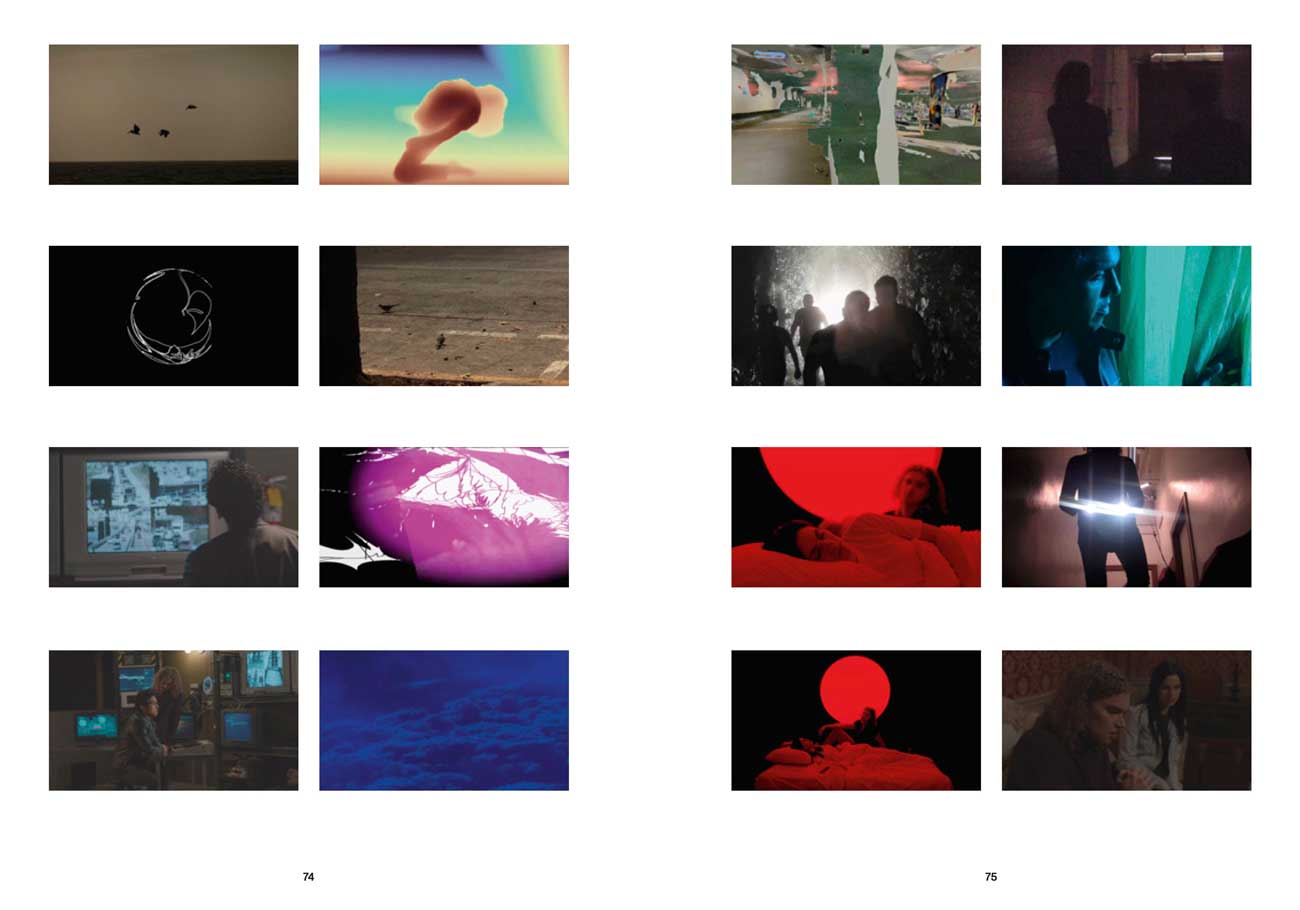
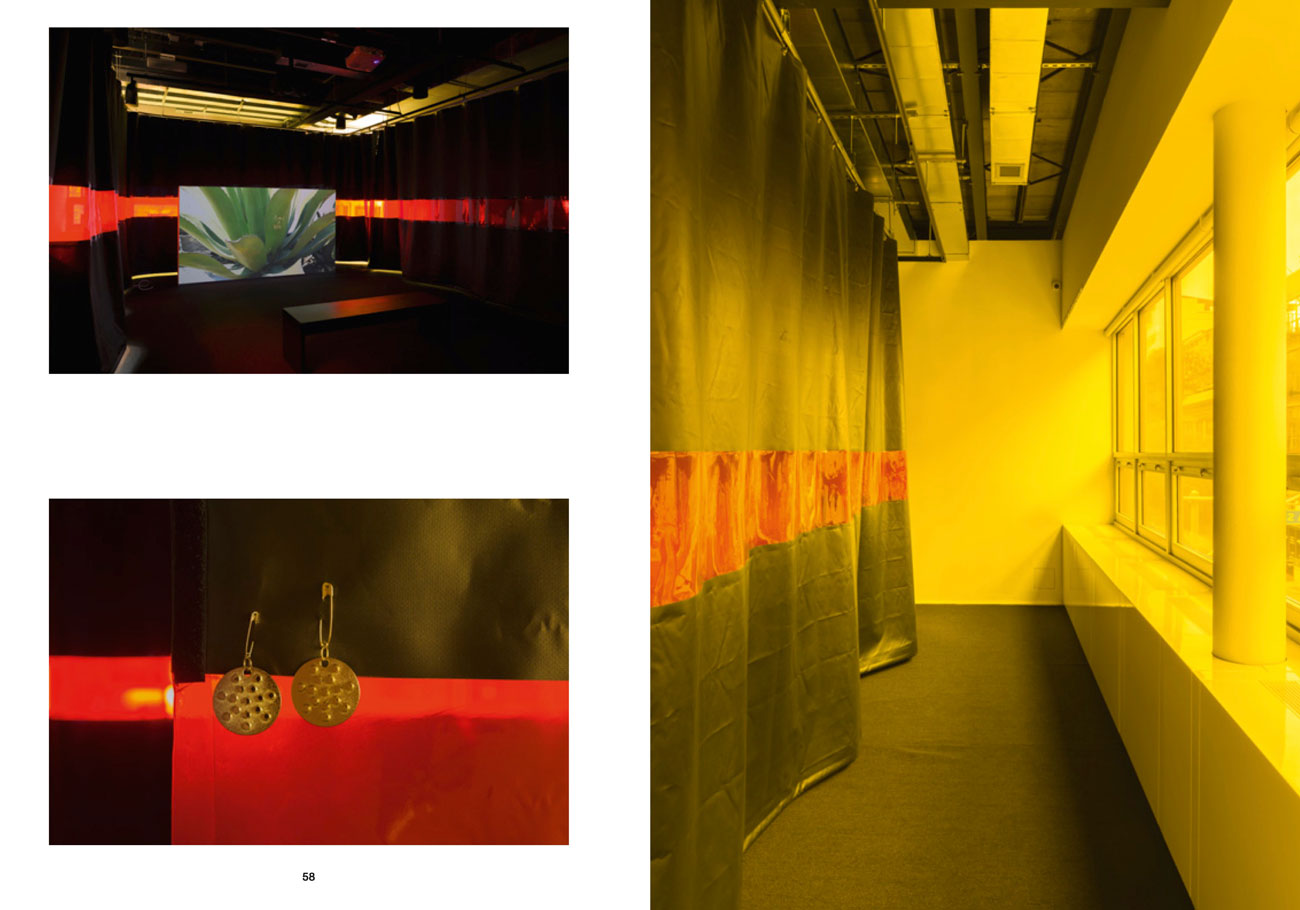
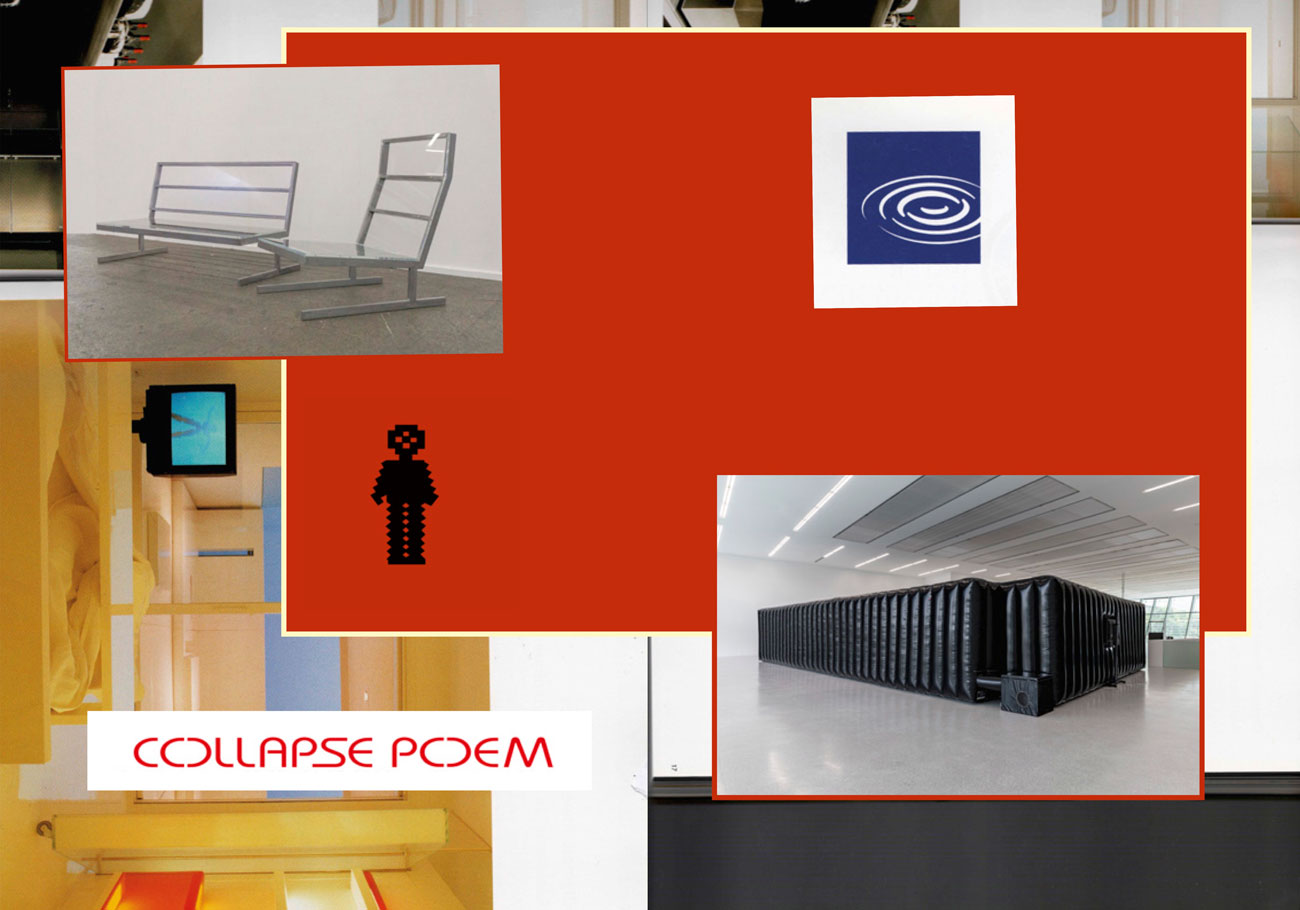
The essays in the artist’s first-ever monograph, alongside image portfolios of the exhibitions they explore and an appendix that features photos and documentation of Vorisek’s performances, recordings and ephemera, grant us unprecedented access to the private fictions that the work reveals.