In the first monograph on the feminist conceptual artist collective Claire Fontaine, political theorist and somatic practitioner Anita Chari explores the artist’s theoretical and political innovations to illuminate a more haptic, embodied approach to the practice of critical theory.
Shahryar Nashat inserts his art in the pages of this new artist’s book, which takes the form of a catalogue-turned-manual: but instead of explaining its meaning, he strips it of its aura, flaunts its nature as an object and describes step-by-step how to create it.
Martin Heidegger, Glenn Gould, Jacques-Louis David, Cy Twombly, Paul Engelmann and Ludwig Wittgenstein: characters that Francesco Arena has chosen or rediscovered in multiple contexts over the time recur in this book. Ranging from philosophy, to music, to visual arts, they embrace the whole world of knowledge.
This first institutional monograph on the multimedia practice of artist and director Ali Cherri aims to highlight the themes and formal concerns running through his most recent, highly significant projects at GAMeC, Bergamo; Frac Bretagne, Rennes; Swiss Institute, New York; Biennale Arte 2022, Venice; and the National Gallery, London.
The book highlights the main characteristics of the collective trauma that gave rise to Rachel Whiteread’s project for GAMeC. The psychoanalysts Angelo Antonio Moroni and Pietro Roberto Goisis map out a composite picture, starting from the sense of vulnerability and collective loss associated with the Covid-19 pandemic.
This book, with follows the eponymous exhibition at Mudam Luxembourg, is constructed as a story, with a prologue, four acts, and an epilogue: an intuitive journey through the voices of thirty-four artists from different generations who are experimenting with the idea of the performative.
Texts by Basma al-Sharif, Karim Kattan, Diego Marcon, et al.
Designed by Pierre de Belgique
2025, English / French, softcover, 23.5 x 27.5 cm, 284 pages
ISBN 979-12-80579-75-1
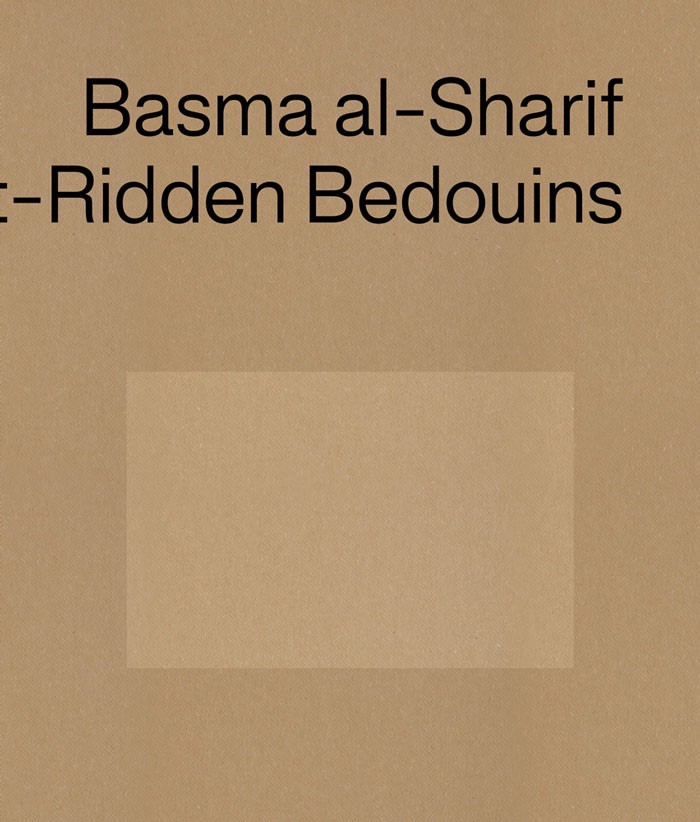
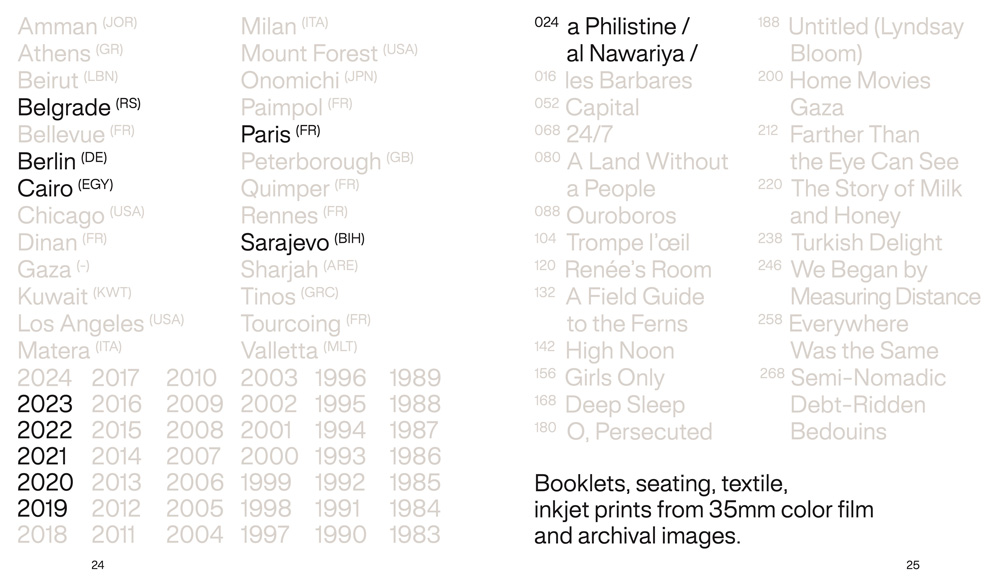
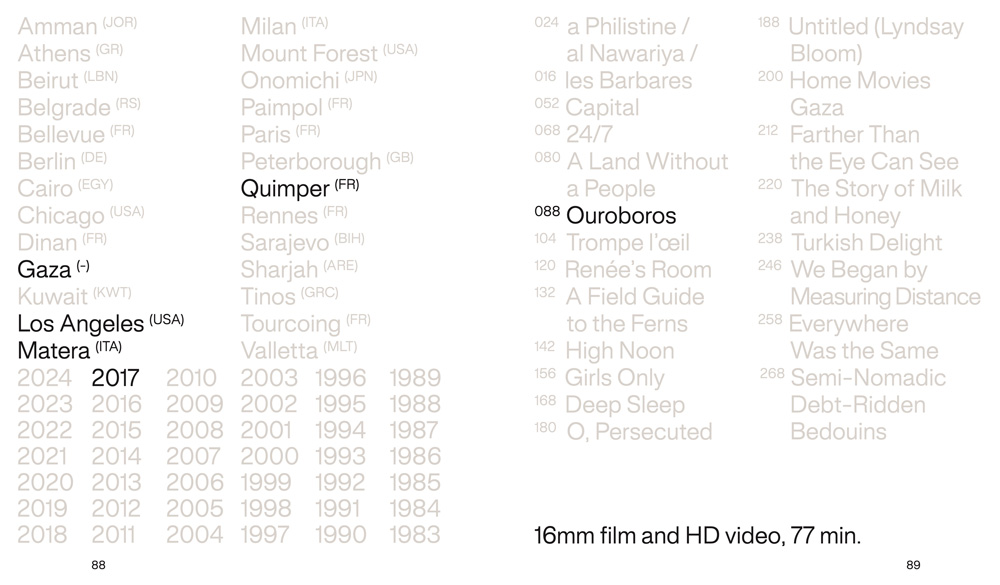
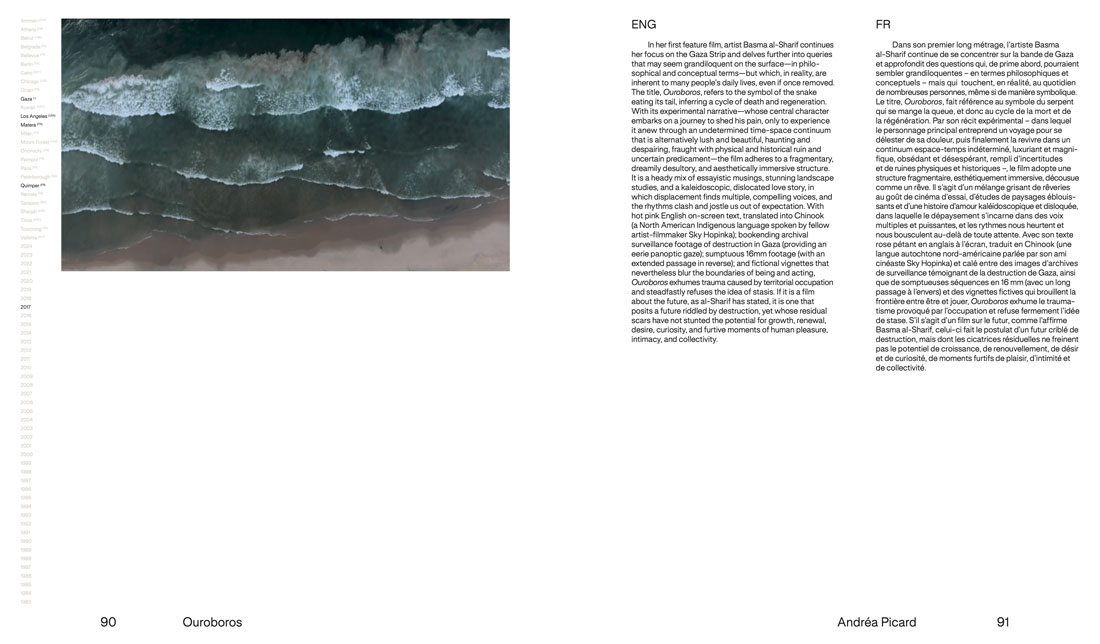
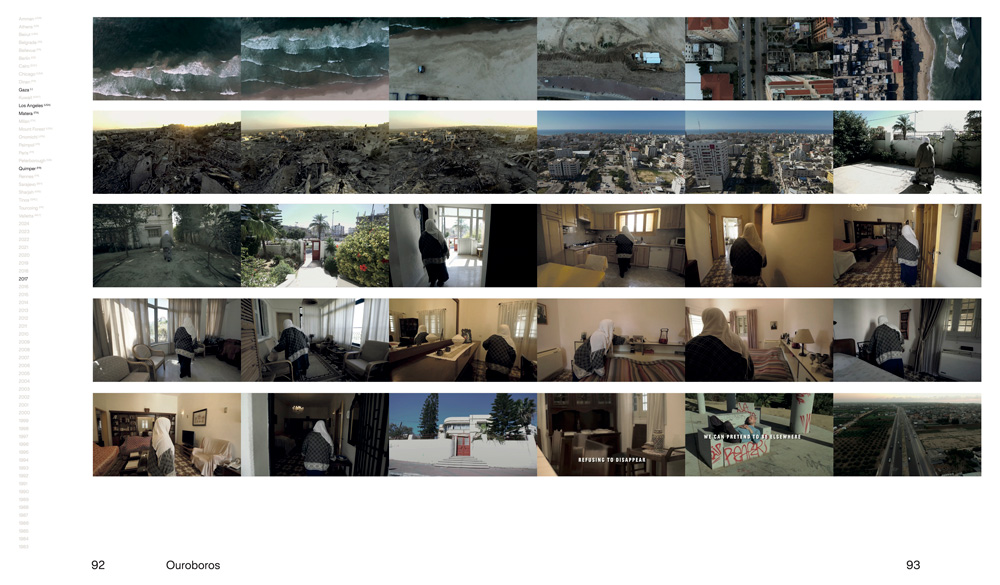
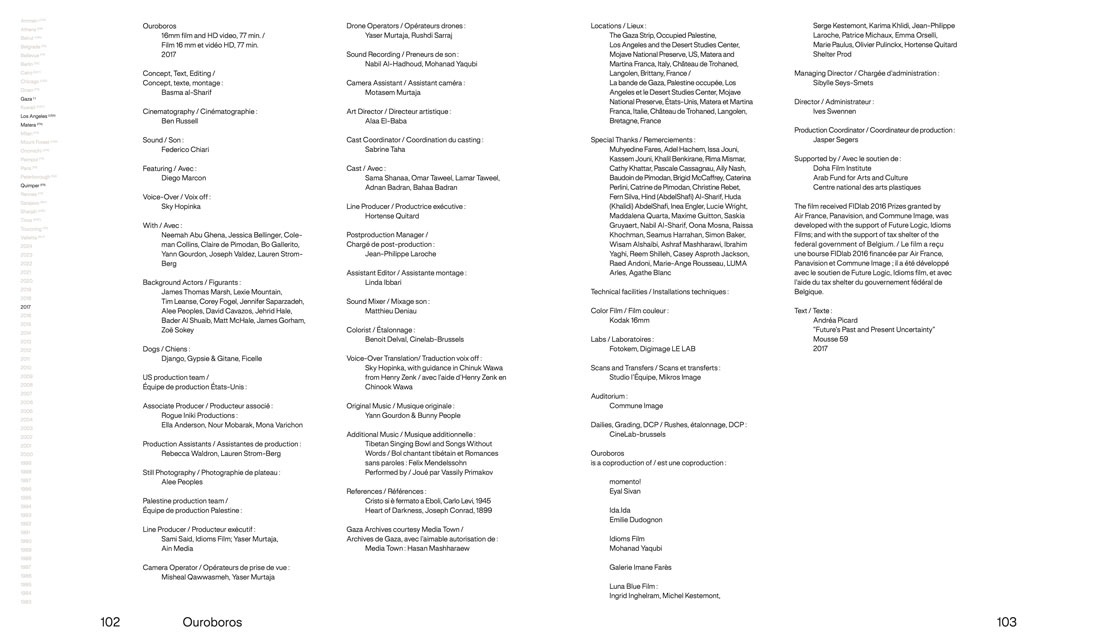
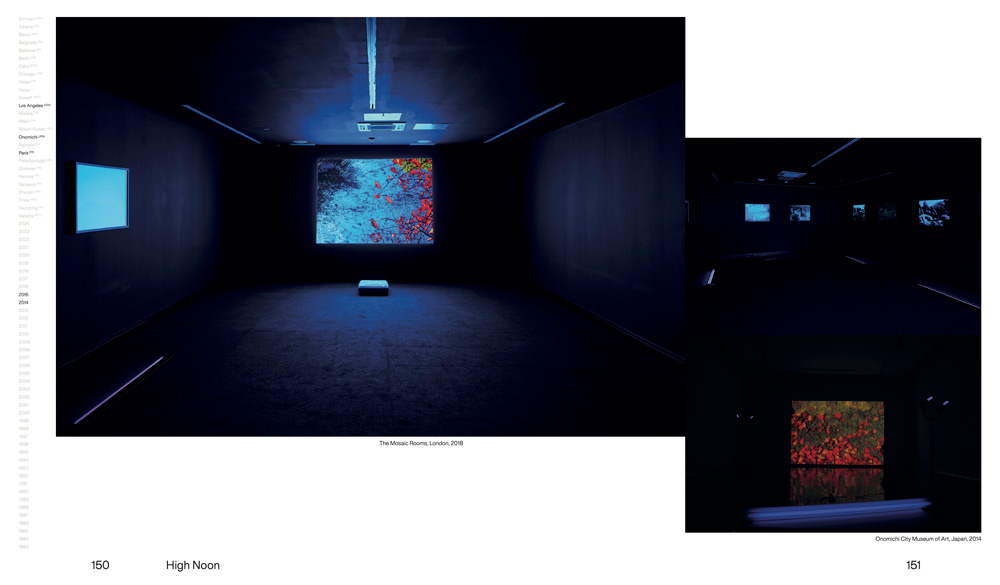
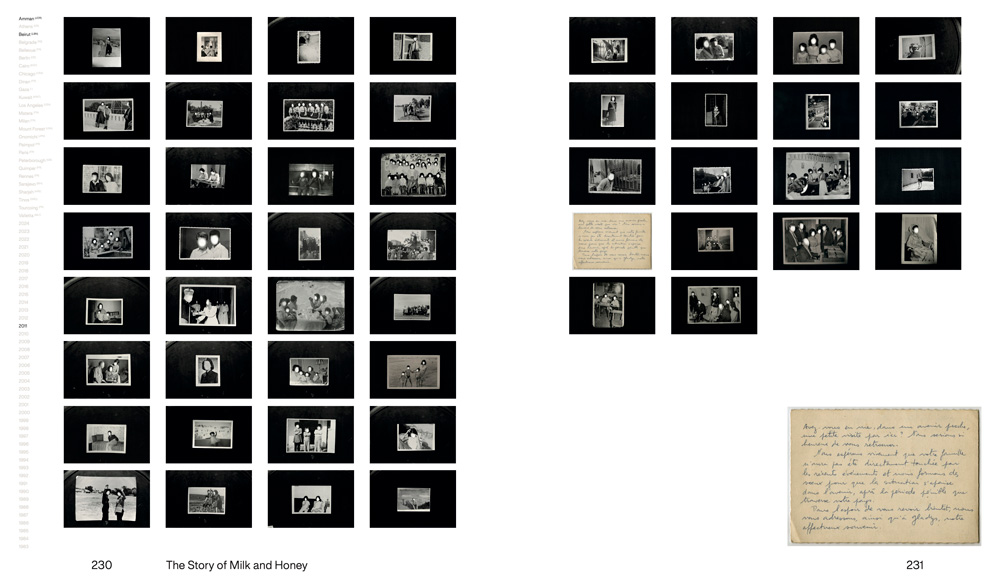
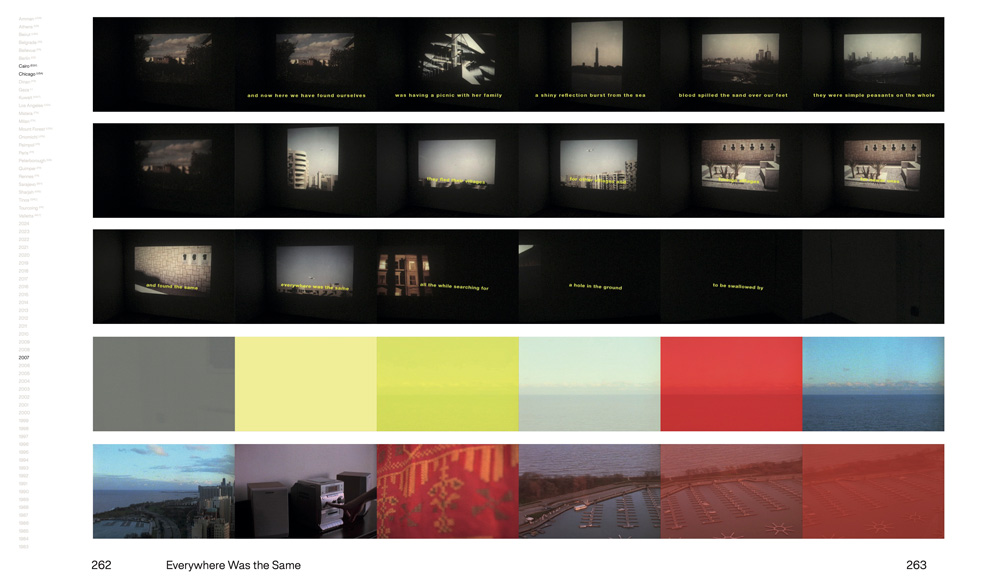
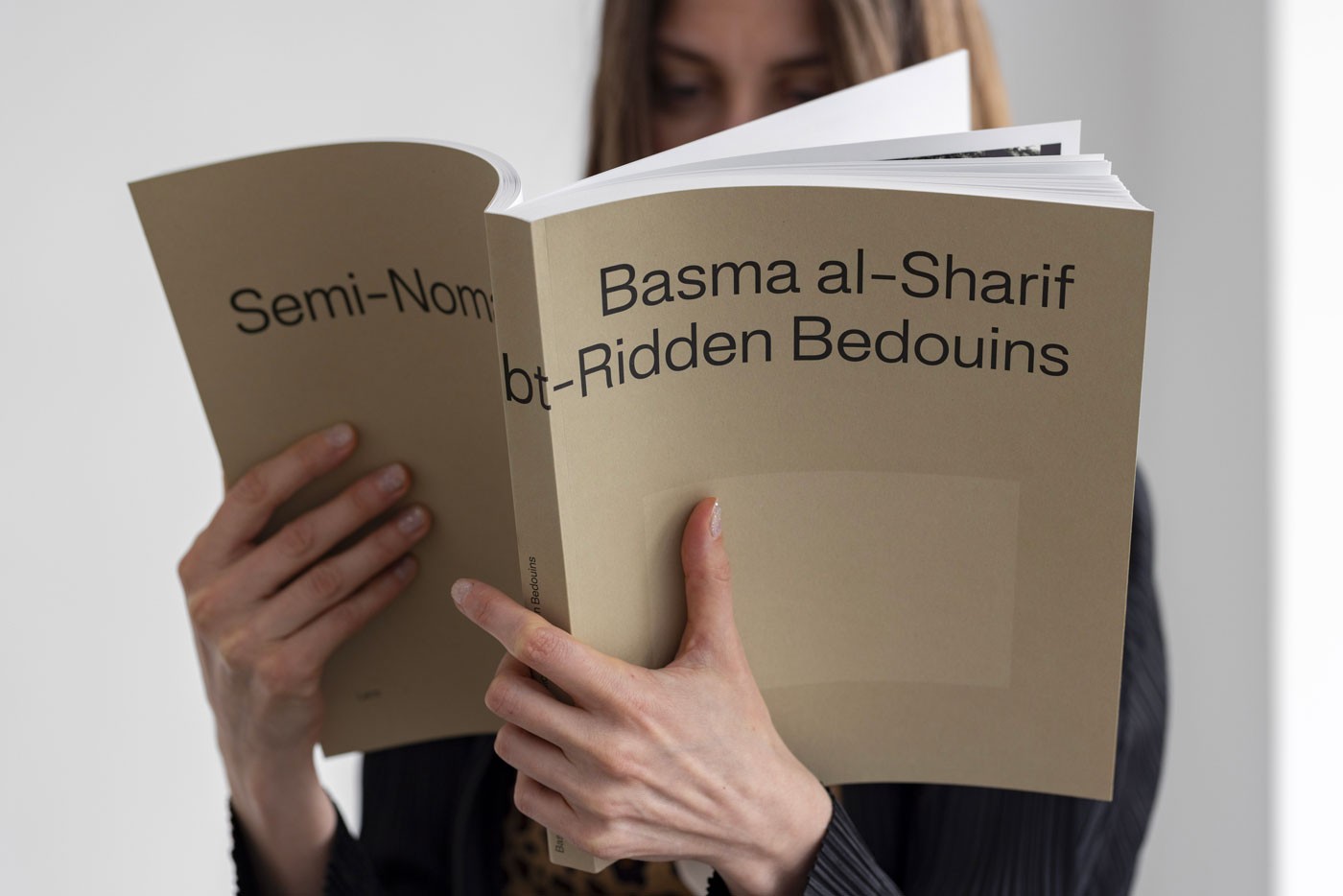
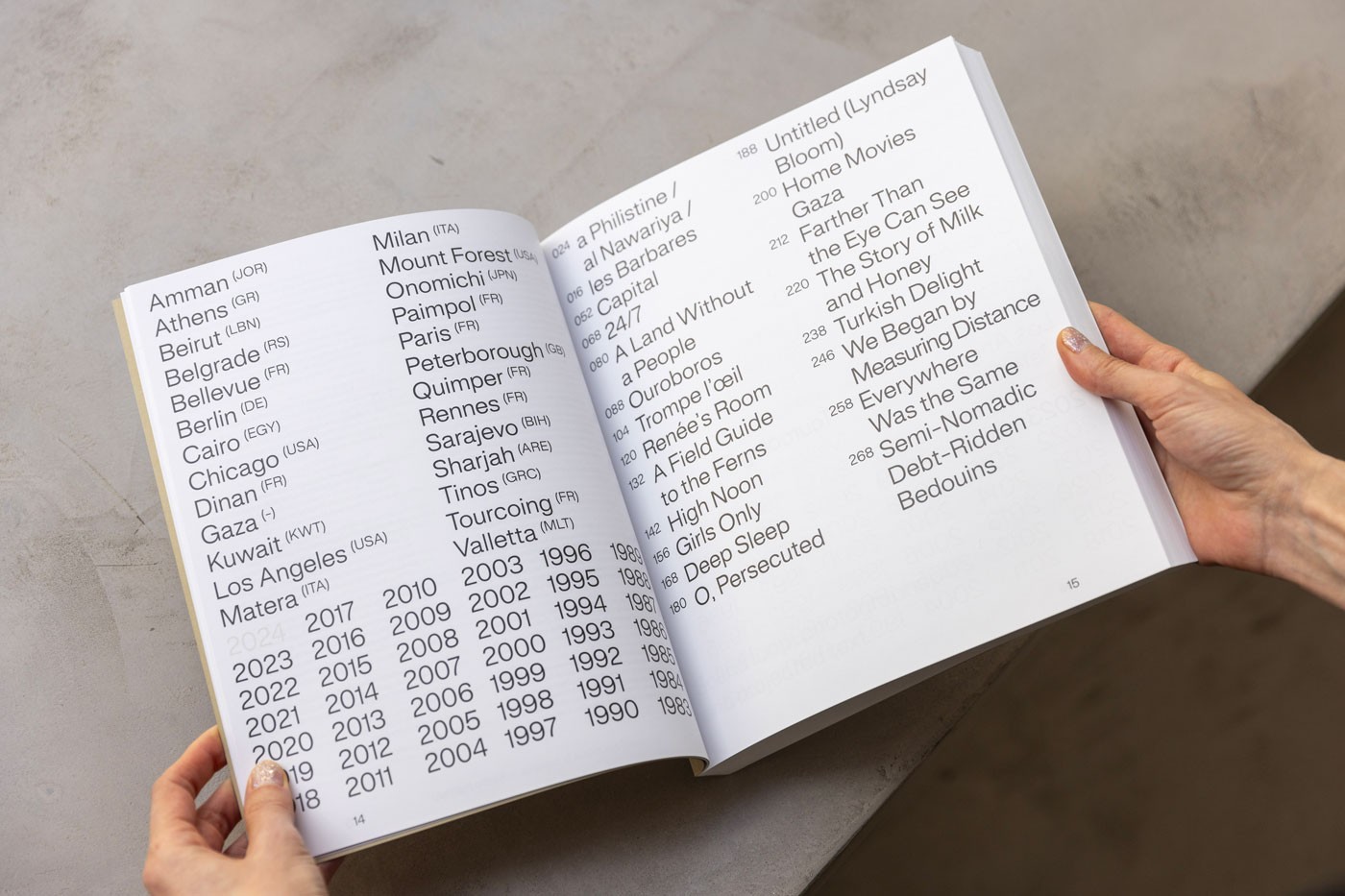
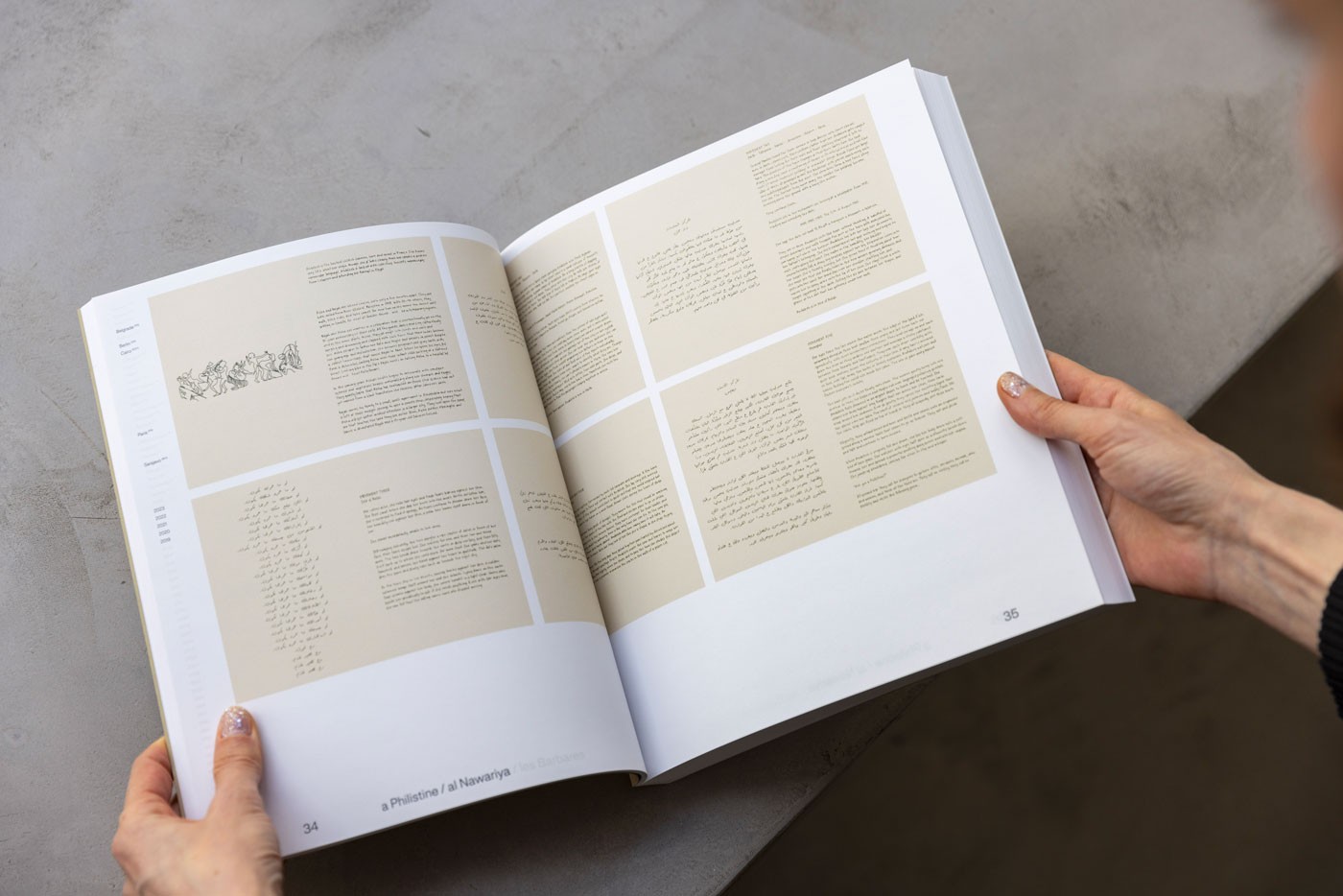
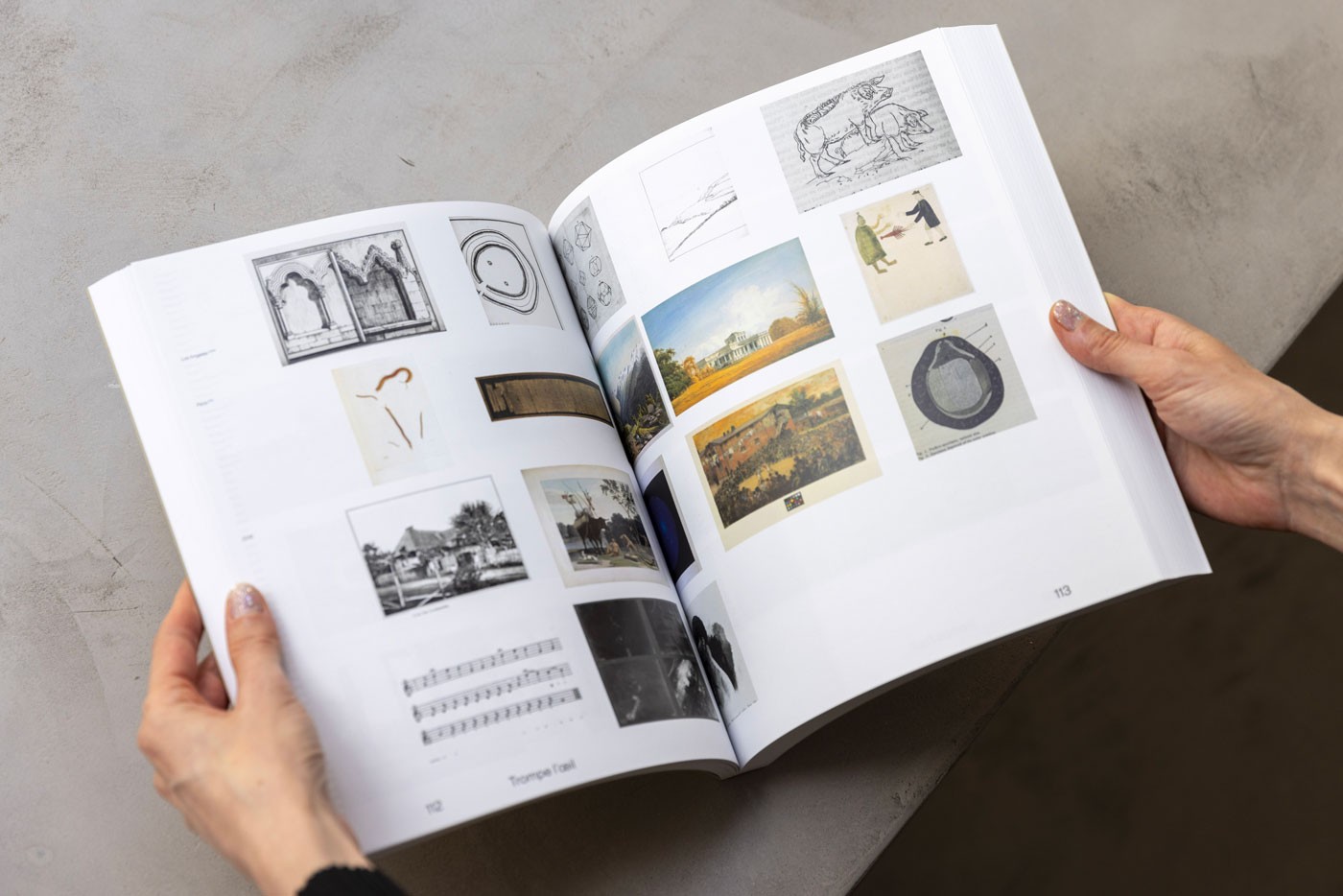
Semi-Nomadic Debt-Ridden Bedouins offers an in-depth look at nearly two decades of artistic output by the Palestinian artist and filmmaker Basma al-Sharif. Retracing her practice from recent works back to her earliest experiments, the book provides an original overview of how her visual language and conceptual concerns have evolved over time.
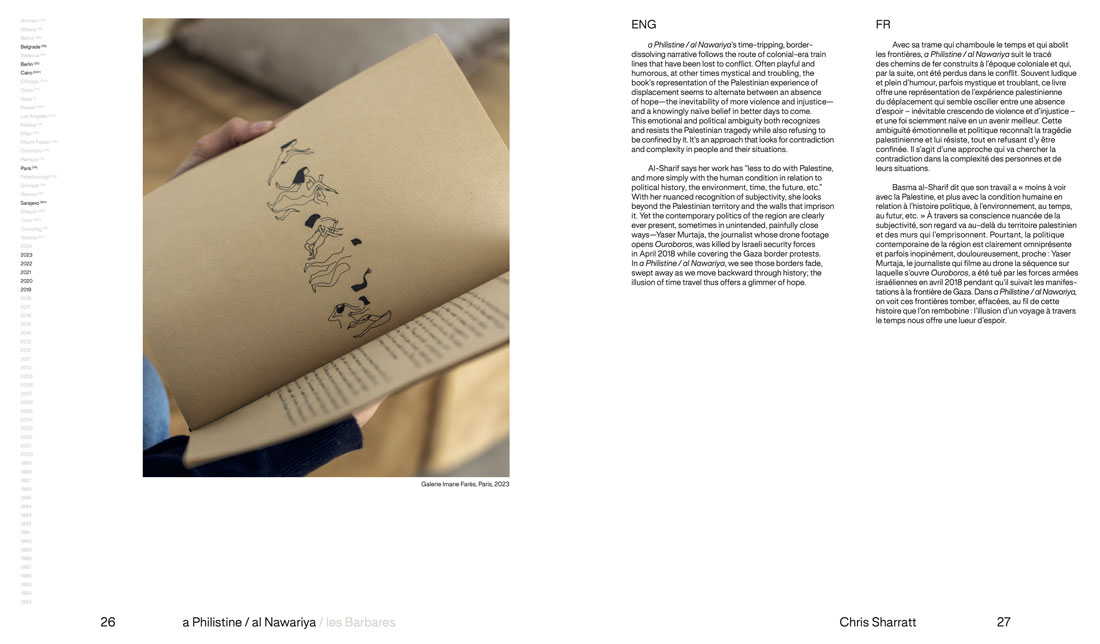
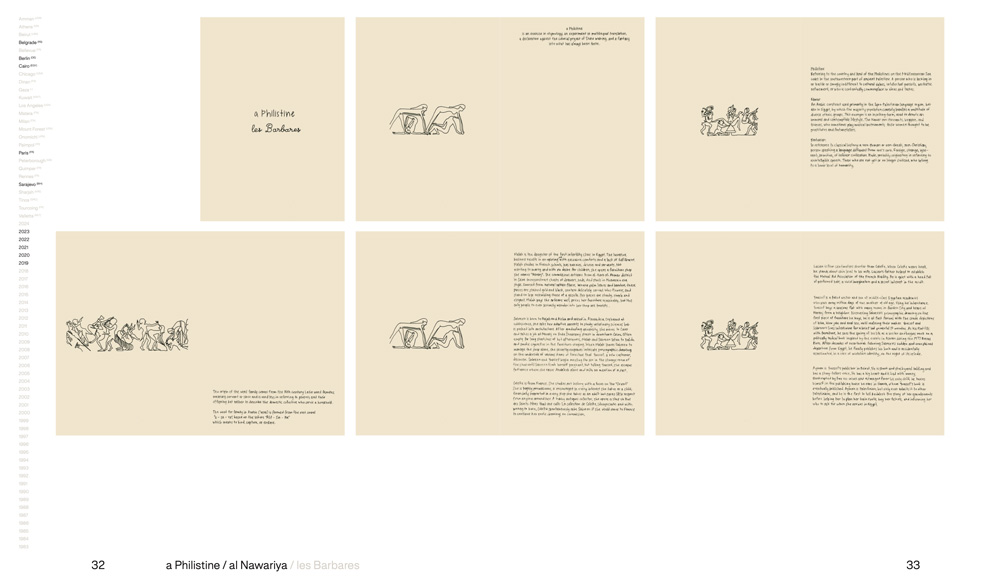
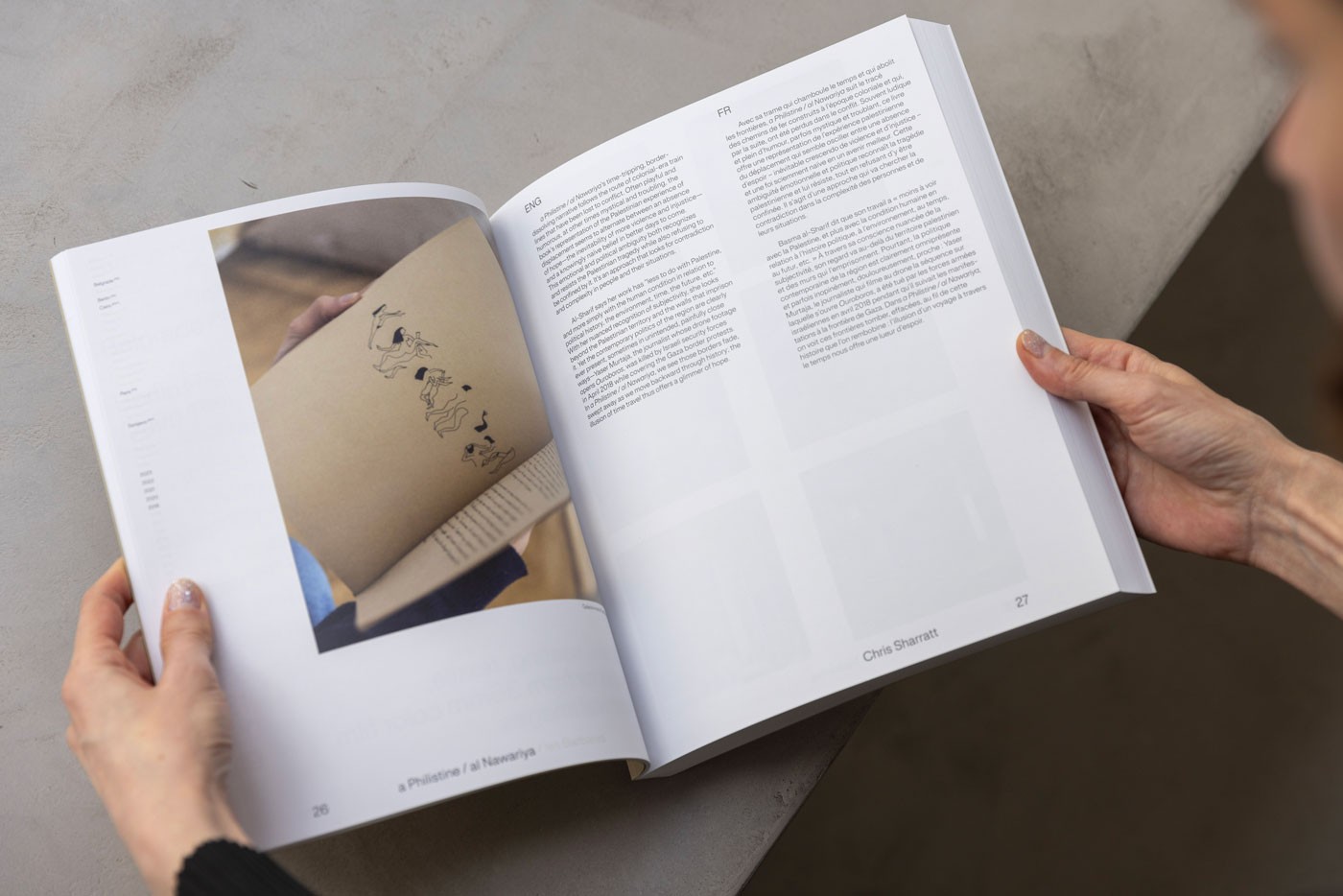
Basma al-Sharif’s films and installations navigate the unstable terrains of displacement, colonialism, and representation—often shaped by the ongoing reality of the occupation of Palestine. Through a rich selection of images and curatorial essays, the monograph highlights the layered political and cinematic frameworks within which her works are embedded.
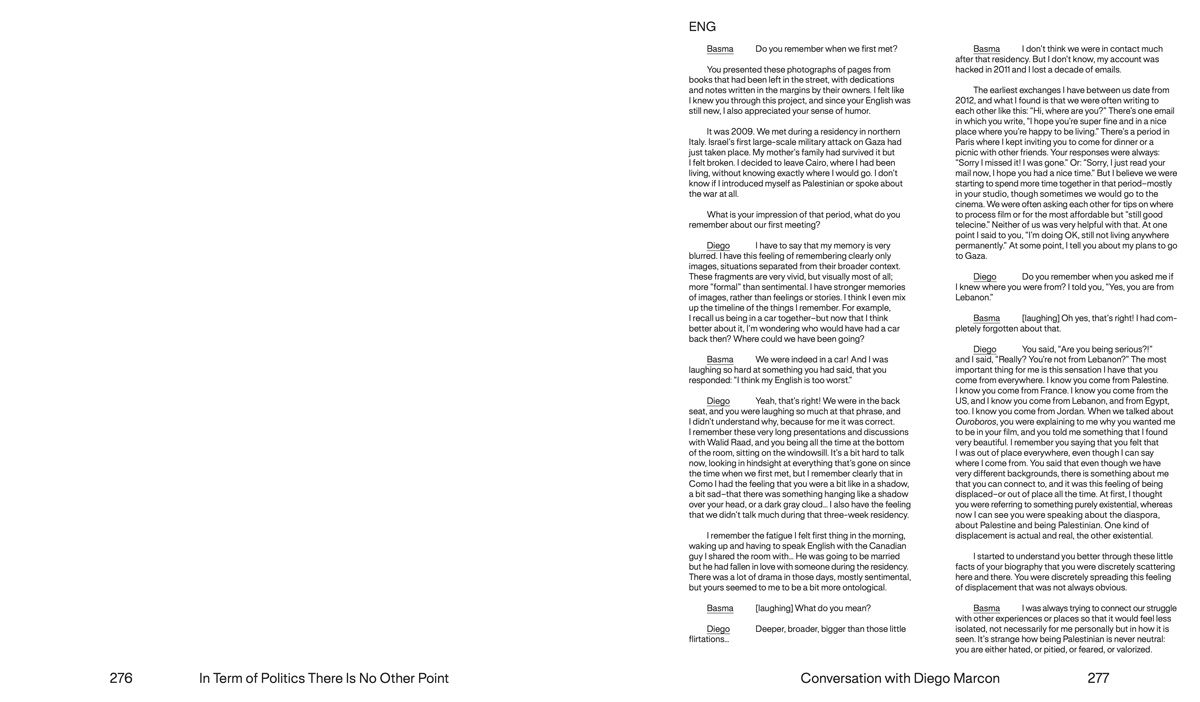
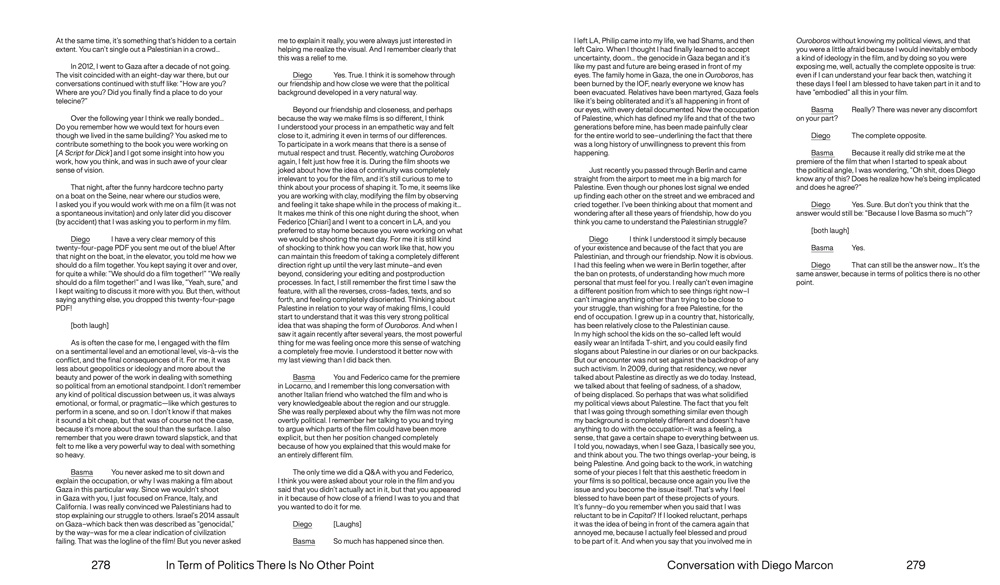
Also included are two newly commissioned literary contributions: a fictional piece by Karim Kattan that resonates with the themes of place and estrangement, and a conversation between al-Sharif and the artist Diego Marcon, in which they reflect on shared affinities, artistic processes, and their long-standing dialogue. Blurring the personal and the political, the real and the imagined, Semi-Nomadic Debt-Ridden Bedouins captures the complexity and urgency of al-Sharif’s artistic journey.