The paintings and drawings by Jake Grewal draw the viewer in through stillness and ambiguity: they invite reflection on how we inhabit places—physically and emotionally—and how our inner landscapes mirror the physical world. This is the Grewal’s first book, published to accompany the artist’s exhibition at Studio Voltaire.
The transformation of the notion of monuments and the way cultural institutions choose to deal with it find in Maurizio Cattelan an interpreter capable of manipulating historical memory and shared symbols, to the point of turning them into a terrain of doubt and play. Lisa Parola and Lorenzo Giusti investigate the potential of contemporary art within the public sphere.
This is a visual archive of 12 years of developing, designing and exhibiting the House of One, a multireligious sacred space in the heart of Berlin. The architecture, conceived by Kuehn Malvezzi, has been displayed at various venues while being developed in close collaboration with three local religious communities in Berlin since 2012.
The first major monograph on artist Jill Mulleady, whose paintings thread motifs of decay, memory, history, and private myth, featuring humans and animals enacting their instinctive psychological reactions to ever-present threats of danger.
The essays in this first-ever monograph dedicated to Swiss artist Jan Vorisek, alongside image portfolios of the exhibitions they explore and an appendix that features photos and documentation of Vorisek’s performances, recordings and ephemera, grant us unprecedented access to the private fictions that the work reveals.
Since the 1990s Costa has been challenging hierarchies of art production and the fetishization of the “finished” artwork, inviting viewers to reconsider what is discarded, both materially and socially. Through over 300 artworks, accompanied by new writing, this catalogue explores Adriano Costa’s work, a meditation on transformation—of objects, meanings, and systems of value.
Edited by Edoardo Bonaspetti, Erlend Hammer and Fredrik Værslev
Texts by Erlend Hammer and Martha Kirszenbaum
Design Lorenzo Mason Studio
2023, English, softcover, 23.5 x 33.5 cm, 184 pages
ISBN 979-12-80579-34-8
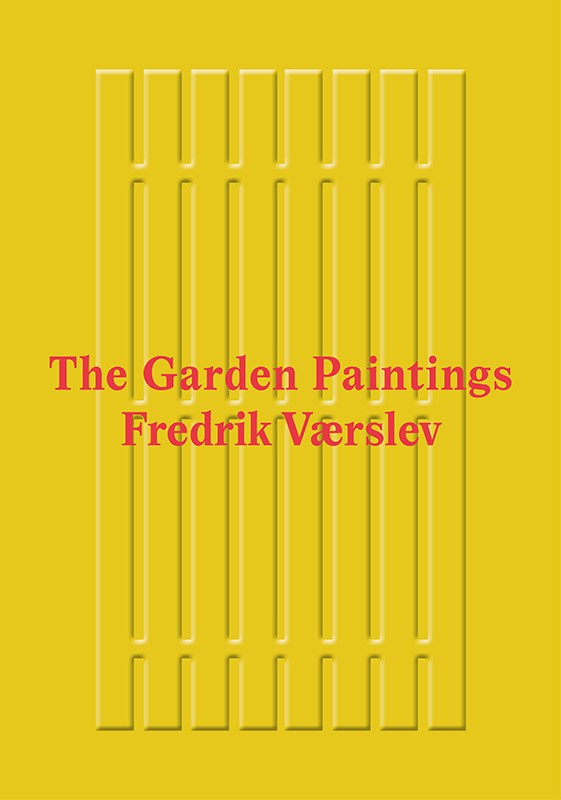
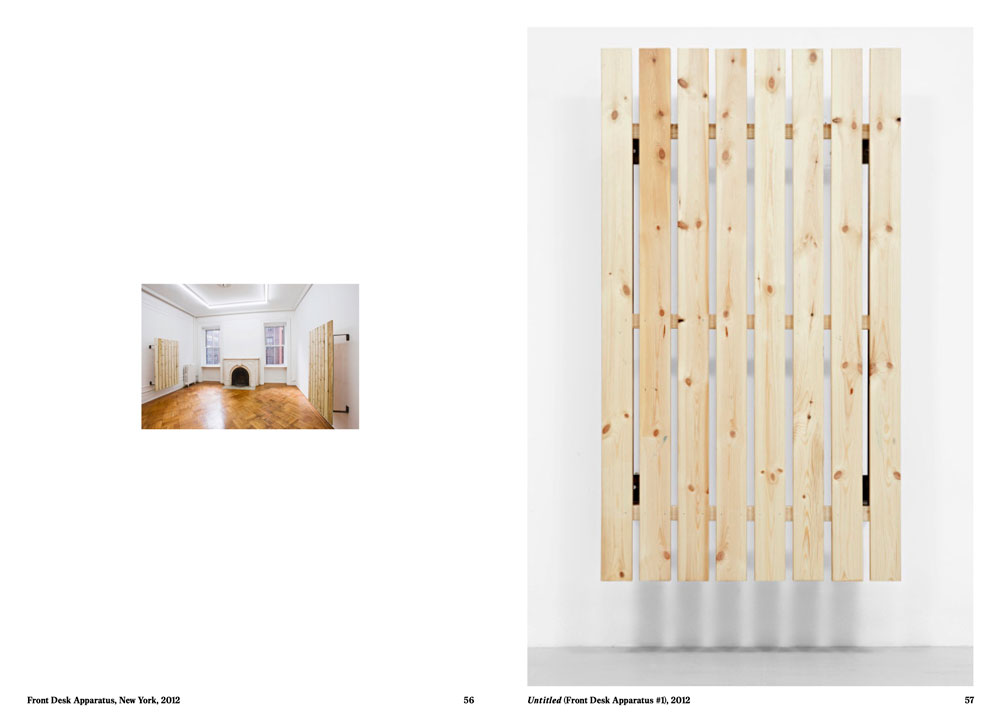
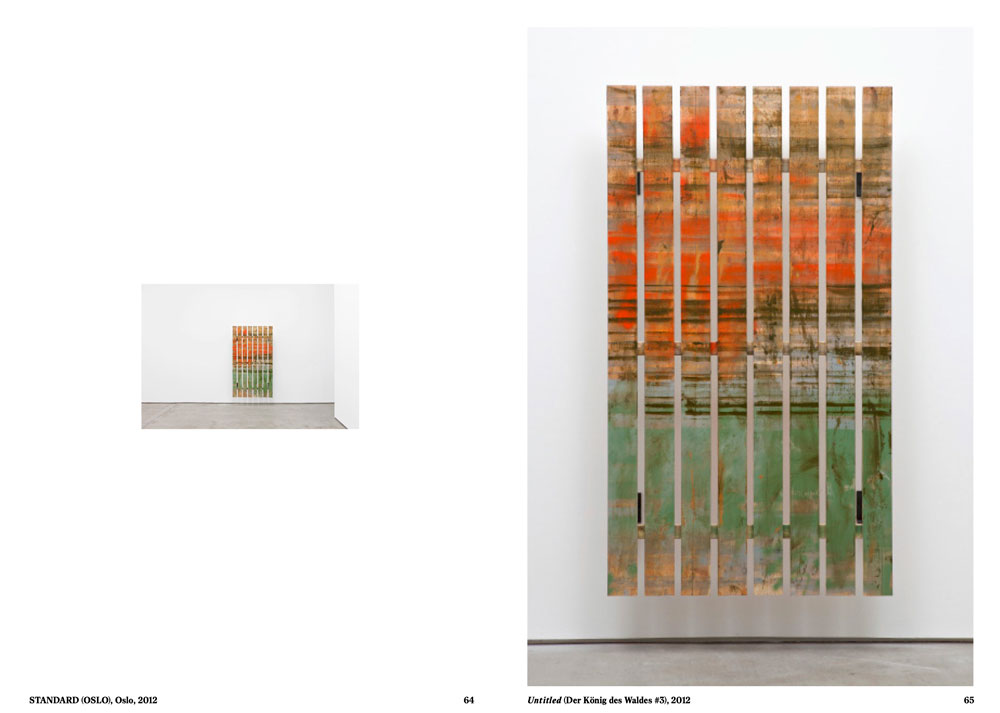
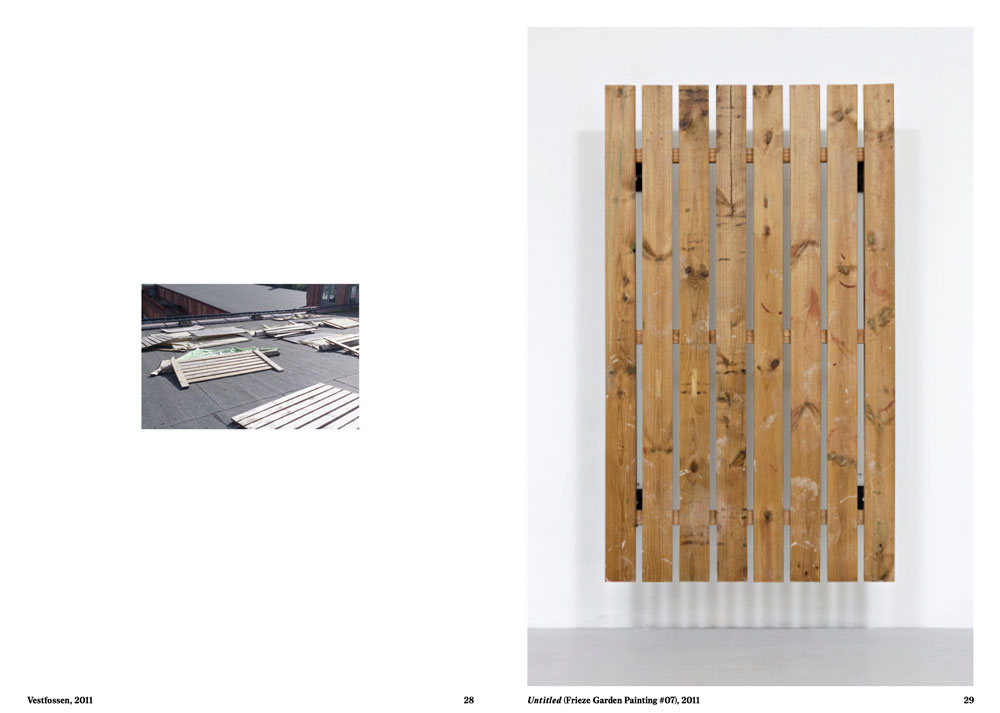
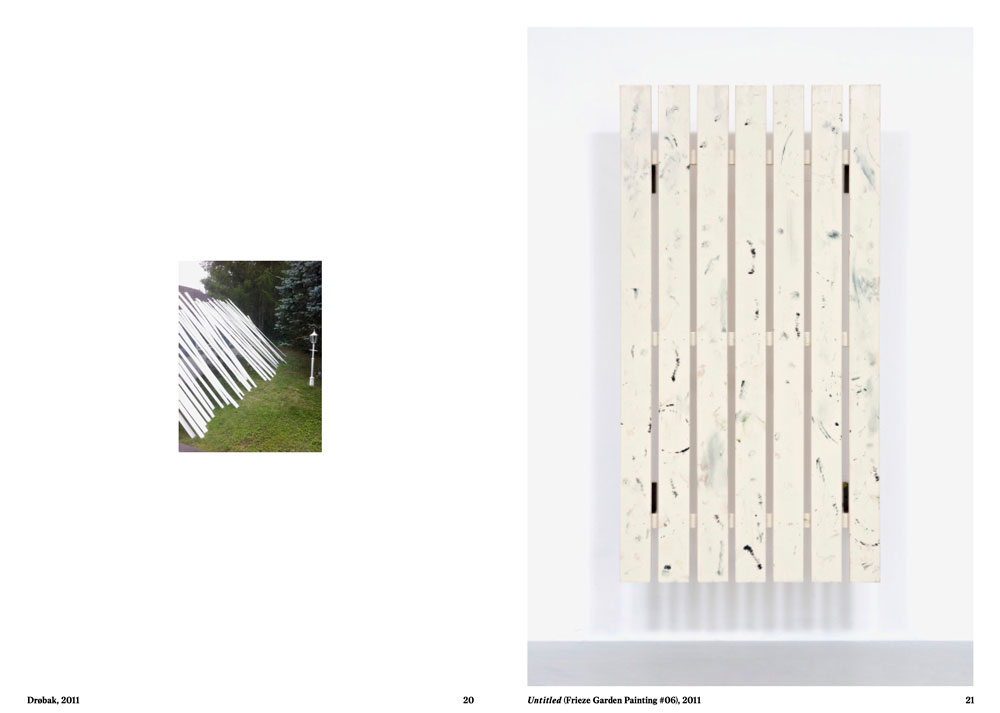
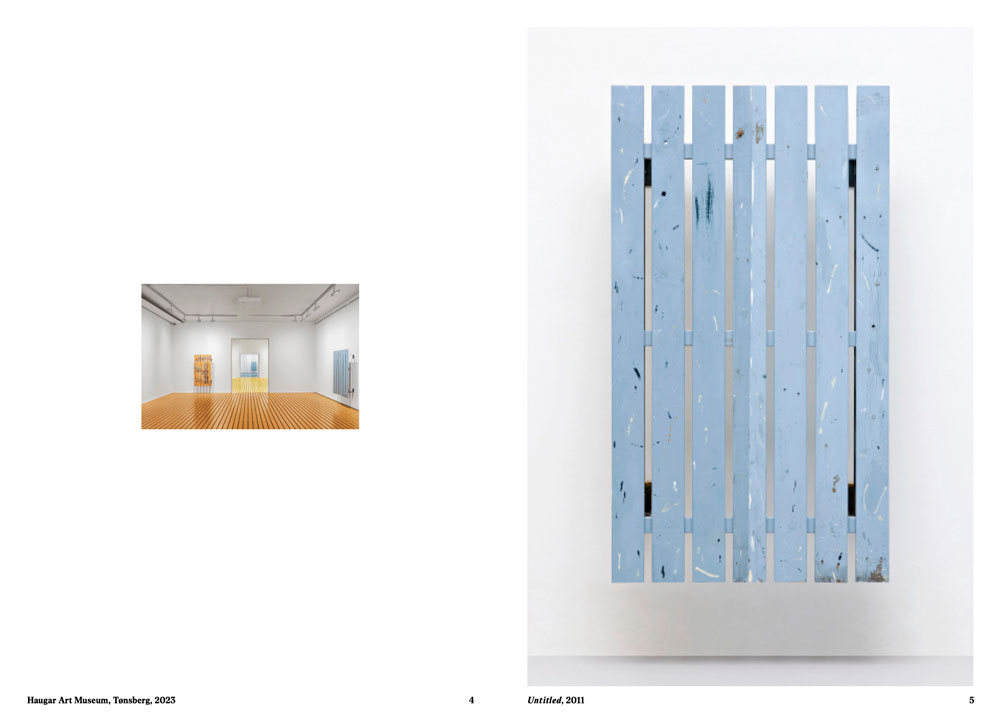
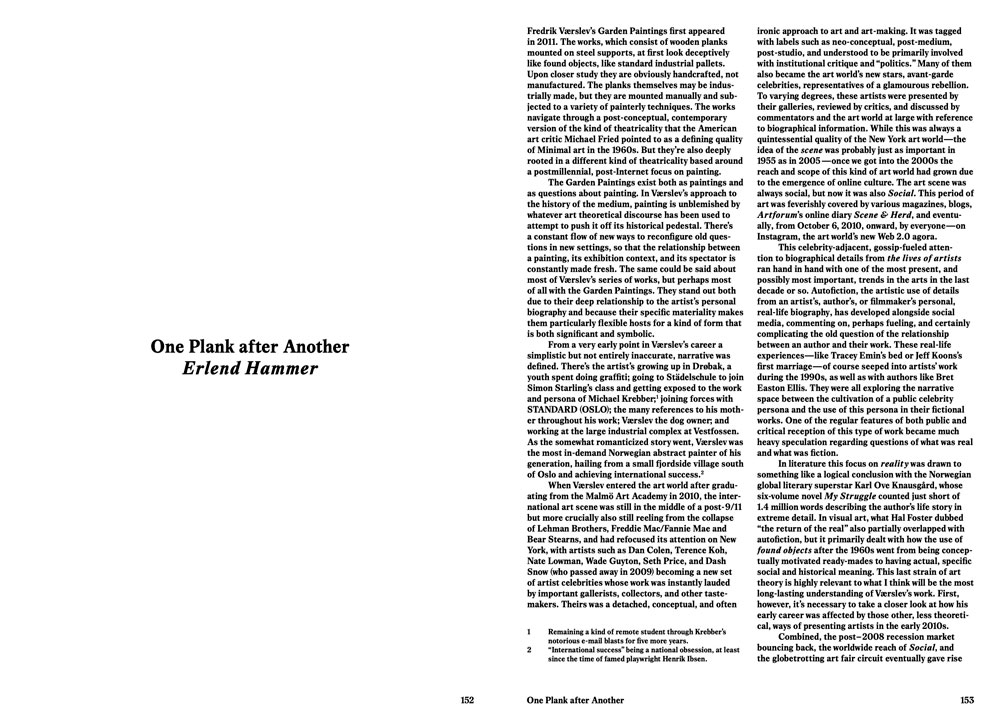
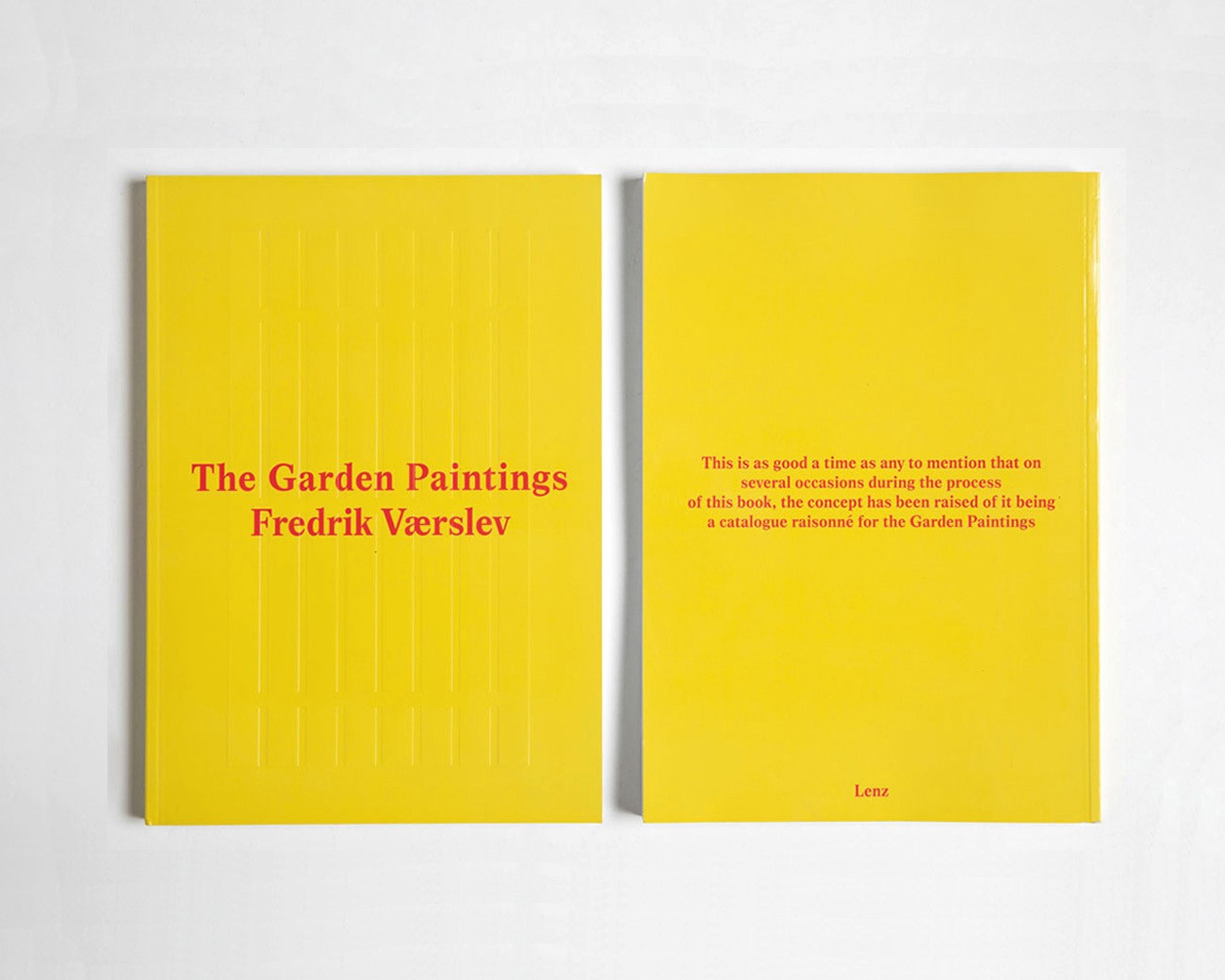
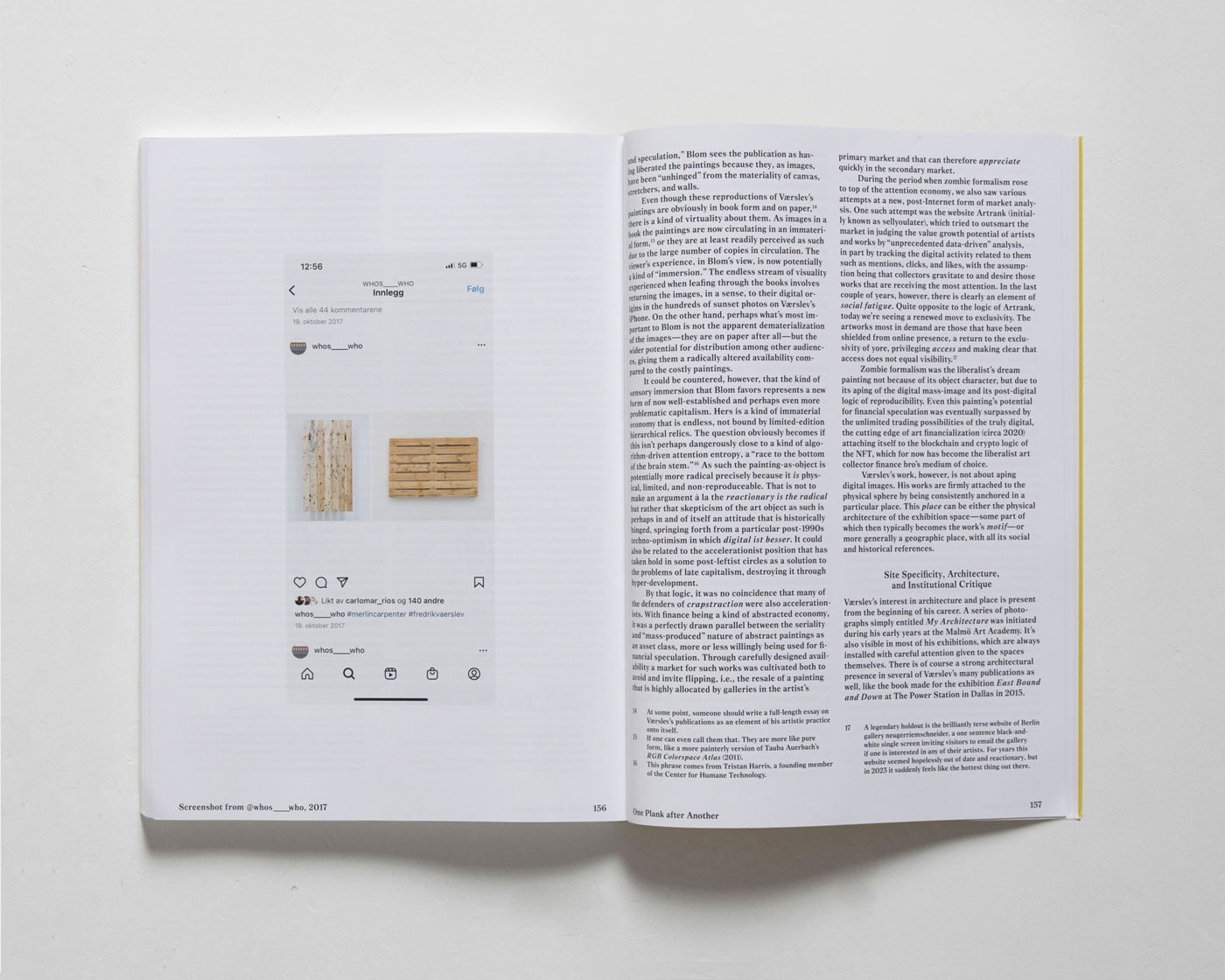
Fredrik Værslev: The Garden Paintings is the first publication dedicated to a single body of work by the artist. As Erlend Hammer writes in his essay: “The Garden Paintings are works that exist within a complex network of references that include everything from Abstract Expressionism to suburban garden furniture as one might find in an event organized as a platform for relational aesthetics. They similarly engage, art-historically speaking, with everything from the anthropological site specificity of Robert Smithson’s relics, the theatricality of Minimal sculpture, architecturally loaded carriers of institutional critique, and post-conceptual painting objects. At the same time, they’re also just paintings.”
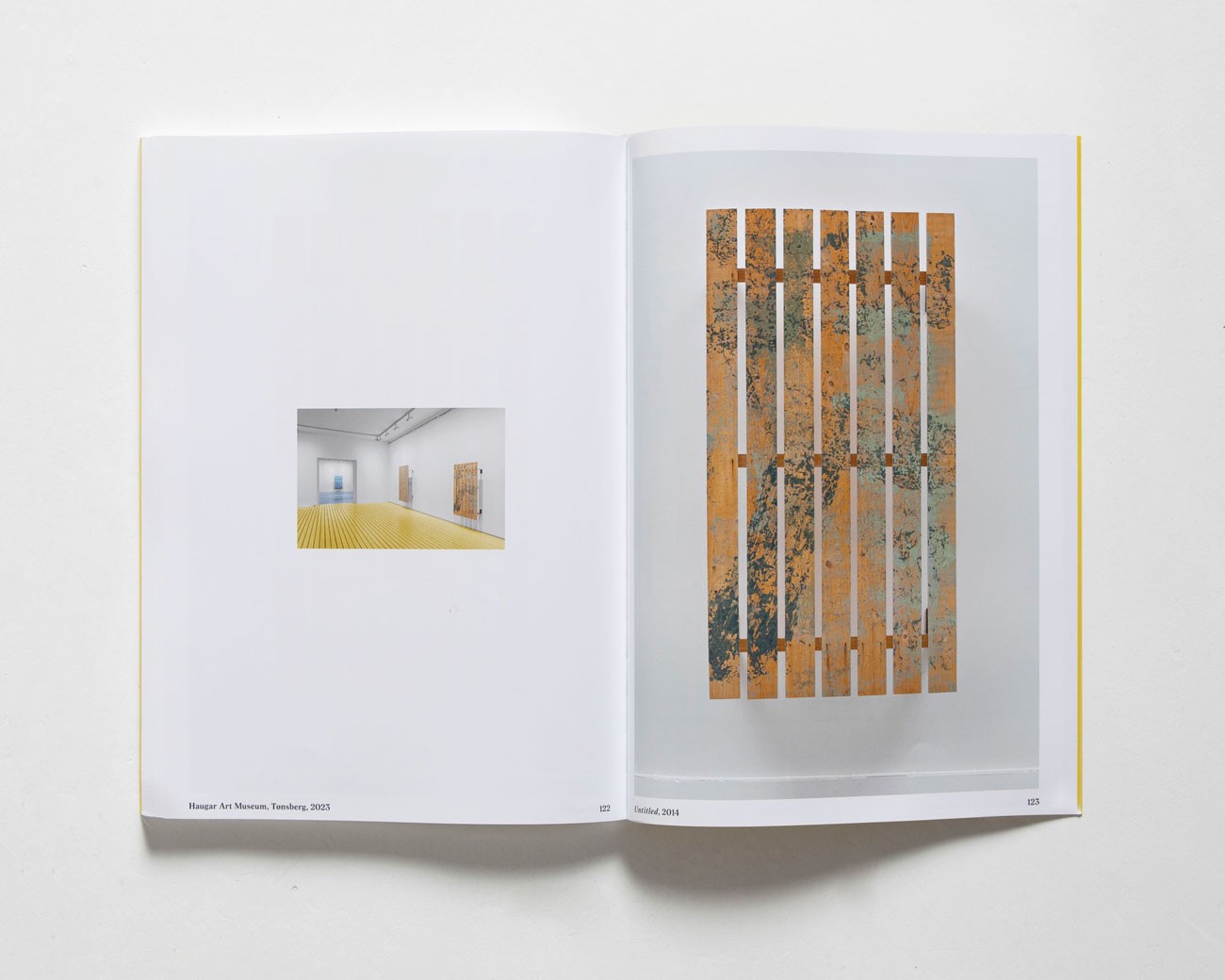
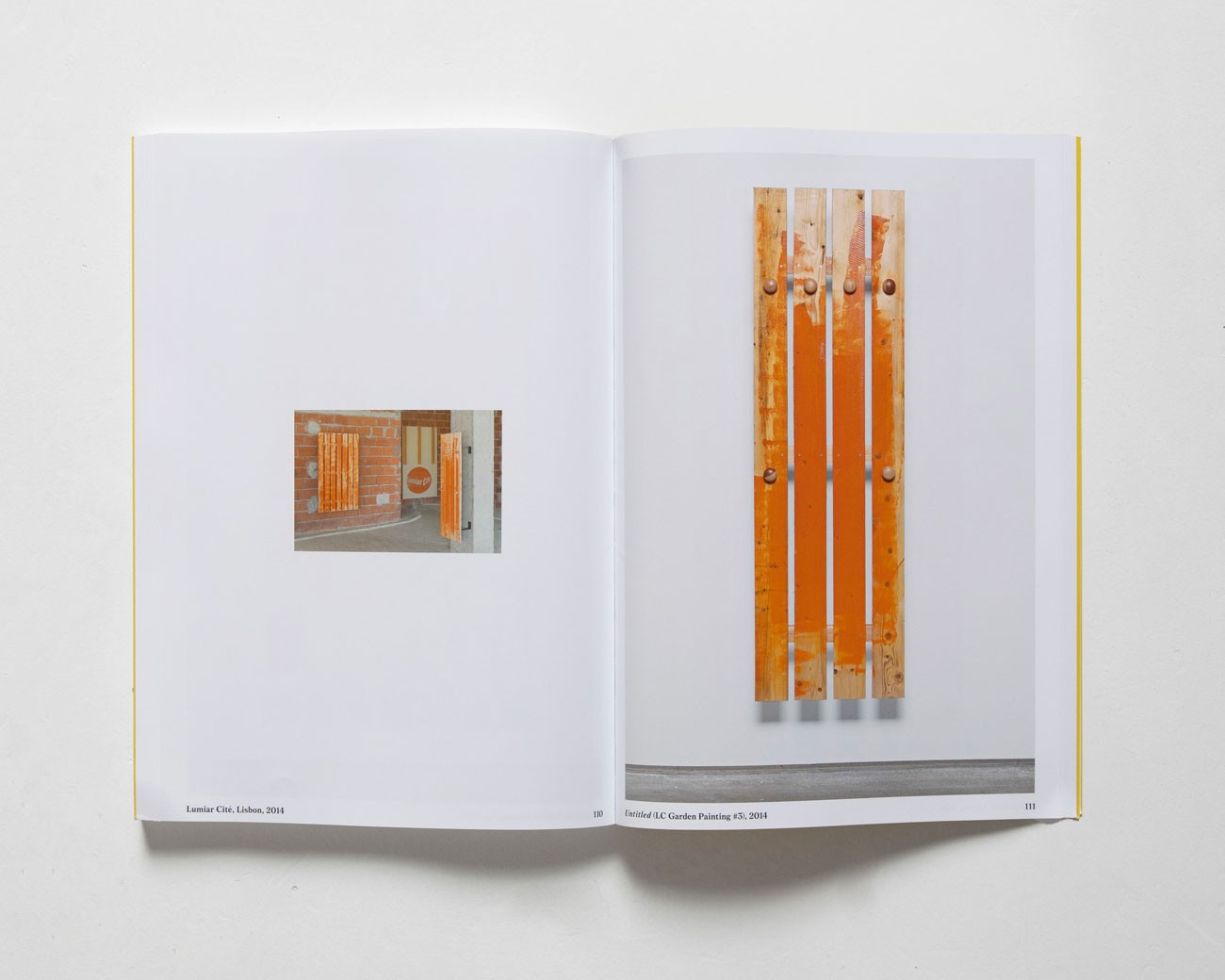
In her essay, Martha Kirszenbaum points to the origin of the work in the suburban architecture of Norway in the 1980s: “His Garden Paintings are as much a homage as a misuse and a detournement of the wooden decks that formed the environment of his upbringing. Each work is based on an appropriation of wooden pallets, always seemingly the same size and comprised of seven or eight slats. The repetition of structure and material seems to echo the monotony of suburban life, while the various color palettes he uses refer to Norwegian housepaint.”
The publication gives a comprehensive and chronological account of the Garden Paintings as well as their exhibition history. It thereby shows both the stylistic development of the individual works and the various ways Værslev has presented them since he first began the series in 2011.
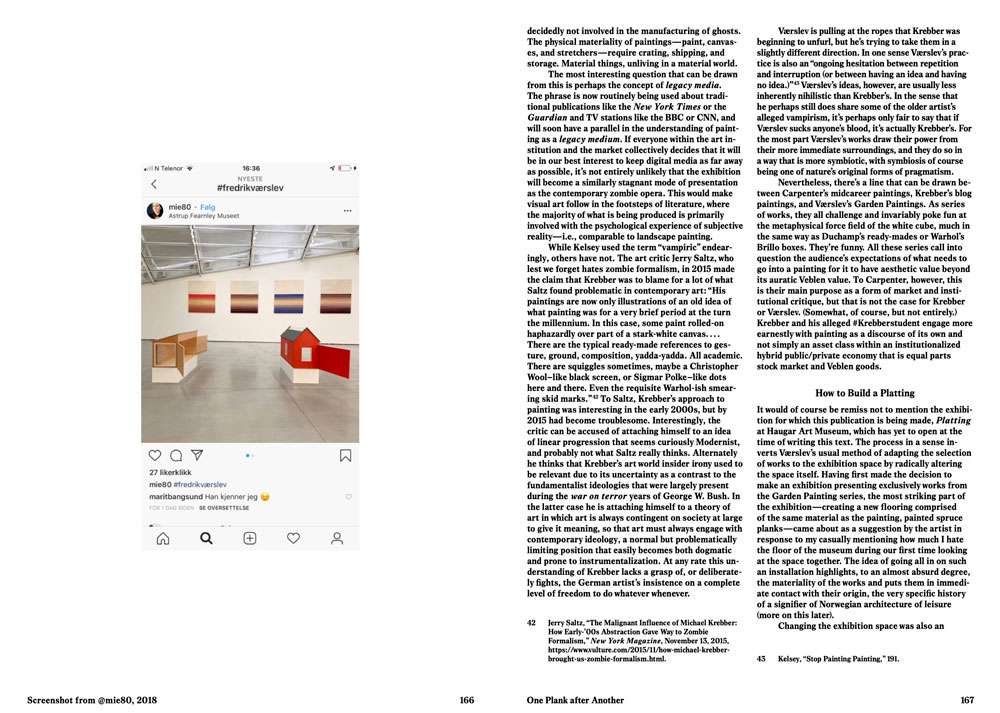
The book is published in conjunction with the exhibition Platting held at Haugar Art Museum (2023) and curated by Erlend Hammer. The works from the series have been also exhibited in institutions such as the Astrup Fearnley Museet in Oslo, Moderna Museet in Stockholm, The Power Station in Dallas, Kunst Halle Sankt Gallen and Bonner Kunstverein in Bonn.