Over the last ten years, Raphael Hefti has created an astonishingly body of work consisting of sculptures and installations, performance and “art-in-public-spaces.” The first comprehensive monograph is published on the occasion of his major exhibition at Kunsthalle Basel.
Between 1998 and 1999, the London-based art collective BANK operated the Fax-Bak Service. The group’s members proof-read and copy-edited more than 300 press releases by galleries. The publication is the most comprehensive record of this notorious project.
SOLD OUT
Sold Out
Listen
On how The BANK Fax-Bak Service started and how it came to be a book
In the Villa Santo Sospir, Jean Cocteau conceived his pictorial work through accumulation, inspired by Greek mythology and the Mediterranean landscape. Architecture permeates the subjects of Mauro Restiffe from a viewpoint that amplifies and reverberates the simple historical record.
Oh mio cagnetto, is the artist’s first book of writings, conceived as an artwork. It is a collection of 81 little poems that revolve around the missed and mourned figure of a puppy. It intentionally plays on the ambiguity of its nature, as both a book distributed in conventional ways and an art object.
When she started writing the Corona Tales, Chus Martínez had been weighing how people and the media were addressing the outbreak of the virus as an unprecedented disaster. One possible contribution, as curator and writer, would be to write a short story a day…
Edited by Lorenzo Giusti and Valentina Gervasoni
Essay by Brandon LaBelle
Designed by Lorenzo Mason Studio
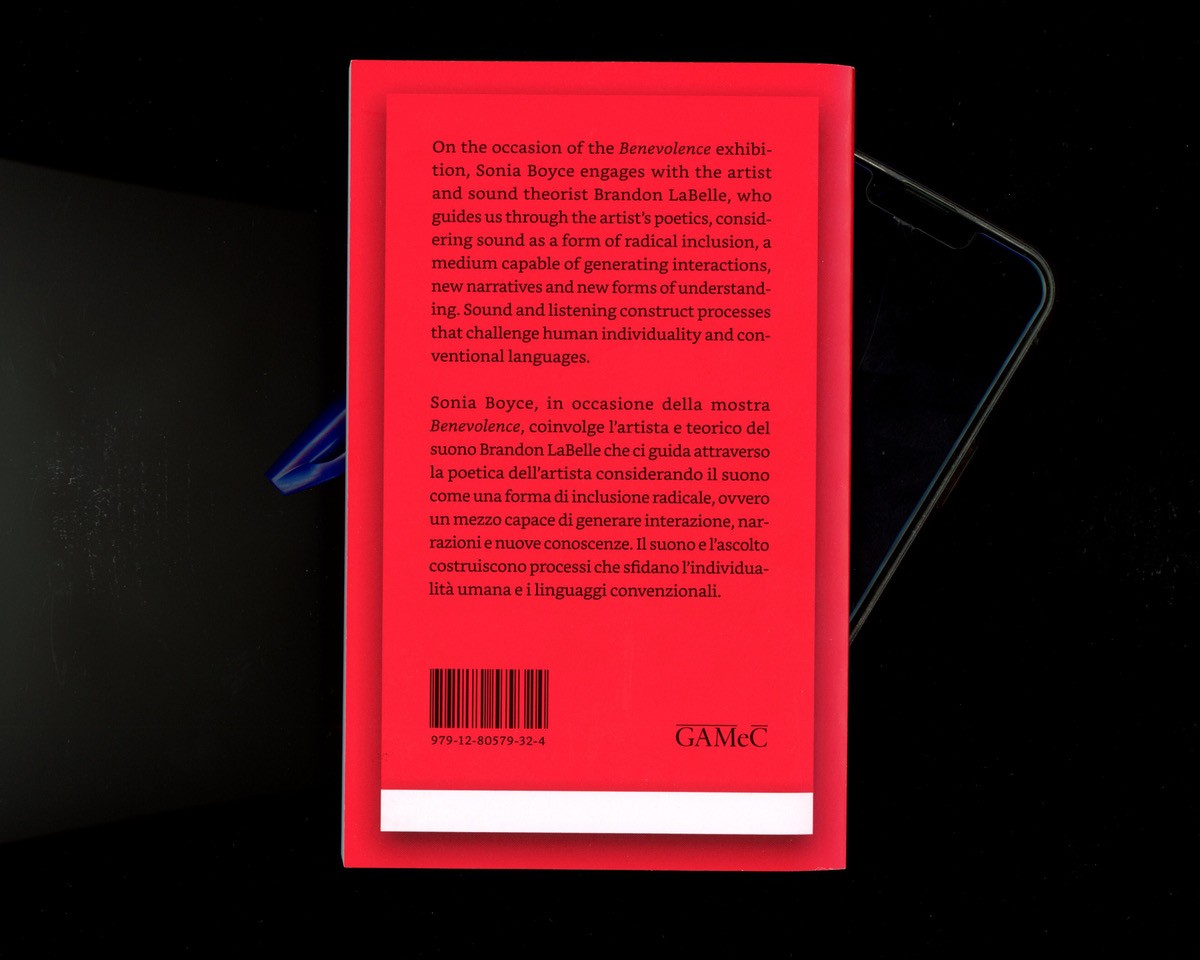
2024, English / Italian, softcover, 11 x 17.7 cm, 96 pages
ISBN 979-12-80579-32-4
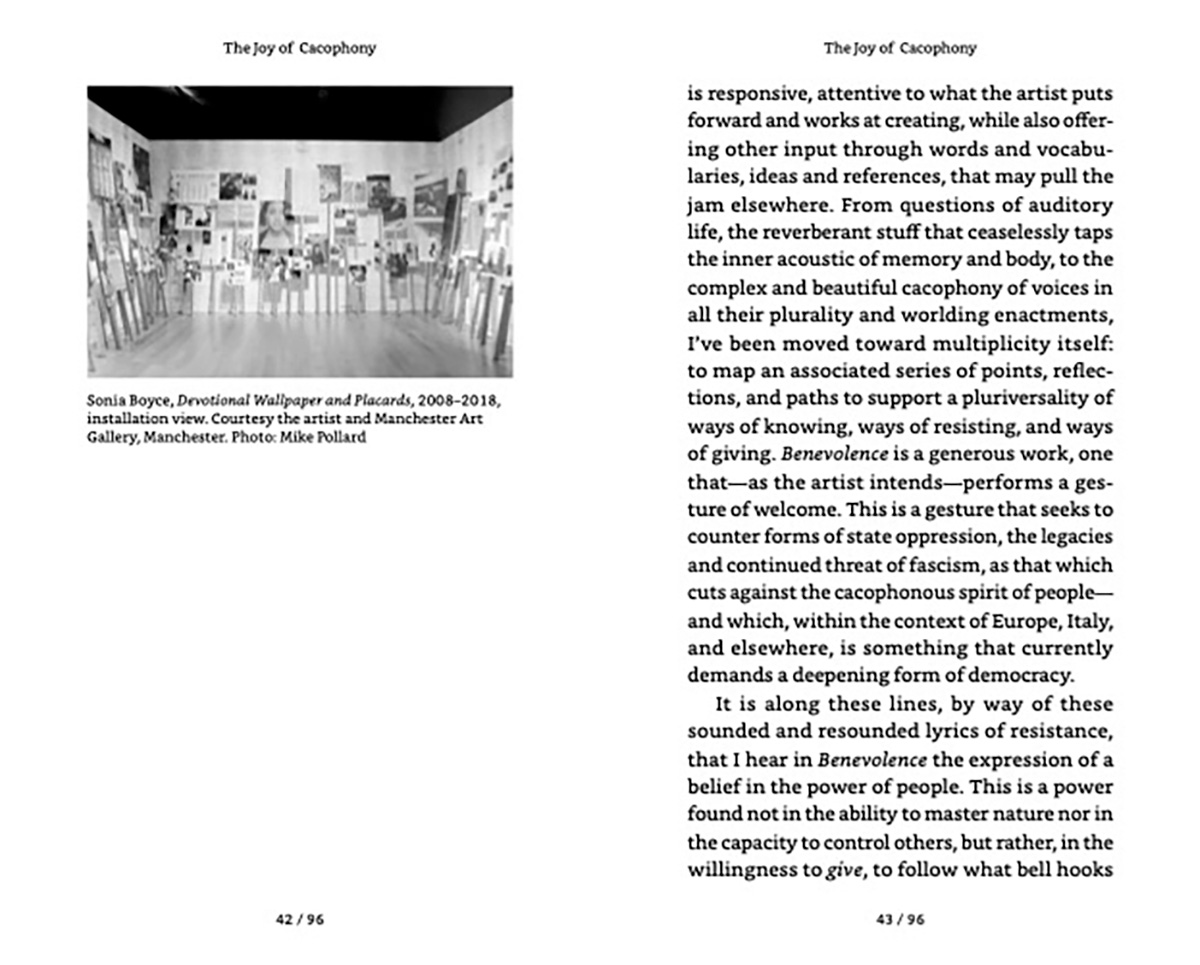
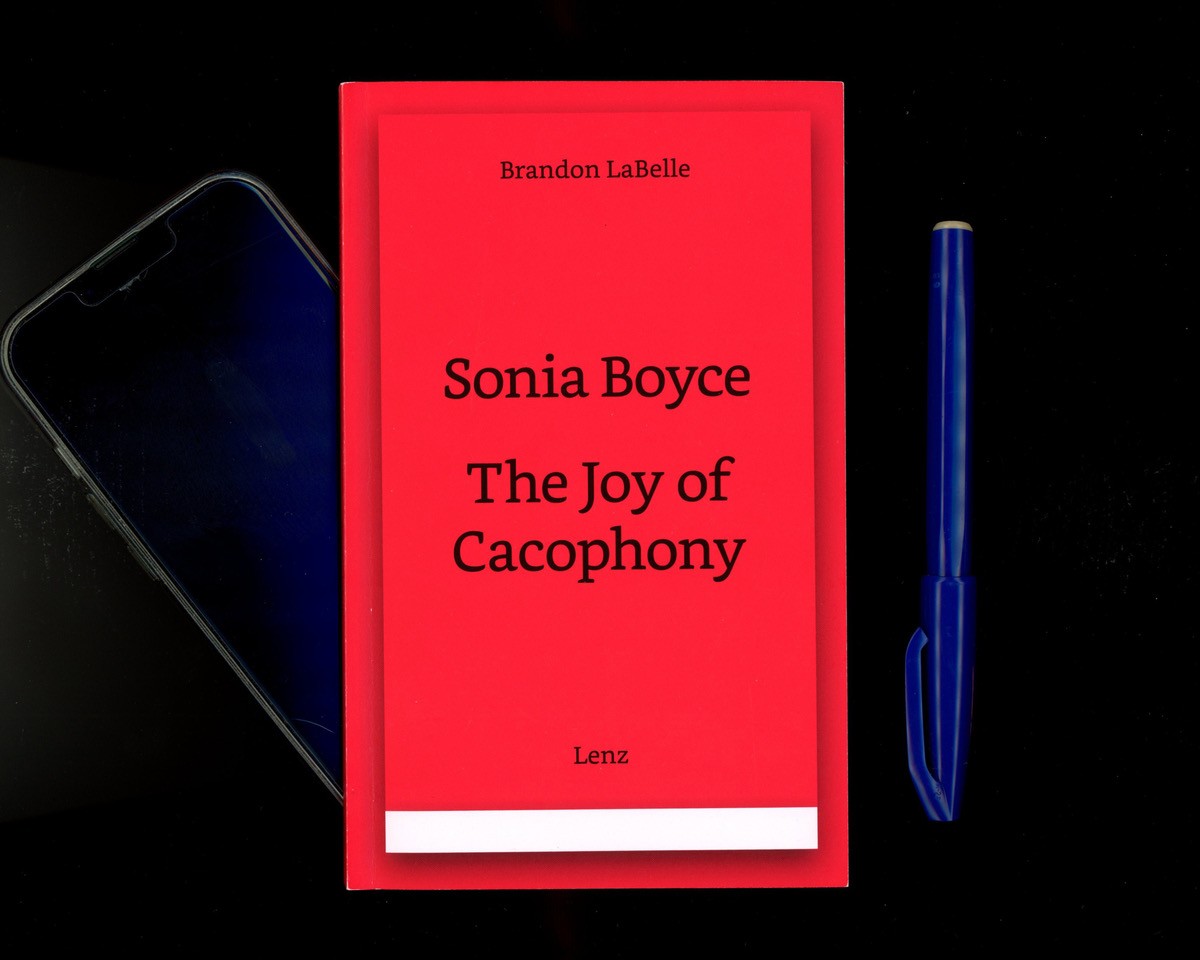
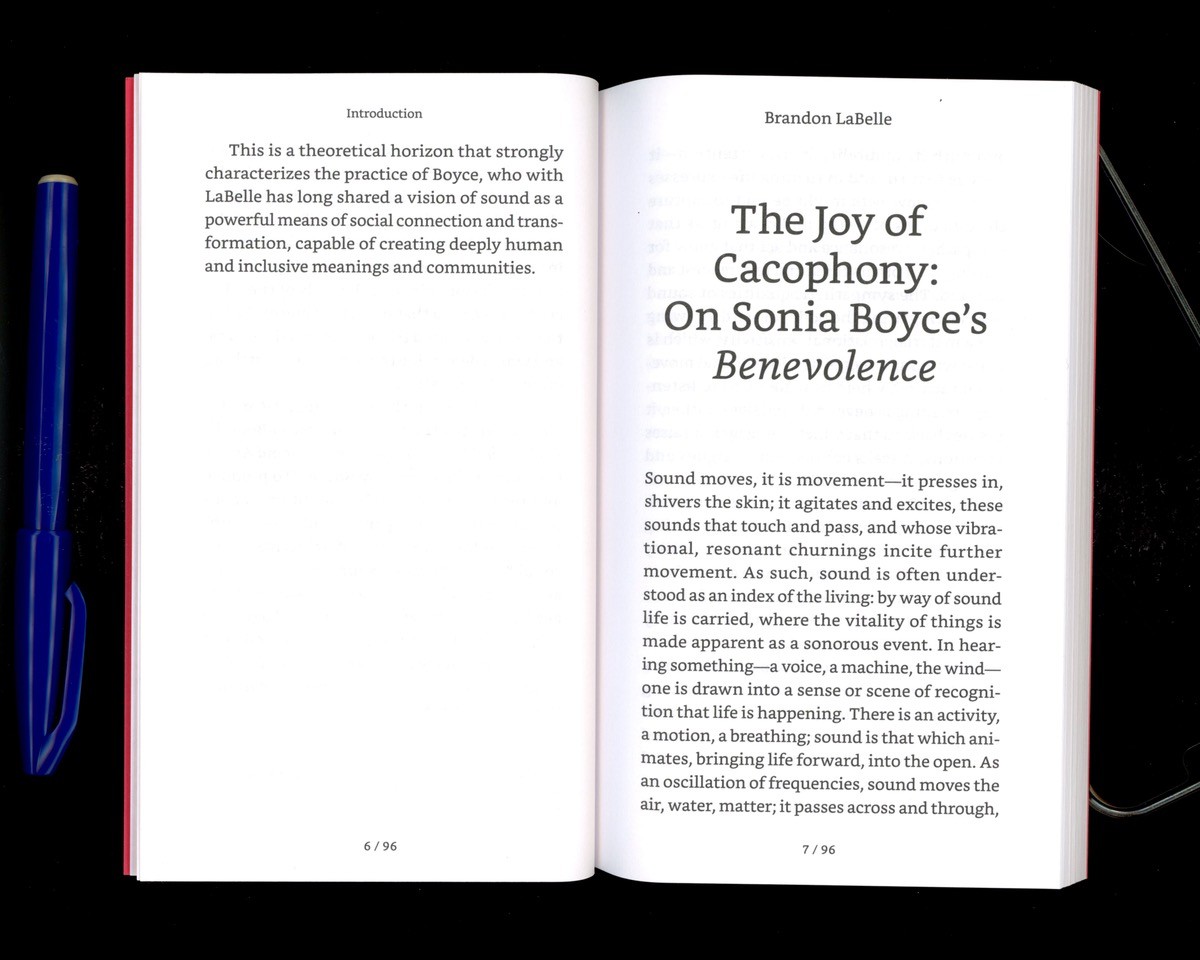
Sonia Boyce engages with the artist and sound theorist Brandon LaBelle, who guides us through the artist’s poetics, considering sound as a form of radical inclusion, a medium capable of generating interaction, narratives and new understanding. Sound and listening construct processes that challenge human individuality and conventional languages. Sound, by its porous nature, and the cultural and symbolic manifestation of music fostering social connections, exert an influence on everyone’s capacity to participate.
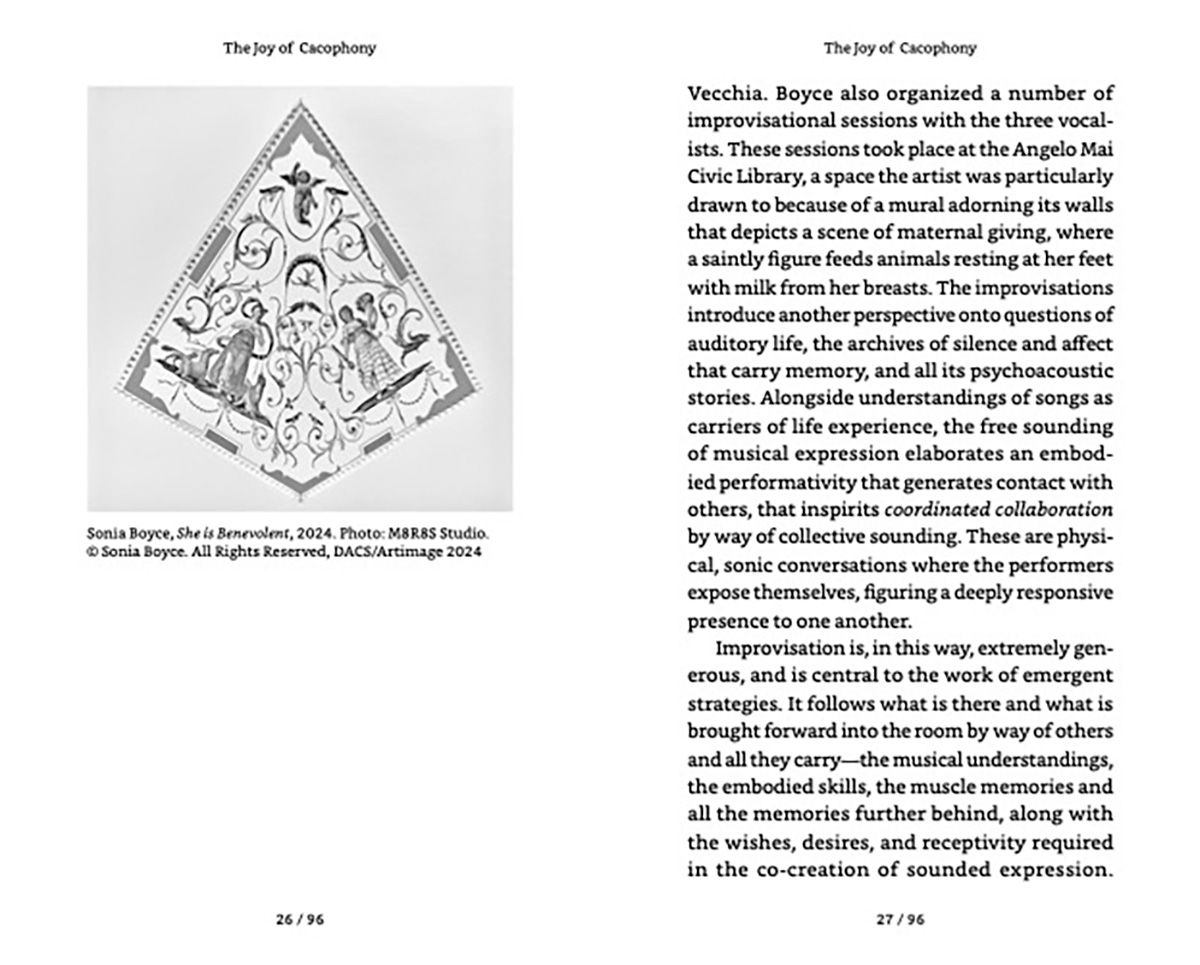
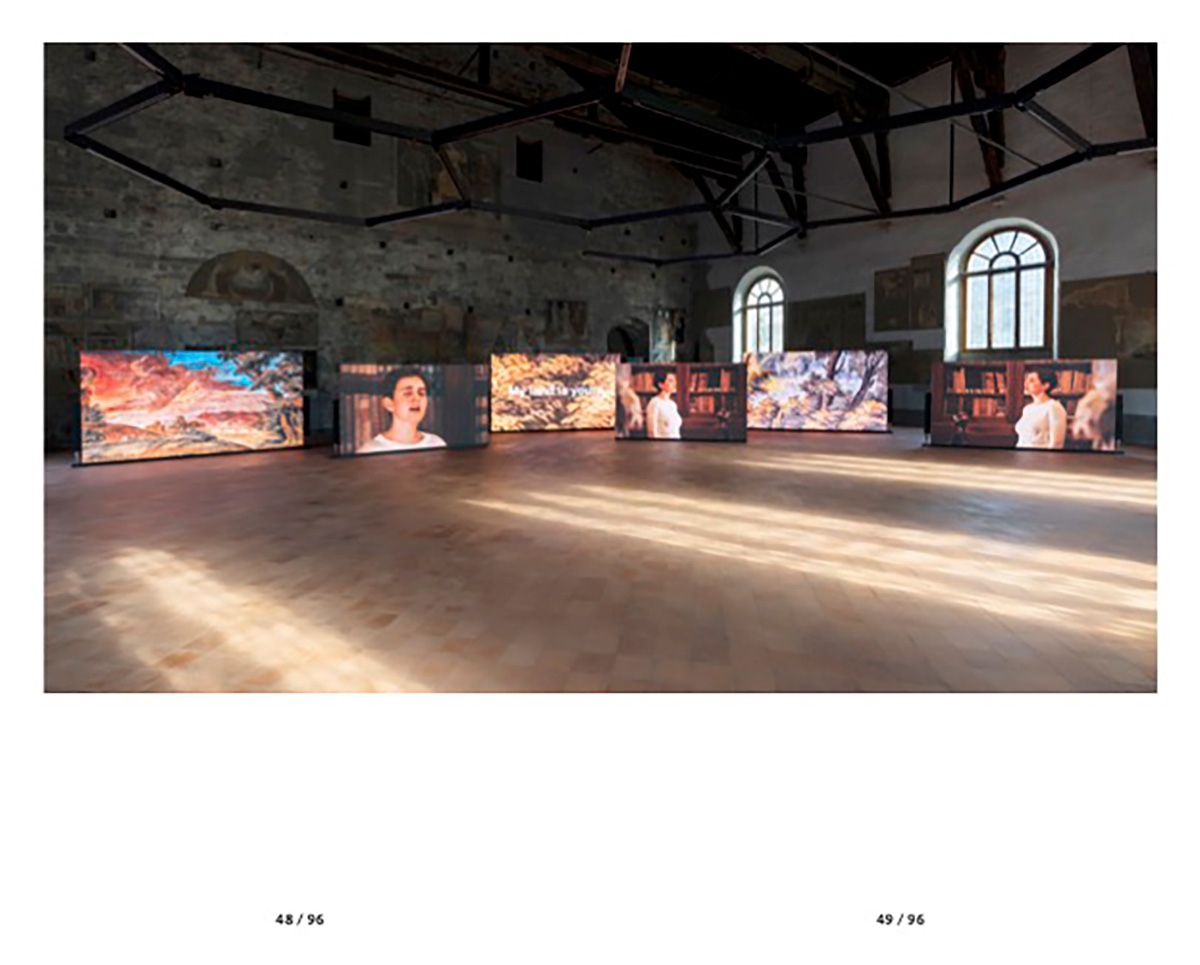
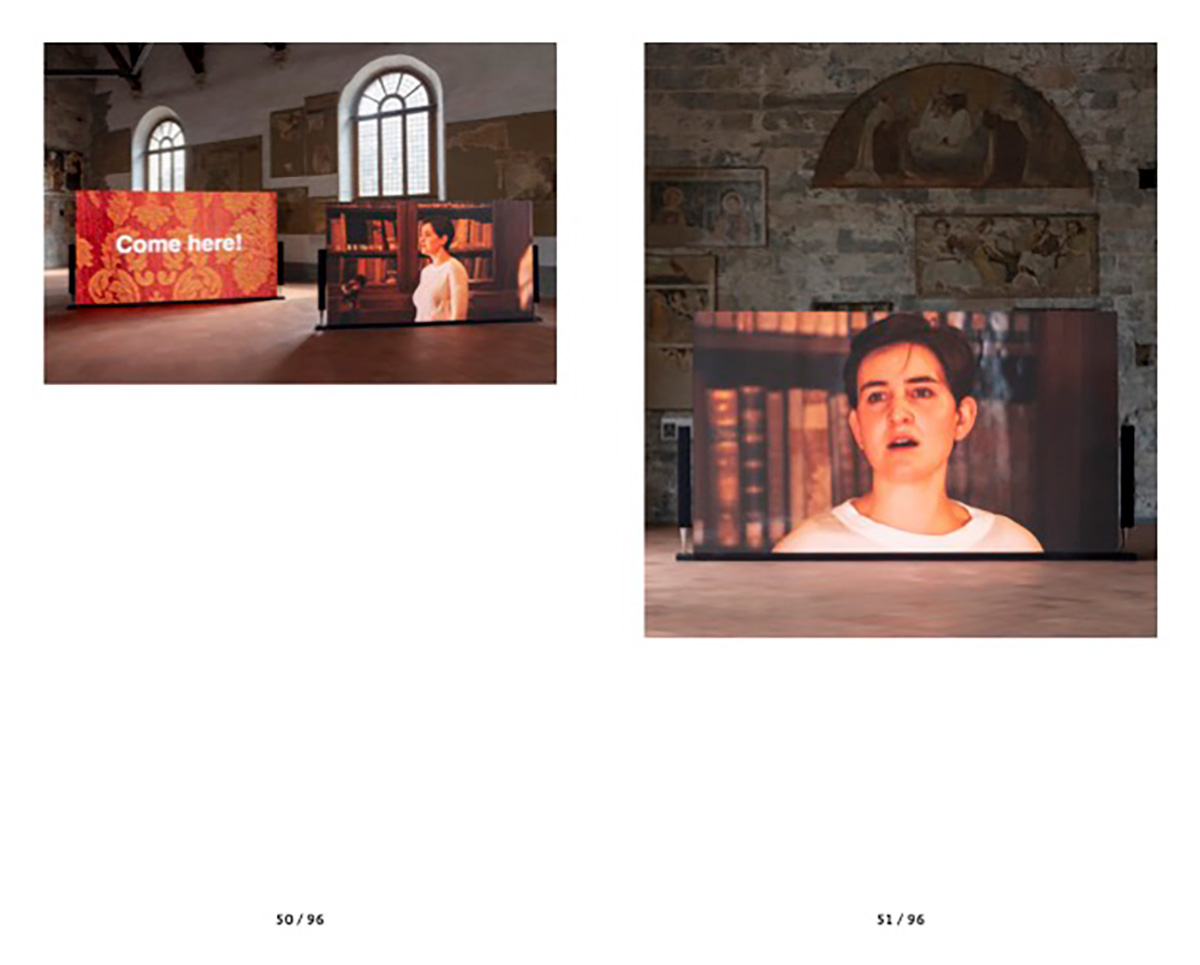
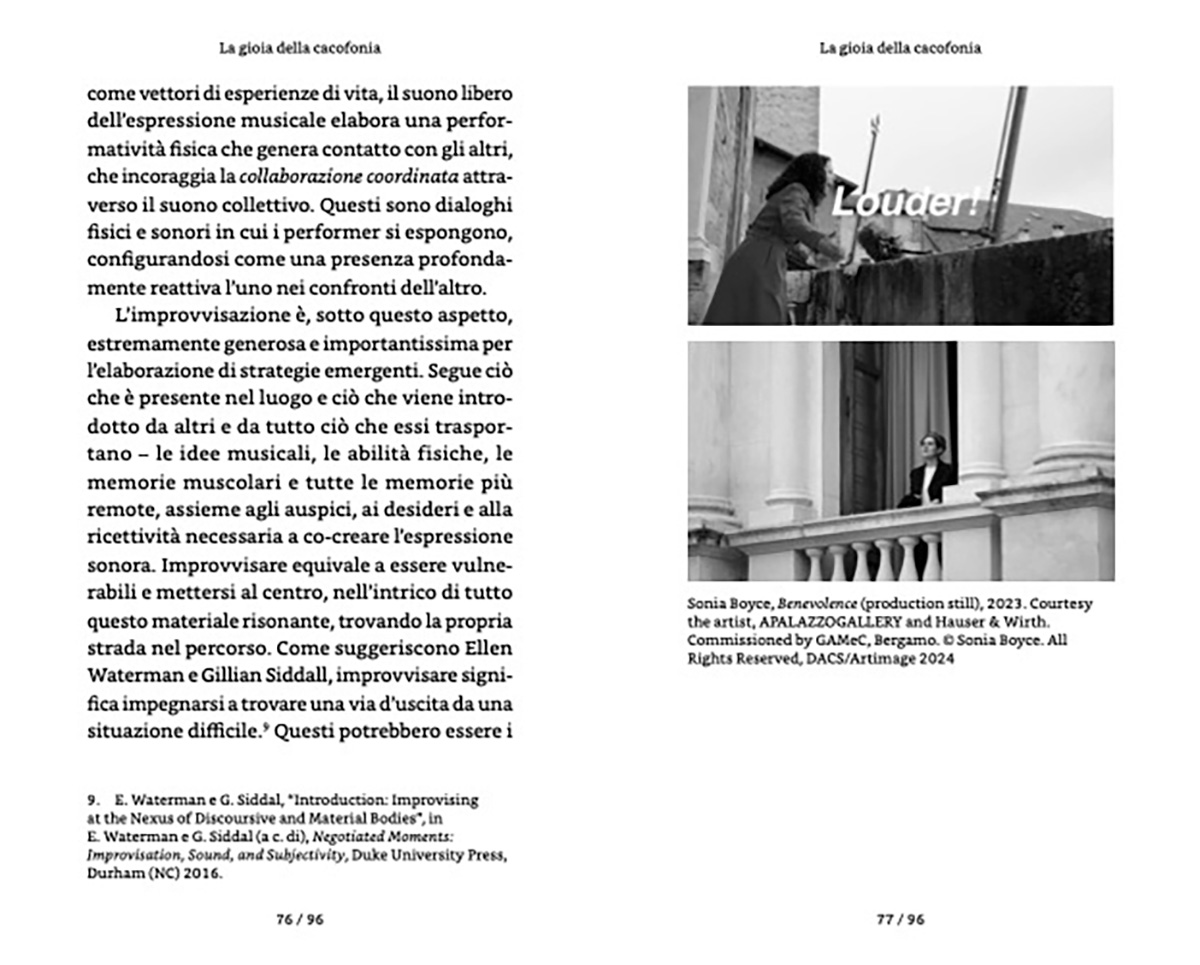
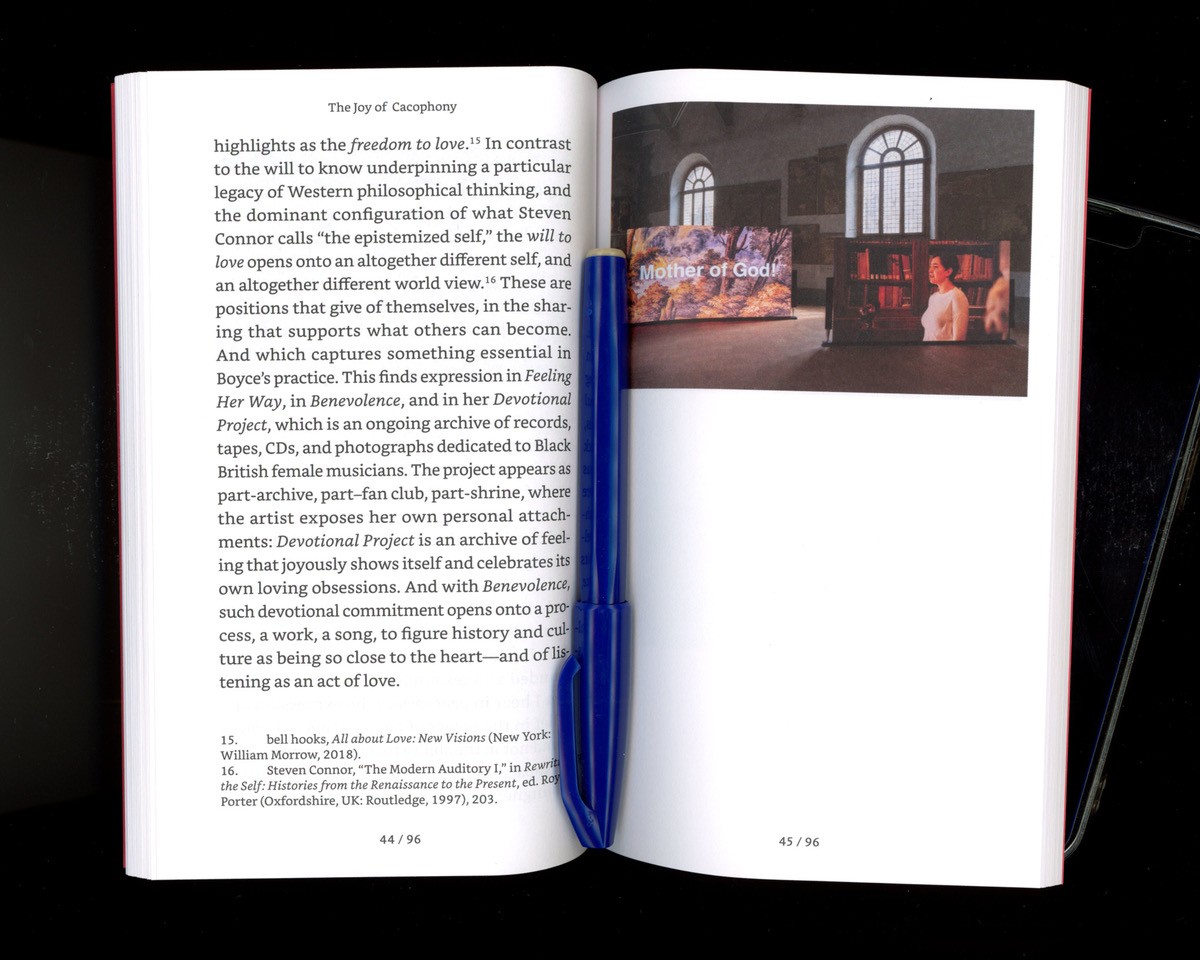
Sonia Boyce’s project for Palazzo della Ragione saw her collaborate with three students from the “Gaetano Donizetti” Higher Institute of Musical Studies in Bergamo, who were invited to perform and improvise popular songs in the heart of Bergamo’s “Città Alta.” The act of singing from balconies is an explicit reference to the lockdowns, during which people sang songs from inside their homes to support each other in what was a time of crisis. These actions inspired the artist, for whom singing itself represents a gesture of altruism and empathy. The Joy of Cacophony is the second book in a series of short essay collections inspired by the site-specific art projects specially conceived for GAMeC at Palazzo della Ragione, a symbolic, time-honored location within the city of Bergamo that embodies the values of community life and participation. The artist was asked to name an author who interests her—be it a researcher, a philosopher or a scholar—and whose thinking could be said to underpin the project, with a view to finding a path through the complexities of the present day, starting from the work produced but without necessarily lingering on it.