The paintings and drawings by Jake Grewal draw the viewer in through stillness and ambiguity: they invite reflection on how we inhabit places—physically and emotionally—and how our inner landscapes mirror the physical world. This is the Grewal’s first book, published to accompany the artist’s exhibition at Studio Voltaire.
The transformation of the notion of monuments and the way cultural institutions choose to deal with it find in Maurizio Cattelan an interpreter capable of manipulating historical memory and shared symbols, to the point of turning them into a terrain of doubt and play. Lisa Parola and Lorenzo Giusti investigate the potential of contemporary art within the public sphere.
This is a visual archive of 12 years of developing, designing and exhibiting the House of One, a multireligious sacred space in the heart of Berlin. The architecture, conceived by Kuehn Malvezzi, has been displayed at various venues while being developed in close collaboration with three local religious communities in Berlin since 2012.
The first major monograph on artist Jill Mulleady, whose paintings thread motifs of decay, memory, history, and private myth, featuring humans and animals enacting their instinctive psychological reactions to ever-present threats of danger.
The essays in this first-ever monograph dedicated to Swiss artist Jan Vorisek, alongside image portfolios of the exhibitions they explore and an appendix that features photos and documentation of Vorisek’s performances, recordings and ephemera, grant us unprecedented access to the private fictions that the work reveals.
Since the 1990s Costa has been challenging hierarchies of art production and the fetishization of the “finished” artwork, inviting viewers to reconsider what is discarded, both materially and socially. Through over 300 artworks, accompanied by new writing, this catalogue explores Adriano Costa’s work, a meditation on transformation—of objects, meanings, and systems of value.
Edited by Lorenzo Giusti and Valentina Gervasoni
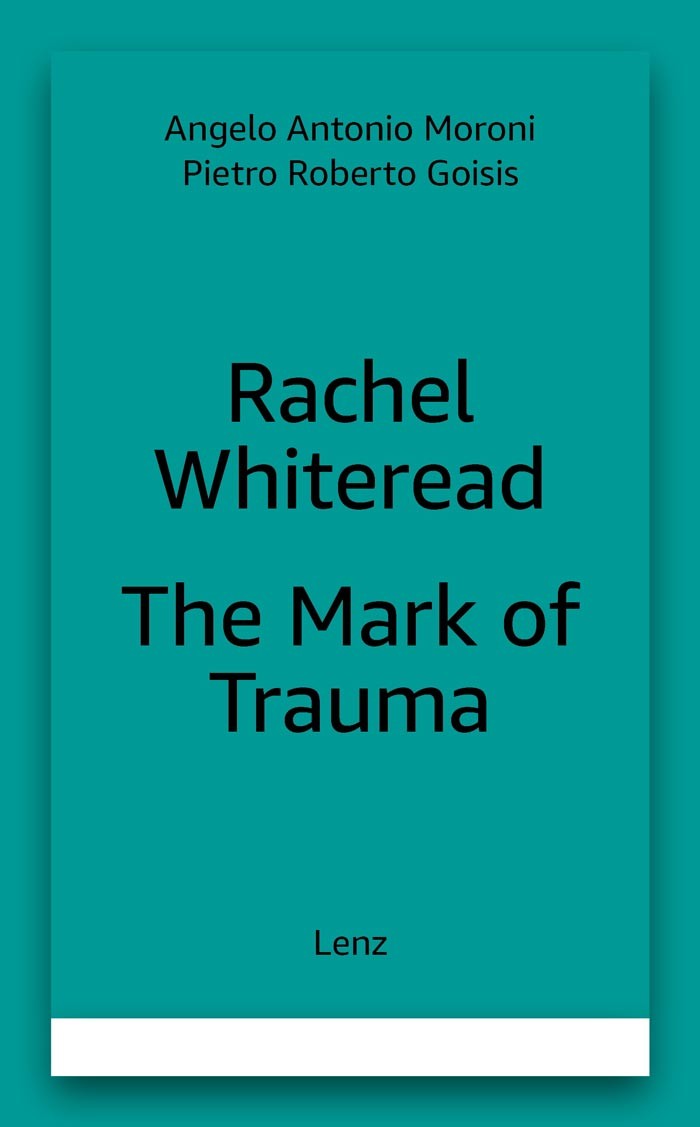
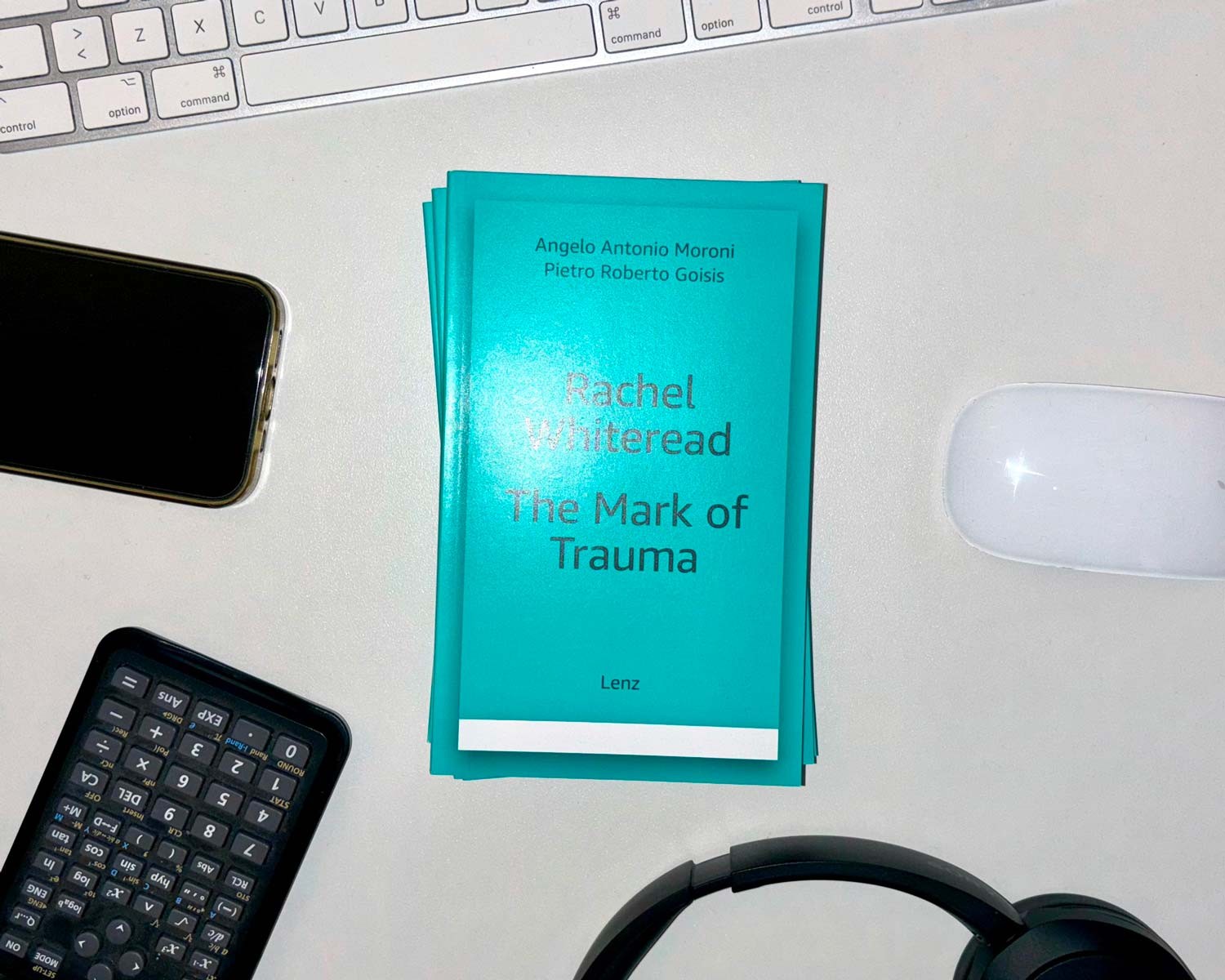
Texts by Pietro Roberto Goisis, Antonio Moroni, and Rachel Whiteread
Designed by Lorenzo Mason Studio
2024, English / Italian, softcover, 11 x 17.7 cm, 96 pages
ISBN 979-12-80579-38-6
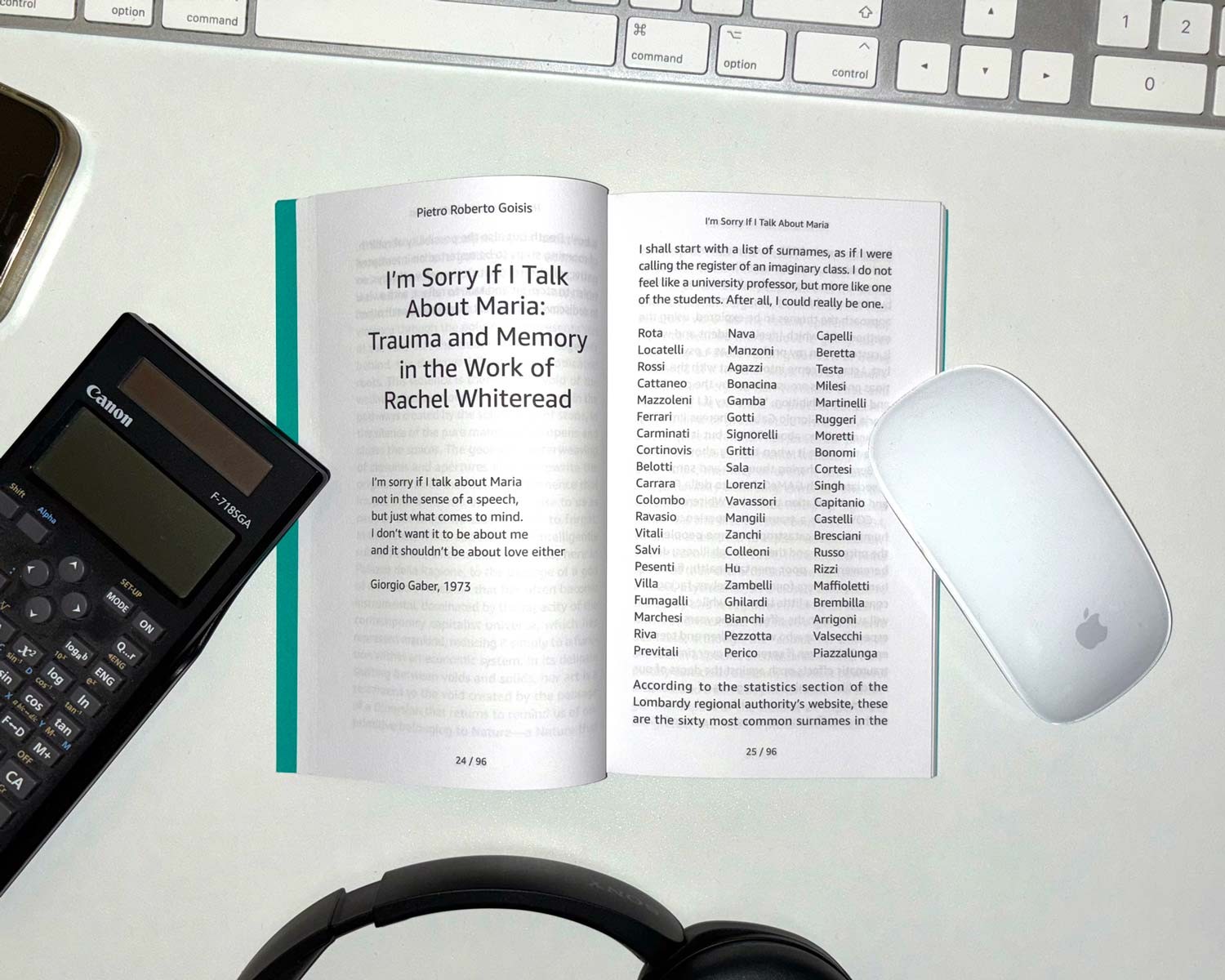
The Mark of Trauma is the first book in a series of short essay collections inspired by the site-specific art projects specially conceived for GAMeC at Palazzo della Ragione, a symbolic, time-honored location within the city of Bergamo that embodies the values of community life and participation. Rachel Whiteread was asked to name an author who interests her—be it a researcher, a philosopher or a scholar—and whose thinking could be said to underpin the project, with a view to finding a path through the complexities of the present day, starting from the work produced but without necessarily lingering on it. Through the words of psychoanalysts Angelo Antonio Moroni and Pietro Roberto Goisis, the book highlights the main characteristics of the collective trauma that gave rise to Rachel Whiteread’s project …And the Animals Were Sold.
For the artist, the exhibition afforded the first opportunity to express herself artistically on the dramatic and alienating experience of the Covid-19 pandemic. Whiteread was so struck by her first visit to Bergamo—one of the first cities to experience a return to pre-pandemic life—that she began thinking about her work as being bound up with the tragic, uncontrolled spread of the pandemic there. As such, the artist wanted to create a close relationship with the Bergamo area and its history, as well as with the architecture of the exhibition venue. Similarly, by adopting the perspective of the city that was the first in the West to experience the sense of vulnerability and collective loss associated with the pandemic, Goisis and Moroni alternate between personal recollection and analytical reflection, building up a composite picture, awash with explorations and memories, which unveils the psyche of an entire geographical region, the substance of this place, of the society here and of its influences.