Since the 1980s, Belgian artist Sigefride Bruna Hauman has created a highly original body of work in different media. Her installations, reliefs and videos are the subject of a much-overdue retrospective organized by M Leuven—and of this first monograph.
Rituals of Care is an extensive monograph devoted to the work of Antonio Obá, published in conjunction with his eponymous exhibition presented at the Centre d’Art Contemporain Genève, curated by Andrea Bellini. Extensively illustrated, the book immerses the reader in Obá’s multifaceted oeuvre and in the magical iconographic universe of his paintings.
Claiming that the museum is not enough means asking what a museum should be and do, eventually questioning the role of cultural institutions in society. Through conversations, stills of documentaries, responses, and reprints of archival documents that explore ideas of architecture on the ground, this volume reflects on the tools deployed by the institution to redefine its relationship to others.
Affirmer que le musée ne suffit pas, c’est interroger ce qu’un musée devrait être et faire, et réfléchir de manière critique sur le rôle des institutions culturelles dans nos sociétés. À travers des conversations, des photogrammes de documentaires, des interventions et des reproductions d’archives questionnant les conceptions de l’architecture sur le terrain, ce volume réfléchit aux outils mis en œuvre par l’institution pour redéfinir sa relation aux autres.
Semi-Nomadic Debt-Ridden Bedouins is the first monograph on the work of the Palestinian artist and filmmaker Basma al-Sharif. Spanning nearly two decades of moving-image and installation work, it combines visual documentation with texts that reflect on the charged political landscapes through which al-Sharif navigates.
This monograph marks the occasion of the first European survey of Nicola L. (1932–2018). Often discussed in the context of Pop Art, activism, feminism, and design, this is the first in-depth exploration of the multi-layered and expansive nature of her extraordinary practice, which also encompassed cosmology, environmental concerns, spirituality, political protest, and sexuality.
Edited by Leonardo Bigazzi
Texts by Antonia Alampi, Erika Balsom, Andrea Bellini, Leonardo Bigazzi, Federica Bueti, Beatrice Bulgari, Barbara Casavecchia, Sophie Cavoulacos, Manuel Cirauqui, Ilaria Gianni, Hassan Khan, Oliver Laric, Maria Lind, Andrea Lissoni, Philippe-Alain Michaud, Han Nefkens, Emily Pethick, Julian Ross, Aura Satz, Hito Steyerl, Bianca Stoppani, Robert Trafford, Valentine Umansky, Francesco Urbano Ragazzi
Designed by Lorenzo Mason Studio
2024, English, softcover, 17 x 24 cm, 368 pages
ISBN 979-12-80579-57-7
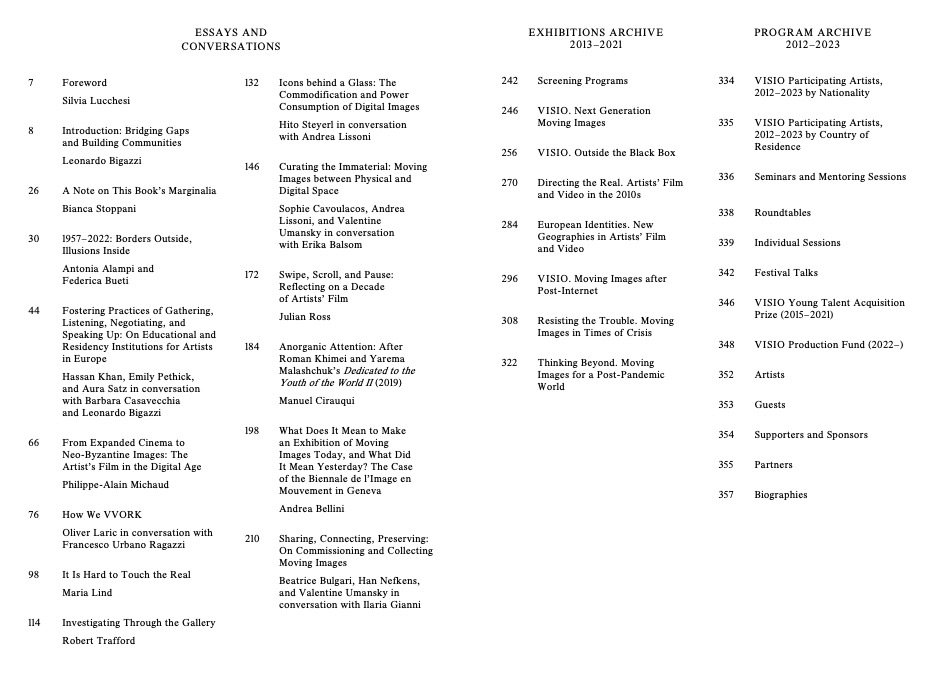
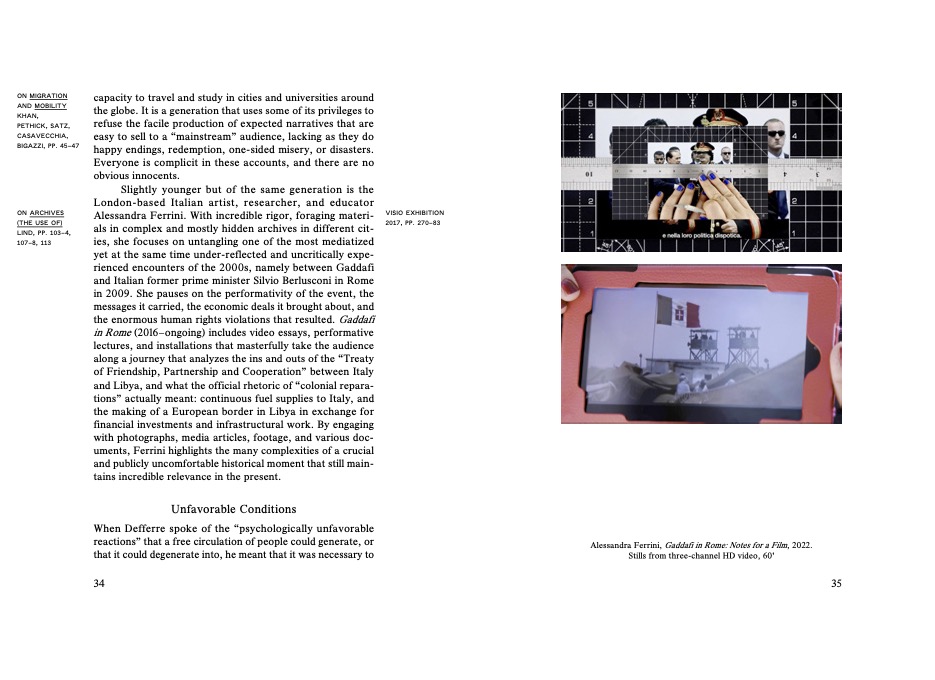
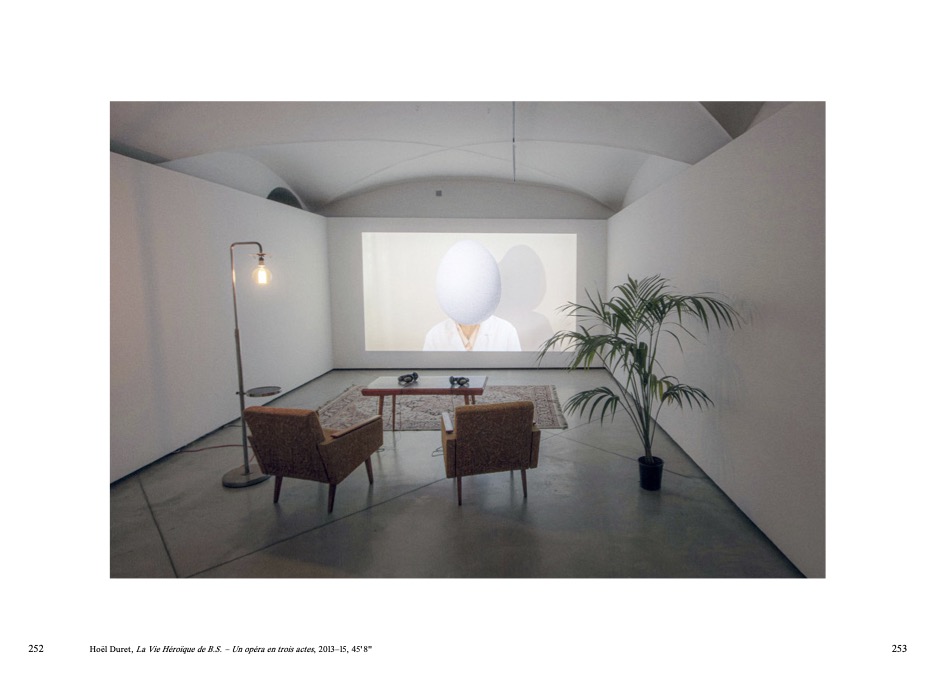
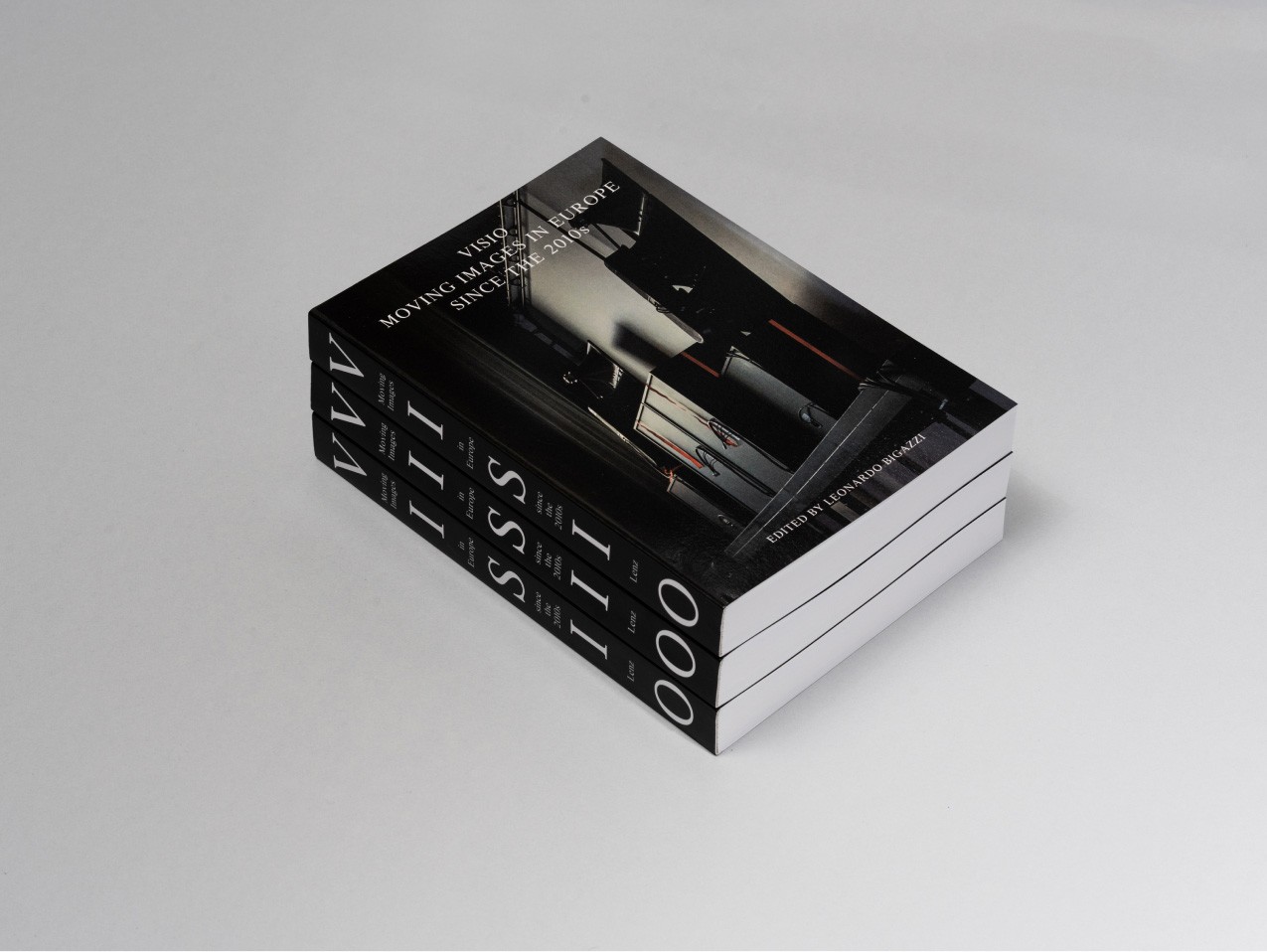
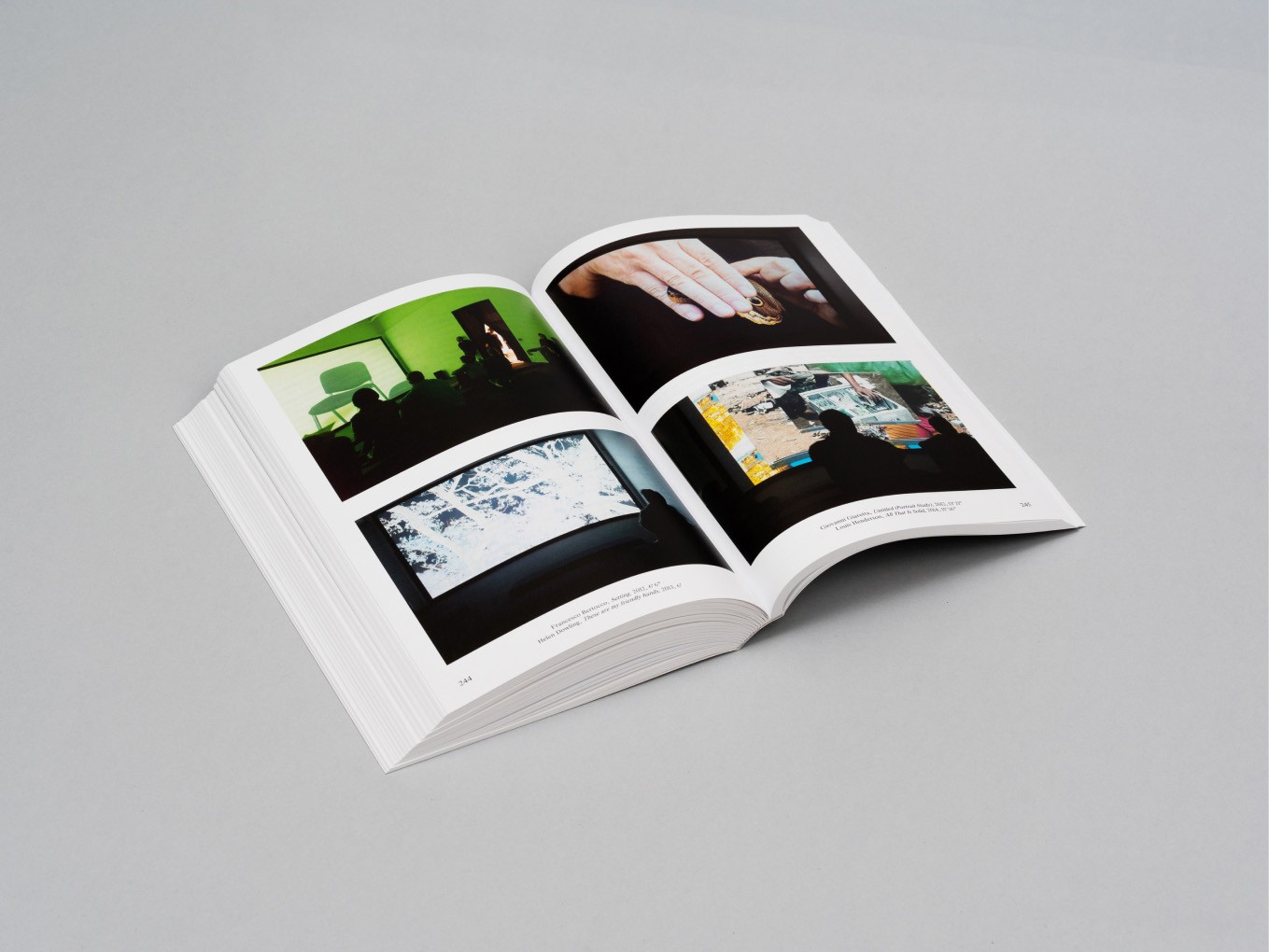
This volume brings together visions, experiences and critical interdisciplinary methodologies that have been instrumental in the development of the language of moving images since 2010. New essays and conversations reflect on radical technological and poetic transformations in the works of the generation of digital native artists, adhering to the shared processes developed during the first twelve editions of VISIO – European Programme on Artists’ Moving Images, a research, production and residency project promoted and organized by Lo schermo dell’arte in Florence.
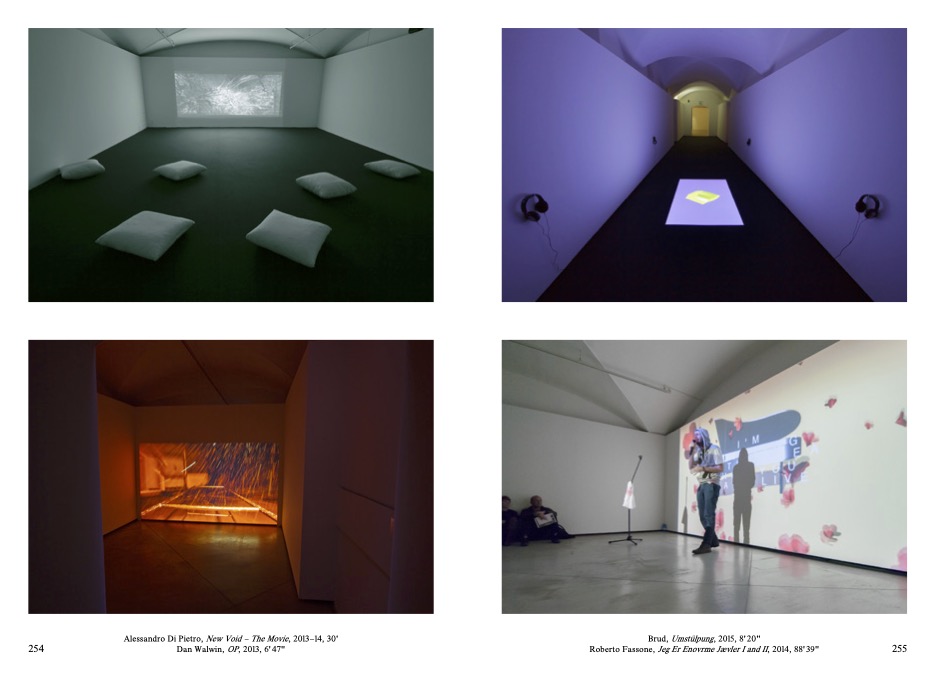
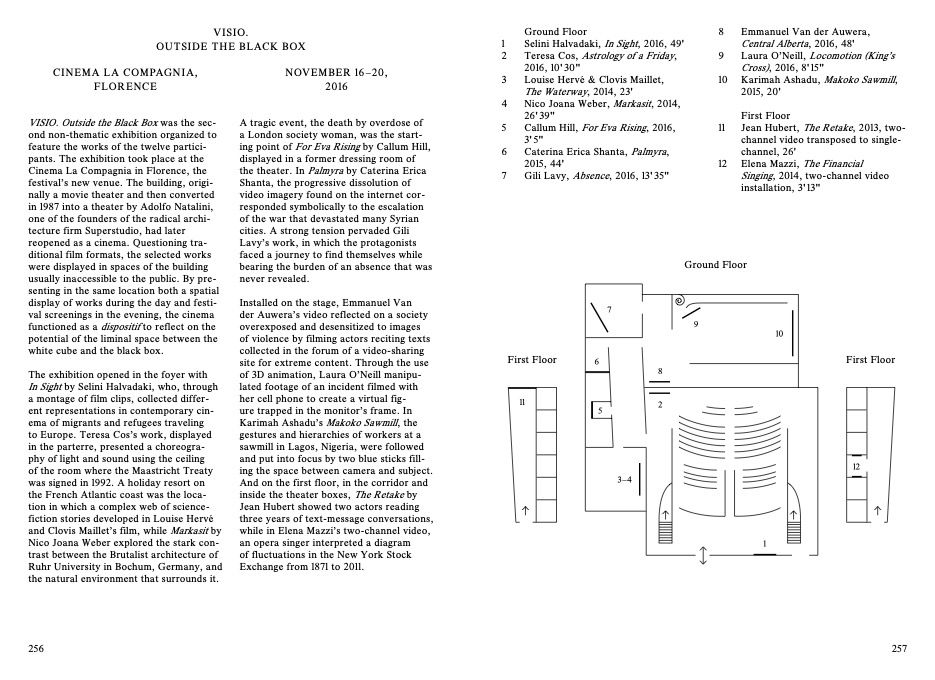
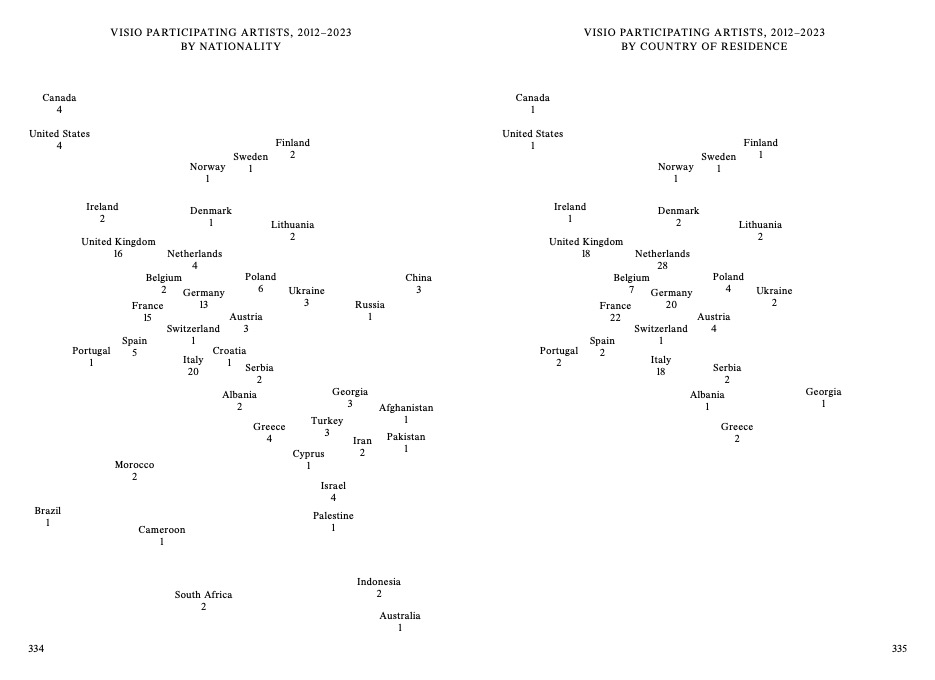
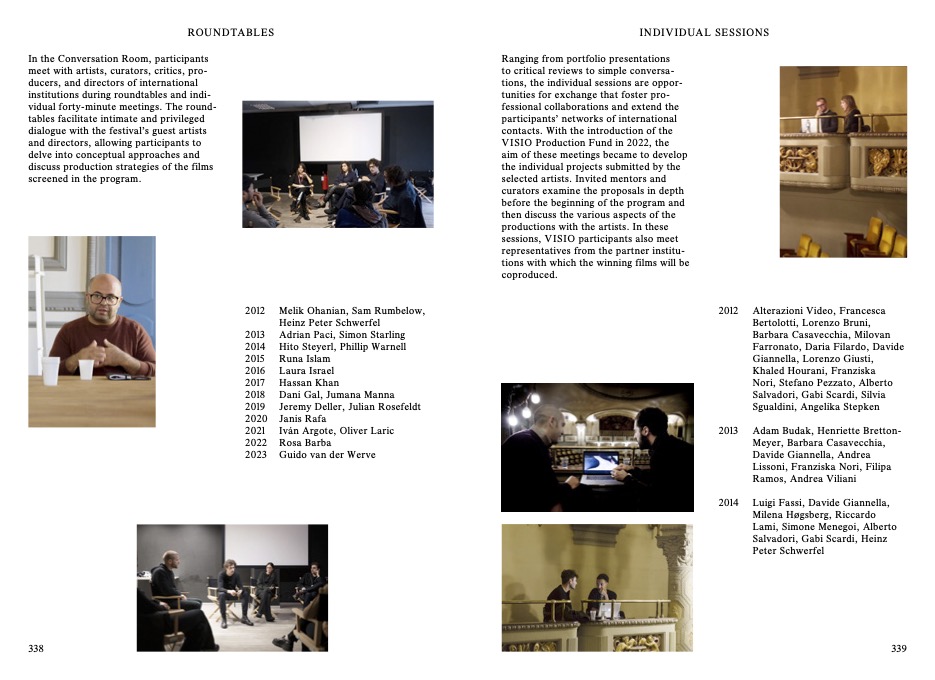
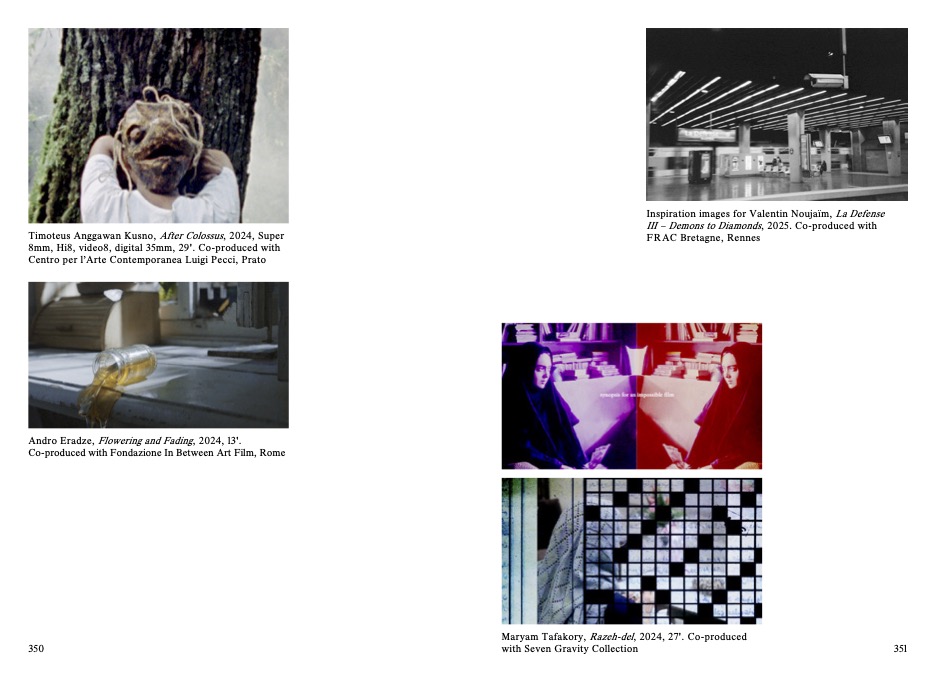
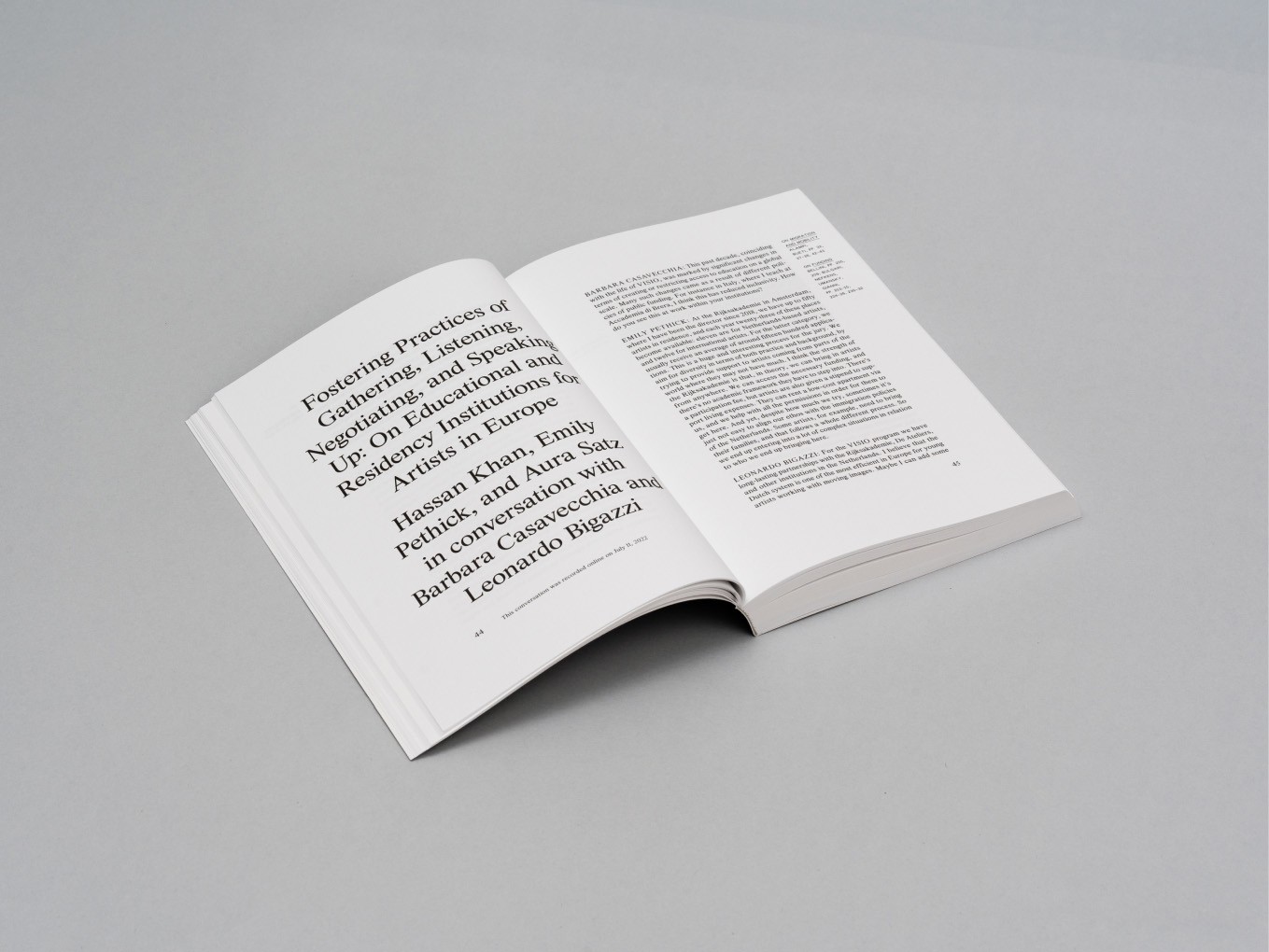
The book features original contributions from twenty-three authors who have participated in the program over the years and is divided into two main sections: the first reflects the theoretical and discursive approach of VISIO by alternating essays and conversations; the second compiles a large archive of the first twelve editions of VISIO.
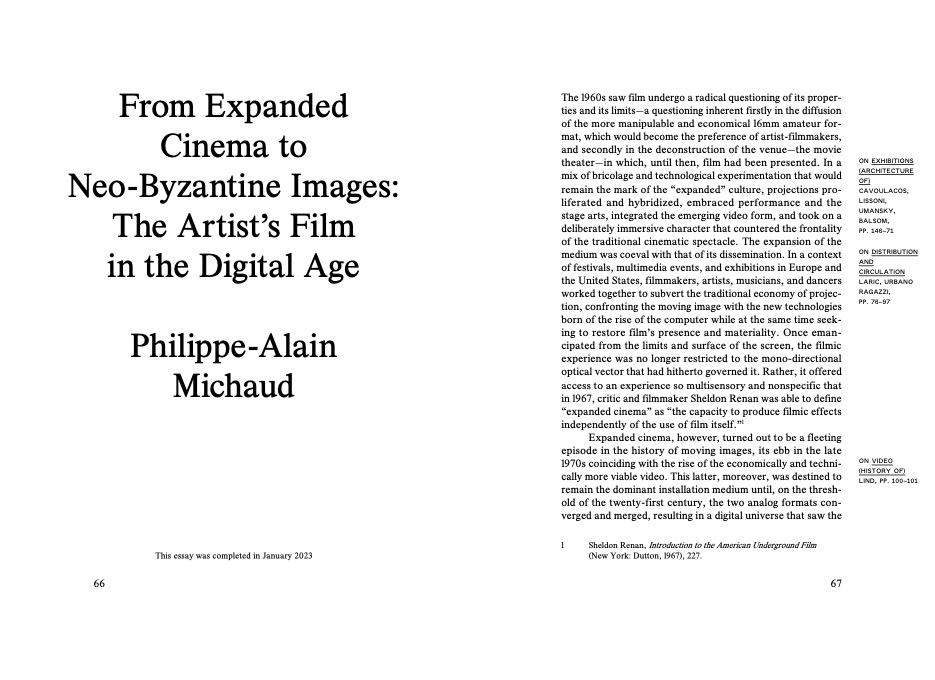
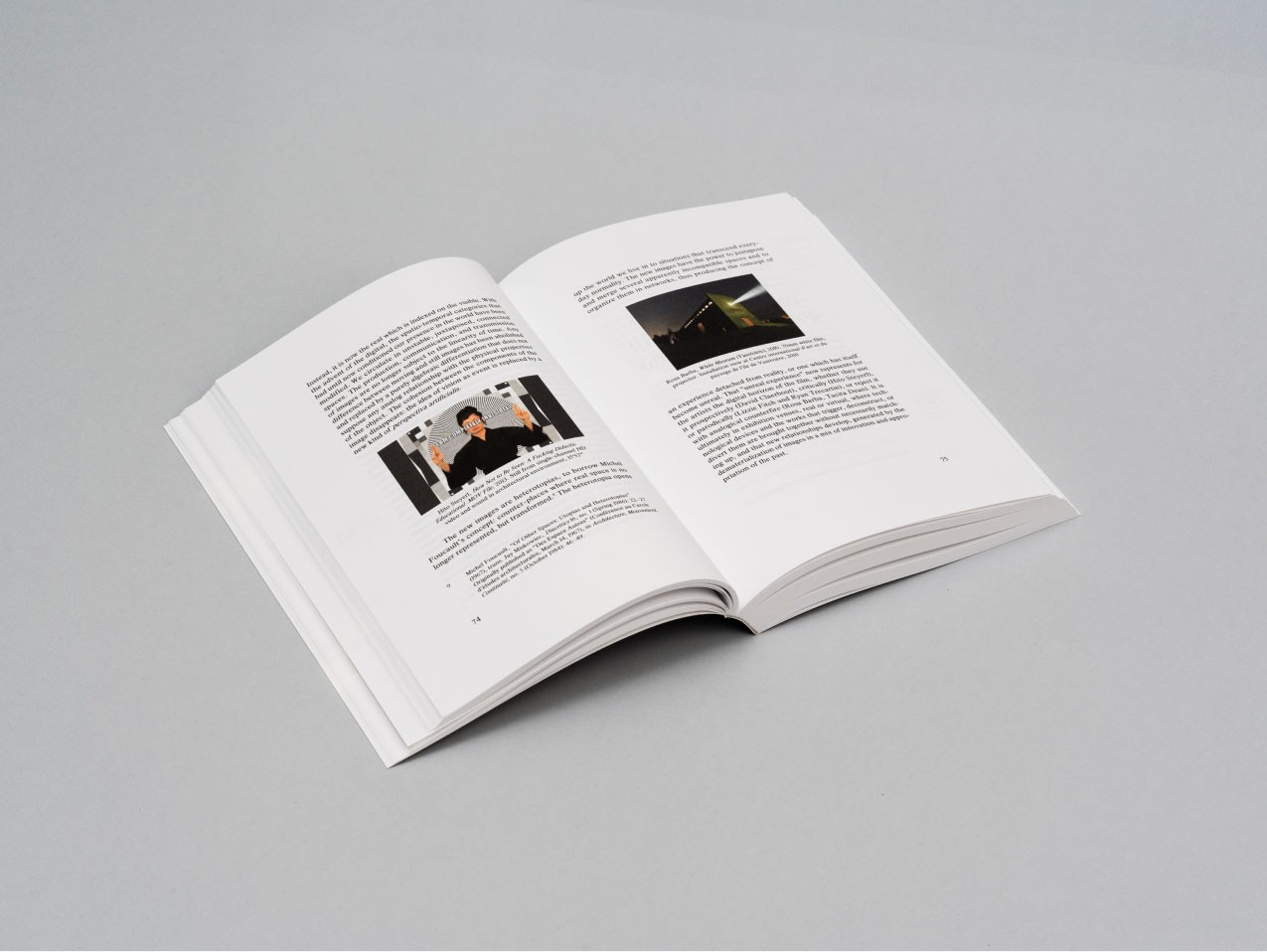
The texts investigate various topics: the questioning of a European identity; the accessibility and role of academic institutions and residences; the evolving significance of images in the digital age; the virtual realm as an exhibition and research space; the impact of documentary practices on contemporary production; the rise of investigative aesthetics and exhibitions as a medium to renegotiate truth; the commodification of digital images and their influence on power consumption; the shifts in curatorial approach to physical and digital spaces; a focus on the practices of VISIO generation artists; and how public and private institutions commission and collect moving image today.