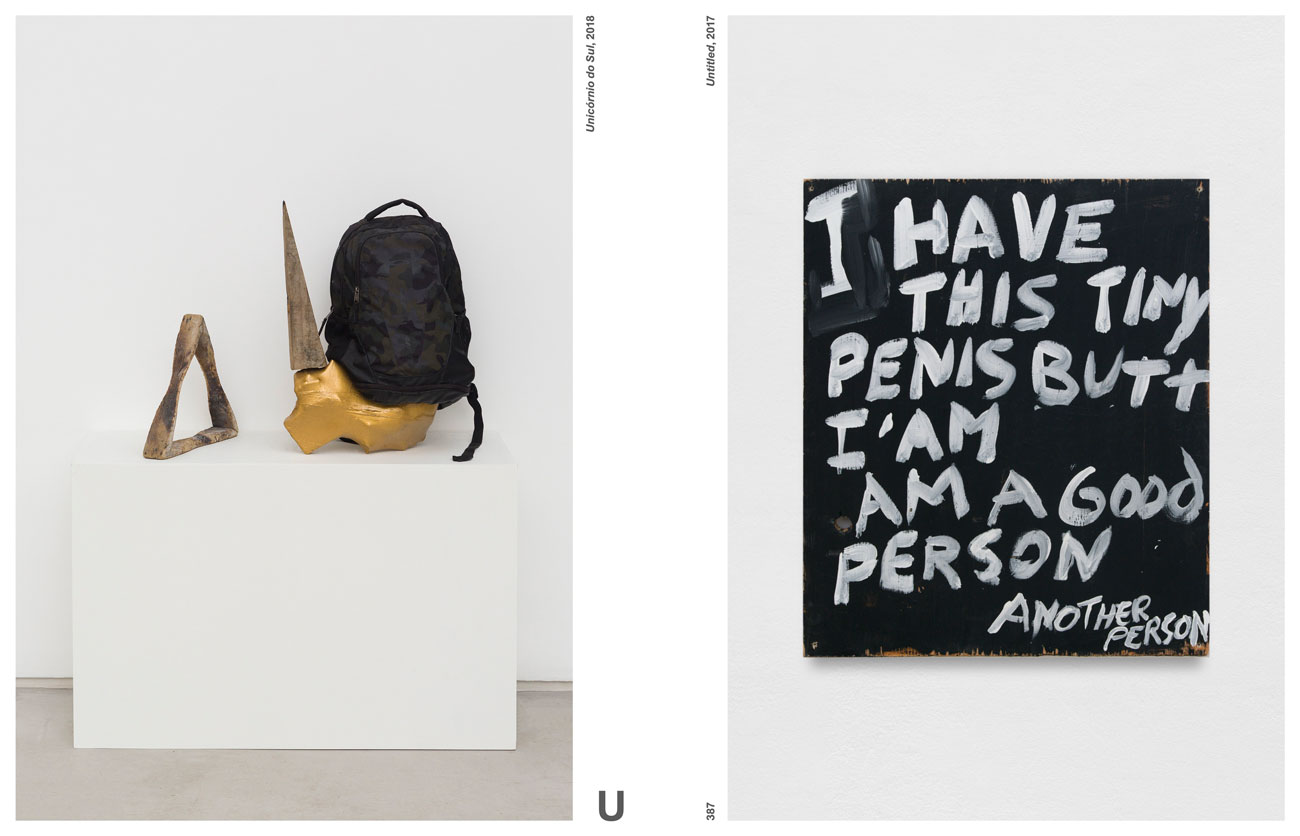
This artist’s first monograph brings together sketches, documentation and installation shots, as well as an in-depth analysis of her practice. It highlights her process of making art, from the conception of an idea to the finished work, and from the deconstruction and re-assembling of her characters’ identities to the relentless creation of new worlds.
Published on the occasion of the first exhibition in Italy by Jenna Gribbon, staged at the Collezione Maramotti, Mirages showcases a wealth of images that highlight the fluid, sensual output of this artist who, in repeatedly portraying her wife, the musician Mackenzie Scott (aka TORRES), explores the implications inherent in seeing and being seen.
The catalogue of this ambitious project, held at the Centre d’Art Contemporain Genève in 2017, reflects on the centrality of writing in contemporary visual art practices. Documenting its slippages from printed matters to the digital realm, from voice modulations to its sculptural presence, this book celebrates the word in all its forms.
A book emerged from the need to try to tell the story of architecture in a way quite unlike how it’s usually told, in a continuous dialogue between the anthropological gaze of Armin Linke’s photos compared with the ideation process of two public works by the Carlana Mezzalira Pentimalli architecture office.
The book documents and brings together two exhibition projects by Nina Canell and Maria Hassabi. Essays, unpublished materials and a rich set of photographic materials form the driving force behind two visual narratives that offer new keys to understanding the research of the two artists.
Can art, literature, filmmaking, and music draw out, make visible, legible, audible, or even contestable the patterns in which our lives are held? Considering the work by Stan Douglas, Harun Farocki, Ingri Fiksdal, Åke Hodell, Stefan Panhans & Andrea Winkler, Susan Philipsz, and Elizabeth Price, this publication entertains this question.
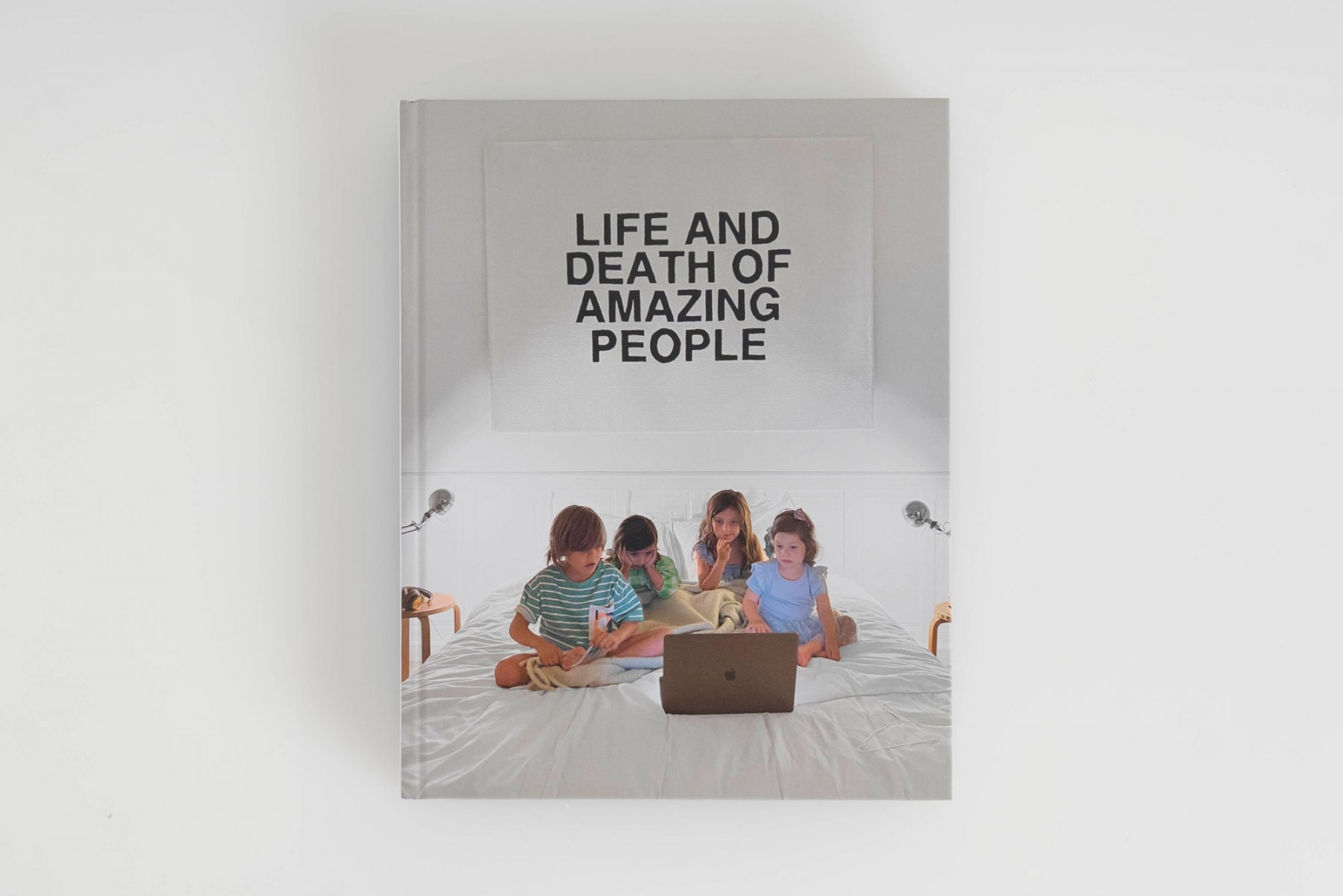
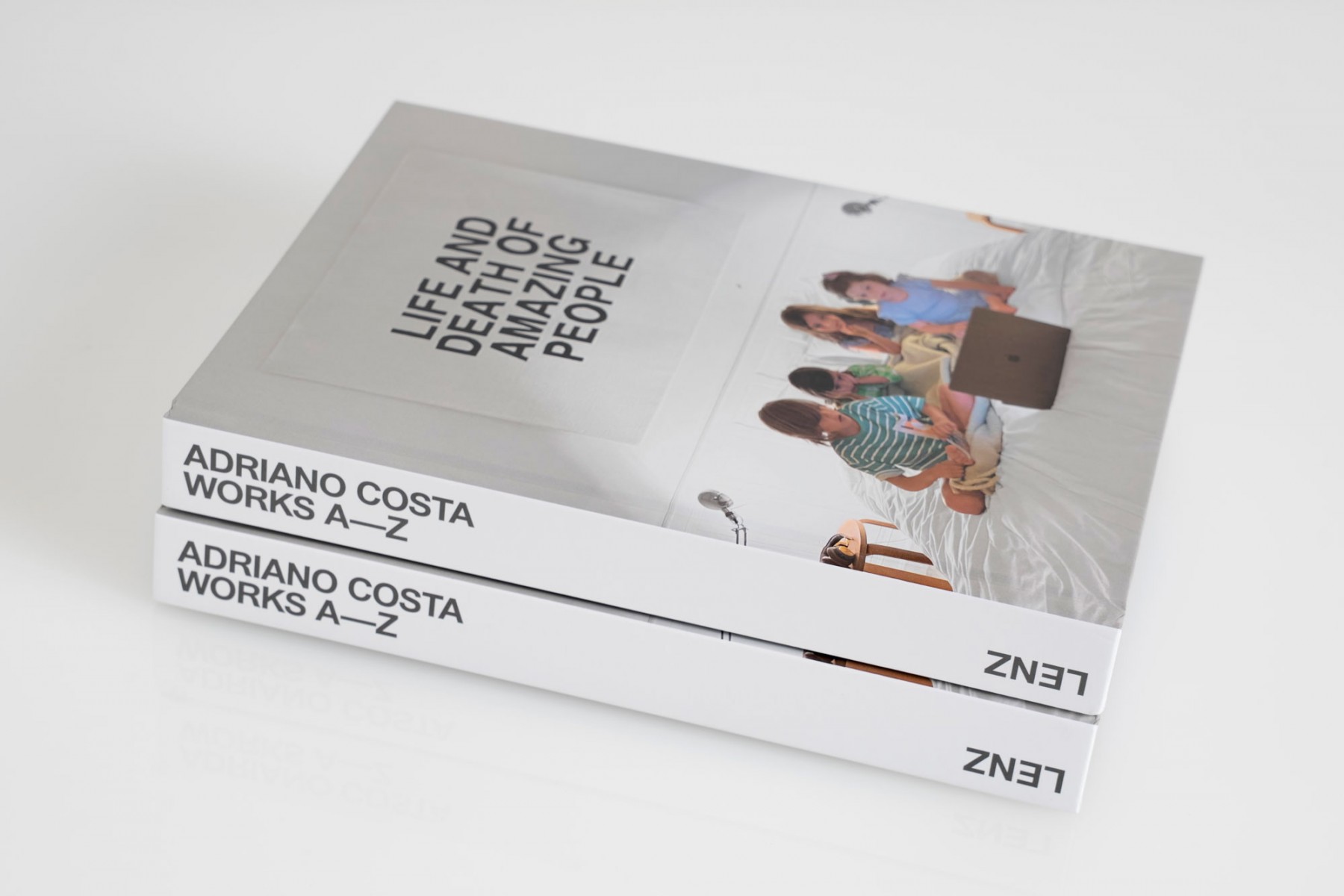
Edited by Adriano Costa with Stefano Cernuschi
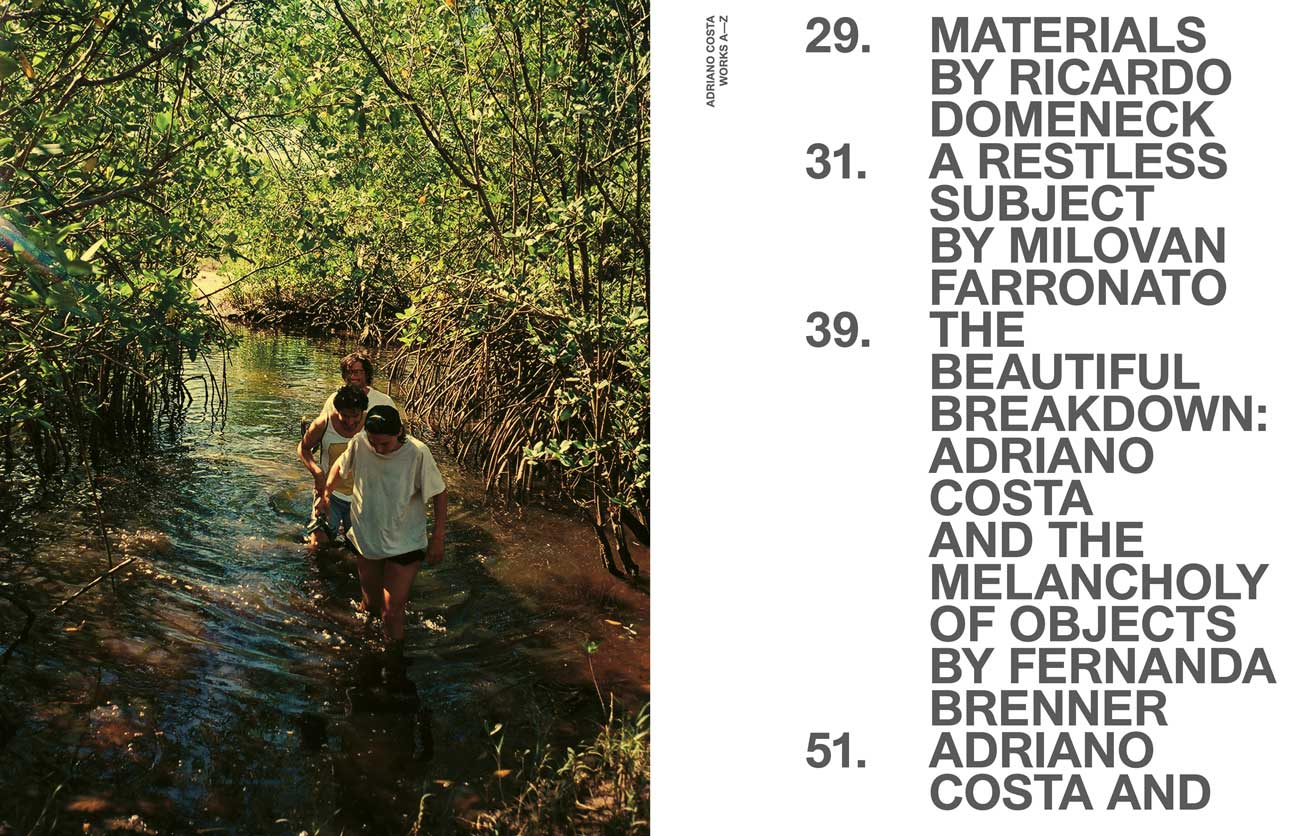
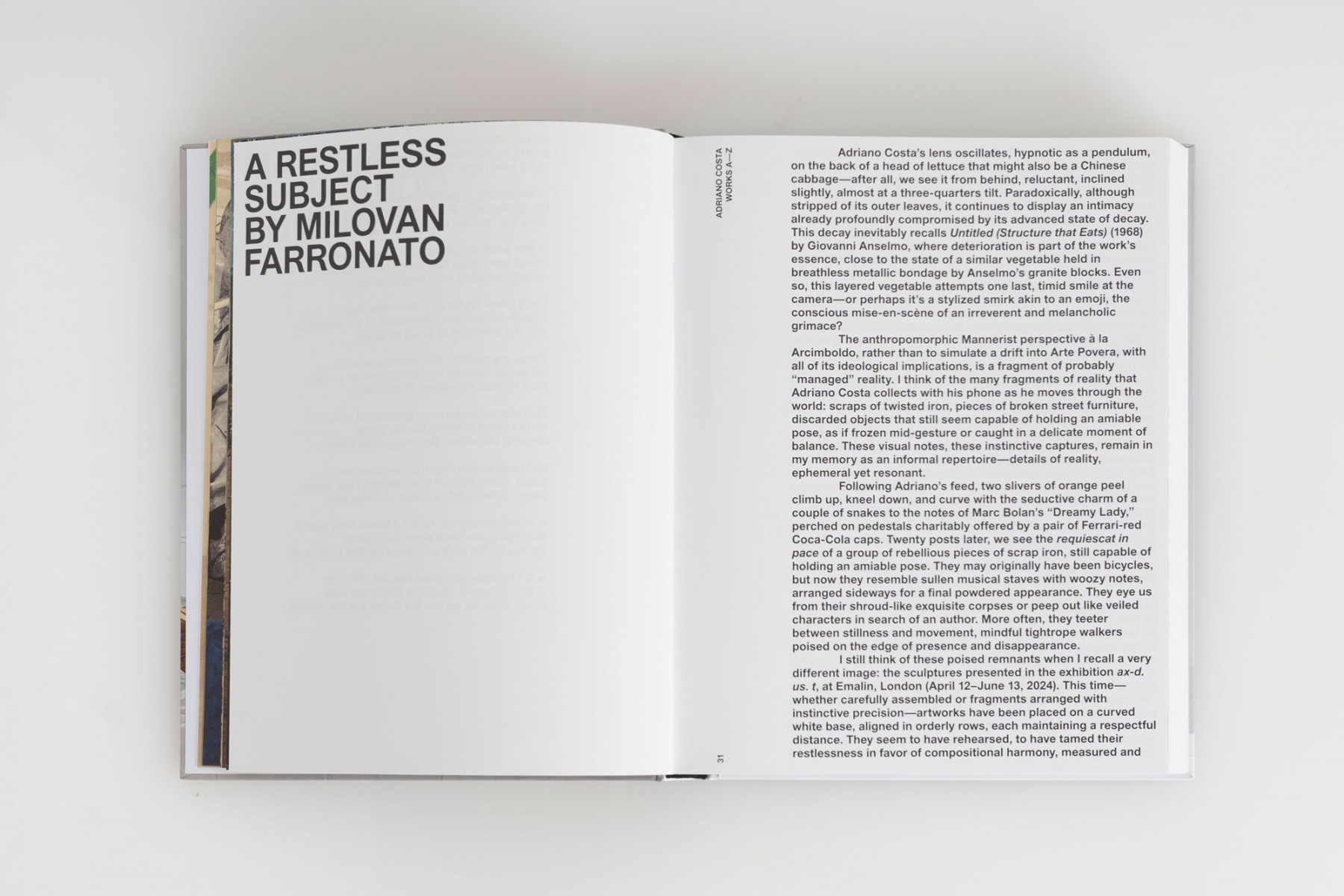
Texts by Fernanda Brenner, Milovan Farronato, Hans Ulrich Obrist and Adriano Costa
Designed by Tommaso Garner
2025, English, hardcover, 27 x 20 cm, 432 pages
ISBN 979-12-80579-78-2
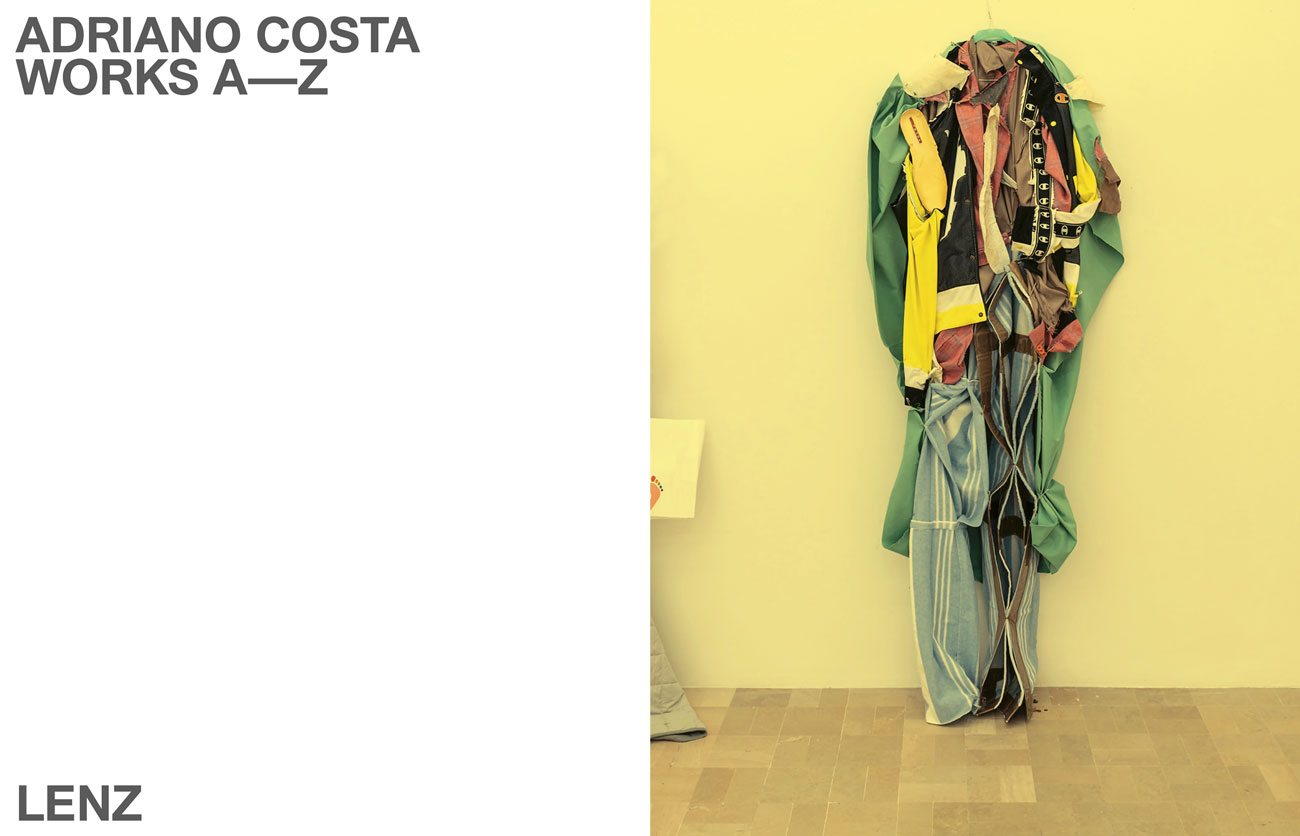
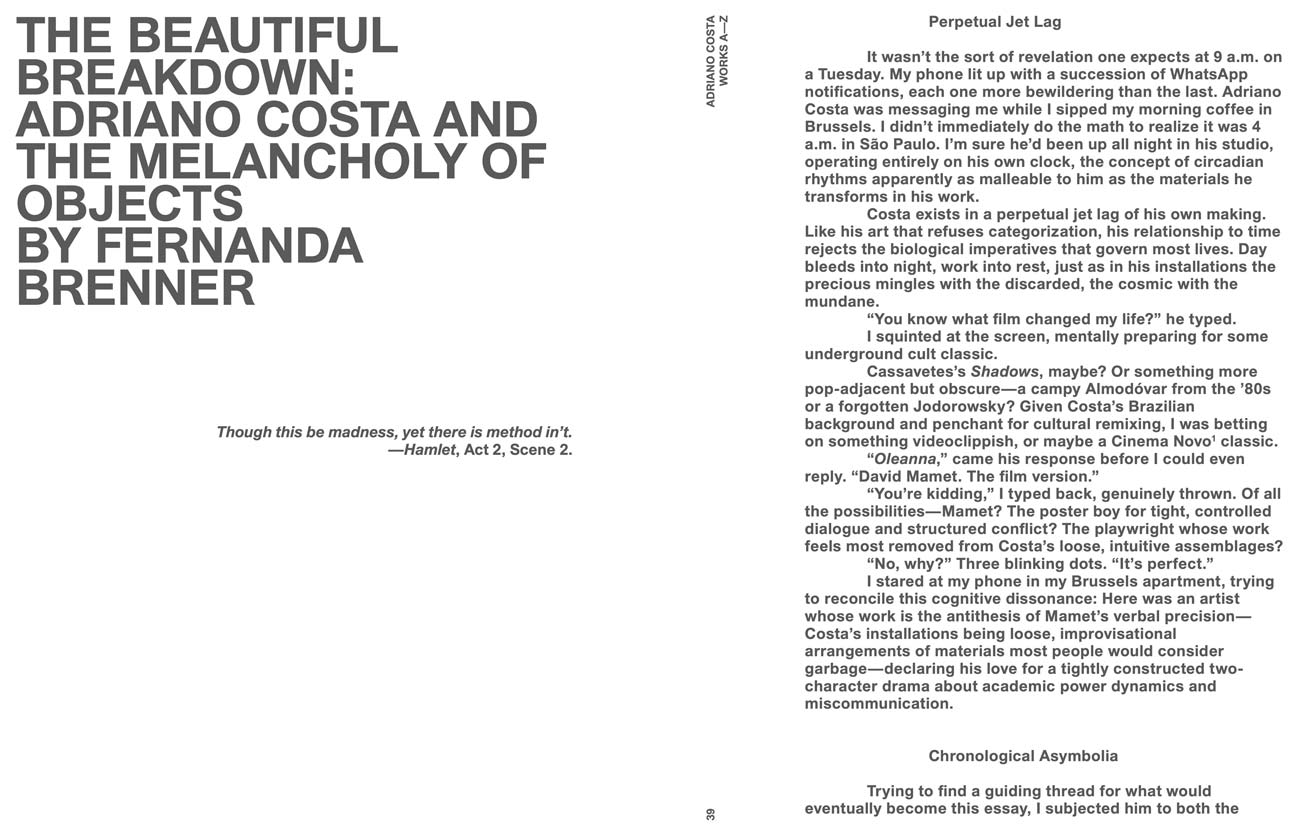
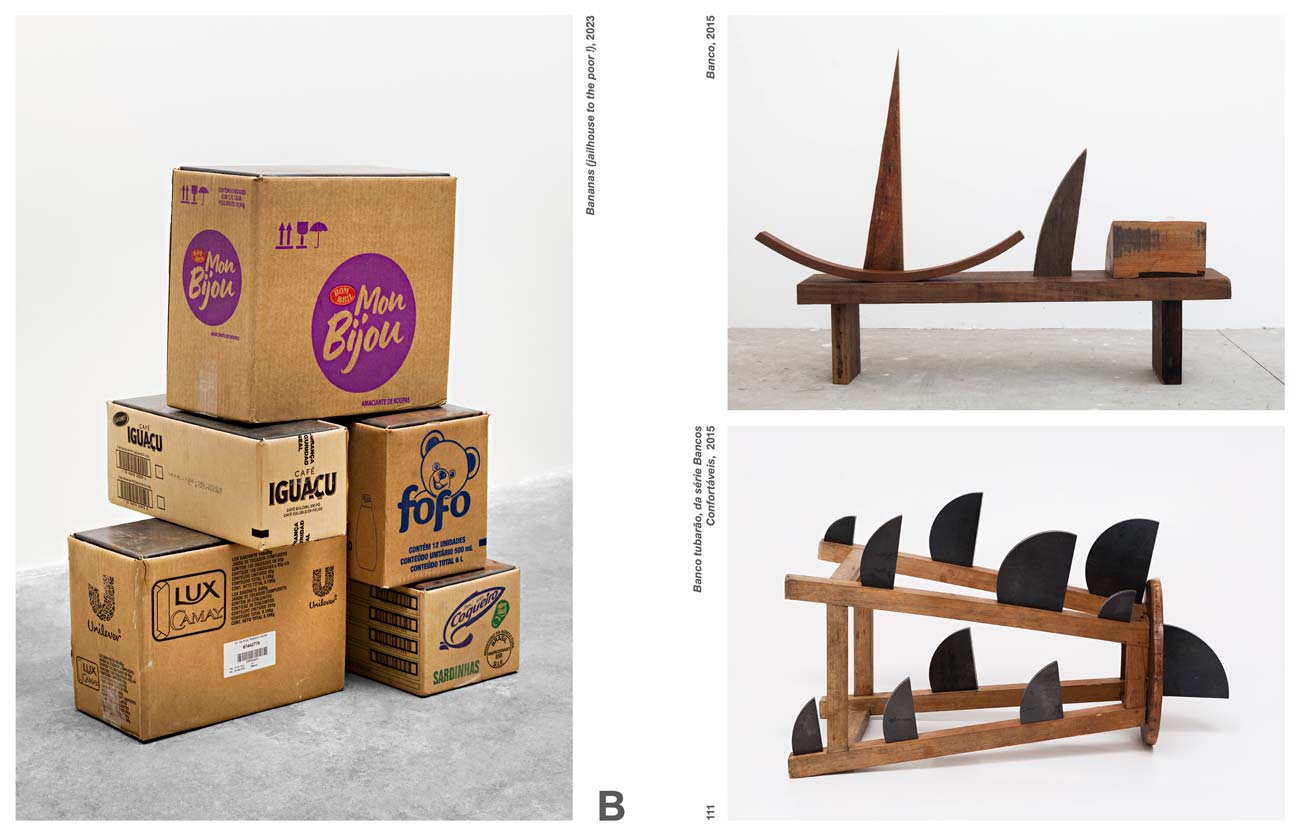
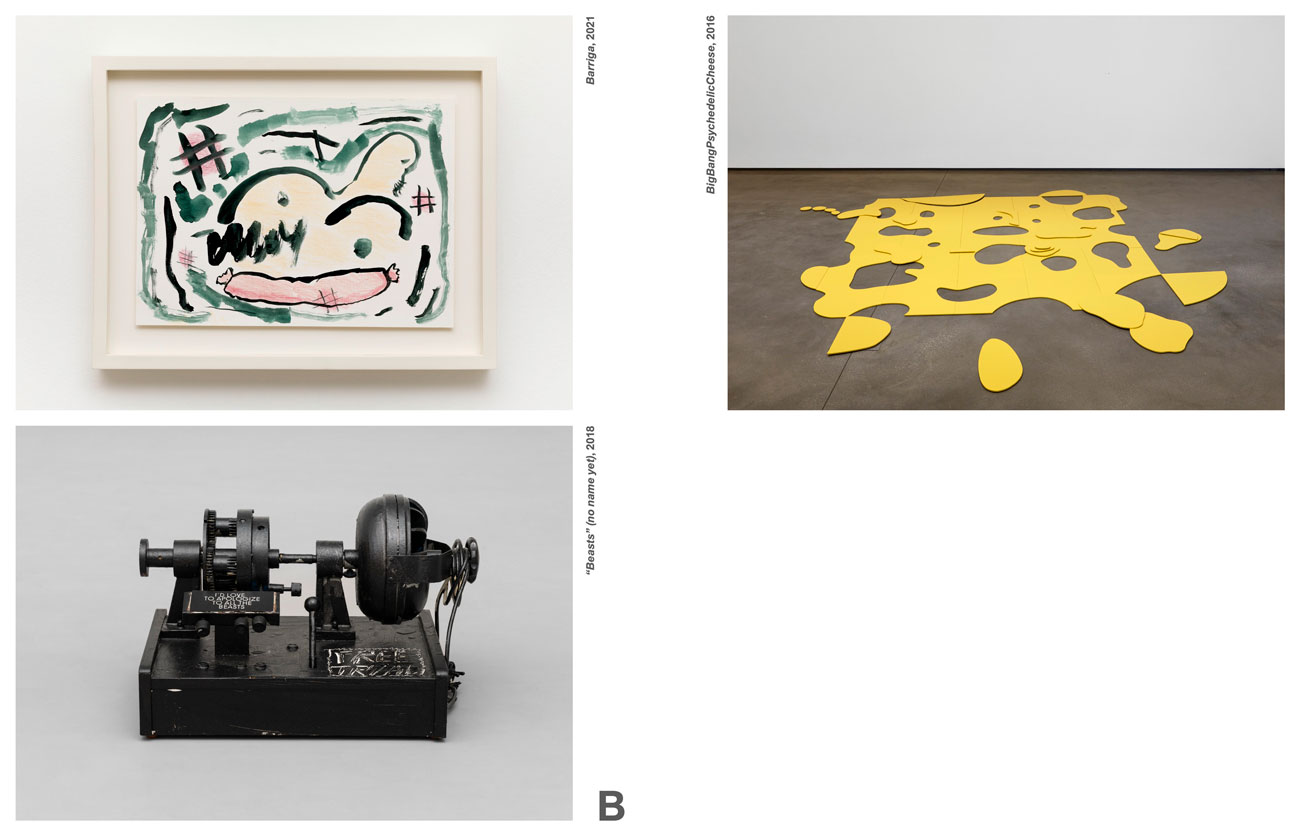
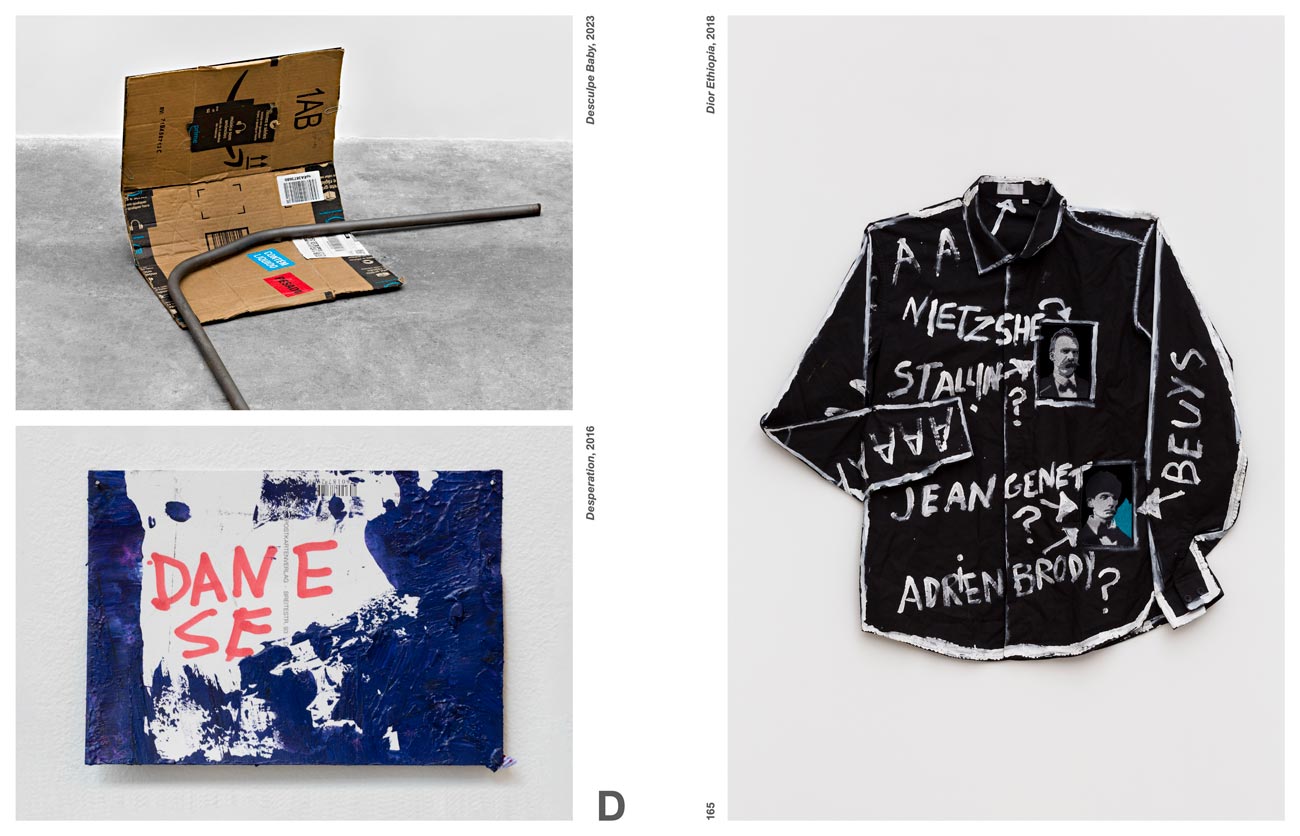
In a practice now spanning three decades, Adriano Costa has embodied a playful yet critical approach to materiality, form, and social context. Working primarily with found and everyday objects, the artist transforms discarded materials—such as fabrics, furniture, metal, and plastic—into sculptural assemblages that question notions of value, taste, and authorship. His process often embraces imperfection, humor, and spontaneity, creating works that appear casual or improvised but carry deep social and cultural resonance. Costa’s art merges the aesthetics of resourcefulness and informality found in urban street life with a conceptual critique of global consumer culture.
Beauty and meaning can emerge from the overlooked or the broken: Costa’s installations and assemblages often evoke a sense of fragility and transience, emphasizing the impermanent and the handmade. Through this, Costa challenges the hierarchies of art production and the fetishization of the “finished” artwork. His use of found materials also reflects broader political and economic realities, particularly in Brazil, where scarcity and creativity often coexist. Ultimately, Adriano Costa’s work is a meditation on transformation—of objects, meanings, and systems of value—inviting viewers to reconsider what is discarded, both materially and socially.
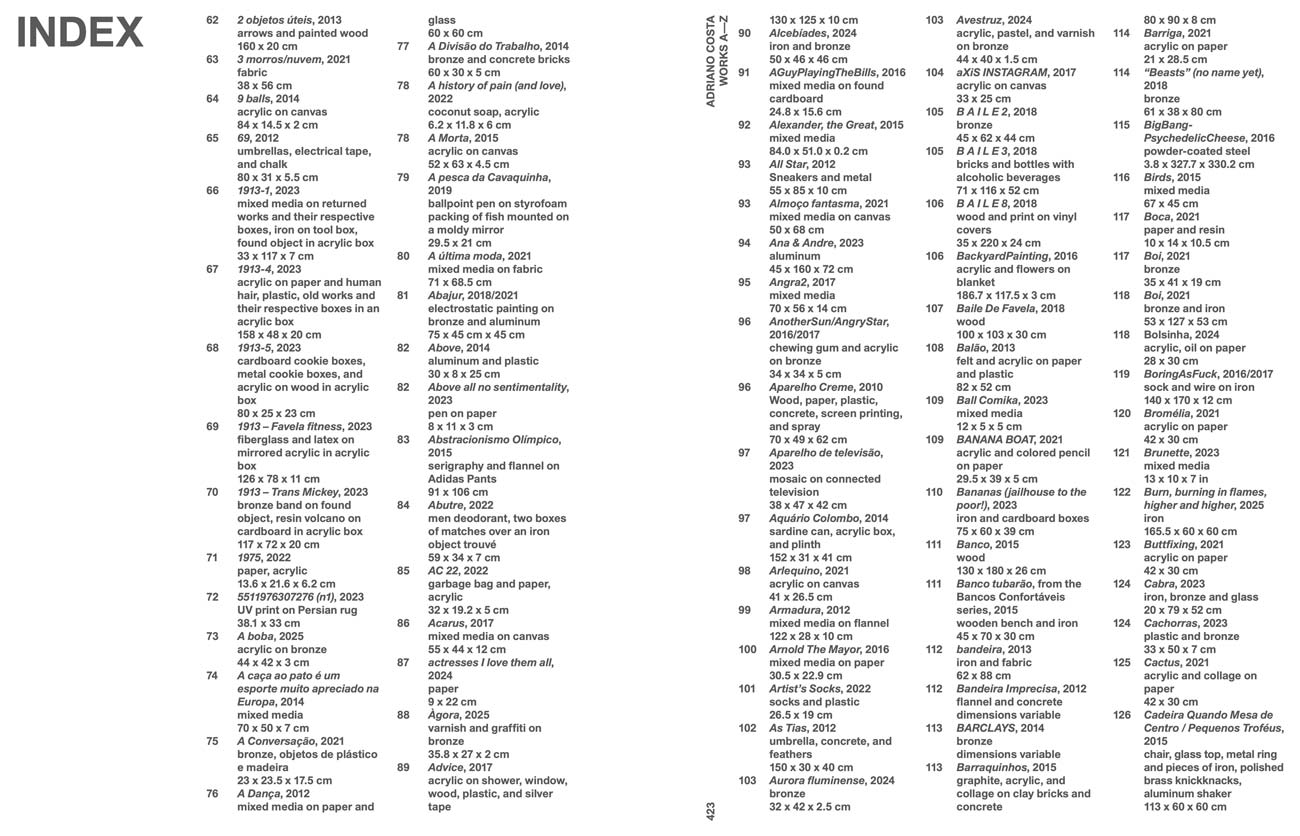
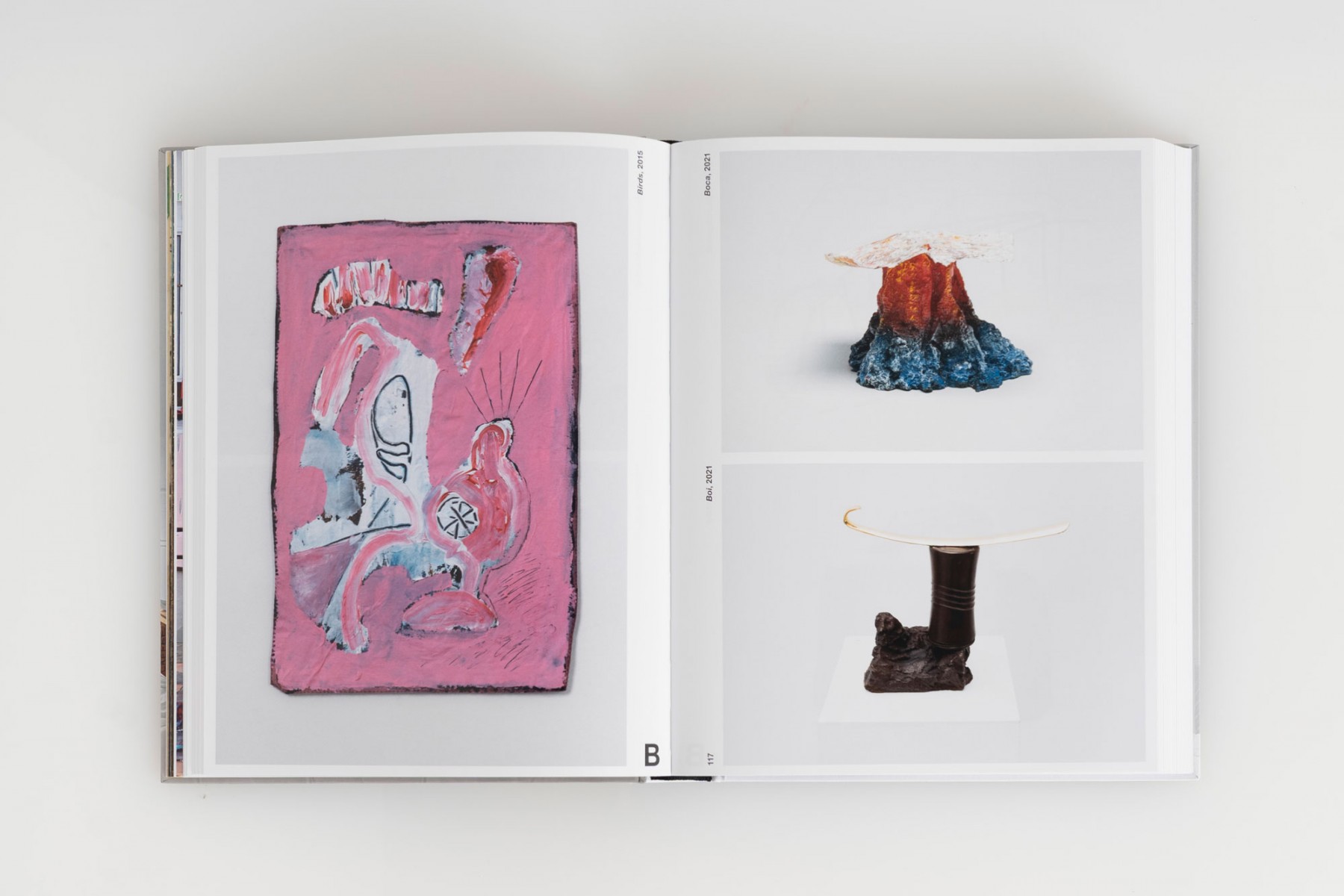
This unprecedented catalogue collects over 300 pieces listed in alphabetical order—titles are a key part of Costa’s works—alongside new writing by Fernanda Brenner and Milovan Farronato, two critics who have long followed and championed the artist’s practice.