Published in conjunction with a solo exhibition at Kunst Museum Winterthur, this book provides the first overview of Altmann’s work to date, characterized by a strongly socio-critical consciousness, and reveals the artist’s influences and inspirations.
The first monograph dedicated to Paloma Bosquê addresses the Brazilian artist’s ways of understanding and giving shape to that matter which can be perceived, but not rationalized.
The first book on London based artist Gili Tal, whose practice identifies how the digital has long become a reality that has subjected our habits of perception to a radical change.
Through comprehensive and interdisciplinary readings of landscape, cinema, architecture, and visual culture, this first monograph builds on the storytelling dimensions that have always informed the photographic oeuvre of the Syrian artist.
The book is the outcome of an exhibition around the theme of the sacred. The resumption of historical figures, classical art-historical iconography, and everyday images intermingle in a reconstruction of reality that is dreamlike, painful, and sometimes grotesque.
Vogliamo tutto. Cultural Practices and Labor is a publication on work within a changing socio-cultural context: from the impact of the Industrial Revolution to post-industrial decline through to the rapid evolution of the digital era.
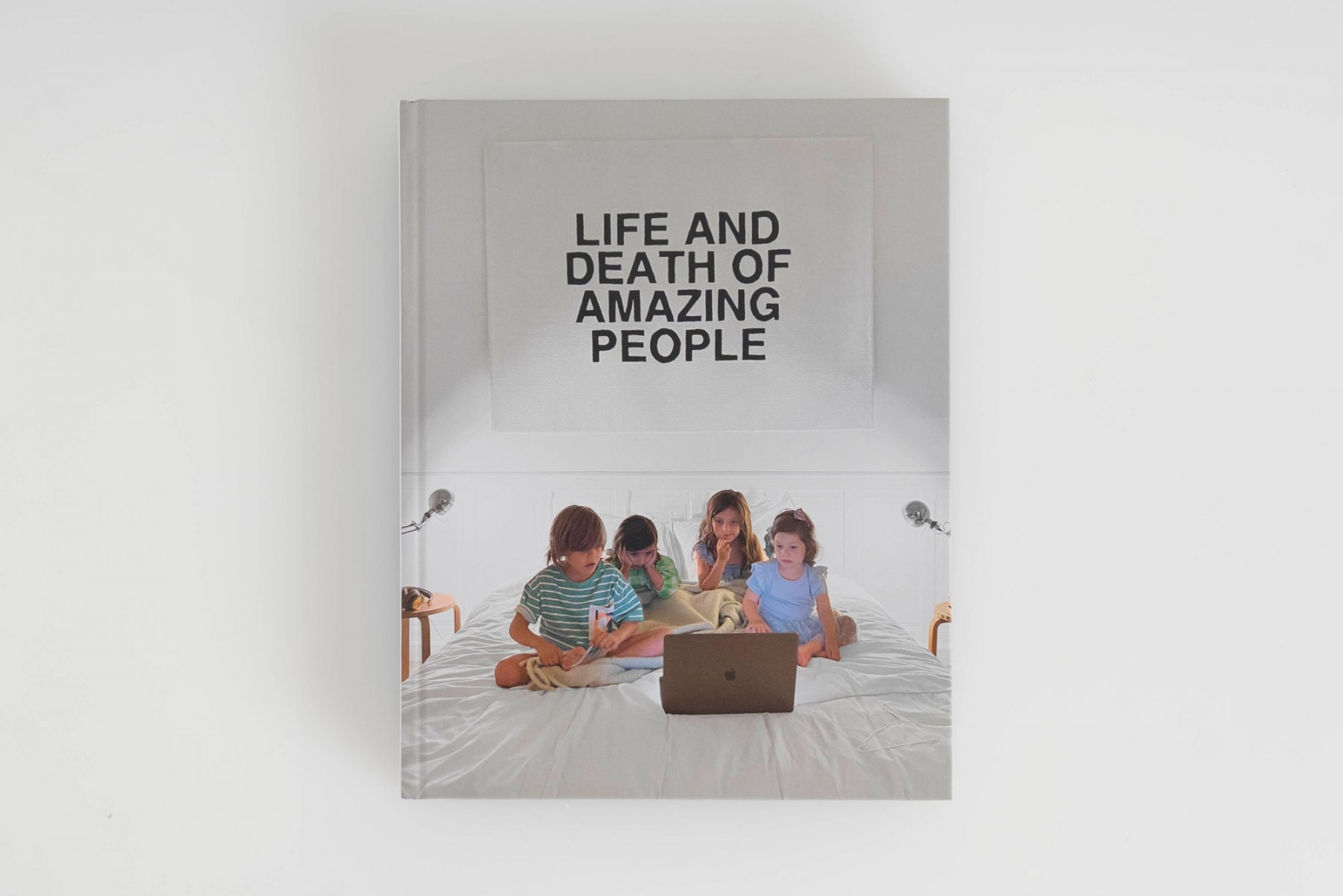
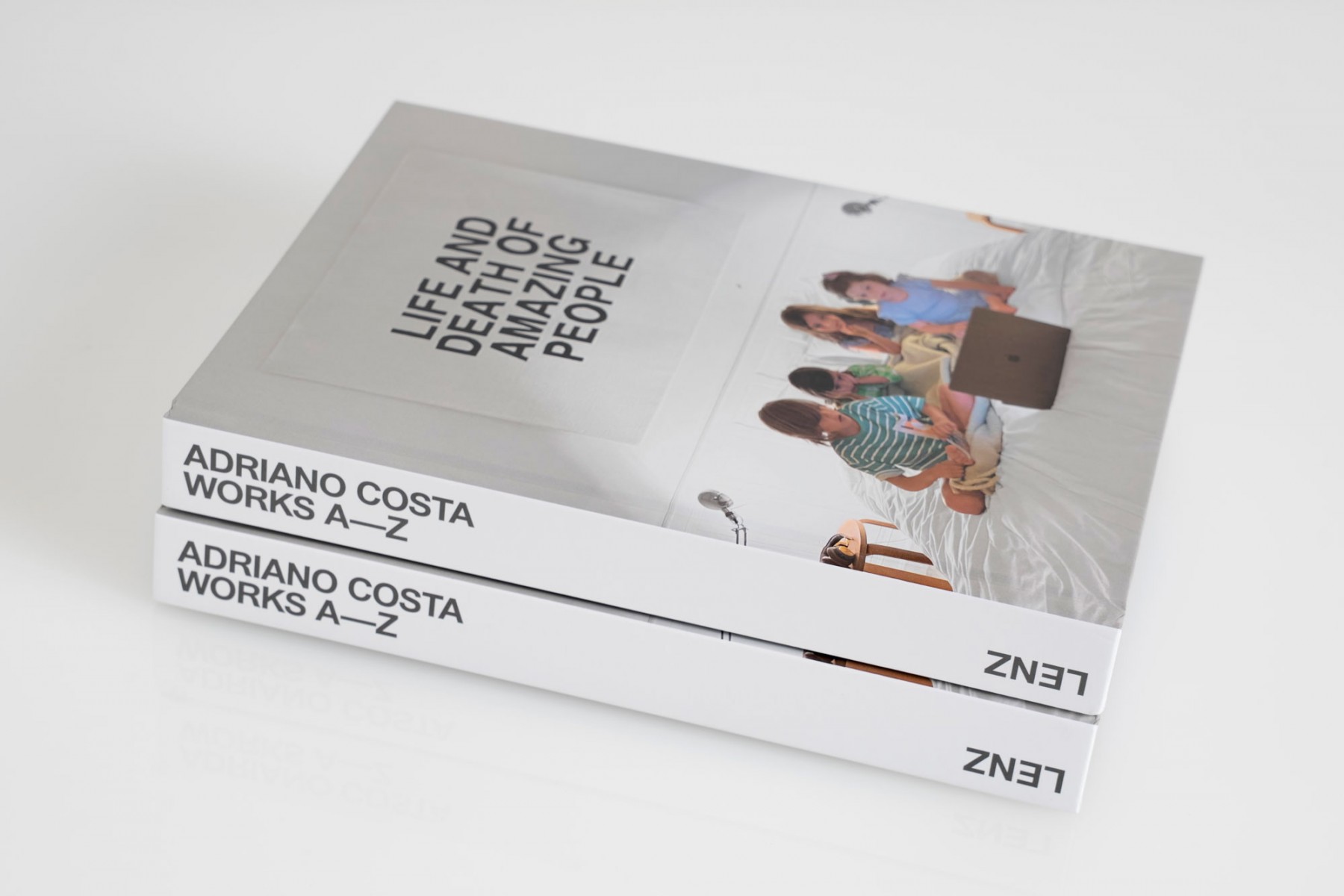
Edited by Adriano Costa with Stefano Cernuschi
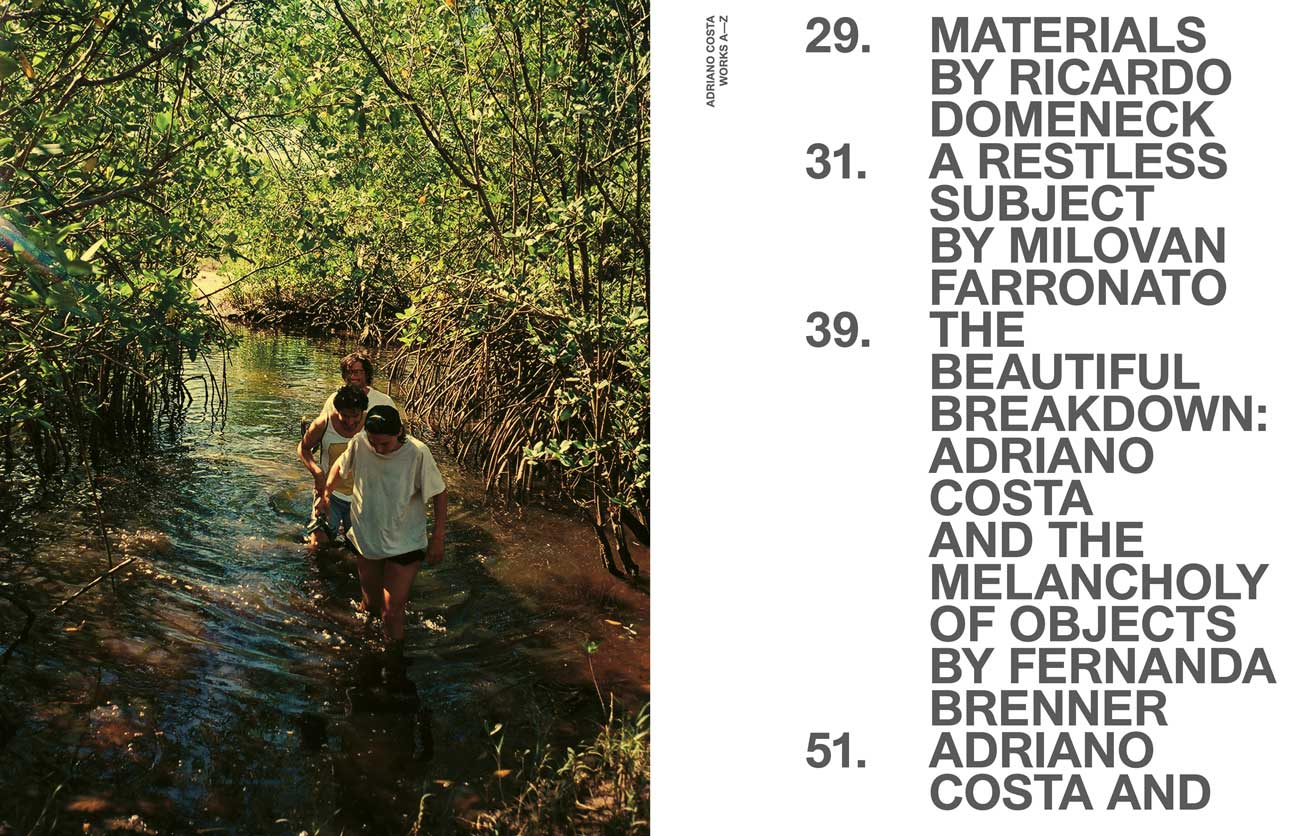
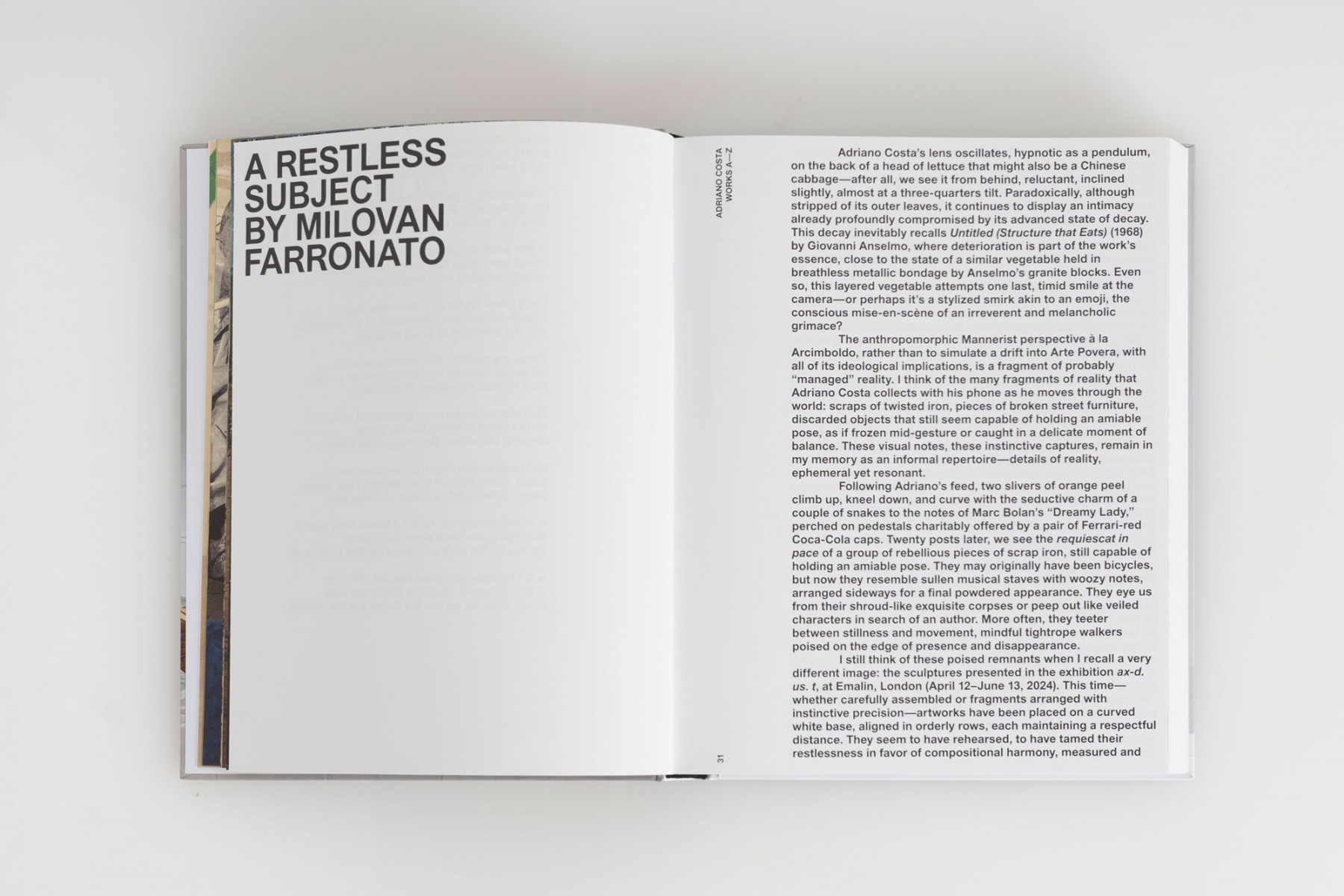
Texts by Fernanda Brenner, Milovan Farronato, Hans Ulrich Obrist and Adriano Costa
Designed by Tommaso Garner
2025, English, hardcover, 27 x 20 cm, 432 pages
ISBN 979-12-80579-78-2
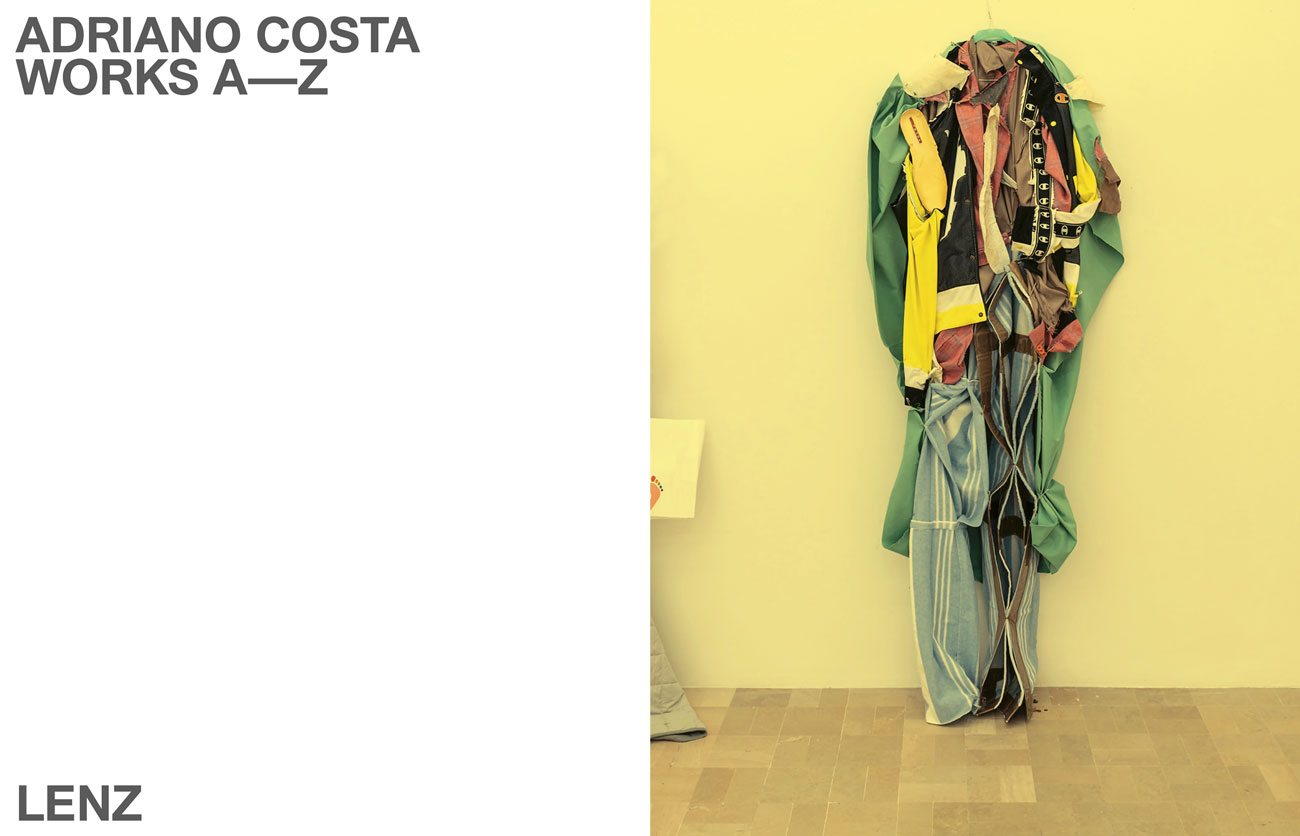
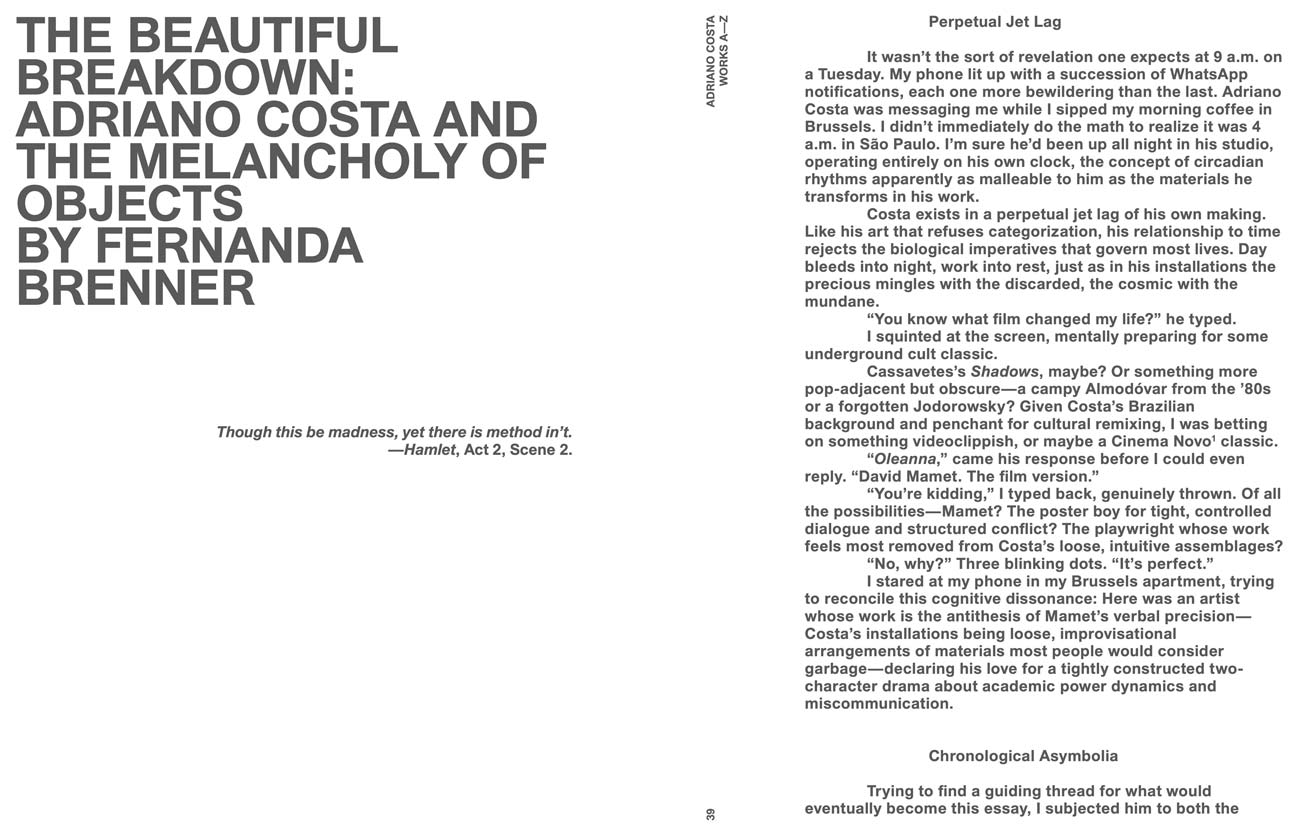
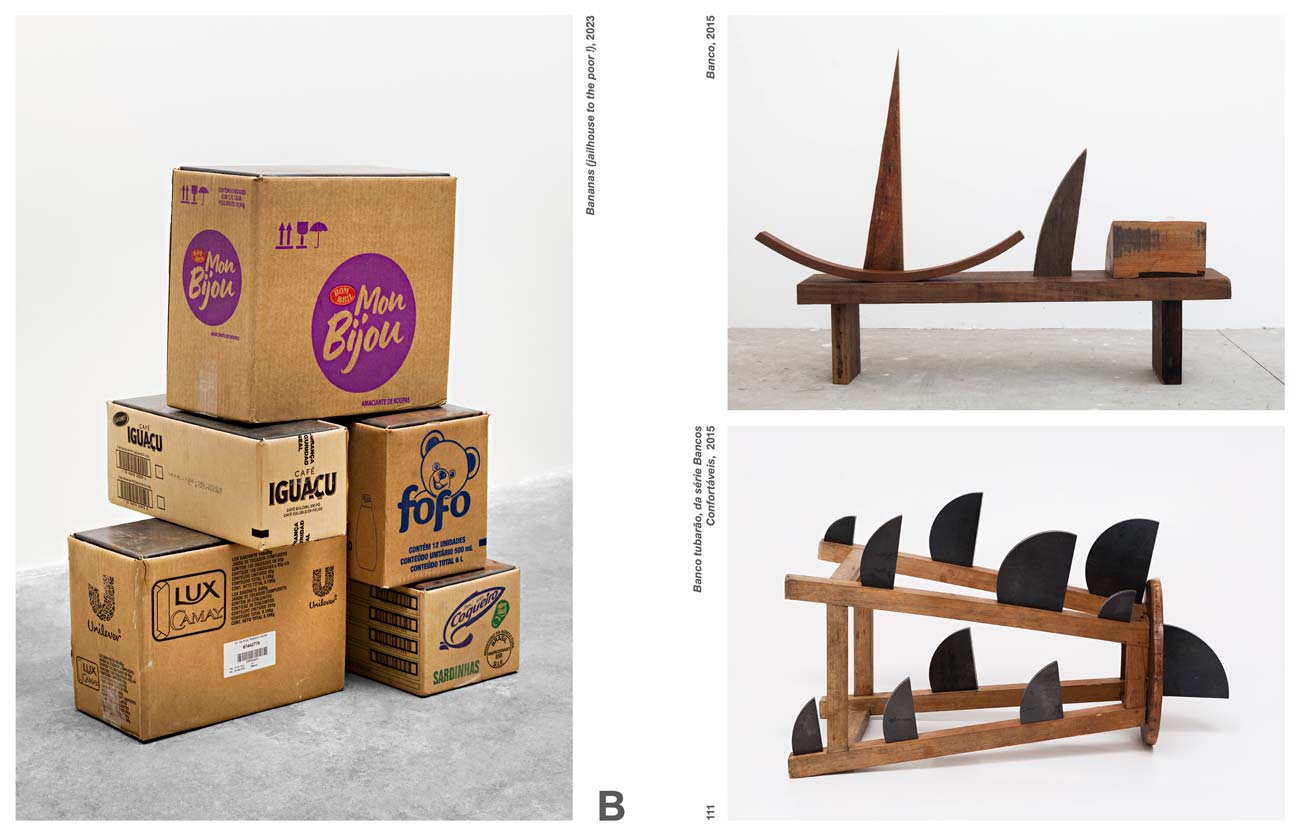
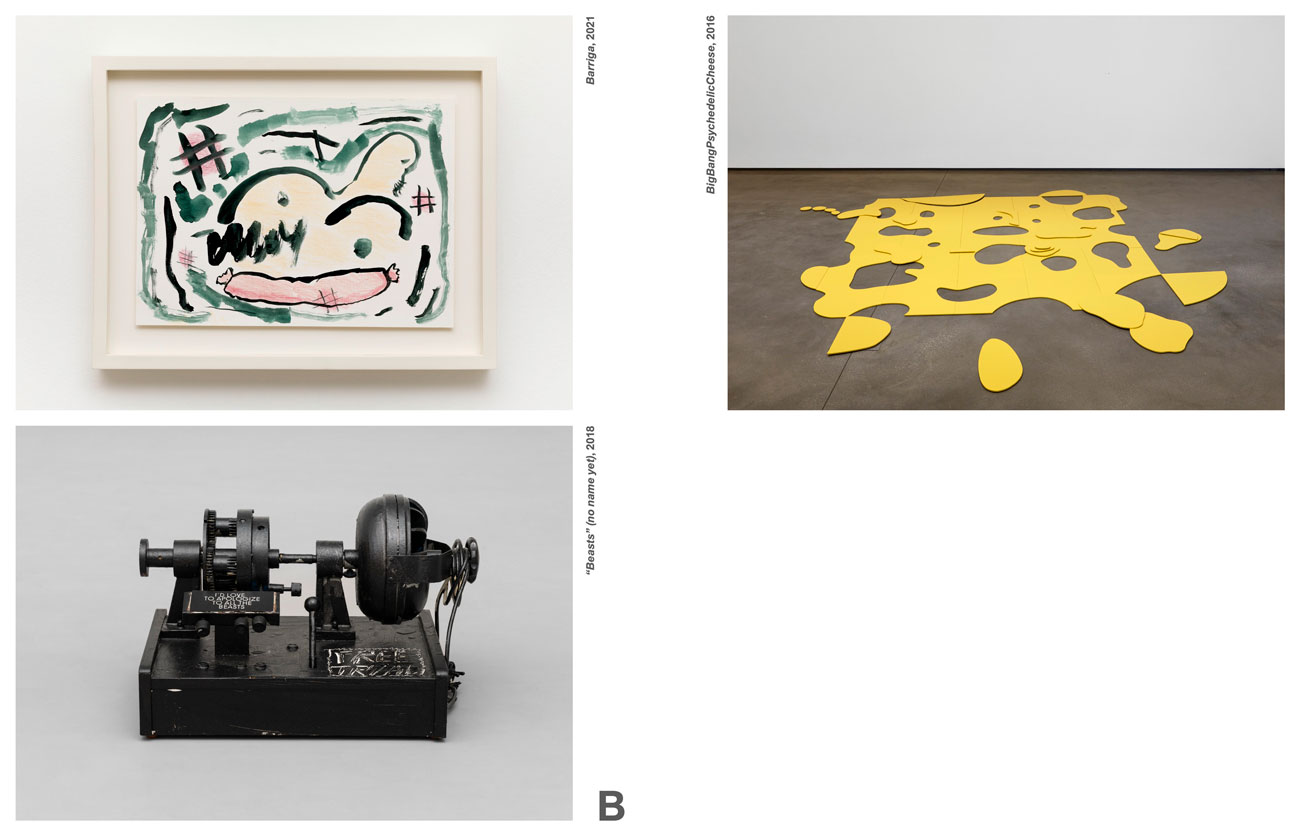
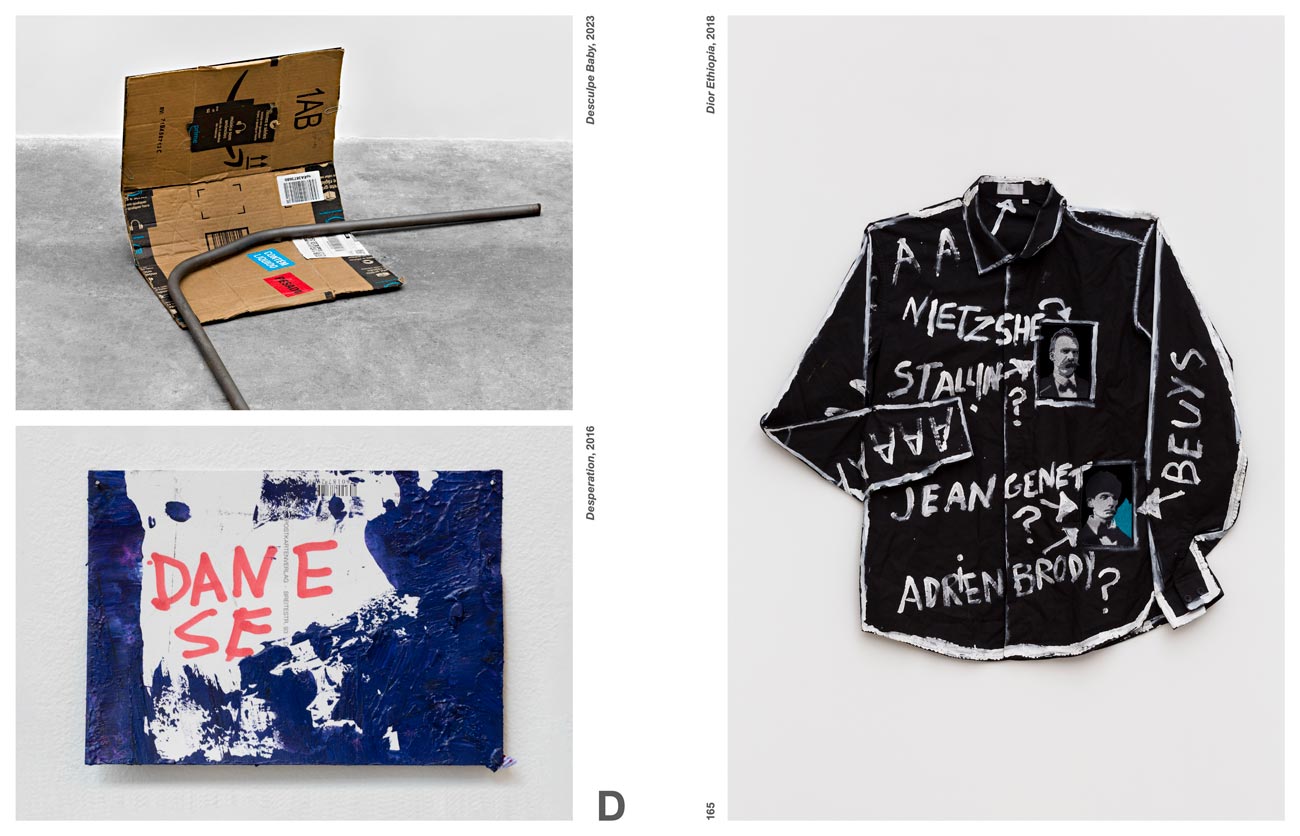
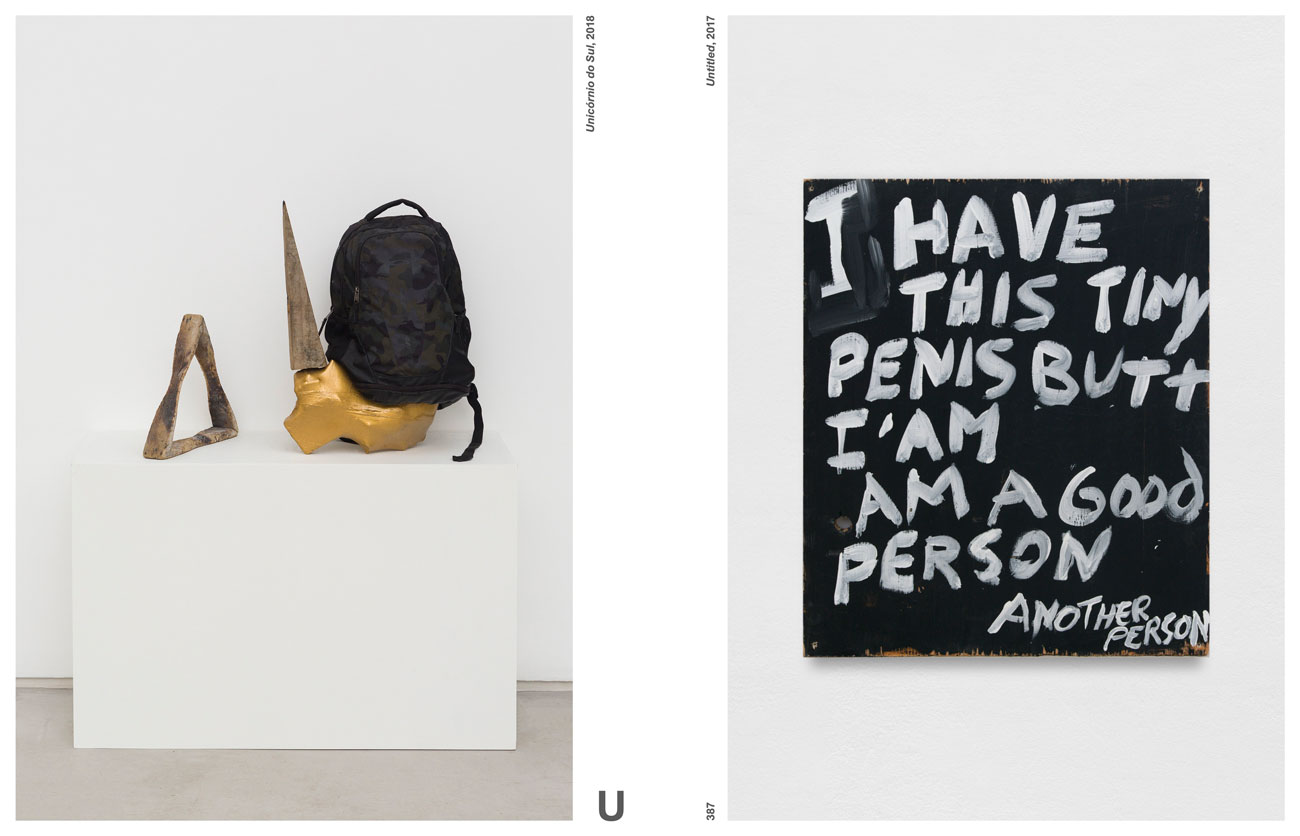
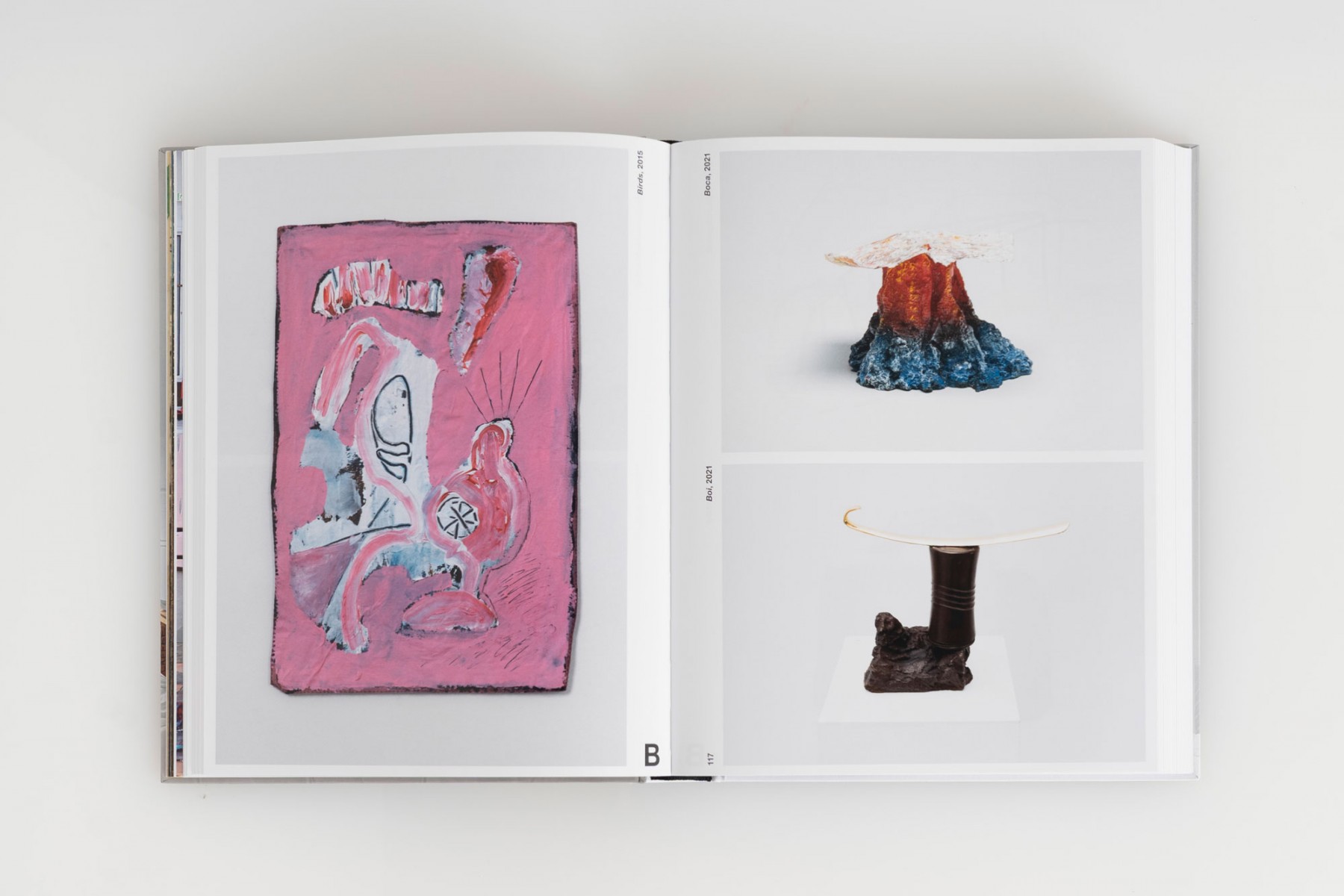
In a practice now spanning three decades, Adriano Costa has embodied a playful yet critical approach to materiality, form, and social context. Working primarily with found and everyday objects, the artist transforms discarded materials—such as fabrics, furniture, metal, and plastic—into sculptural assemblages that question notions of value, taste, and authorship. His process often embraces imperfection, humor, and spontaneity, creating works that appear casual or improvised but carry deep social and cultural resonance. Costa’s art merges the aesthetics of resourcefulness and informality found in urban street life with a conceptual critique of global consumer culture.
Beauty and meaning can emerge from the overlooked or the broken: Costa’s installations and assemblages often evoke a sense of fragility and transience, emphasizing the impermanent and the handmade. Through this, Costa challenges the hierarchies of art production and the fetishization of the “finished” artwork. His use of found materials also reflects broader political and economic realities, particularly in Brazil, where scarcity and creativity often coexist. Ultimately, Adriano Costa’s work is a meditation on transformation—of objects, meanings, and systems of value—inviting viewers to reconsider what is discarded, both materially and socially.
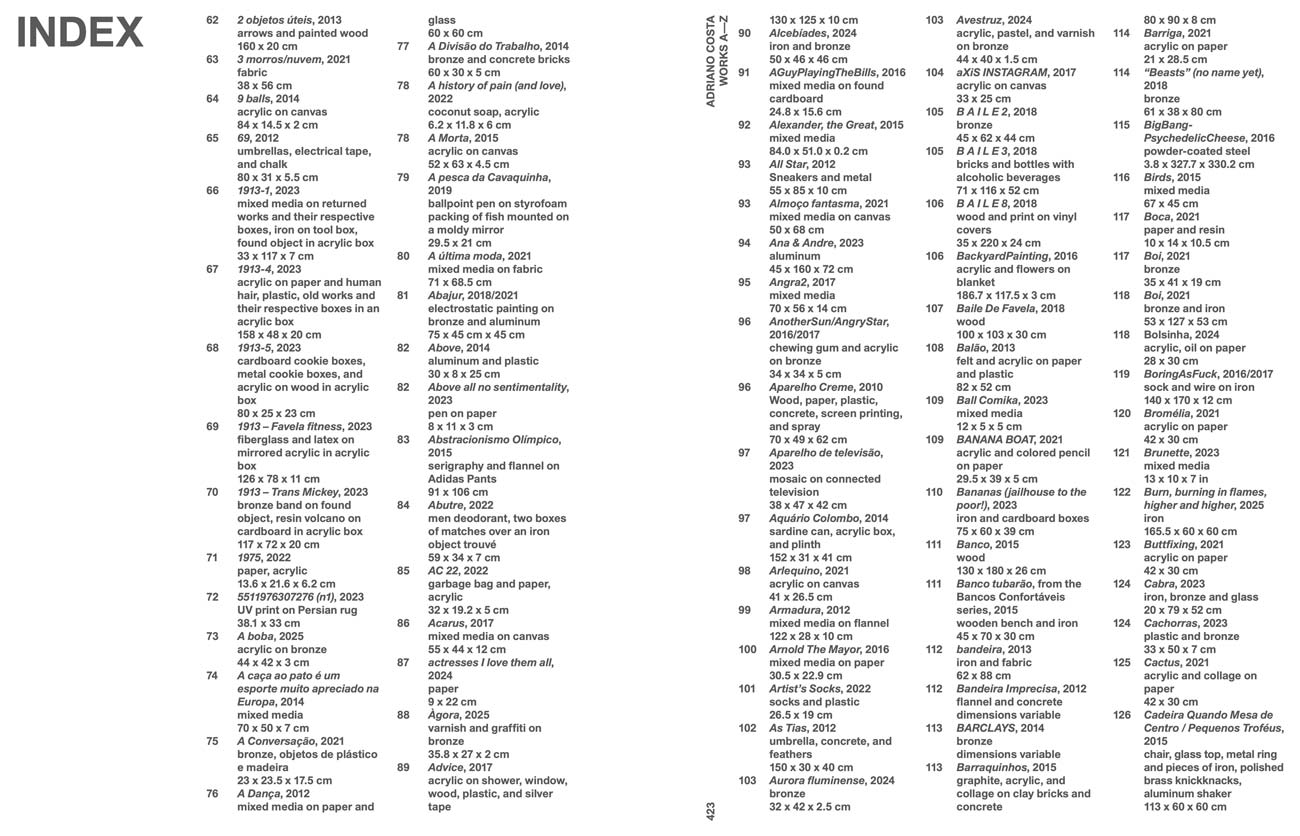
This unprecedented catalogue collects over 300 pieces listed in alphabetical order—titles are a key part of Costa’s works—alongside new writing by Fernanda Brenner and Milovan Farronato, two critics who have long followed and championed the artist’s practice.