Vogliamo tutto. Pratiche culturali e lavoro è una pubblicazione sul lavoro all’interno del contesto socio-culturale in evoluzione: dagli impatti della rivoluzione industriale, al declino post-industriale, fino alla rapida accelerazione dell’era digitale.
Divine Drudgery is an artist book with collages and artworks by James Richards and Leslie Thornton, and contributions by artists, writers and poets centred around liminality and the aesthetics and politics of the invisible.
The book is the first comprehensive monograph on the polymorphous work of Athanasios Argianas. It is published on the occasion of Hollowed Water, a major solo exhibition at Camden Arts Centre in 2020 and ARCH, Athens, in 2021.
Through exquisite craftsmanship, and with reference to romantic nationalism, Ann Böttcher explores how aesthetic and political projections characterize notions of nature, and how such conceptions are taken up by countries, political movements, and other institutions.
Voices (Towards Other Institutions) is the final act of the coral, multiform, articulated, two-year-long experiment carried out by Open, the Russian Federation Pavilion at the 17th International Architecture Exhibition.
The book deals with Diego Marcon’s practice through the analysis of three film and video works. Monelle (2017), Ludwig (2018), and The Parents’ Room (2020) are his most recent and complex projects, and they are all emblematic of central aspects of his production.
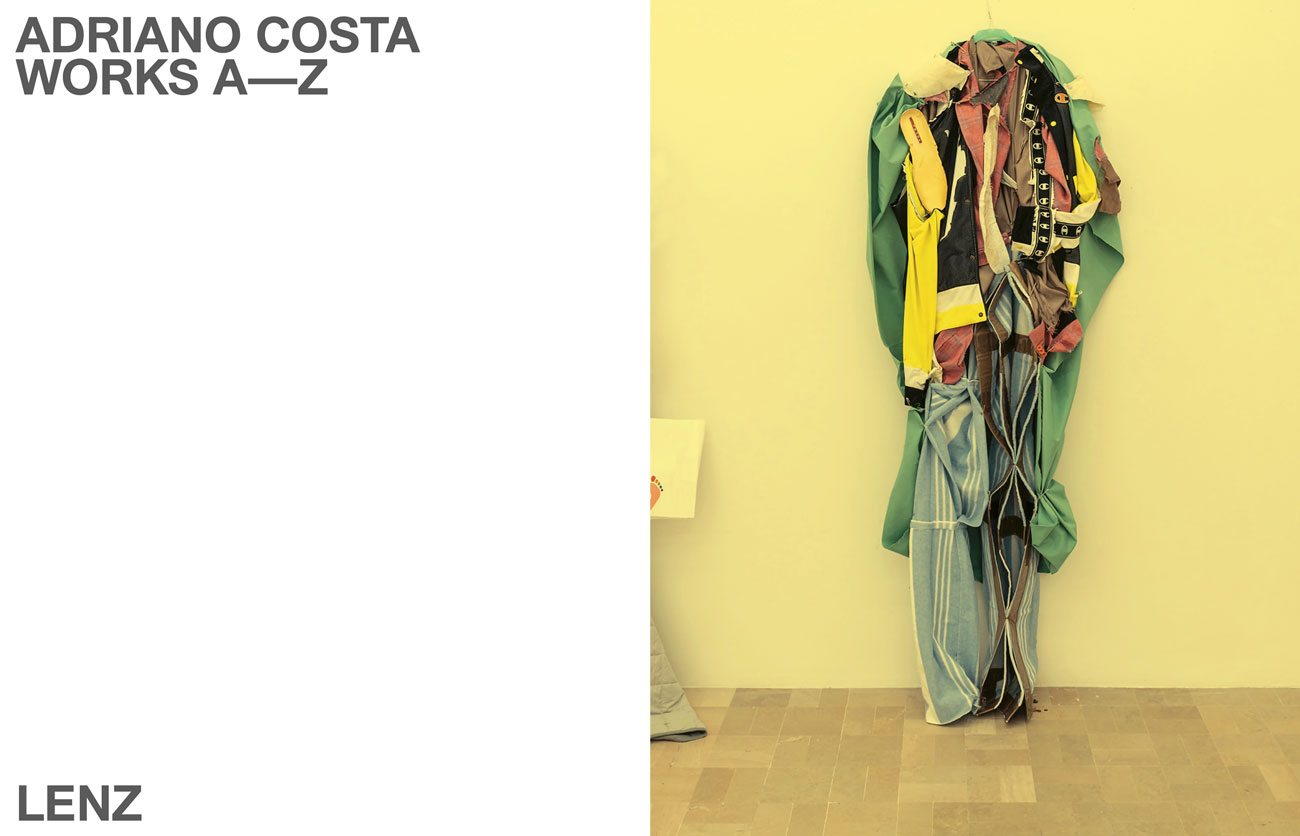
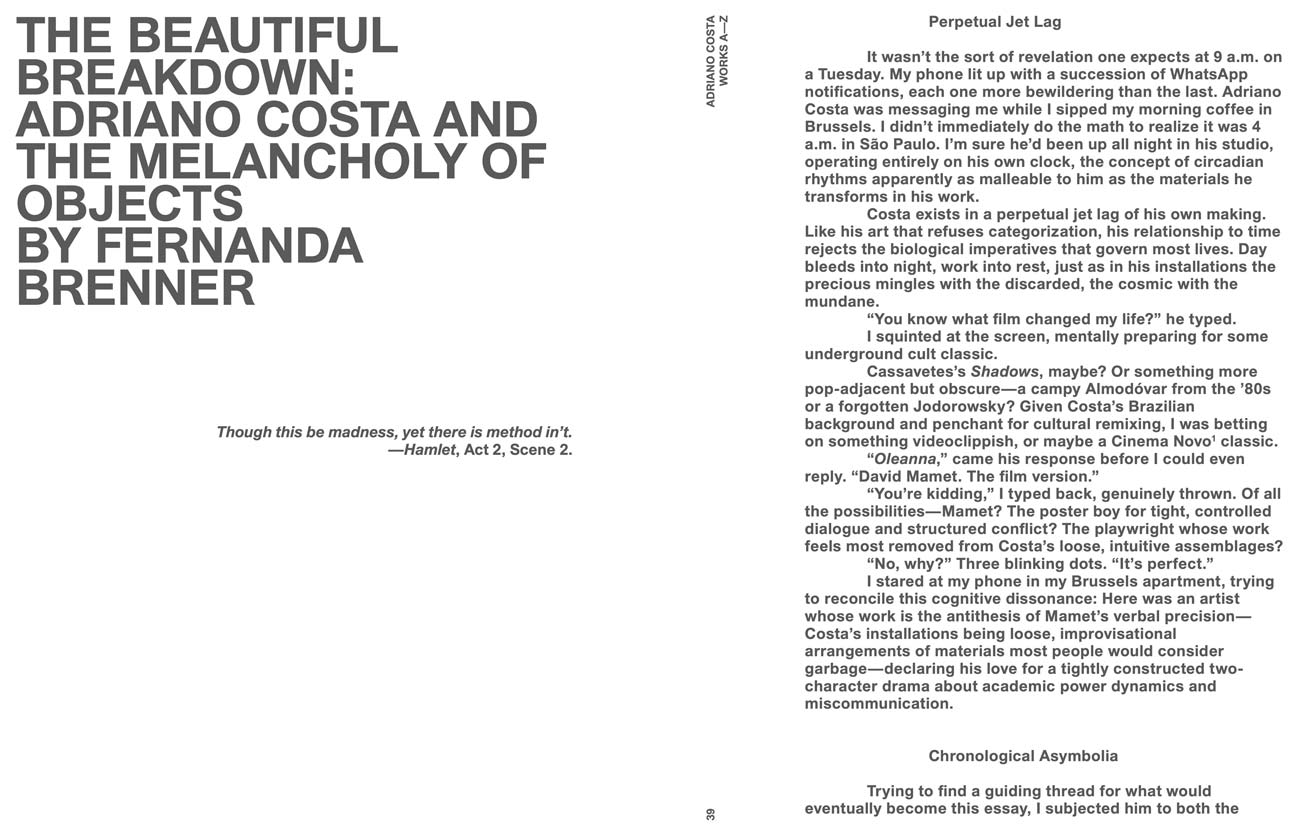
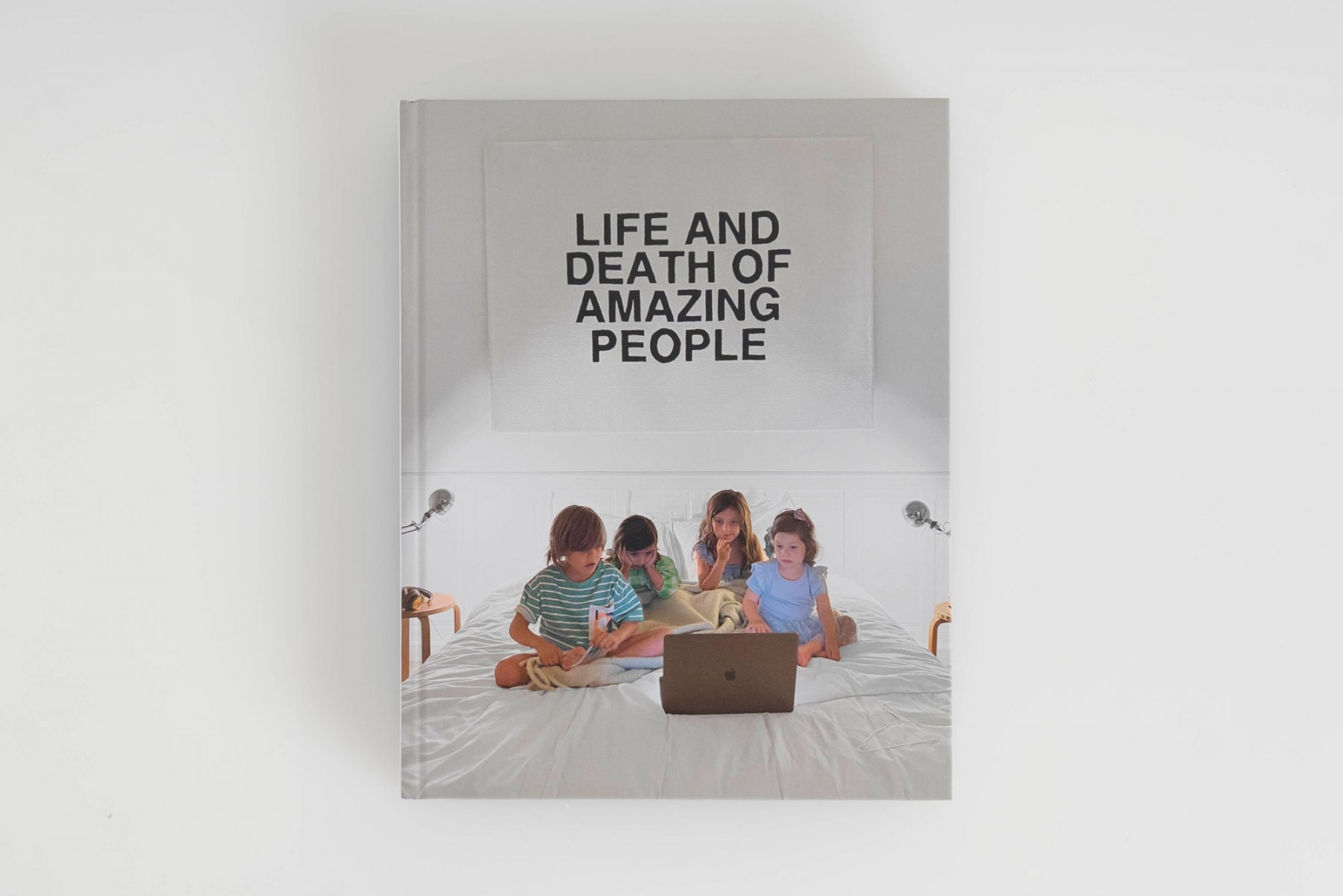
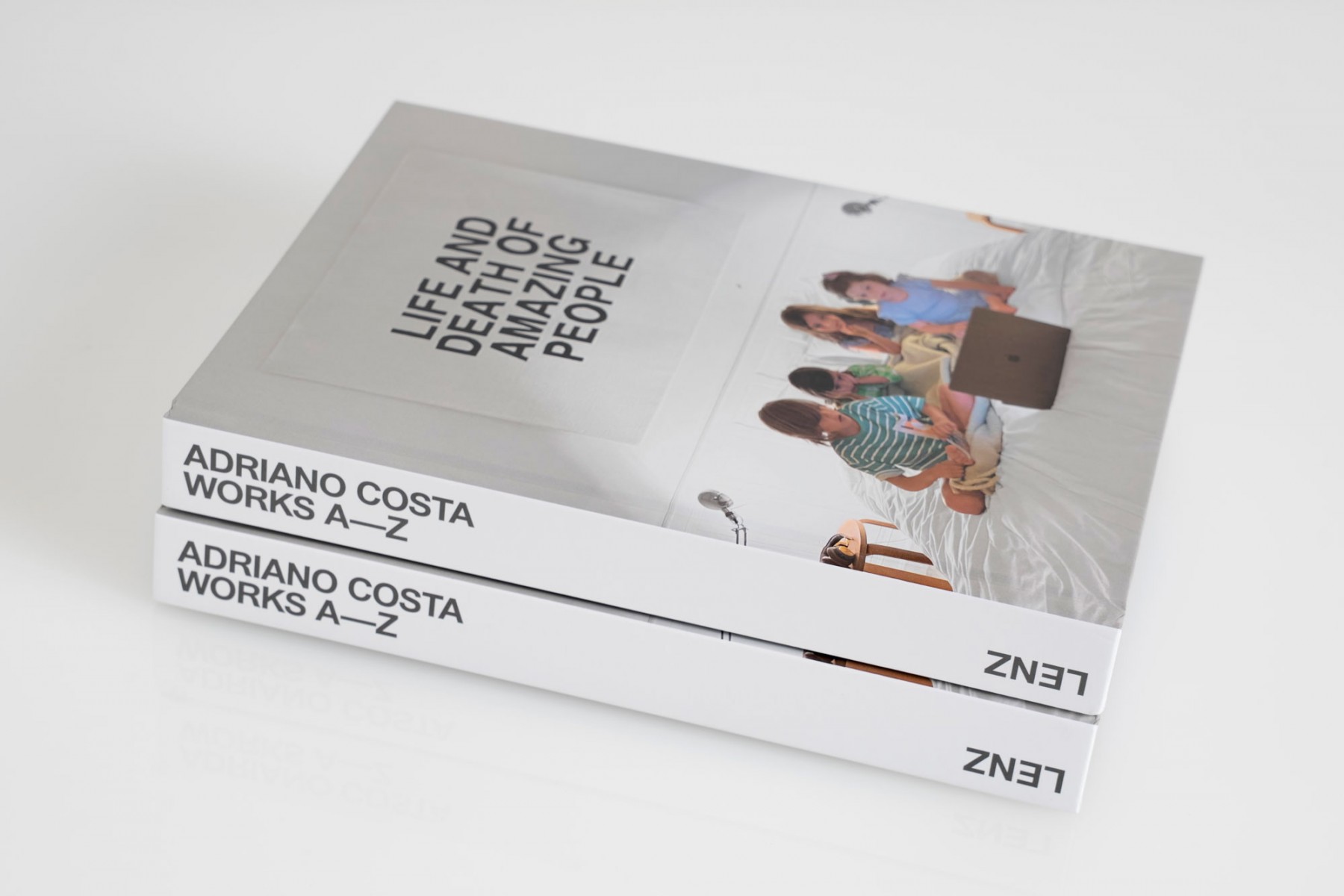
Edited by Adriano Costa with Stefano Cernuschi
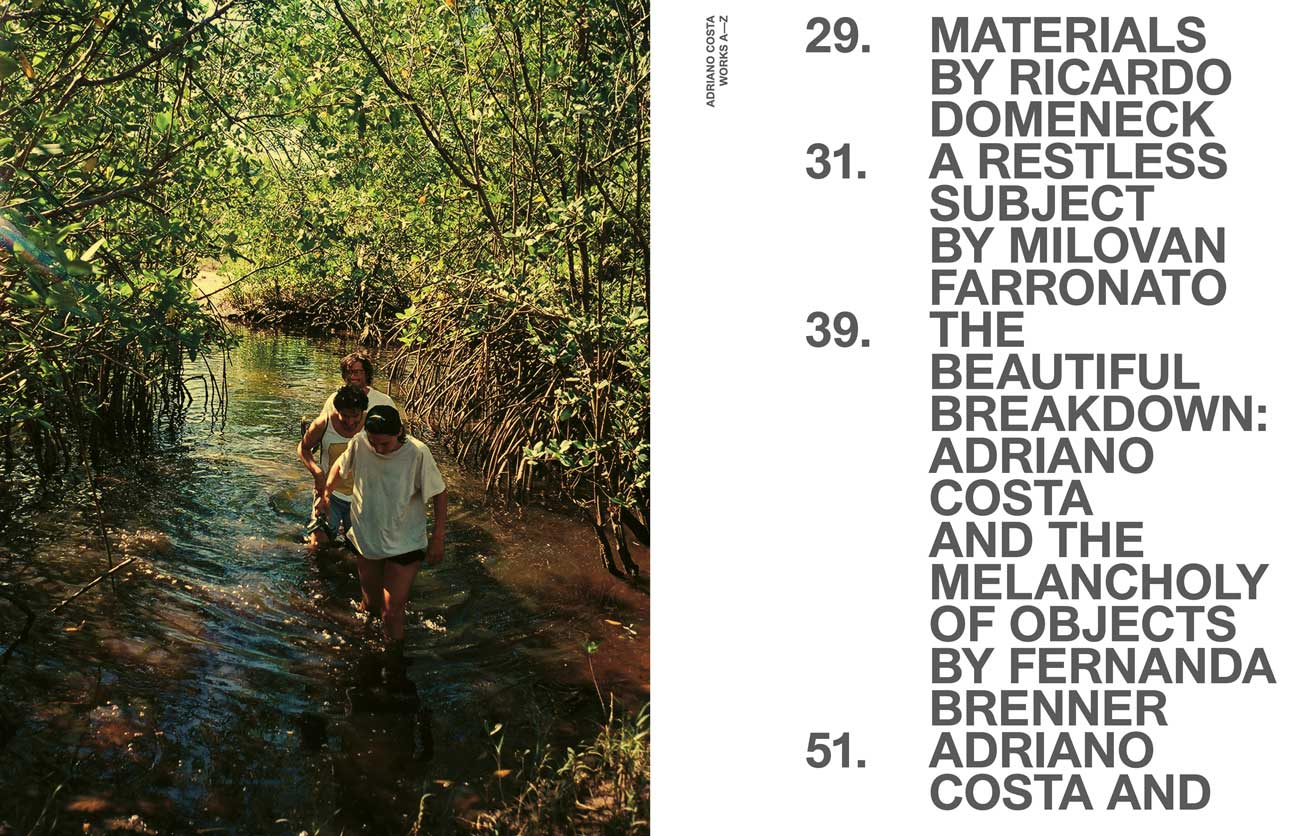
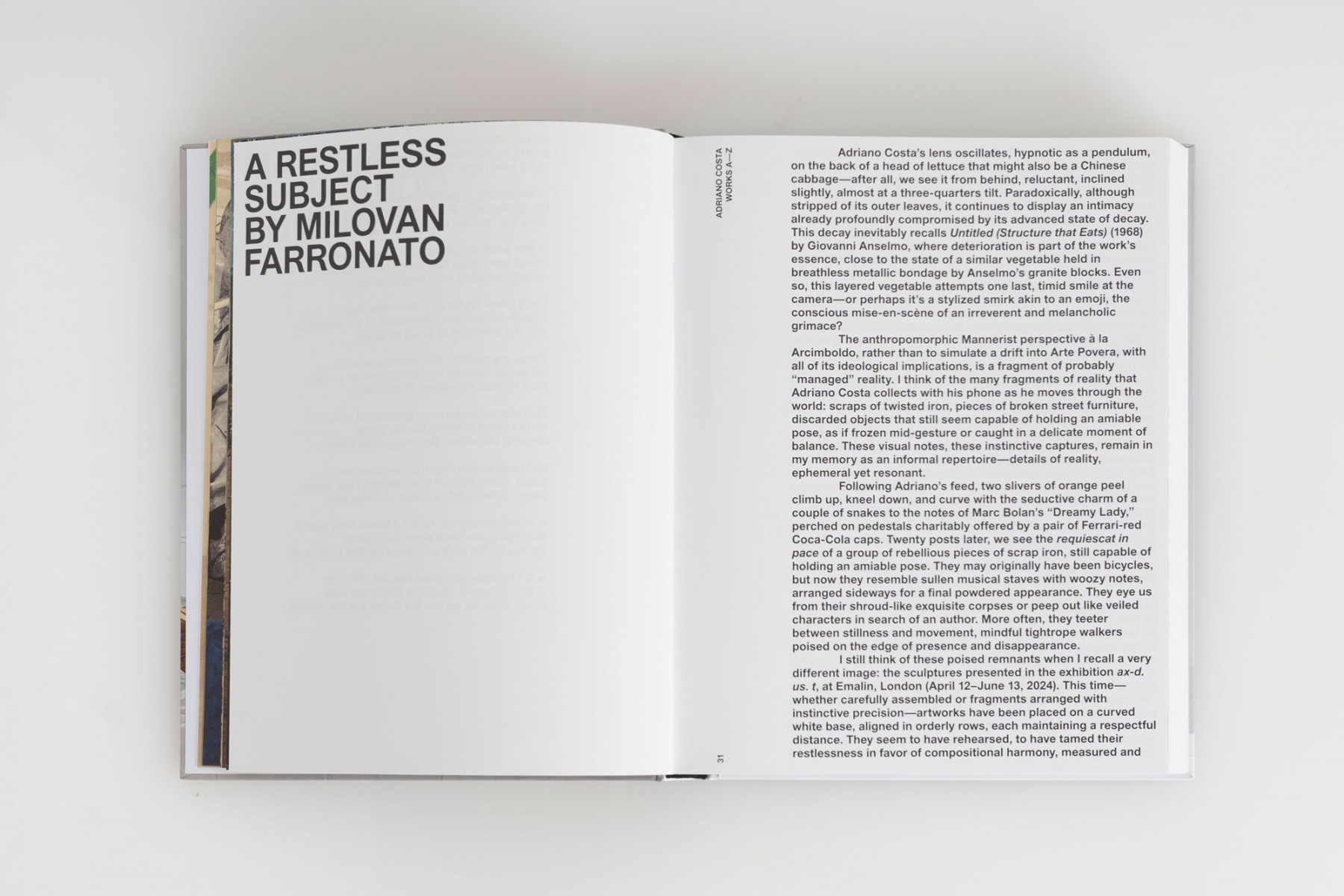
Texts by Fernanda Brenner, Milovan Farronato, Hans Ulrich Obrist and Adriano Costa
Designed by Tommaso Garner
2025, English, hardcover, 27 x 20 cm, 432 pages
ISBN 979-12-80579-78-2
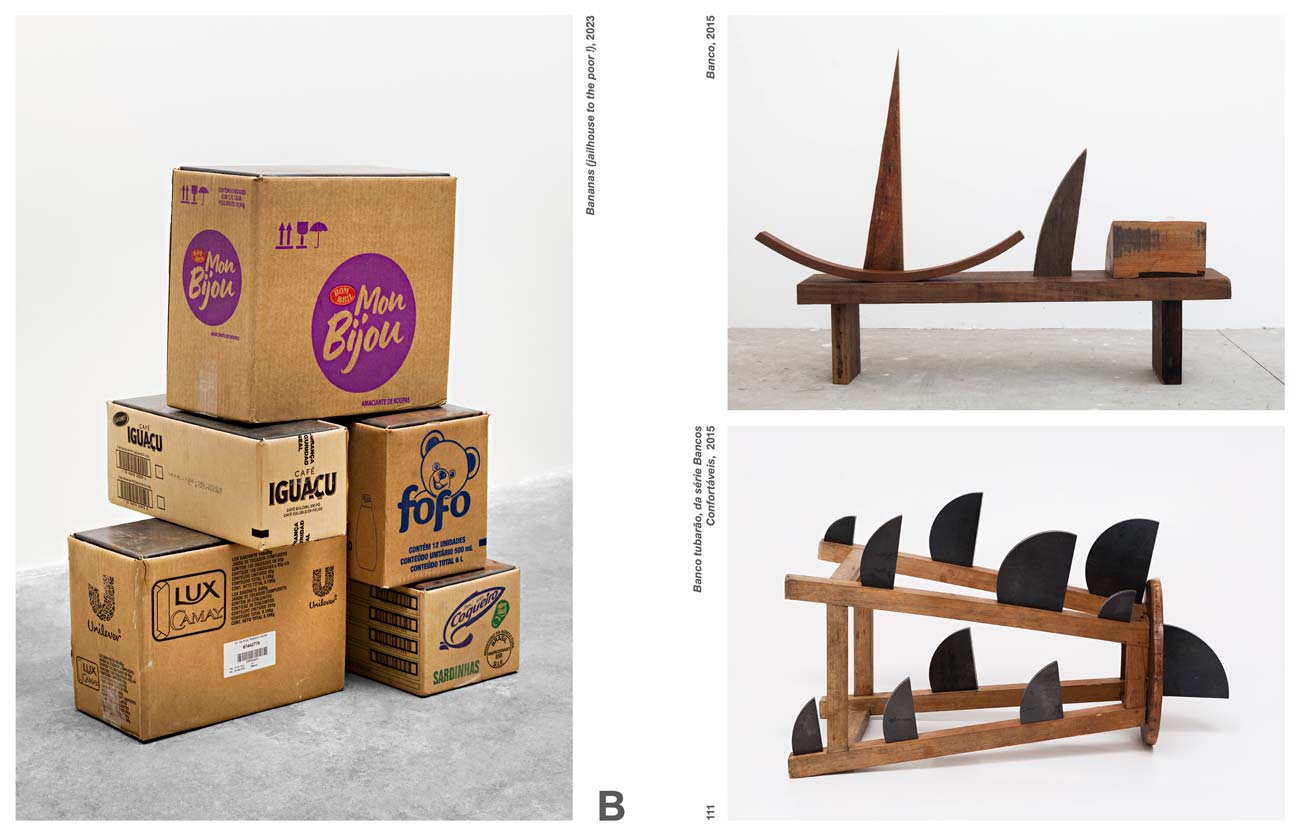
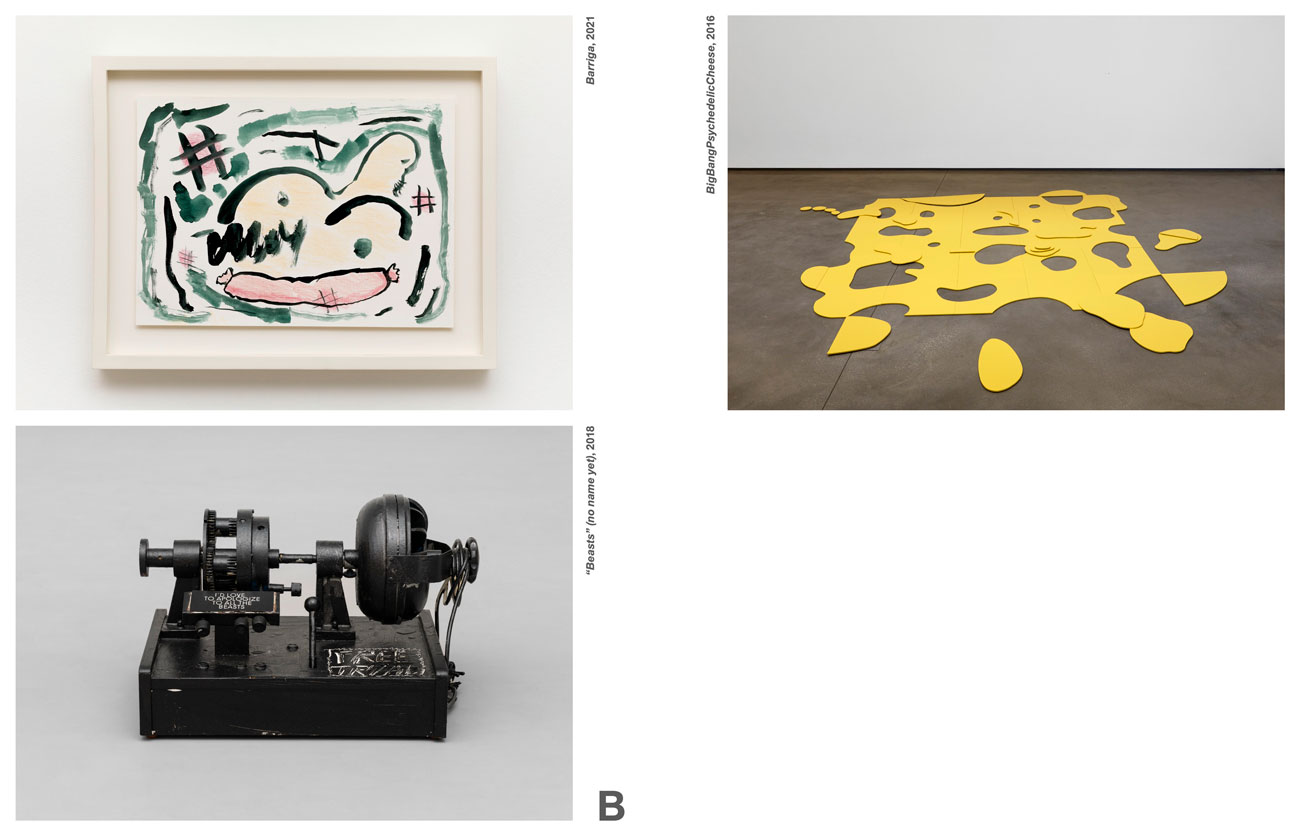
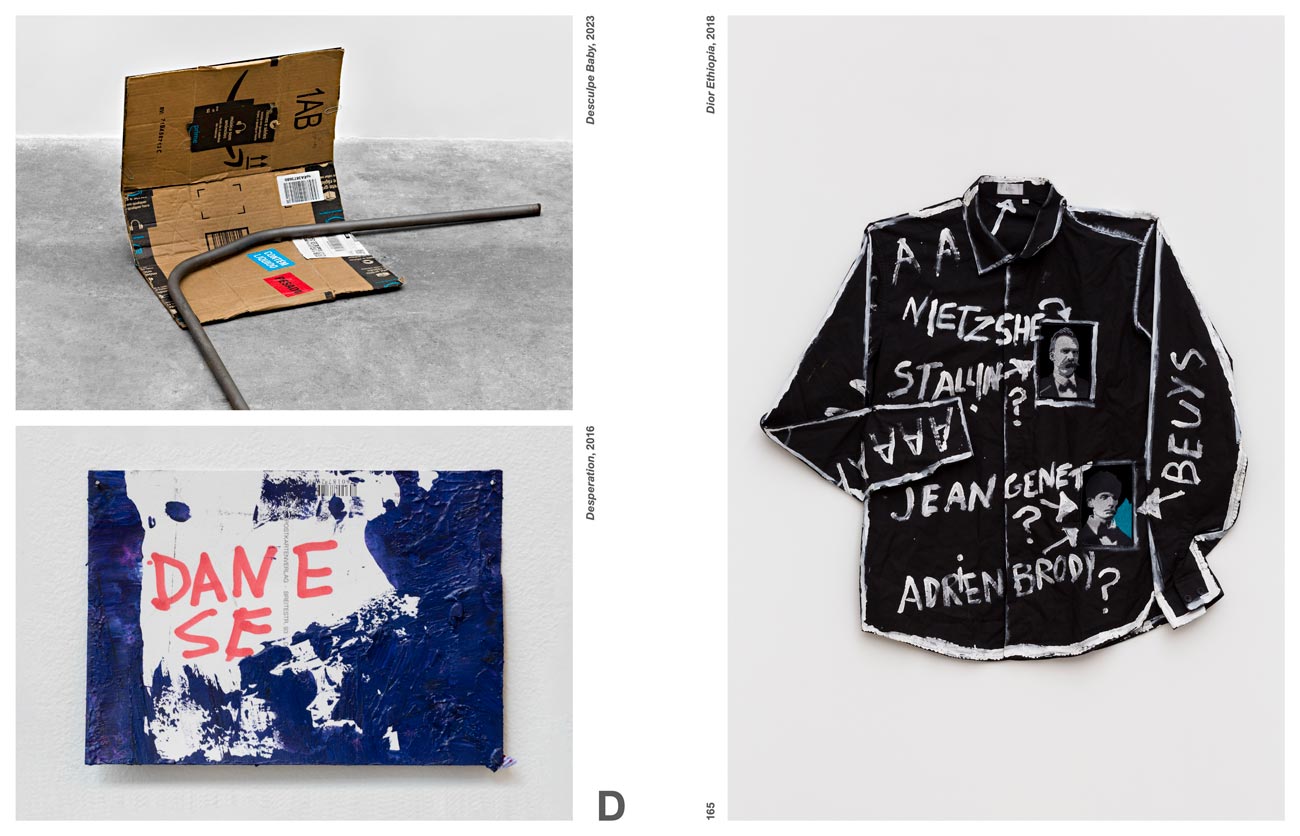
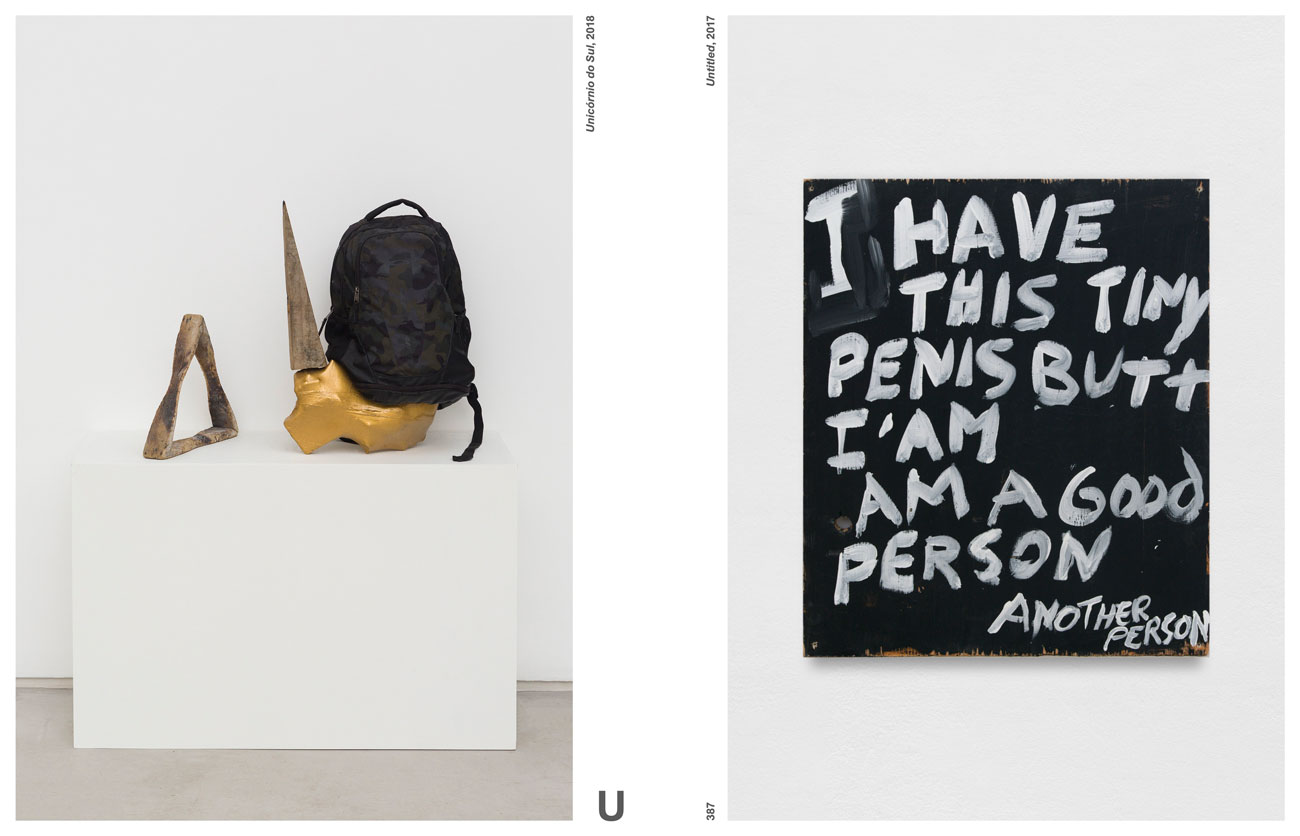
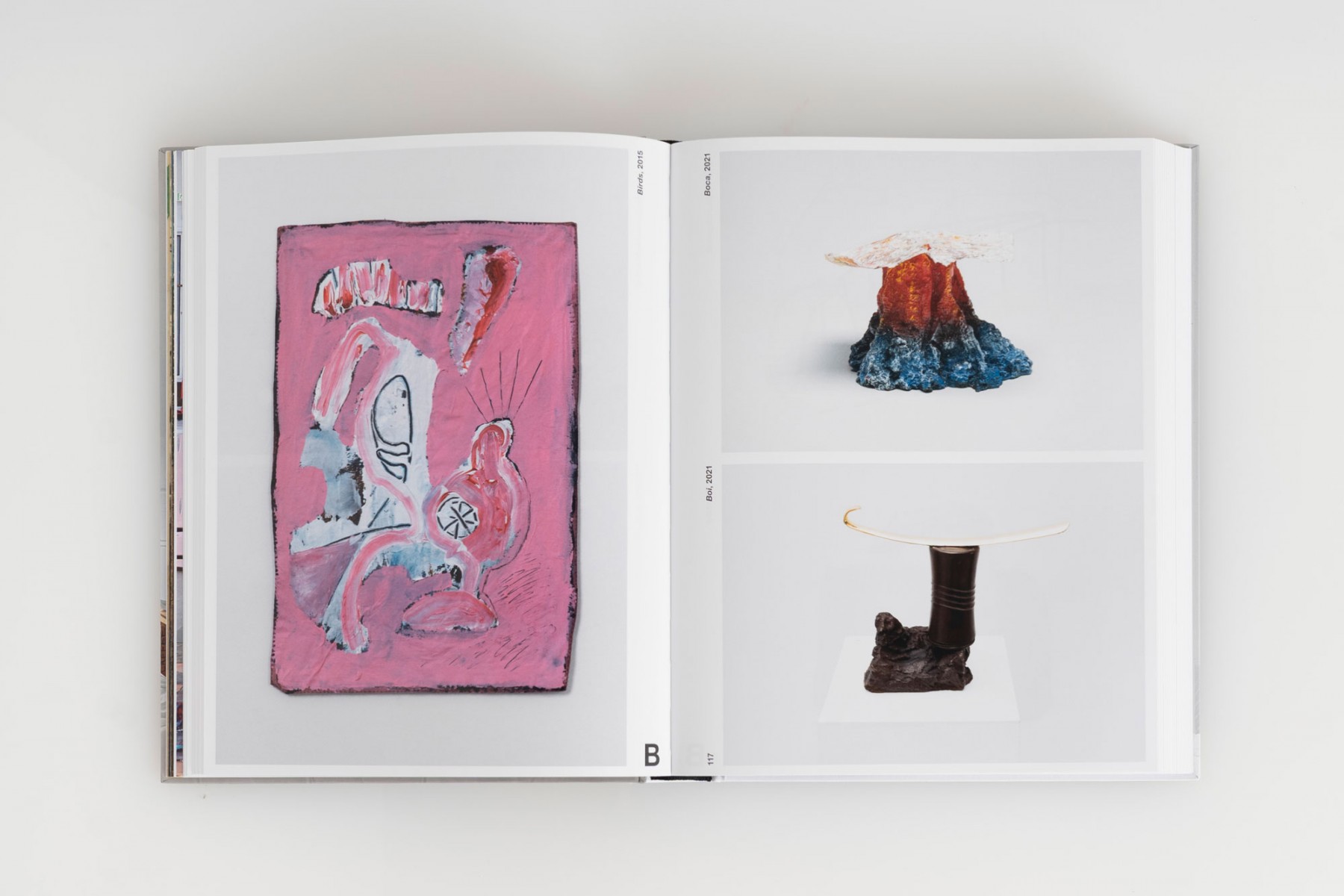
In a practice now spanning three decades, Adriano Costa has embodied a playful yet critical approach to materiality, form, and social context. Working primarily with found and everyday objects, the artist transforms discarded materials—such as fabrics, furniture, metal, and plastic—into sculptural assemblages that question notions of value, taste, and authorship. His process often embraces imperfection, humor, and spontaneity, creating works that appear casual or improvised but carry deep social and cultural resonance. Costa’s art merges the aesthetics of resourcefulness and informality found in urban street life with a conceptual critique of global consumer culture.
Beauty and meaning can emerge from the overlooked or the broken: Costa’s installations and assemblages often evoke a sense of fragility and transience, emphasizing the impermanent and the handmade. Through this, Costa challenges the hierarchies of art production and the fetishization of the “finished” artwork. His use of found materials also reflects broader political and economic realities, particularly in Brazil, where scarcity and creativity often coexist. Ultimately, Adriano Costa’s work is a meditation on transformation—of objects, meanings, and systems of value—inviting viewers to reconsider what is discarded, both materially and socially.
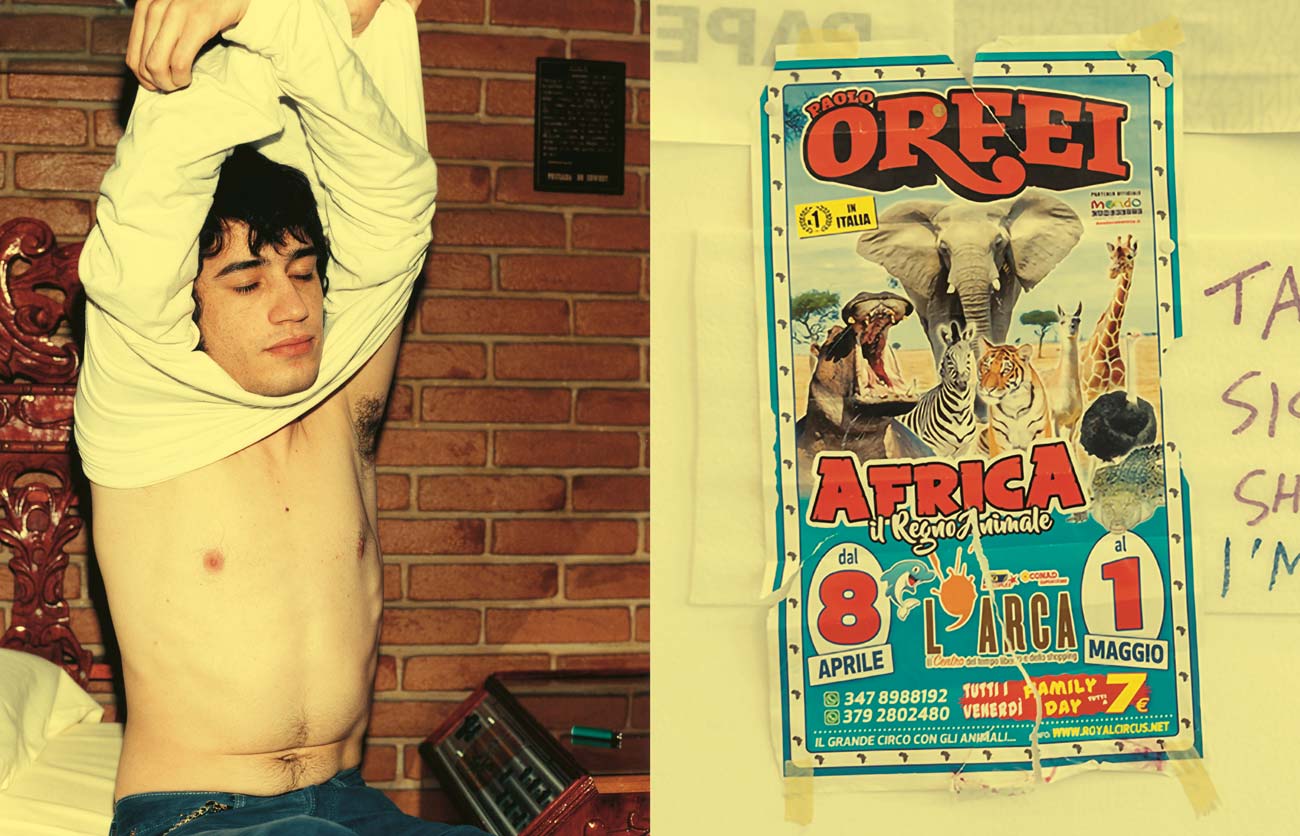
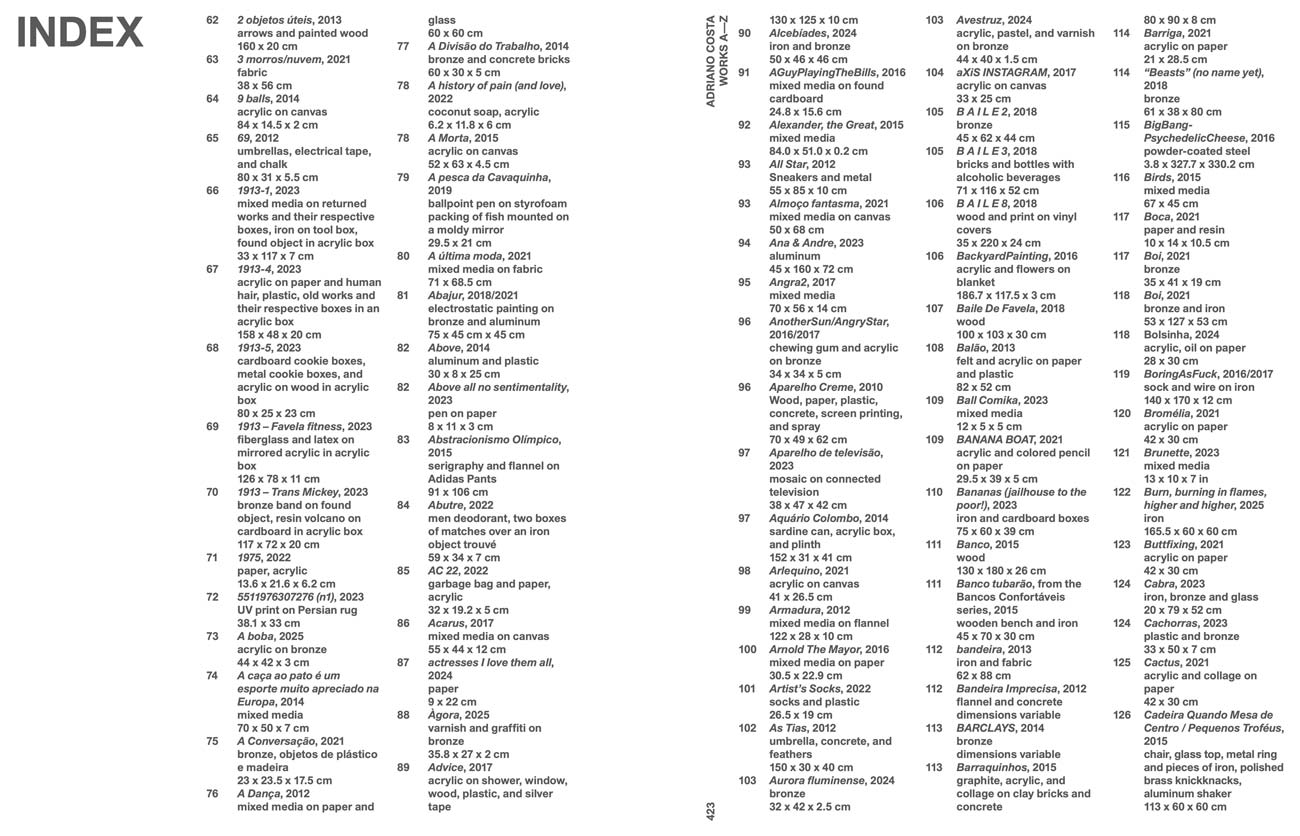
This unprecedented catalogue collects over 300 pieces listed in alphabetical order—titles are a key part of Costa’s works—alongside new writing by Fernanda Brenner and Milovan Farronato, two critics who have long followed and championed the artist’s practice.