The paintings and drawings by Jake Grewal draw the viewer in through stillness and ambiguity: they invite reflection on how we inhabit places—physically and emotionally—and how our inner landscapes mirror the physical world. This is the Grewal’s first book, published to accompany the artist’s exhibition at Studio Voltaire.
The transformation of the notion of monuments and the way cultural institutions choose to deal with it find in Maurizio Cattelan an interpreter capable of manipulating historical memory and shared symbols, to the point of turning them into a terrain of doubt and play. Lisa Parola and Lorenzo Giusti investigate the potential of contemporary art within the public sphere.
This is a visual archive of 12 years of developing, designing and exhibiting the House of One, a multireligious sacred space in the heart of Berlin. The architecture, conceived by Kuehn Malvezzi, has been displayed at various venues while being developed in close collaboration with three local religious communities in Berlin since 2012.
The first major monograph on artist Jill Mulleady, whose paintings thread motifs of decay, memory, history, and private myth, featuring humans and animals enacting their instinctive psychological reactions to ever-present threats of danger.
The essays in this first-ever monograph dedicated to Swiss artist Jan Vorisek, alongside image portfolios of the exhibitions they explore and an appendix that features photos and documentation of Vorisek’s performances, recordings and ephemera, grant us unprecedented access to the private fictions that the work reveals.
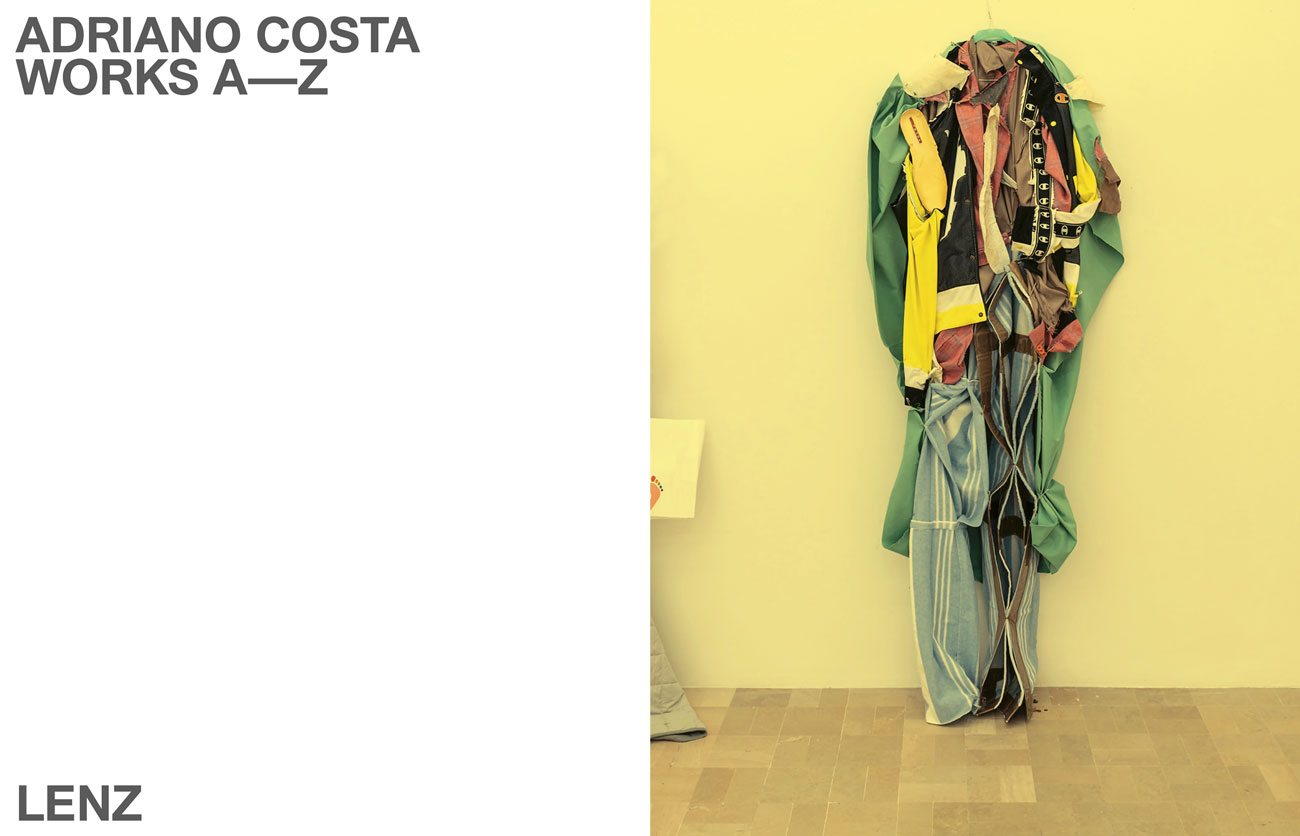
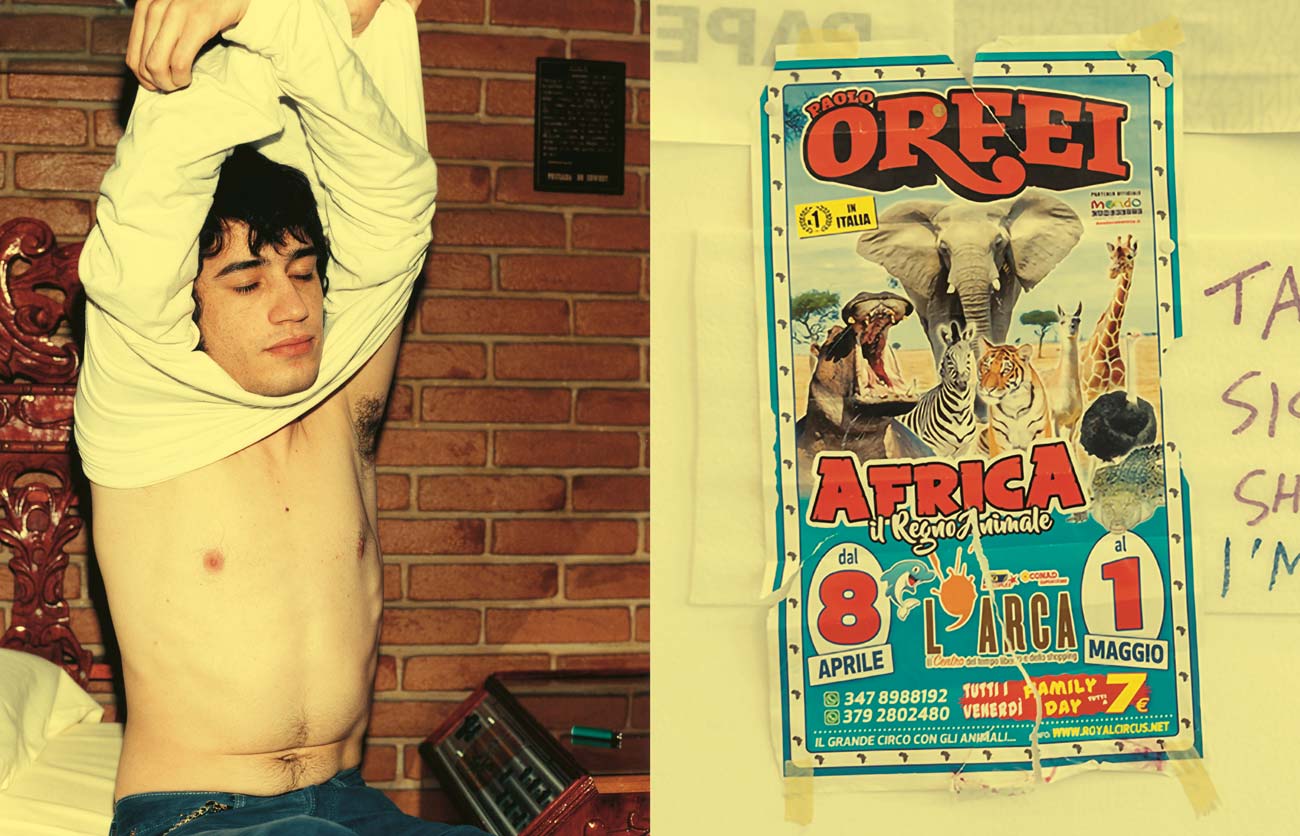
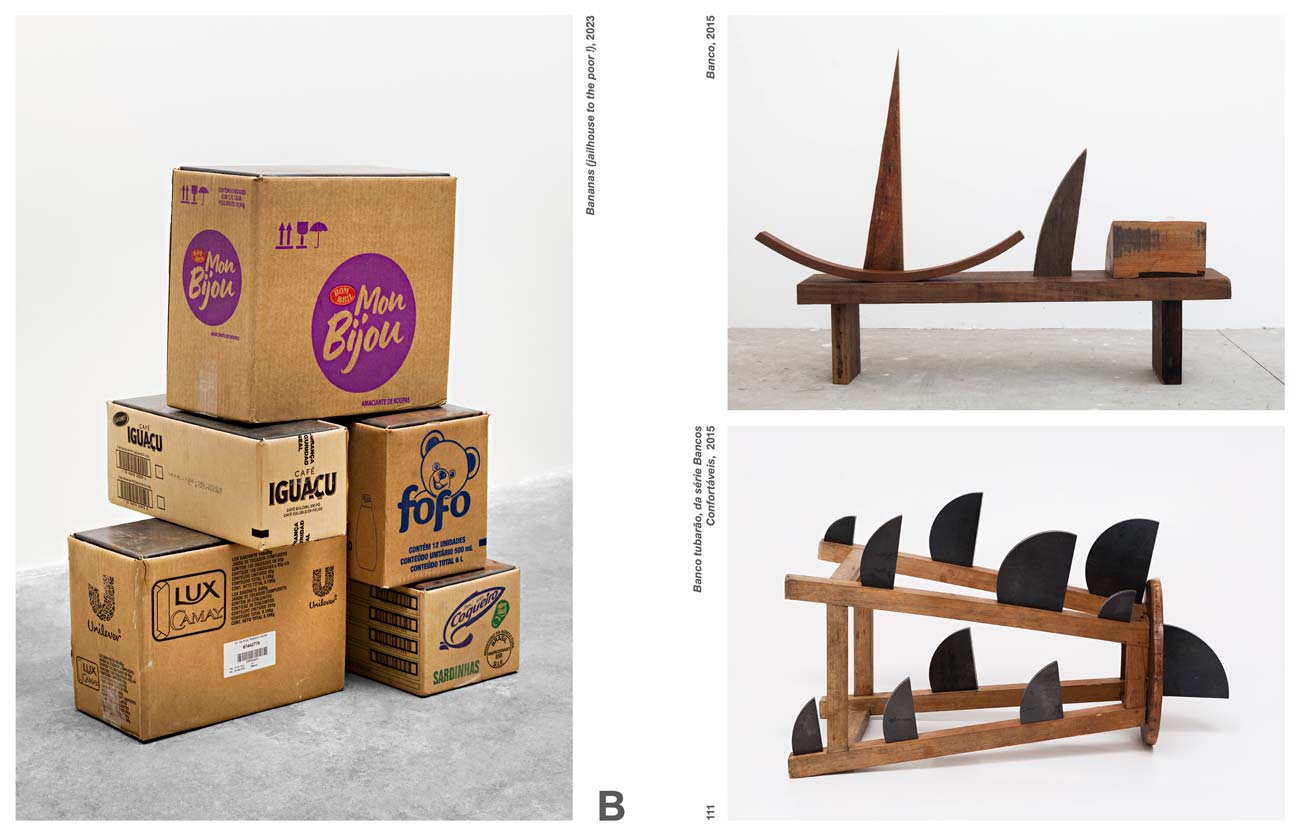
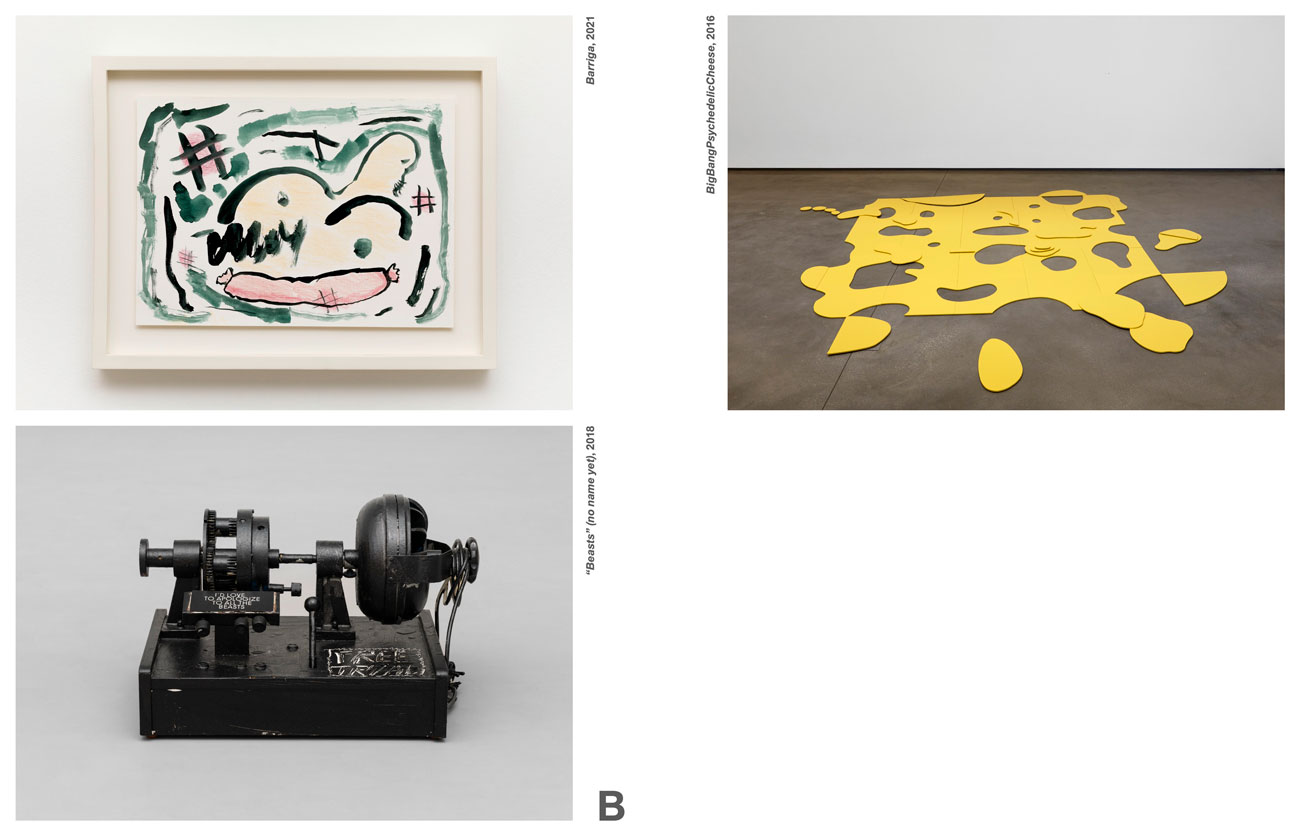
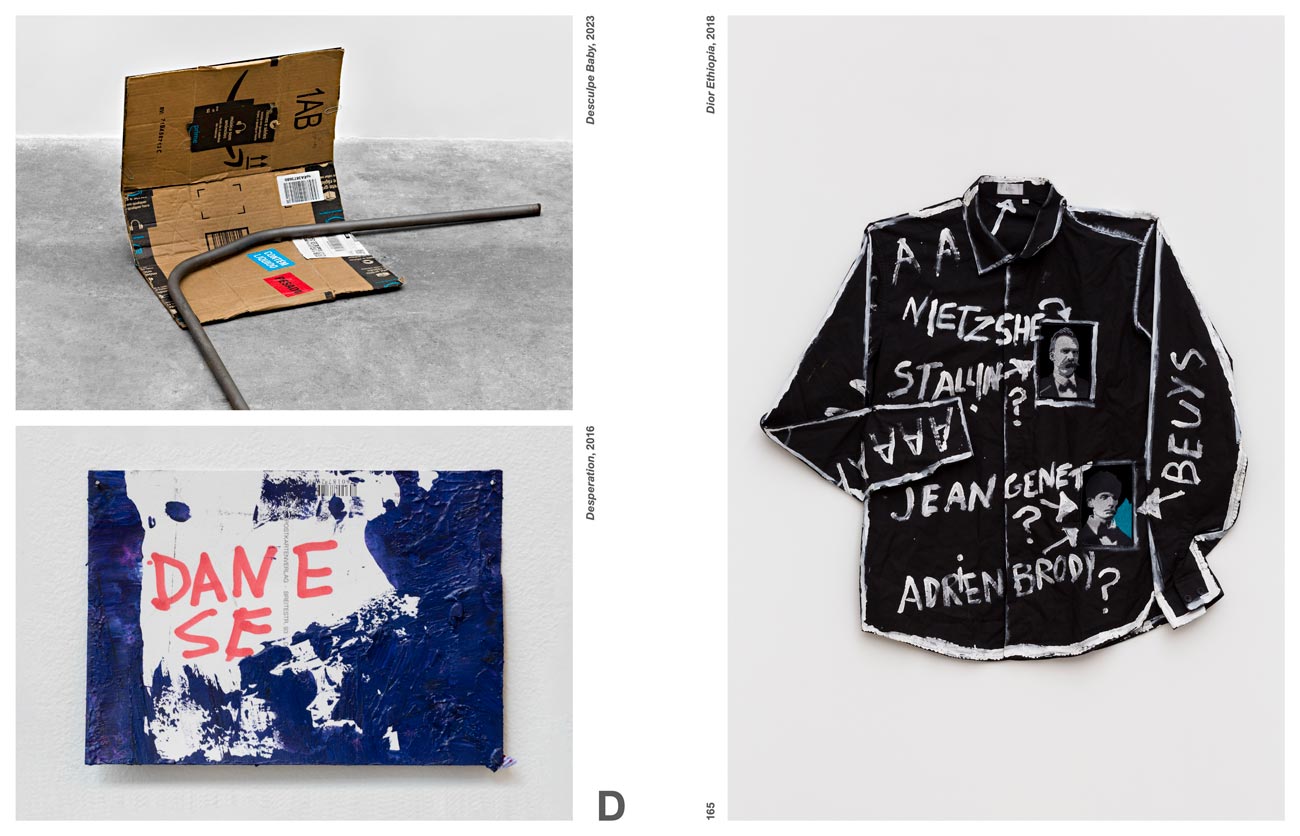
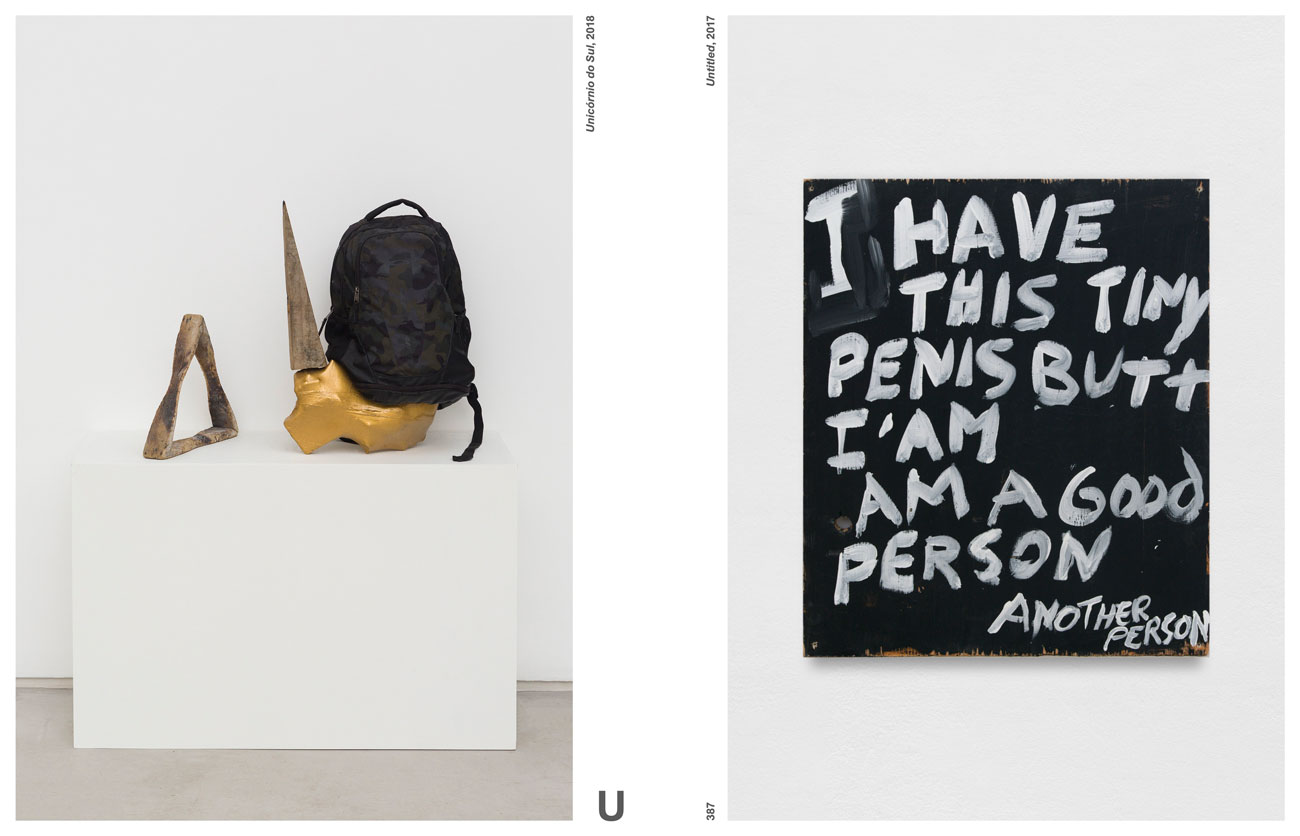
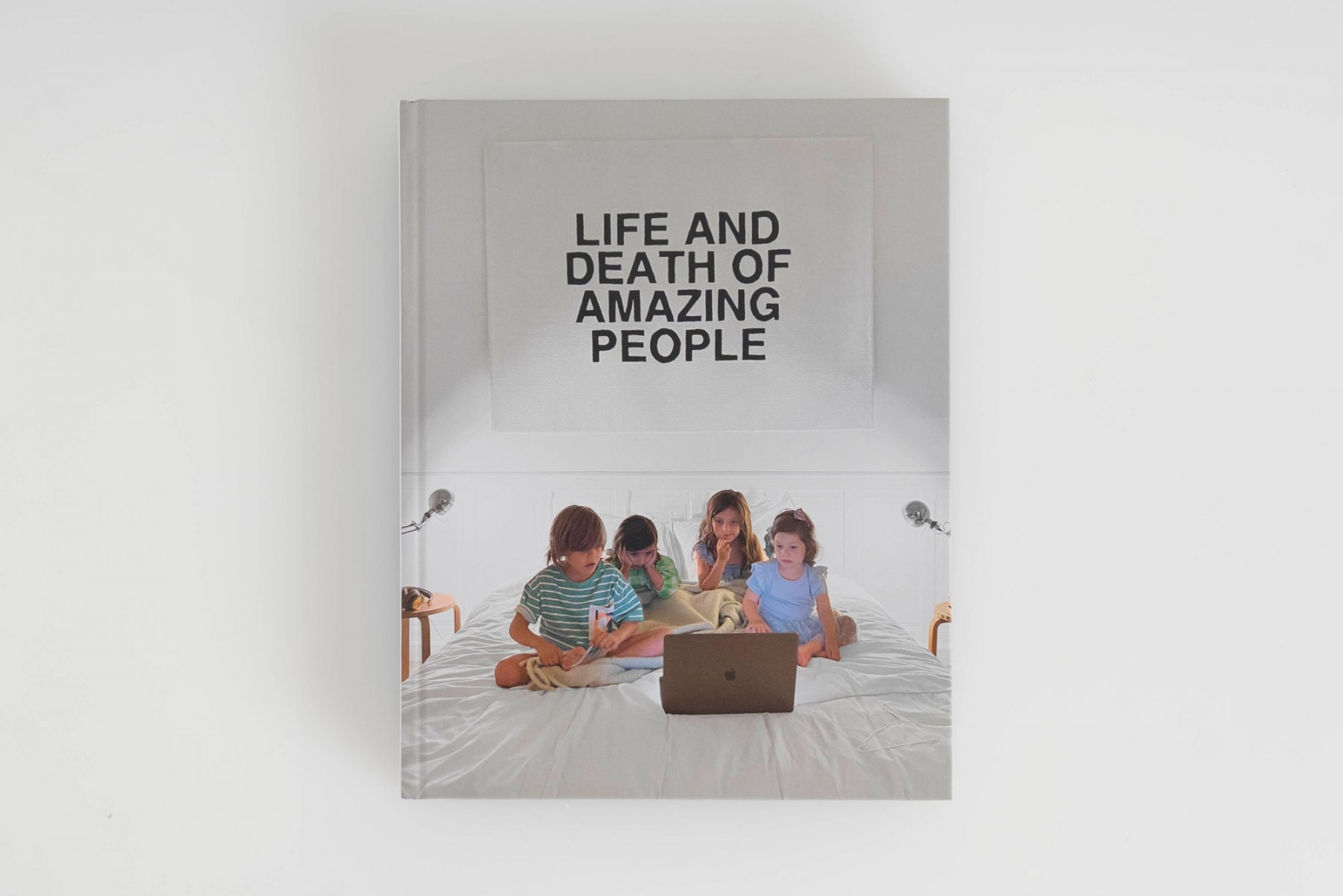
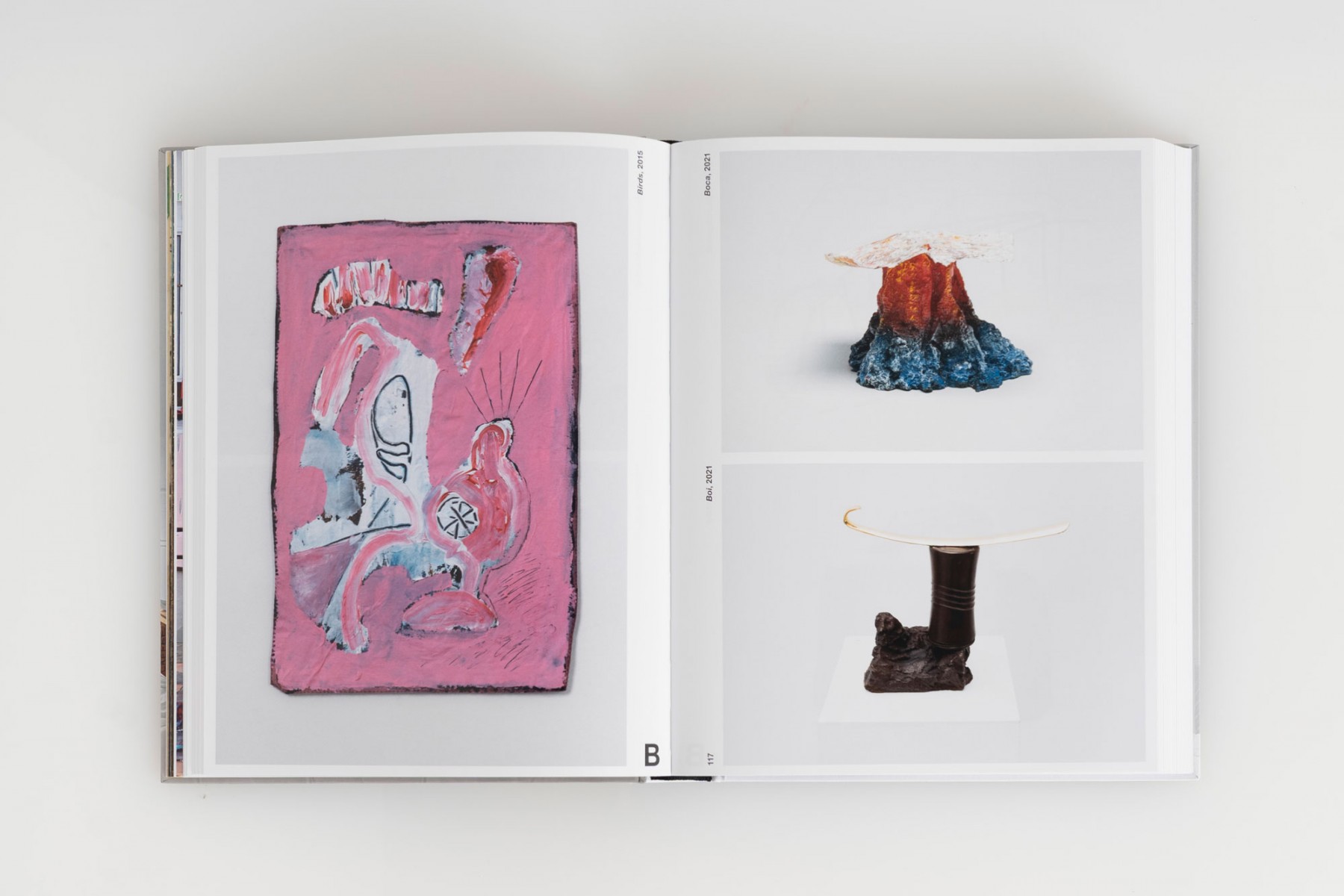
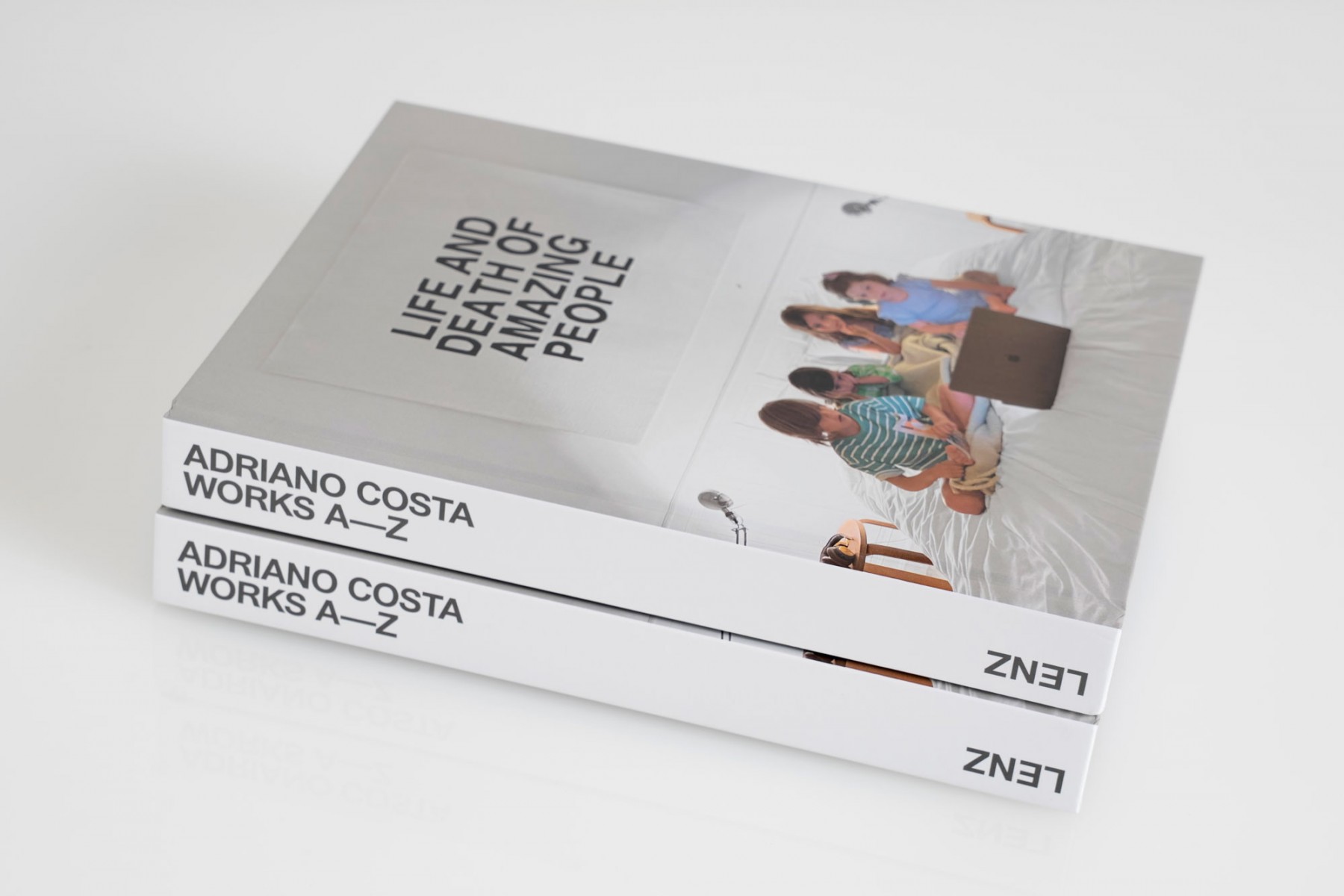
Since the 1990s Costa has been challenging hierarchies of art production and the fetishization of the “finished” artwork, inviting viewers to reconsider what is discarded, both materially and socially. Through over 300 artworks, accompanied by new writing, this catalogue explores Adriano Costa’s work, a meditation on transformation—of objects, meanings, and systems of value.
Edited by Adriano Costa with Stefano Cernuschi
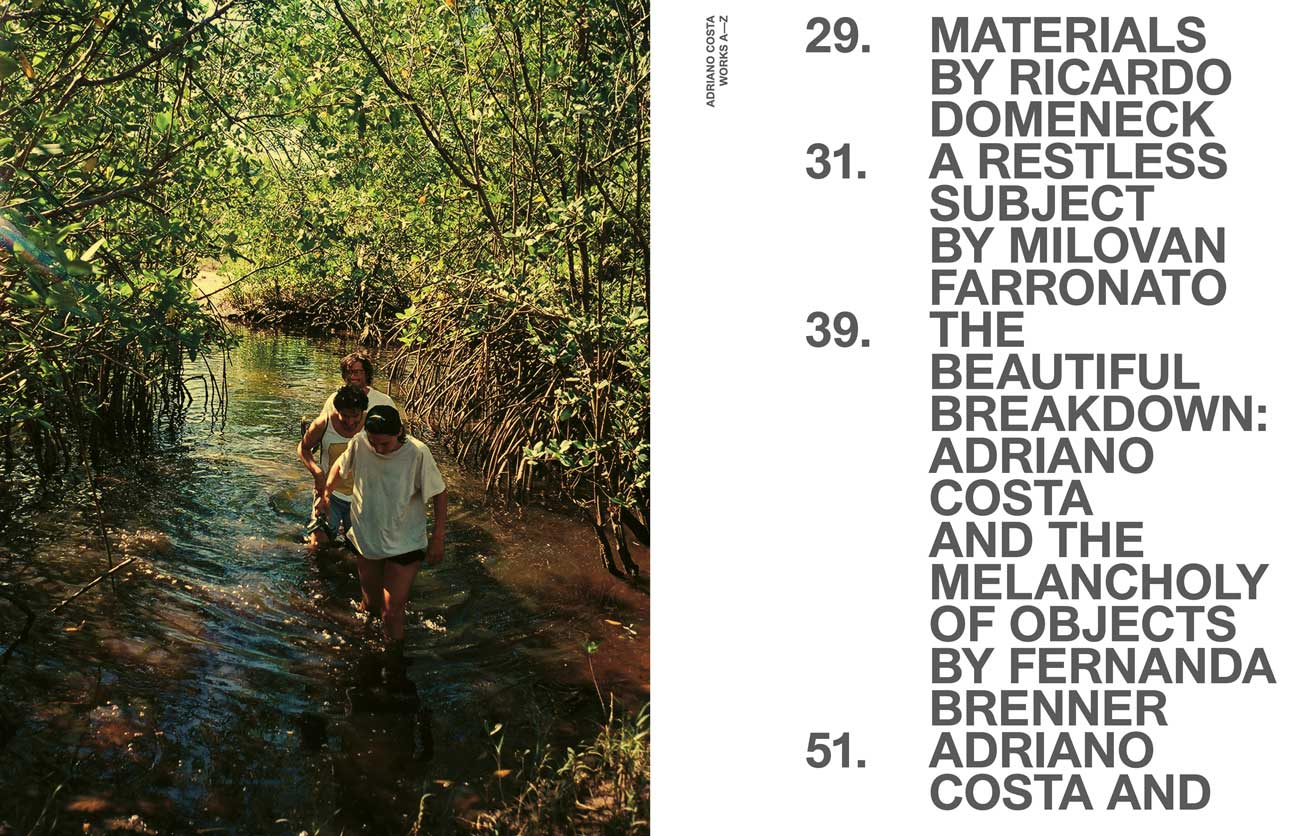
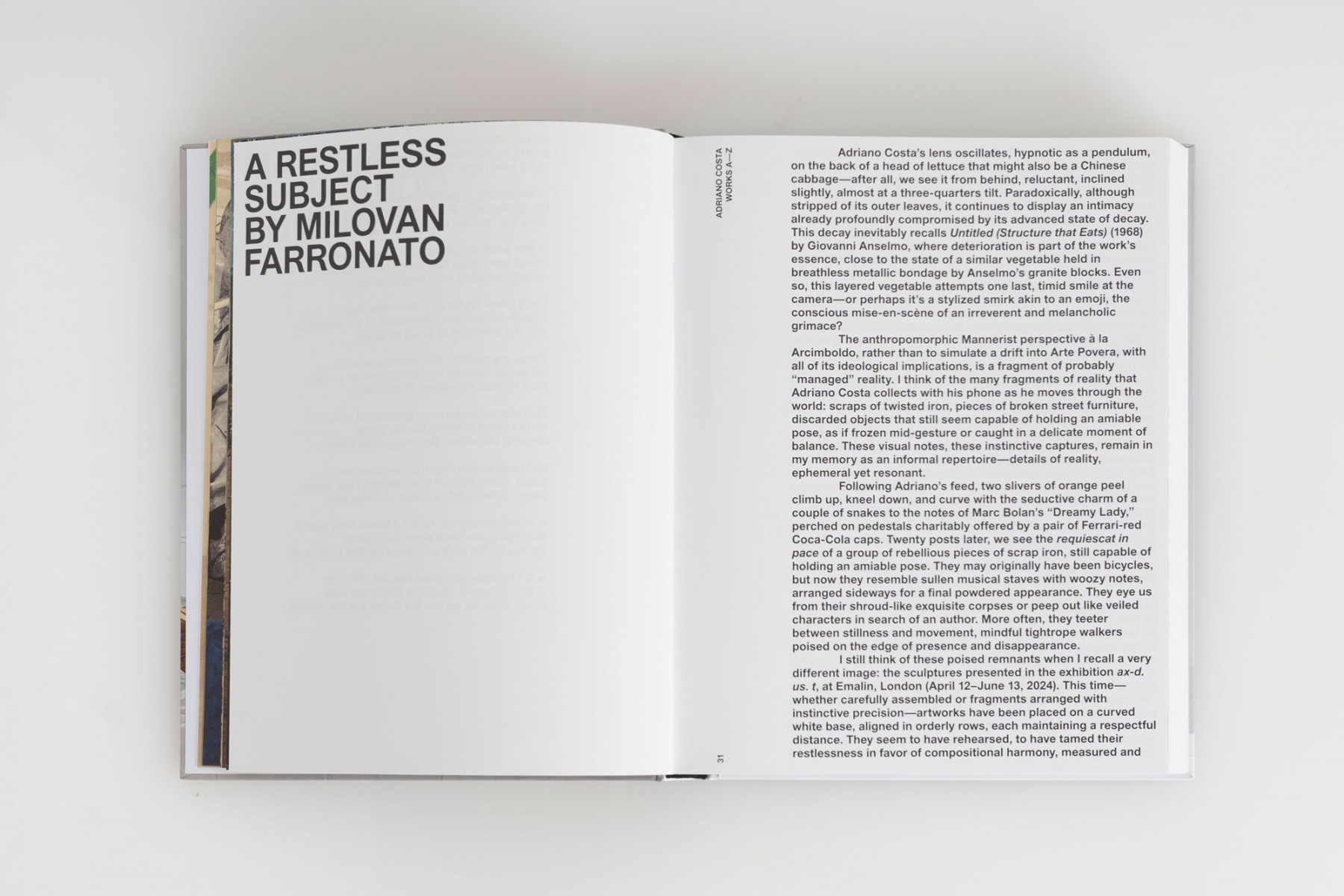
Texts by Fernanda Brenner, Milovan Farronato, Hans Ulrich Obrist and Adriano Costa
Designed by Tommaso Garner
2025, English, hardcover, 27 x 20 cm, 432 pages
ISBN 979-12-80579-78-2
In a practice now spanning three decades, Adriano Costa has embodied a playful yet critical approach to materiality, form, and social context. Working primarily with found and everyday objects, the artist transforms discarded materials—such as fabrics, furniture, metal, and plastic—into sculptural assemblages that question notions of value, taste, and authorship. His process often embraces imperfection, humor, and spontaneity, creating works that appear casual or improvised but carry deep social and cultural resonance. Costa’s art merges the aesthetics of resourcefulness and informality found in urban street life with a conceptual critique of global consumer culture.
Beauty and meaning can emerge from the overlooked or the broken: Costa’s installations and assemblages often evoke a sense of fragility and transience, emphasizing the impermanent and the handmade. Through this, Costa challenges the hierarchies of art production and the fetishization of the “finished” artwork. His use of found materials also reflects broader political and economic realities, particularly in Brazil, where scarcity and creativity often coexist. Ultimately, Adriano Costa’s work is a meditation on transformation—of objects, meanings, and systems of value—inviting viewers to reconsider what is discarded, both materially and socially.
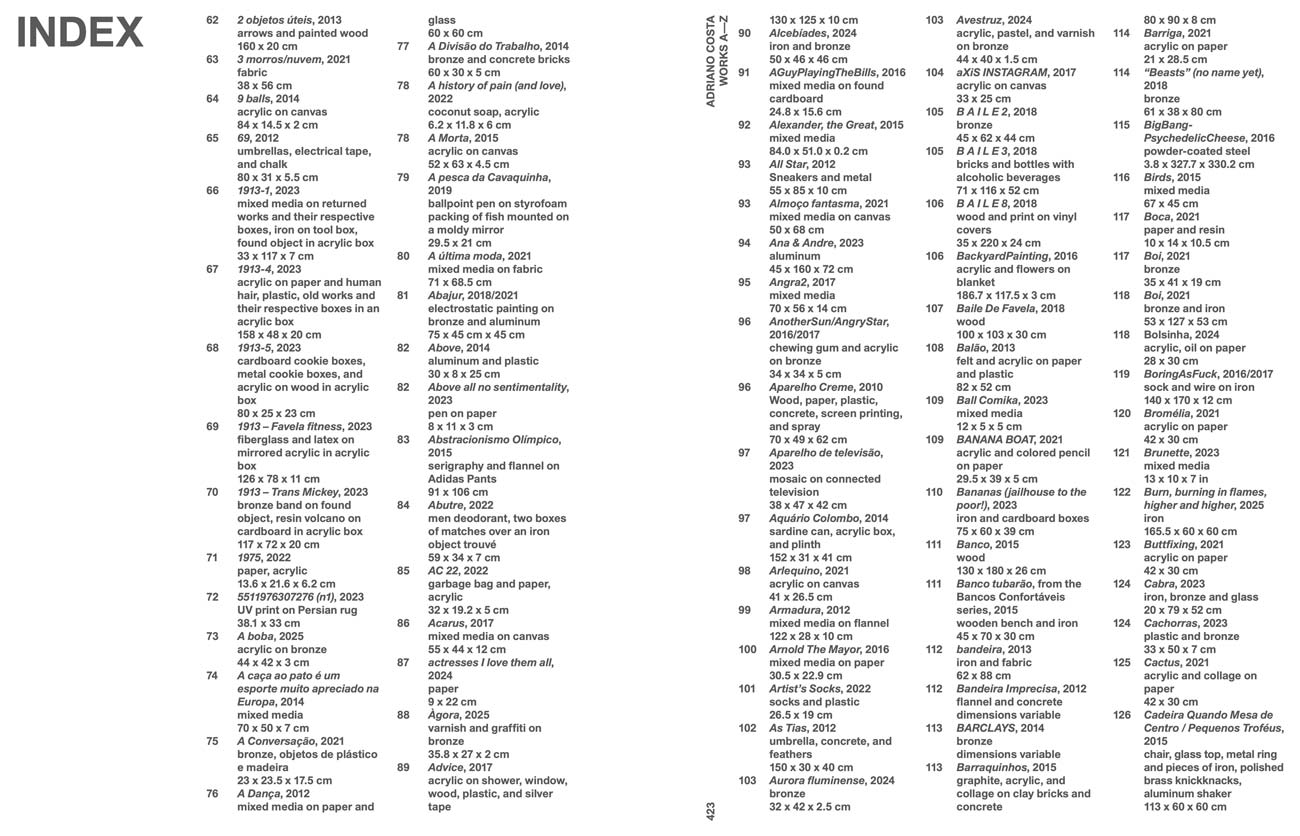
This unprecedented catalogue collects over 300 pieces listed in alphabetical order—titles are a key part of Costa’s works—alongside new writing by Fernanda Brenner and Milovan Farronato, two critics who have long followed and championed the artist’s practice.