Catalog of the eponymous exhibition, held at the Centre d’Art Contemporain Genève and curated by Andrea Bellini, this publication brings together a number of essays that explore the notion of metamorphosis from different perspectives. The catalog, like the exhibition, celebrates a world in constant transformation, where human nature is fluid and hybrid, open to change.
Ce catalogue de l’exposition éponyme, organisée au Centre d’Art Contemporain Genève sous la direction d’Andrea Bellini, rassemble plusieurs essais qui explorent la notion de métamorphose sous différentes perspectives. Le catalogue, comme l’exposition, célèbre un monde en constante transformation, où la nature humaine est fluide et hybride, ouverte au changement.
Fredrik Værslev: The Garden Paintings is the first publication dedicated solely to one specific body of work in the artist’s practice. It includes essays by Martha Kirszenbaum and Erlend Hammer, and gives a comprehensive and chronological account of the works from the series, showing their stylistic development as well as their exhibition history.
Between an artist’s book and a catalogue, this publication follows up on Armleder’s multidimensional exhibition at KANAL in 2020–21. Through archival pictures and in depth conversations, the book is designed to recreate the immersive experience of this collective experiment, and proposes a dive into something akin to a large self-portrait, conceived through the works of more than a hundred artists.
This artist’s book reflects Eva & Franco Mattes’ continued interest in the condition of displacement to be sensed in Fukushima. Borrowing the format of wrapping-paper catalogs, it contains twenty large pre-perforated sheets, each of which features a photographic texture—a seamlessly repeating motif captured by the camera amid the radioactive ruins of the contaminated towns and countryside.
The album brings together the music composed by Federico Chiari for various film and video works by Diego Marcon, including Monelle (2017), Ludwig (2018), The Parents’ Room (2021), and Dolle (2023). The album comes with a booklet containing lyrics and images that provide a deeper insight into this unique, profoundly intertwined collaboration between Chiari and Marcon.
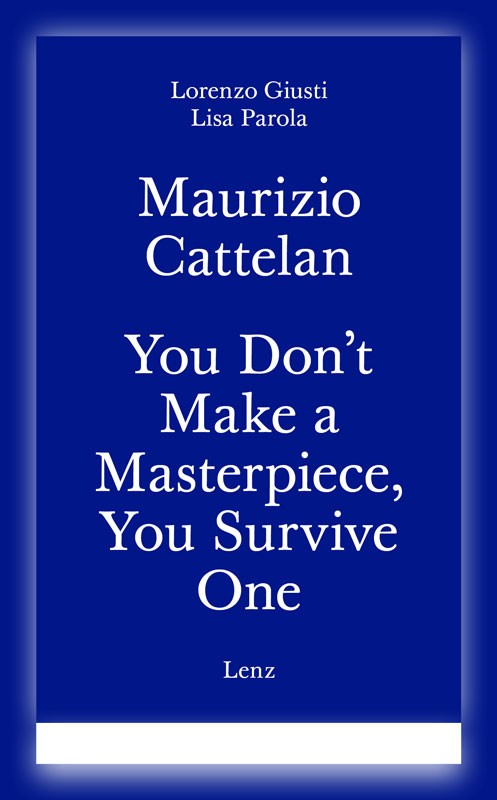
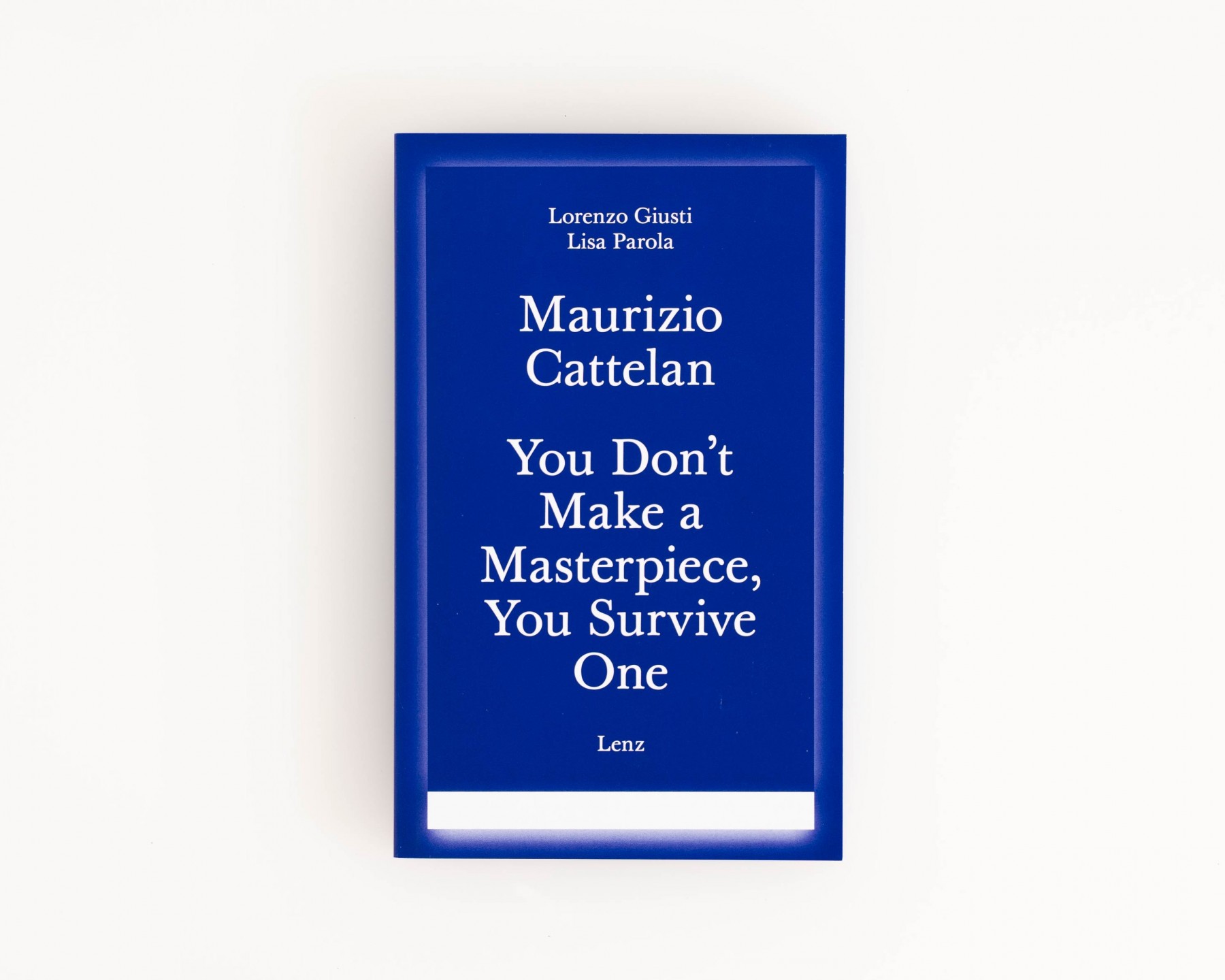
Maurizio CattelanYou Don’t Make a Masterpiece, You Survive One
Edited by Lorenzo Giusti and Valentina Gervasoni
Texts by Lorenzo Giusti and Lisa Parola
Designed by Lorenzo Mason Studio
2025, English / Italian, softcover, 11 x 17.7 cm, 96 pages
ISBN 979-12-80579-96-6
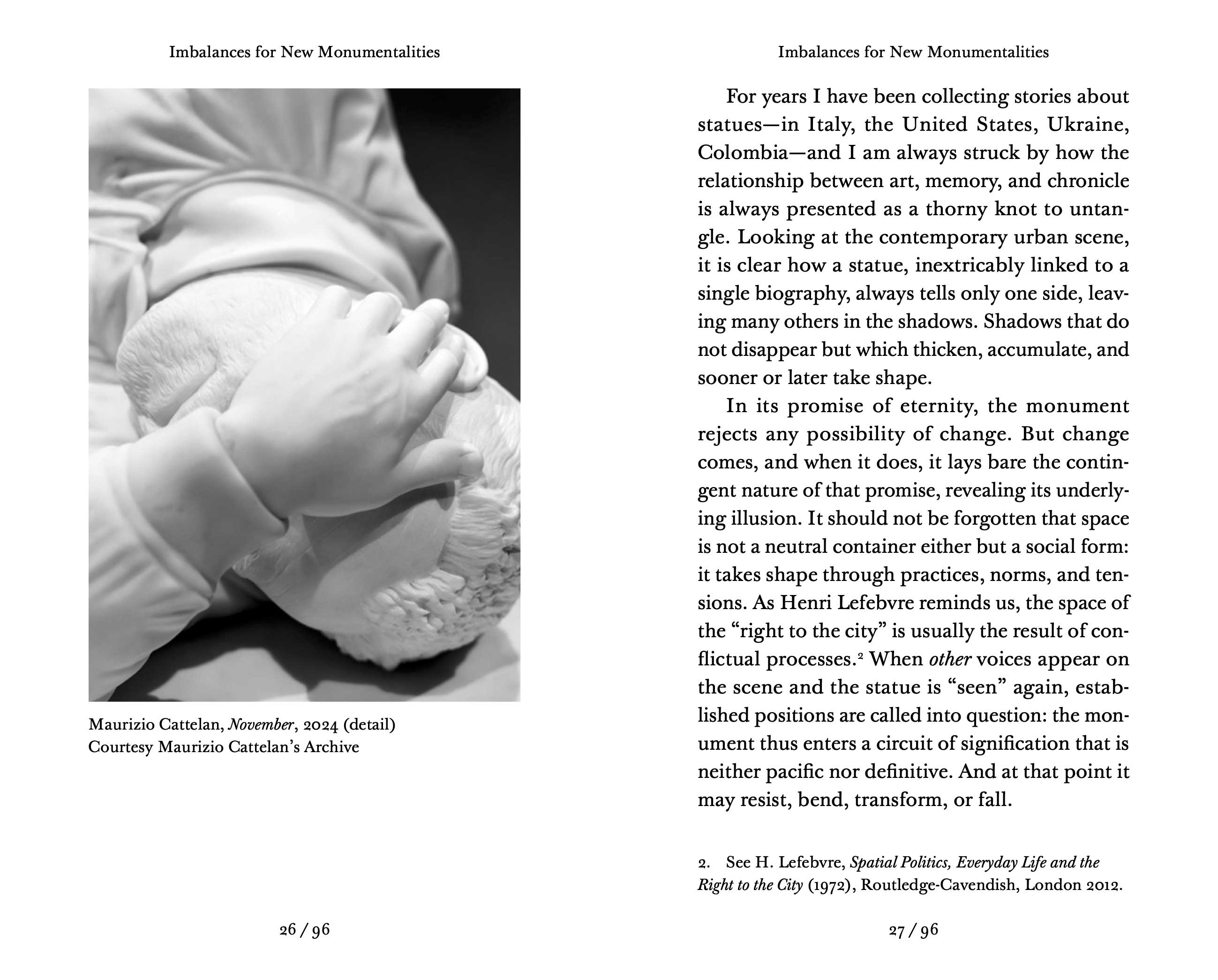
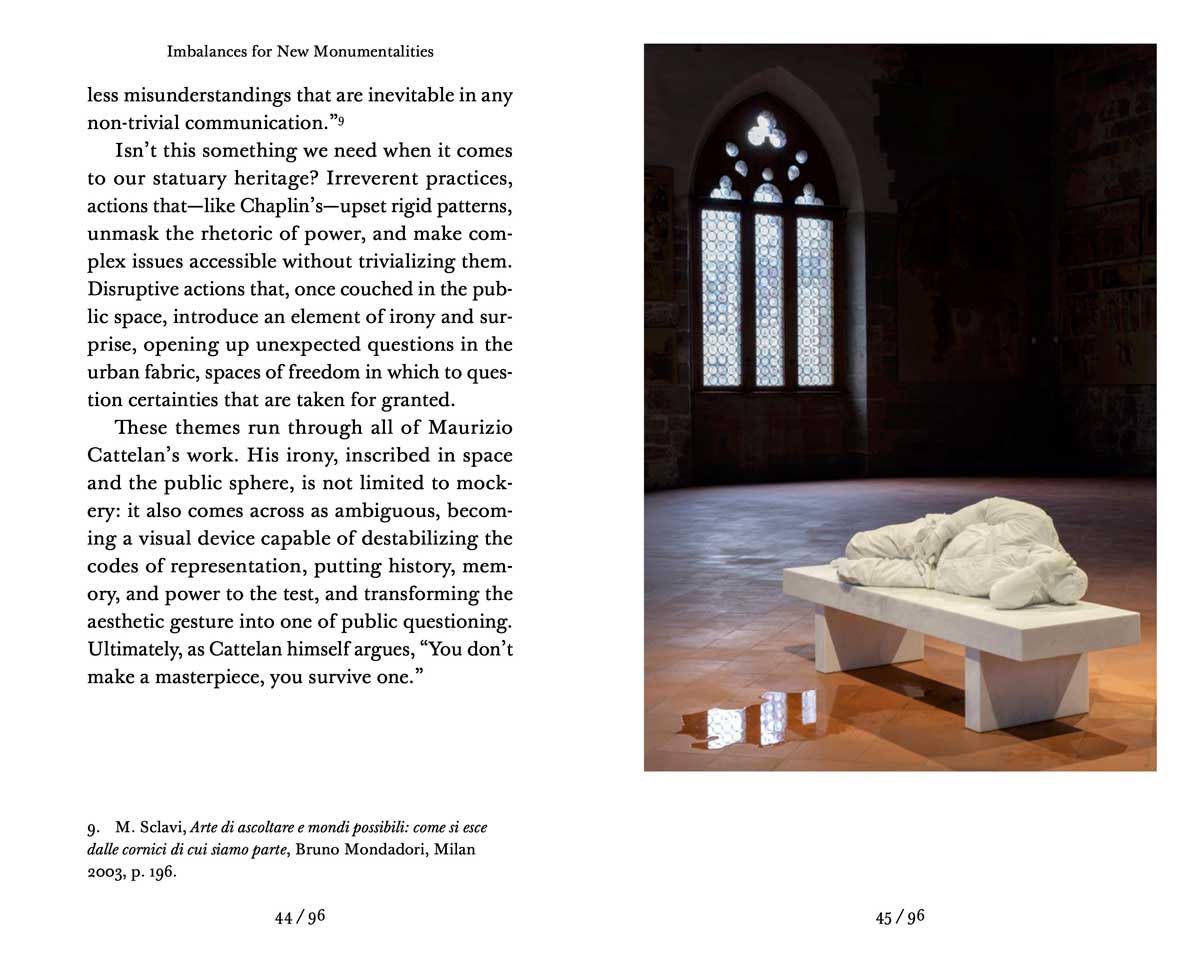
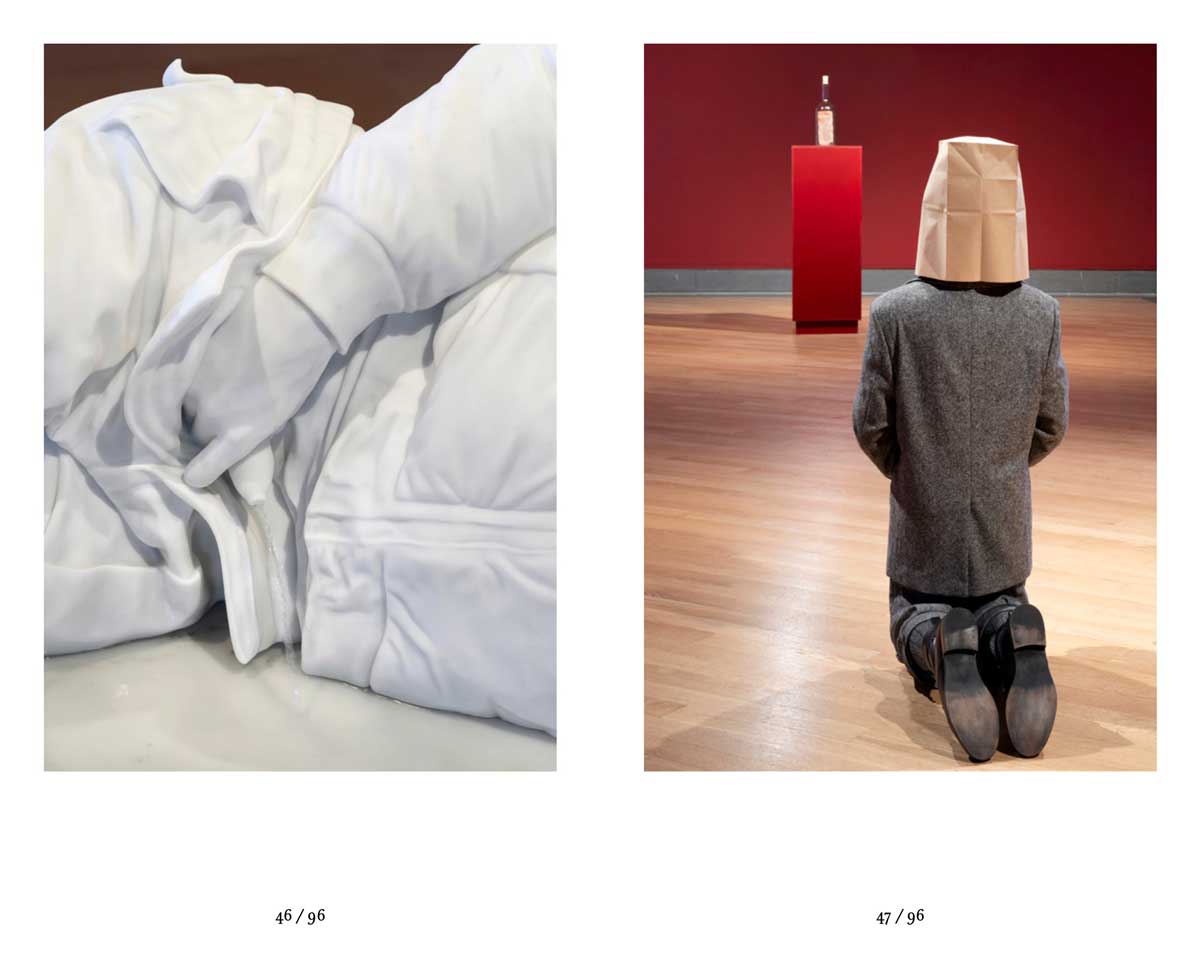
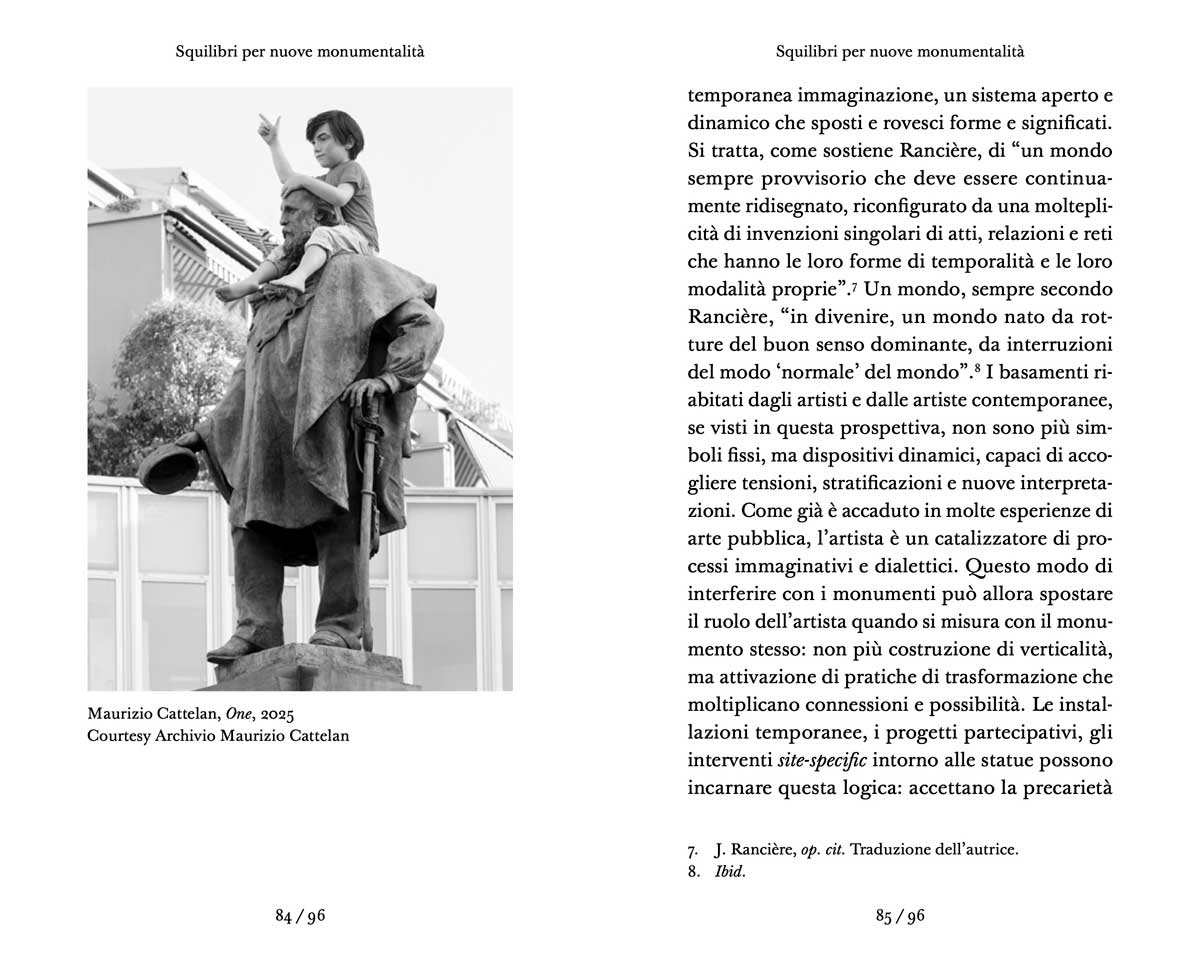
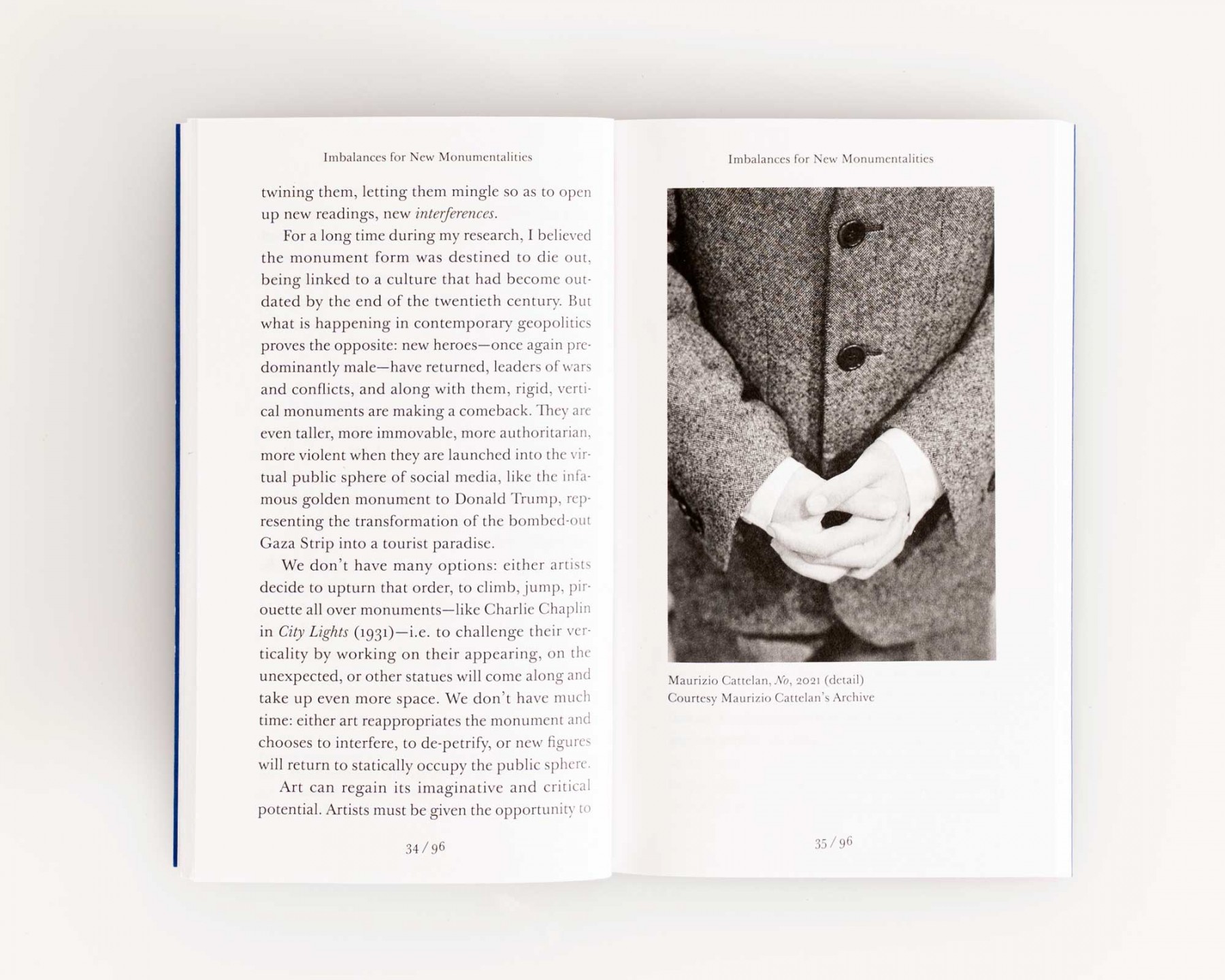
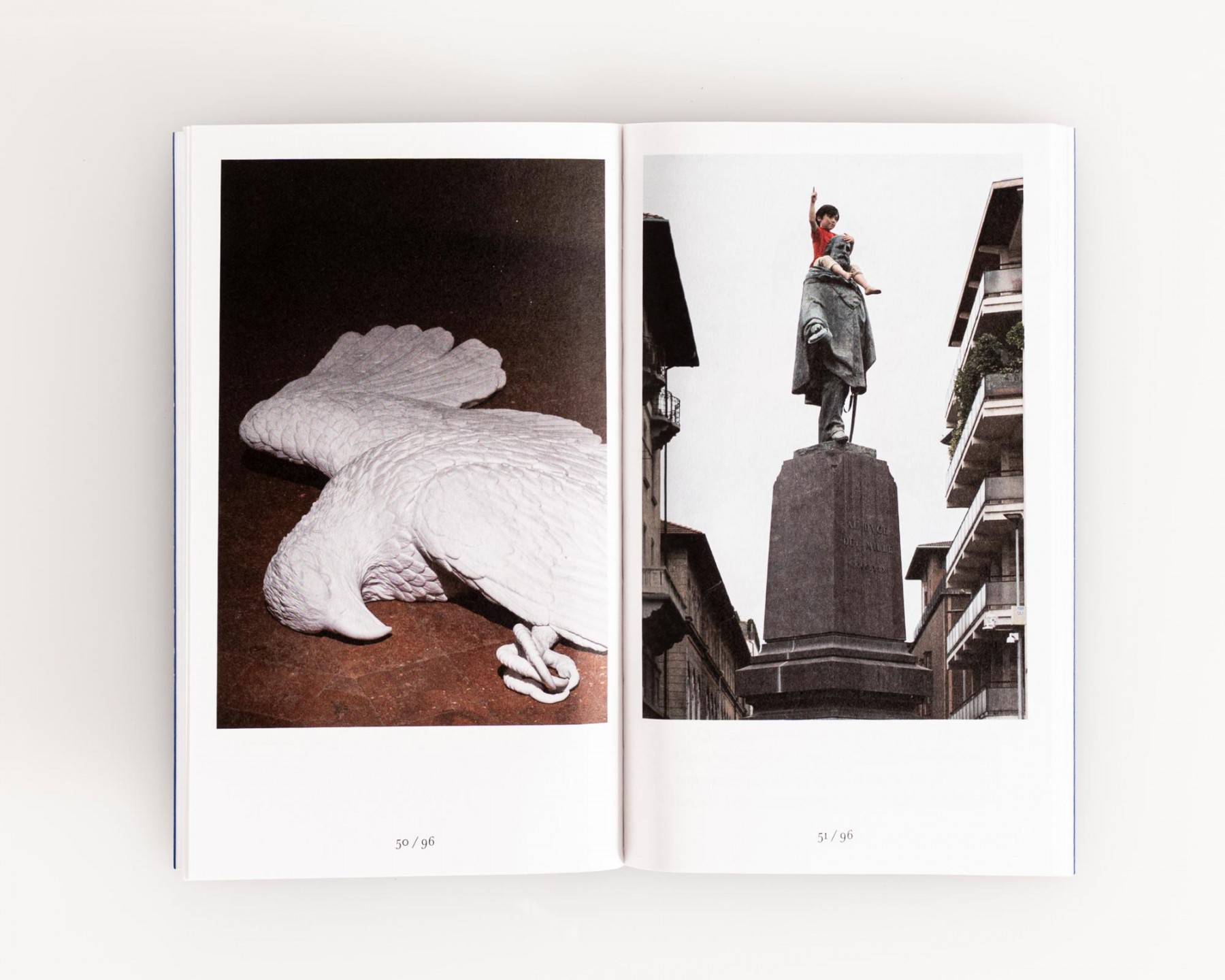
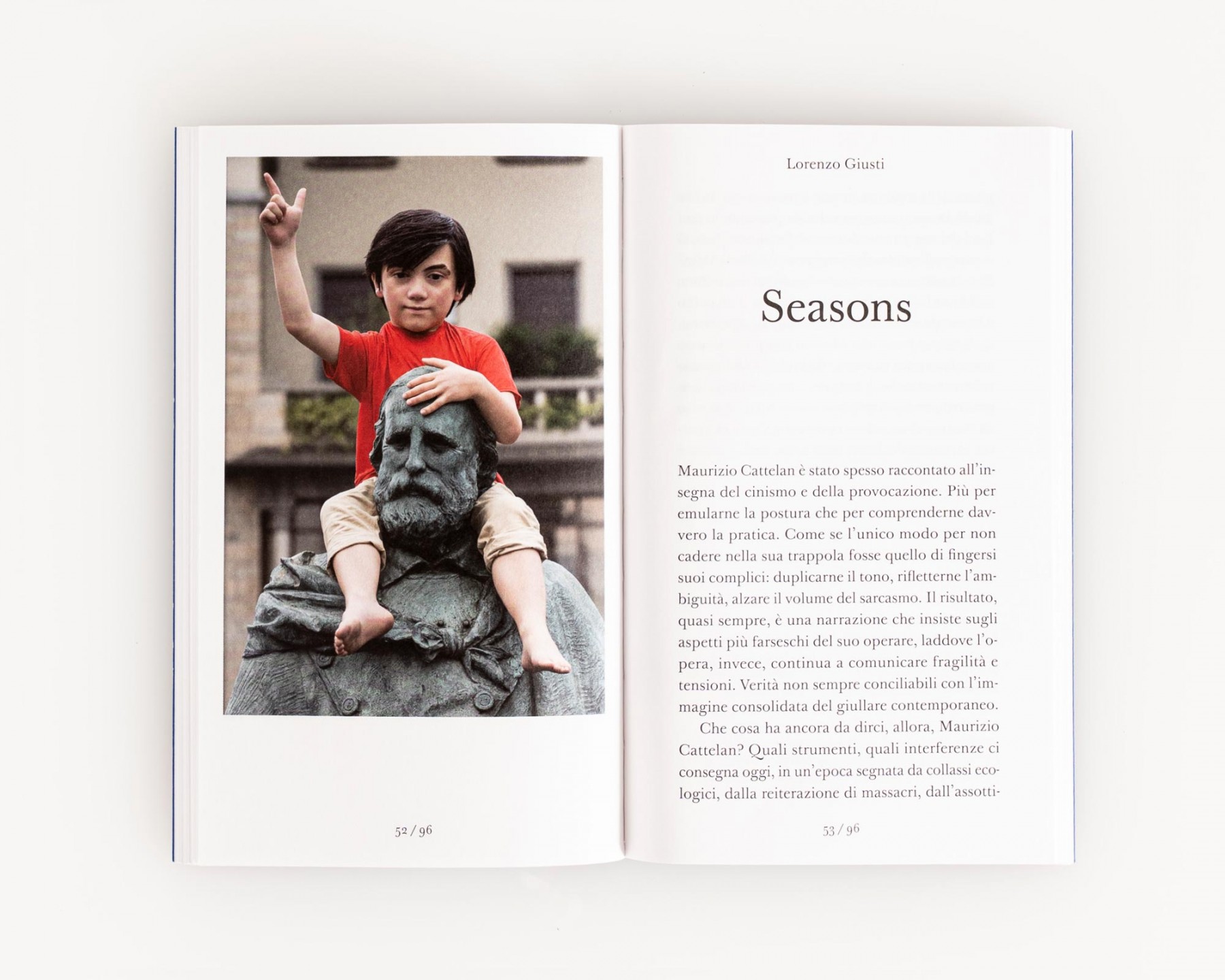
On the occasion of Seasons, Maurizio Cattelan’s exhibition at GAMeC, art historian Lisa Parola, investigates how contemporary art can redefine the idea of the monument: no longer an immobile place of celebration, but a critical space of removal and transformation, promoting new relationships with both history and the present. Parola reflects on the changing concept of the monument and how cultural institutions choose to deal with layered and sometimes contradictory symbols. Lorenzo Giusti, curator of the exhibition, accompanies the essay with an insight on the works presented in order to show how, in Cattelan’s work, symbols stratify, shift, and contradict each other. How the imperial eagle becomes a vulnerable body; how the nineteenth-century statue dedicated to Garibaldi is turned into a pedestal for something else. Who? A grandson on his grandfather’s shoulders? A new Garibaldian? Or a little vandal mocking ancient values? By so doing, he notes how between history and nature, cracks, fractures, and new possibilities may be opened up.
You Don’t Make a Masterpiece, You Survive One is the fourth book in a series of short essay collections inspired by the site-specific art projects specially conceived for GAMeC at Palazzo della Ragione: a symbolic, time-honored location in the city of Bergamo that embodies all the values of community life and participation. The artists were asked to name an author who interests them—be it a researcher, a philosopher or a scholar—and whose thinking could be said to underpin their project, with a view to finding a path through the complexities of the present day, starting from the work produced but without necessarily lingering on it.