Infinite Memory is Caroline Poggi and Jonathan Vinel’s first monograph, co-published with Fondation Cartier pour l’art contemporain and Lenz. Like a memory card, the book stores information about a selection of films from the initial decade of the artists’ practice. Considered as an object, much like a piece of hardware that stores digital memory, the book offers the possibility to scroll infinitely, with no beginning or end.
Through the words of the sound artist and theorist Brandon LaBelle, the book explores the social and relational component of sound that gave rise to Benevolence, the site-specific project by Sonia Boyce. The Joy of Cacophony is the second book in a series of essay collections inspired by the site-specific projects conceived for GAMeC at Palazzo della Ragione.
Consisting of a richly illustrated booklet and a record vinyl, this special release accompanies the performative sound-based project A Comparative Dialogue Act by artists Andrea Mancini and the collective Every Island, hosted in the Luxembourg Pavilion at the 60th Venice Biennale.
Conceived as a catalogue and an artist’s book, the publication offers a deeper insight into the eponymous 2022 exhibition staged at Indipendenza Roma, and explores tensions that can be generated between artworks and their surrounding architectural context, raising questions of taste, value, function and decoration.
The practice of Tomaso Binga (Bianca Pucciarelli Menna, 1931) toys with the notion of gender, reconsidering women’s social roles and rights. This monograph, edited by Eva Fabbris, Lilou Vidal, and Stefania Zuliani, analyses her work through various languages and features a selection of poems, highlighting the author’s critical and artistic approach.
In her work, Cally Spooner crystallizes an absurd contemporary ecosystem in which entities run the risk of managing themselves and one another to death. Featuring newly commissioned essays alongside a lecture by Spooner, SWEAT SHAME ETC. is the first comprehsive survey of the artist’s output of the last five years.
Edited by Fabian Schöneich
Texts by Lawrence Abu Hamdan, Natasha Ginwala, Ruba Katrib, Andrea Lissoni, Ramona Naddaff,
Fabian Schöneich, Yasmine Seale, Theodor Ringborg, Eyal Weizman
Designed by David Bennewith
Co-published with Bonnier Konsthall
2022, English, hardcover, 19 x 25 cm, 256 pages
ISBN 979-12-80579-08-9
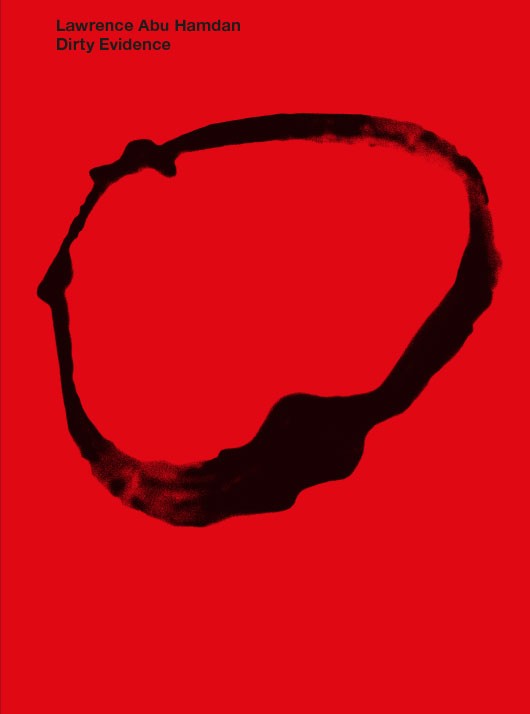
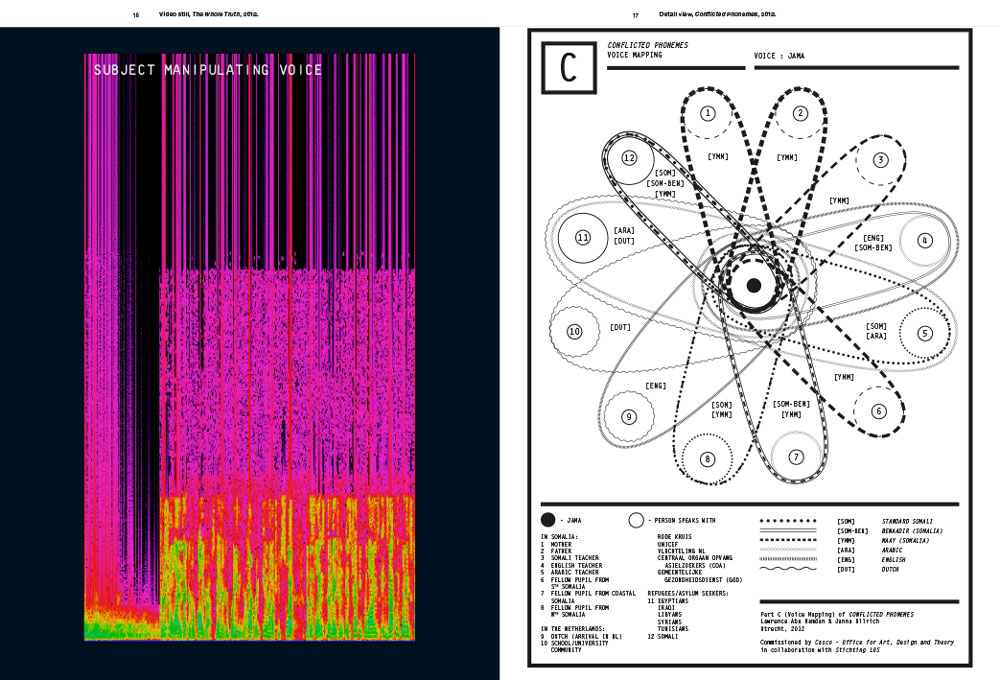
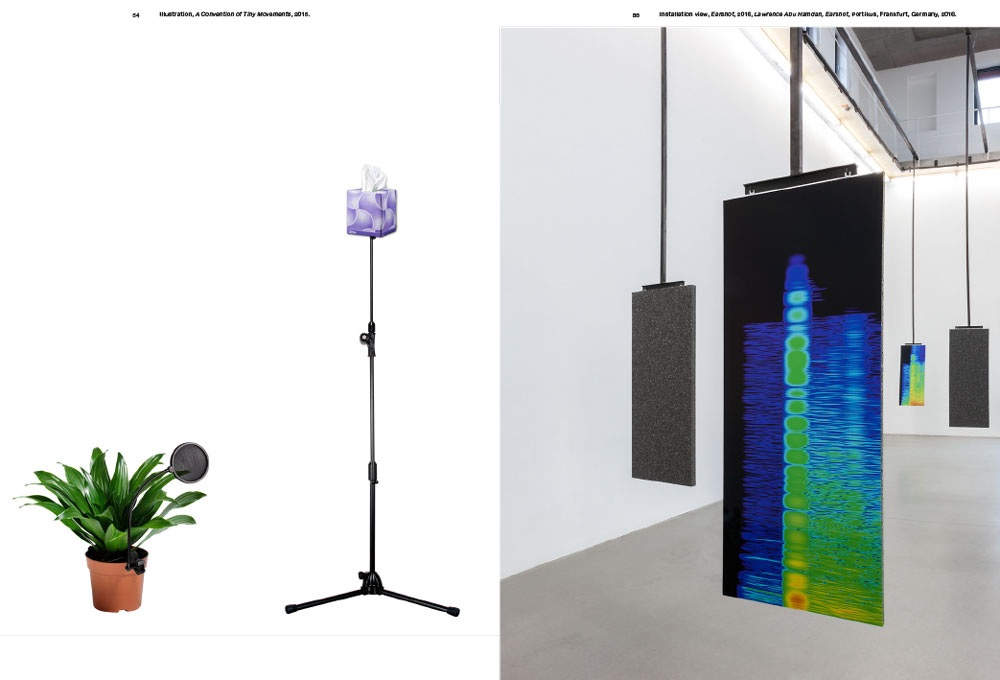
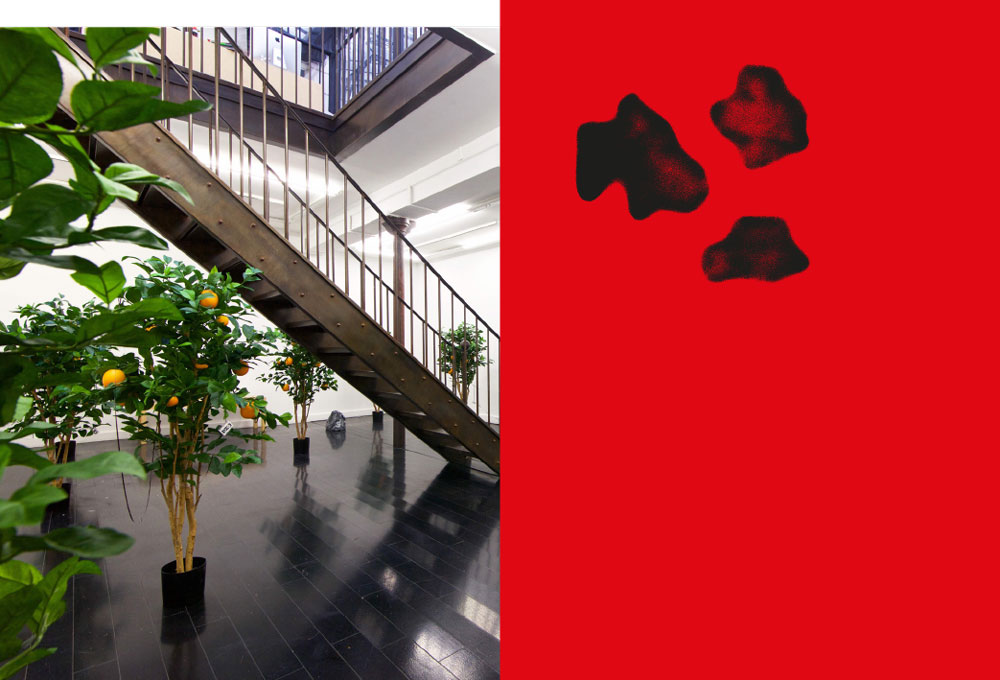
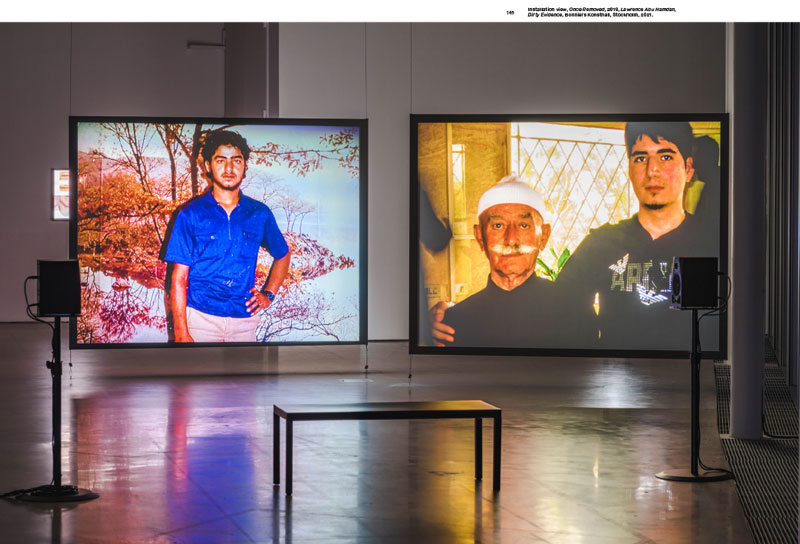
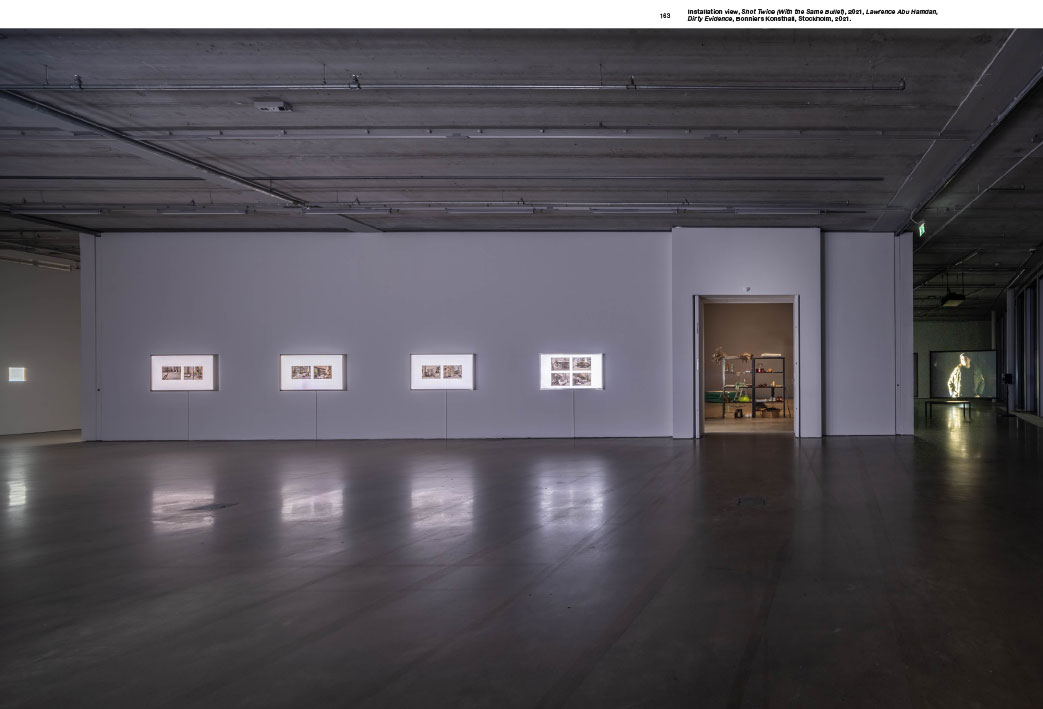
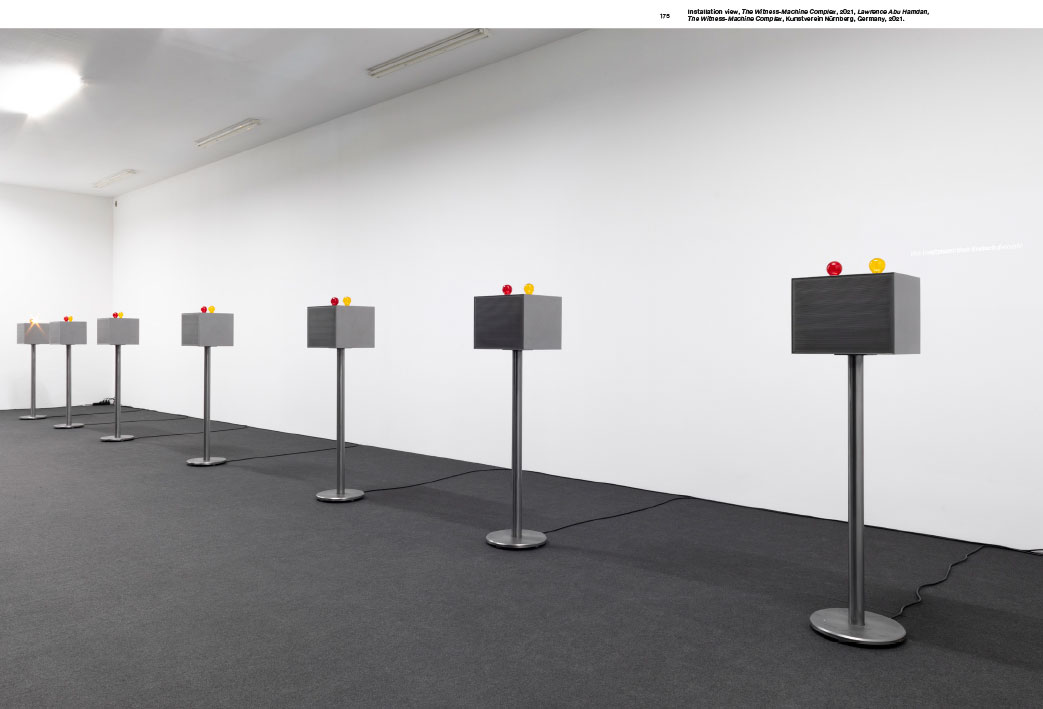
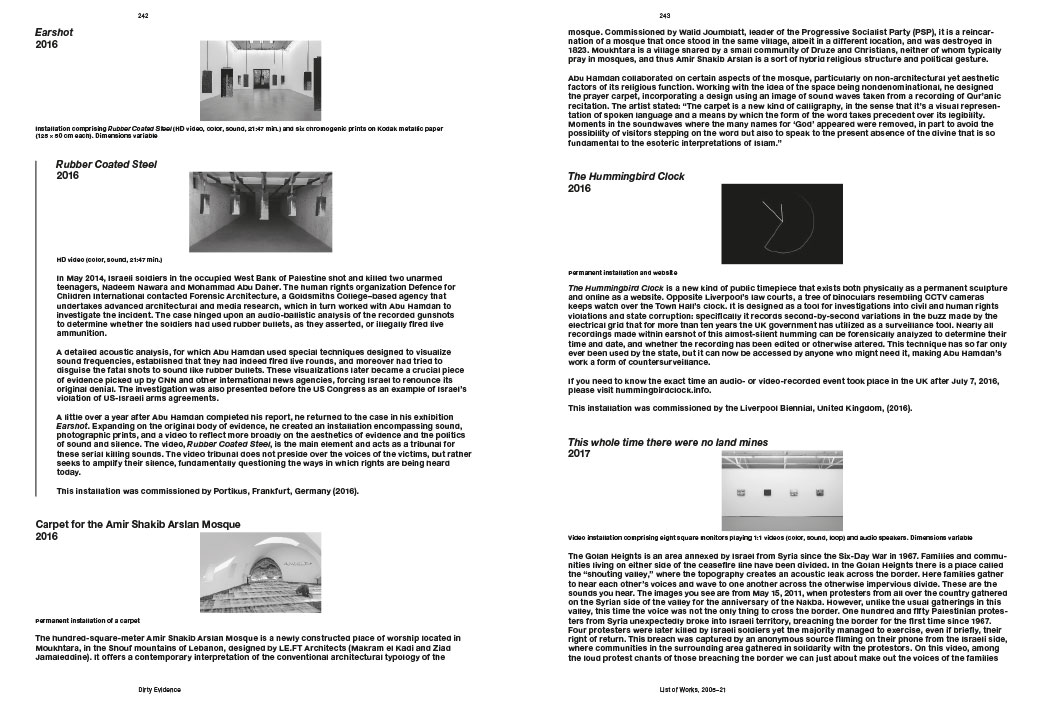
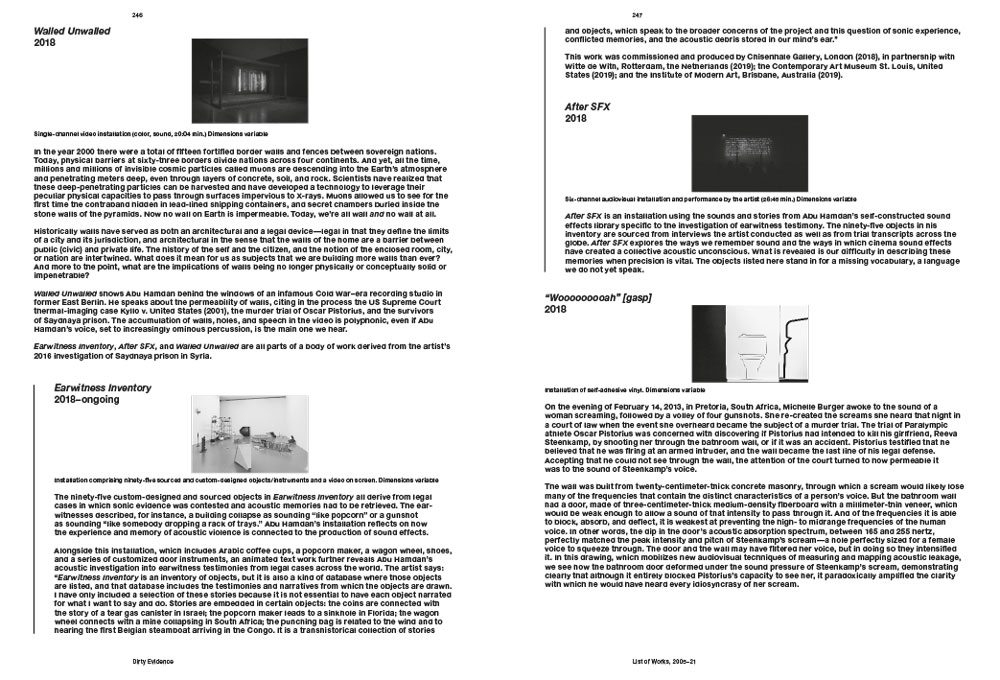
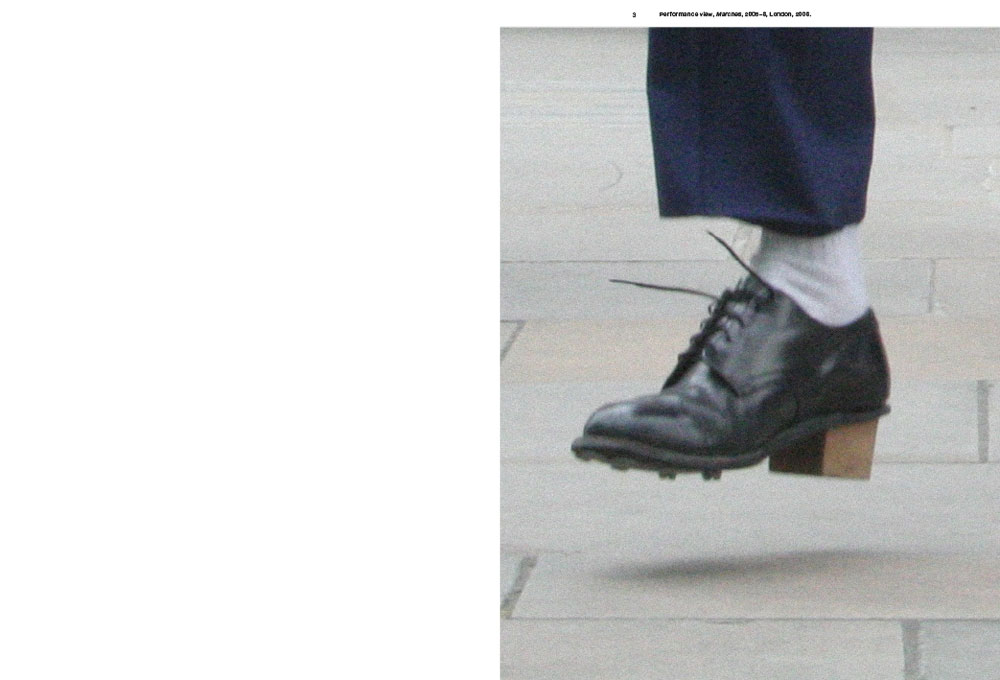
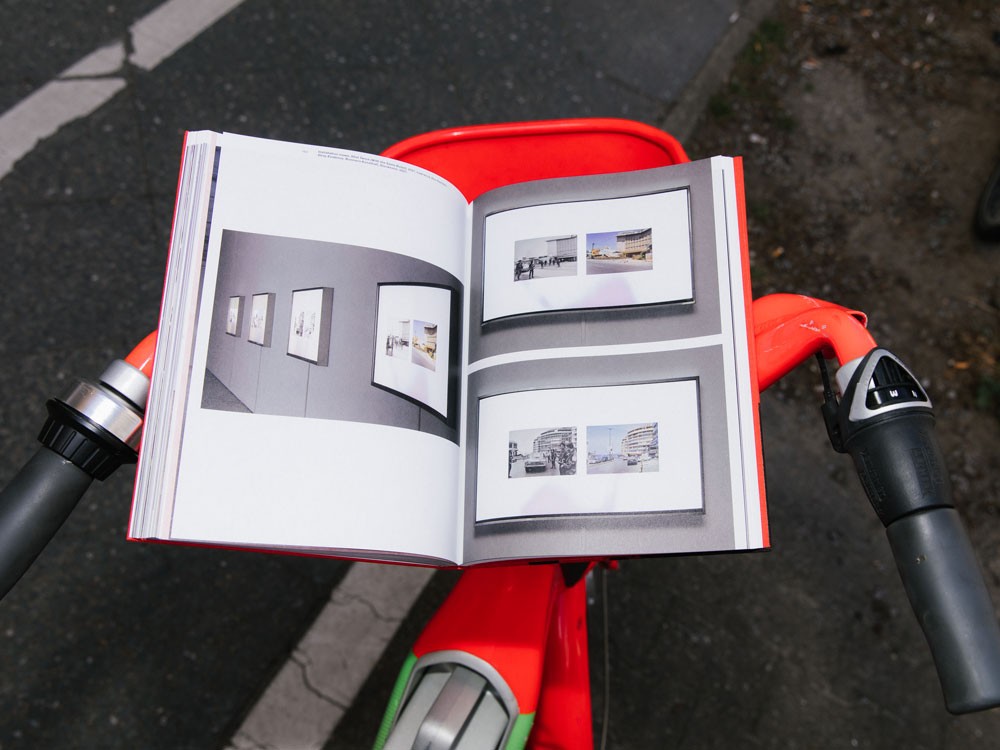
Richly illustrated, this book provides for the first time a visual overview of Lawrence Abu Hamdan’s works of more than a decade, and elaborates on a formal vocabulary characterized by the aesthetics of sound and language. Published on the occasion of his exhibition at Bonniers Konsthall in Stockholm, a group of authors have been invited to engage with individual works and their underlying concepts. Abu Hamdan recognizes the space for art as a site where attention can be drawn to real socio-political conditions in order to challenge the structures behind them. The artist can therefore push at the boundaries of what constitutes testimony. The title “Dirty Evidence” comes from Abu Hamdan’s definition of evidence in which a truth value is derived from its very inadmissibility before the law. It is precisely the evidence’s figurative dirt and dirtiness that works toward the production of truth.