Over the last ten years, Raphael Hefti has created an astonishingly body of work consisting of sculptures and installations, performance and “art-in-public-spaces.” The first comprehensive monograph is published on the occasion of his major exhibition at Kunsthalle Basel.
Between 1998 and 1999, the London-based art collective BANK operated the Fax-Bak Service. The group’s members proof-read and copy-edited more than 300 press releases by galleries. The publication is the most comprehensive record of this notorious project.
SOLD OUT
Sold Out
Listen
On how The BANK Fax-Bak Service started and how it came to be a book
In the Villa Santo Sospir, Jean Cocteau conceived his pictorial work through accumulation, inspired by Greek mythology and the Mediterranean landscape. Architecture permeates the subjects of Mauro Restiffe from a viewpoint that amplifies and reverberates the simple historical record.
Oh mio cagnetto, is the artist’s first book of writings, conceived as an artwork. It is a collection of 81 little poems that revolve around the missed and mourned figure of a puppy. It intentionally plays on the ambiguity of its nature, as both a book distributed in conventional ways and an art object.
When she started writing the Corona Tales, Chus Martínez had been weighing how people and the media were addressing the outbreak of the virus as an unprecedented disaster. One possible contribution, as curator and writer, would be to write a short story a day…
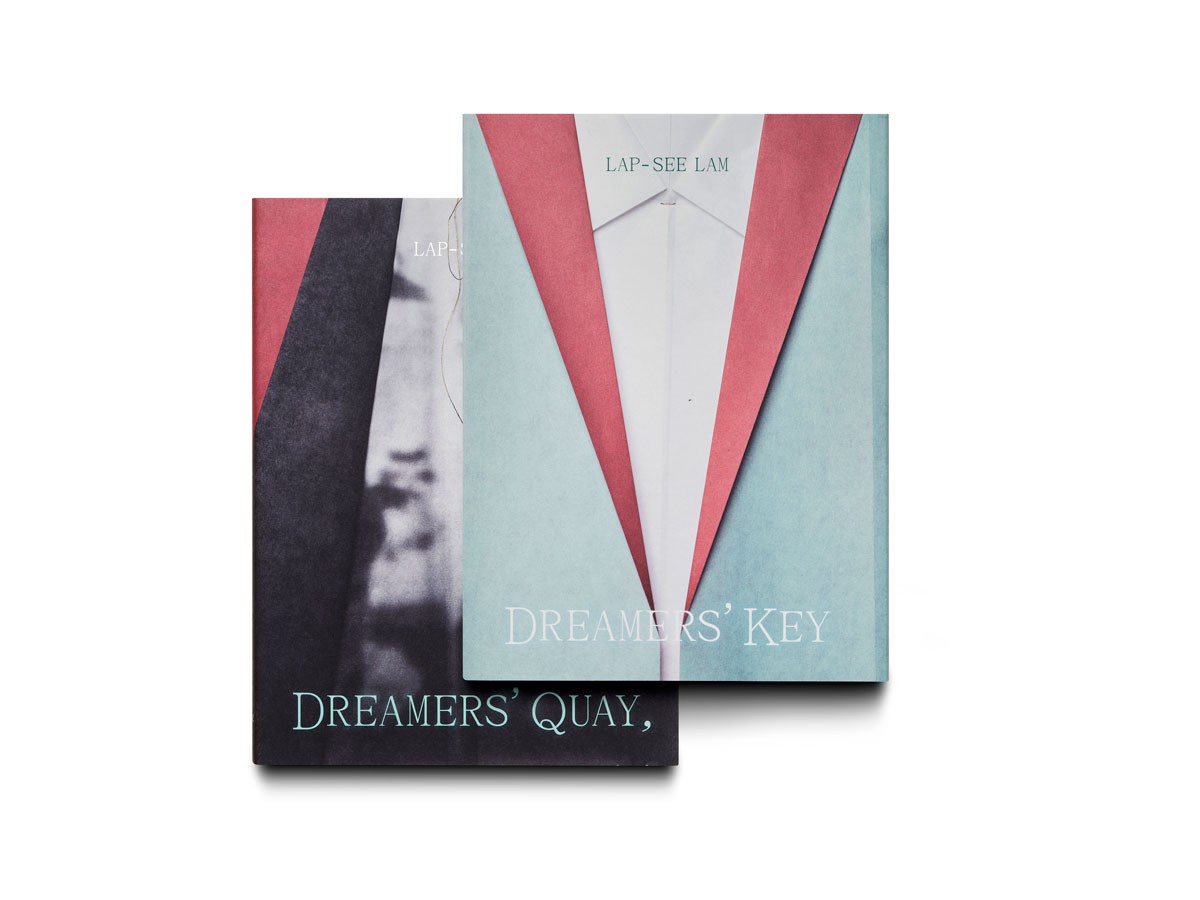
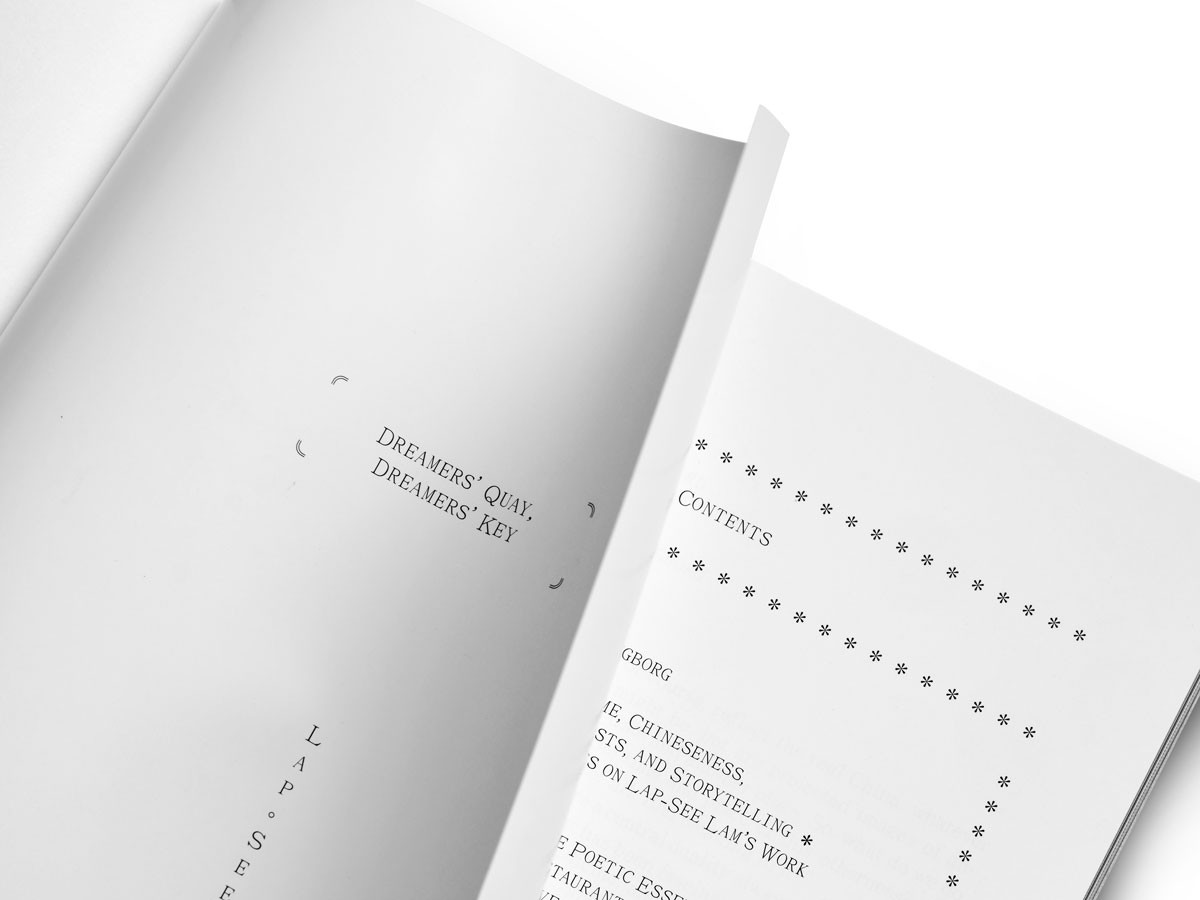
Edited by Yuvinka Medina, Bettina Schultz and Lap-See Lam
Texts by Stephanie Cristello, Mara Lee Gerdén, Yuvinka Medina, Svante Tirén, and Xiaoyu Weng.
Designed by Thomas Bush
2022, English, softcover, 188 pages, 21 x 28 cm
ISBN: 979-12-80579-25-6
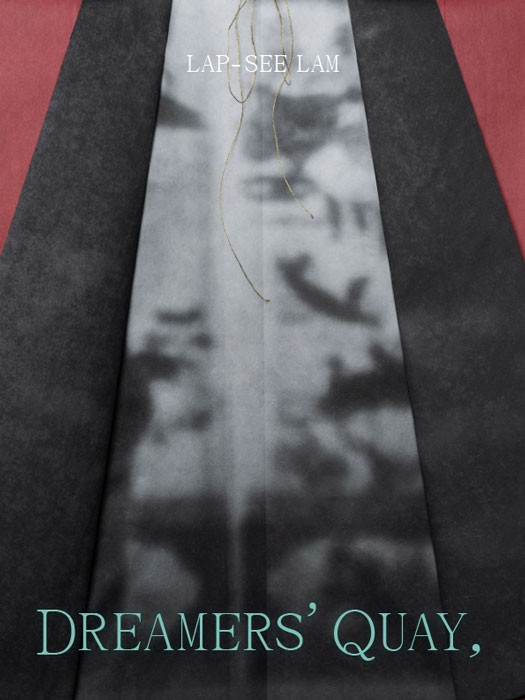
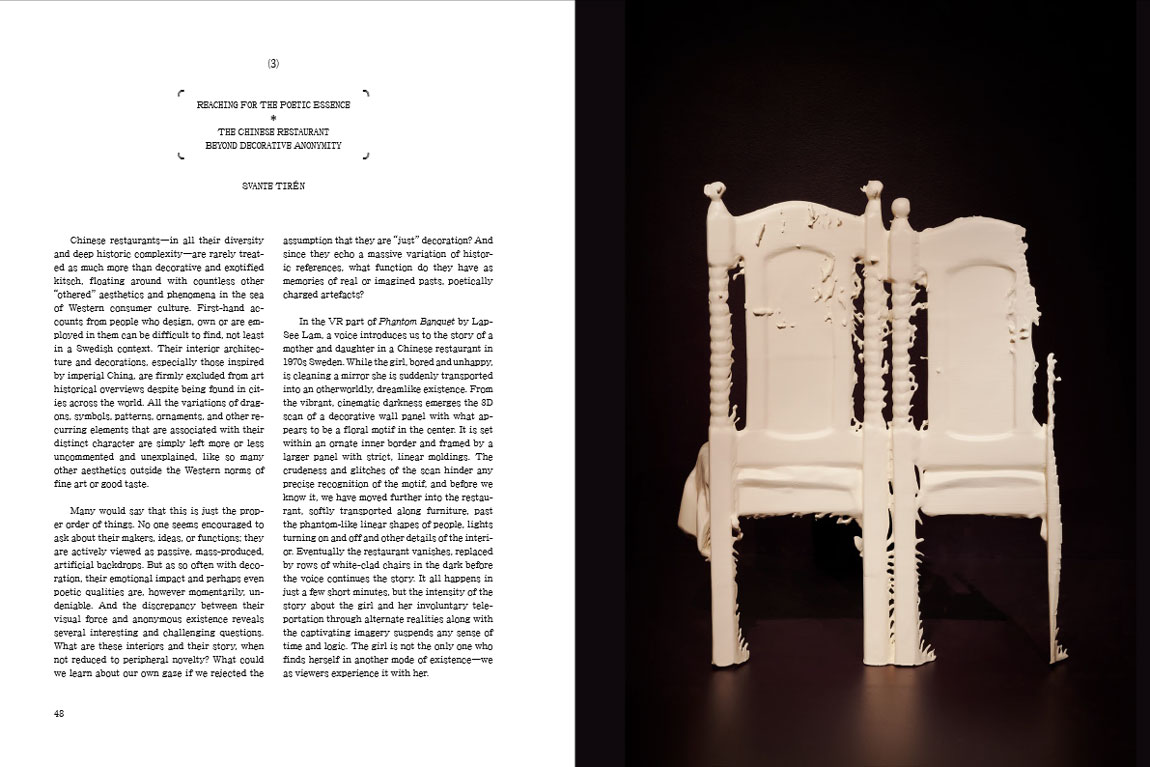
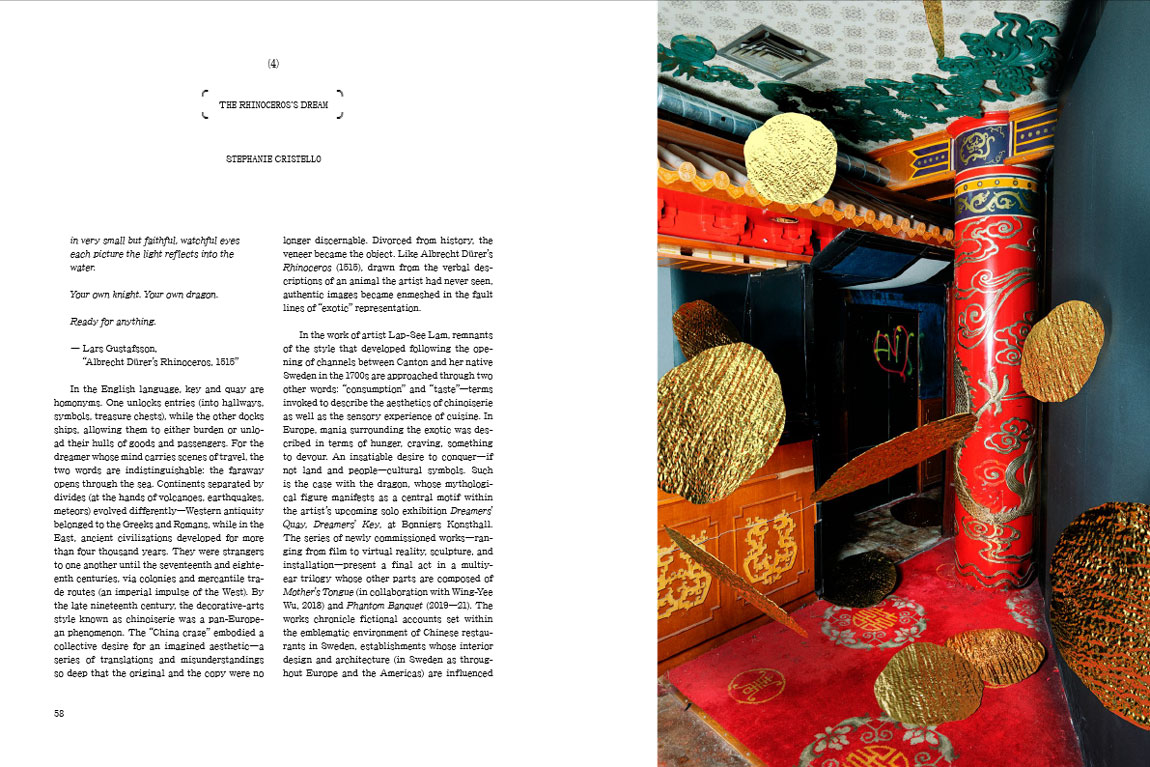
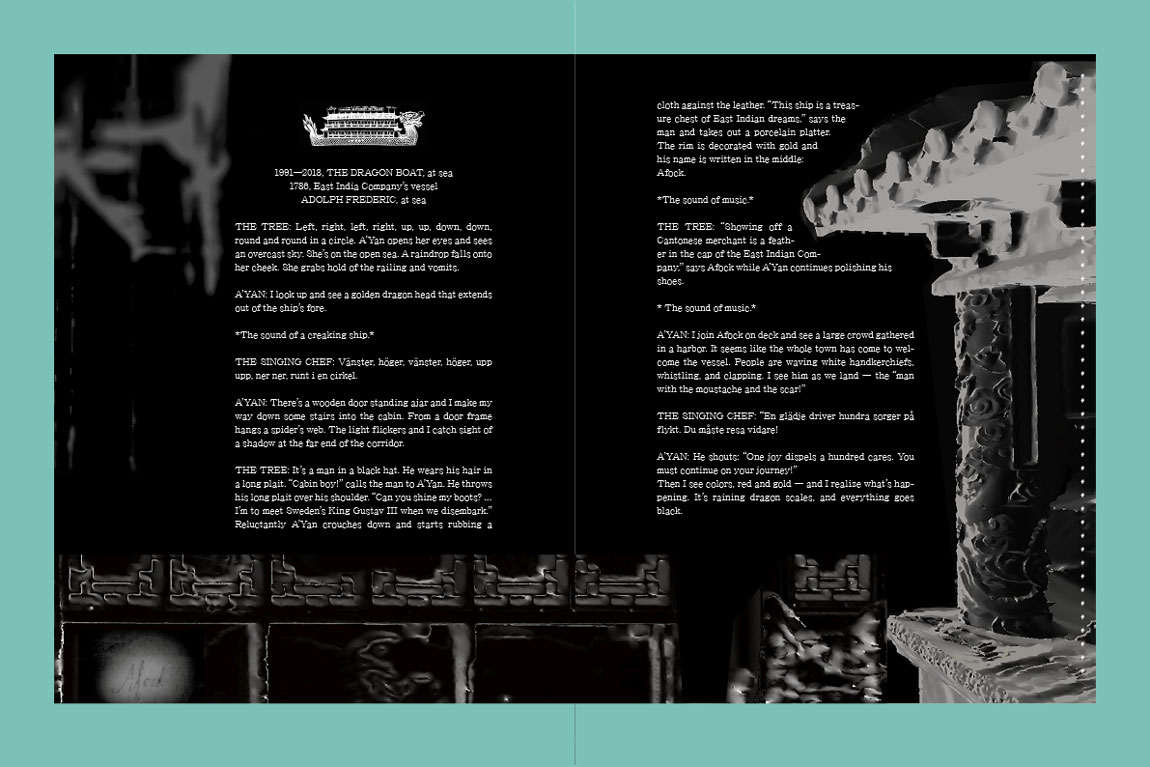
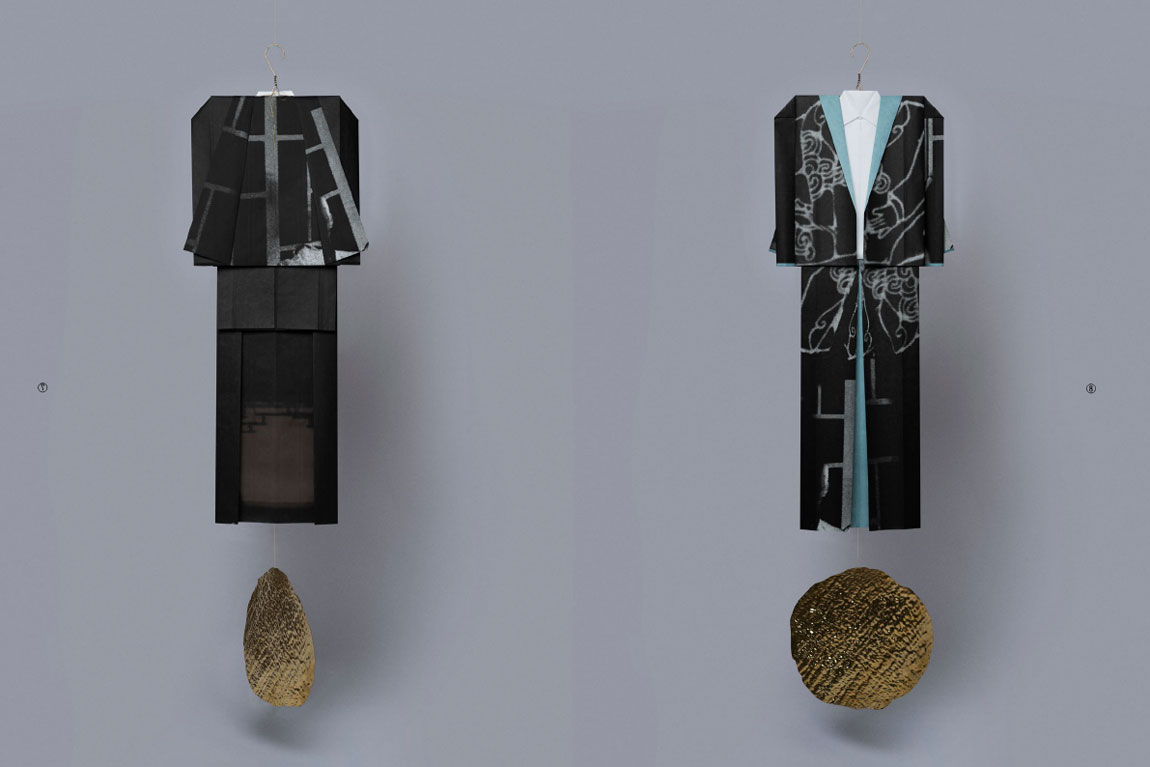
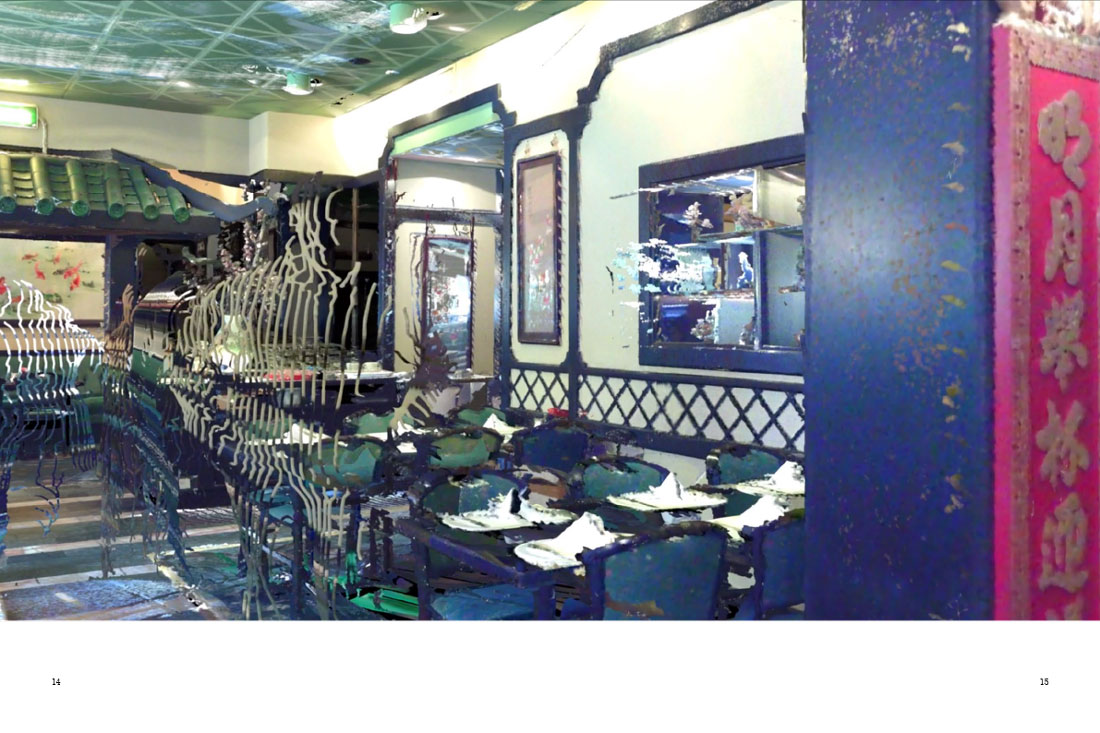
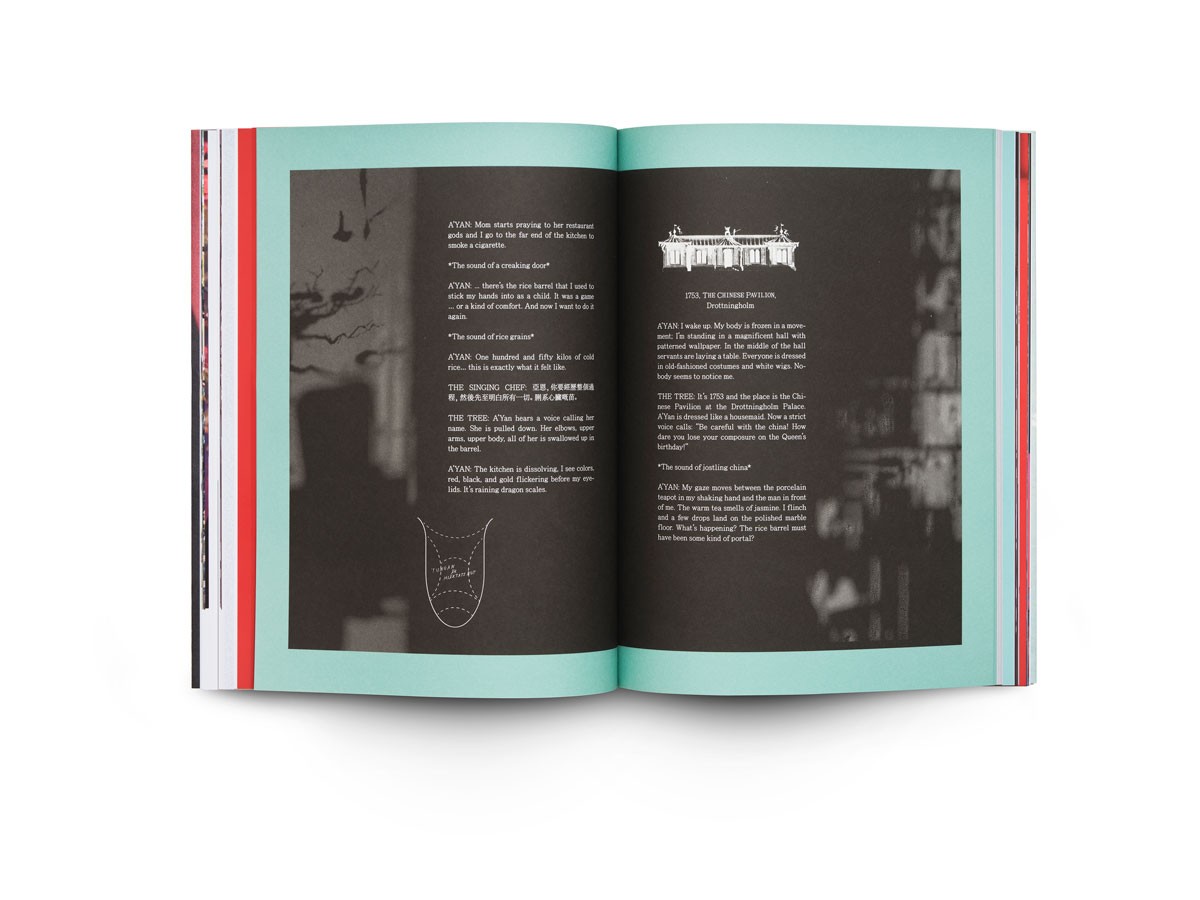
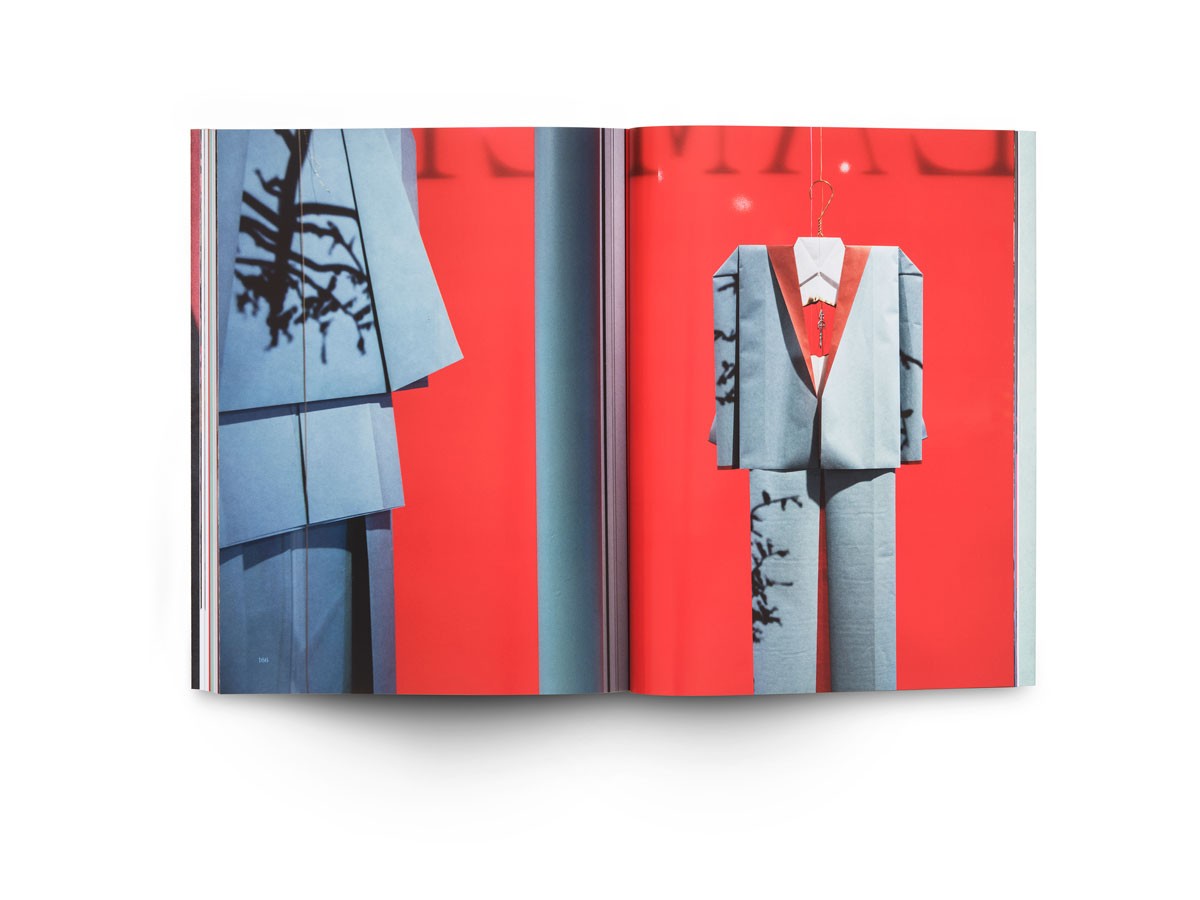
The ubiquitous presence of Chinese restaurants overseas has long been the default and emblematic symbol of Chinese diasporic life. Chinese restaurants are the archetype of a constructed Chineseness meeting the nostalgic ideal of an ancestral homeland. In their many yet all so stereotypical incarnations, these places have acquired names that riff off a few words to embody an oriental experience: Lucky Garden, Mandarin City, Bamboo Palace, New Peking City, Crane Garden, Lotus, Ming Garden. Lap-See Lam puts herself—and us with her—in a relationship to the Chinese restaurants, challenging both the Western historical fascination and its fear by seeking out other realms. It would seem that at the heart of it all, Lam’s practice is guided by a simple question: What are the implications of something looking Chinese? This monograph accompanies Lam’s first institutional exhibition at Bonniers Konsthall.