Over the last ten years, Raphael Hefti has created an astonishingly body of work consisting of sculptures and installations, performance and “art-in-public-spaces.” The first comprehensive monograph is published on the occasion of his major exhibition at Kunsthalle Basel.
Between 1998 and 1999, the London-based art collective BANK operated the Fax-Bak Service. The group’s members proof-read and copy-edited more than 300 press releases by galleries. The publication is the most comprehensive record of this notorious project.
SOLD OUT
Sold Out
Listen
On how The BANK Fax-Bak Service started and how it came to be a book
In the Villa Santo Sospir, Jean Cocteau conceived his pictorial work through accumulation, inspired by Greek mythology and the Mediterranean landscape. Architecture permeates the subjects of Mauro Restiffe from a viewpoint that amplifies and reverberates the simple historical record.
Oh mio cagnetto, is the artist’s first book of writings, conceived as an artwork. It is a collection of 81 little poems that revolve around the missed and mourned figure of a puppy. It intentionally plays on the ambiguity of its nature, as both a book distributed in conventional ways and an art object.
When she started writing the Corona Tales, Chus Martínez had been weighing how people and the media were addressing the outbreak of the virus as an unprecedented disaster. One possible contribution, as curator and writer, would be to write a short story a day…
Edited by Konrad Bitterli
Texts by Mitchell Anderson and Konrad Bitterli
Designed by Anne Stock
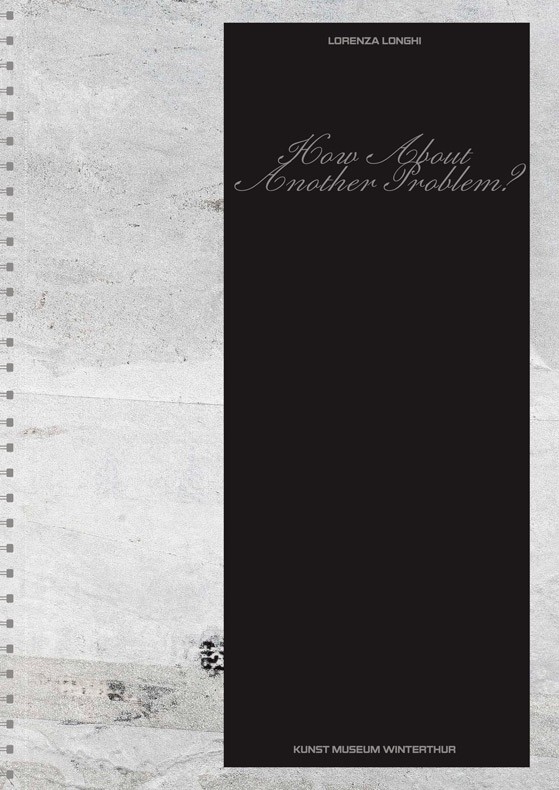
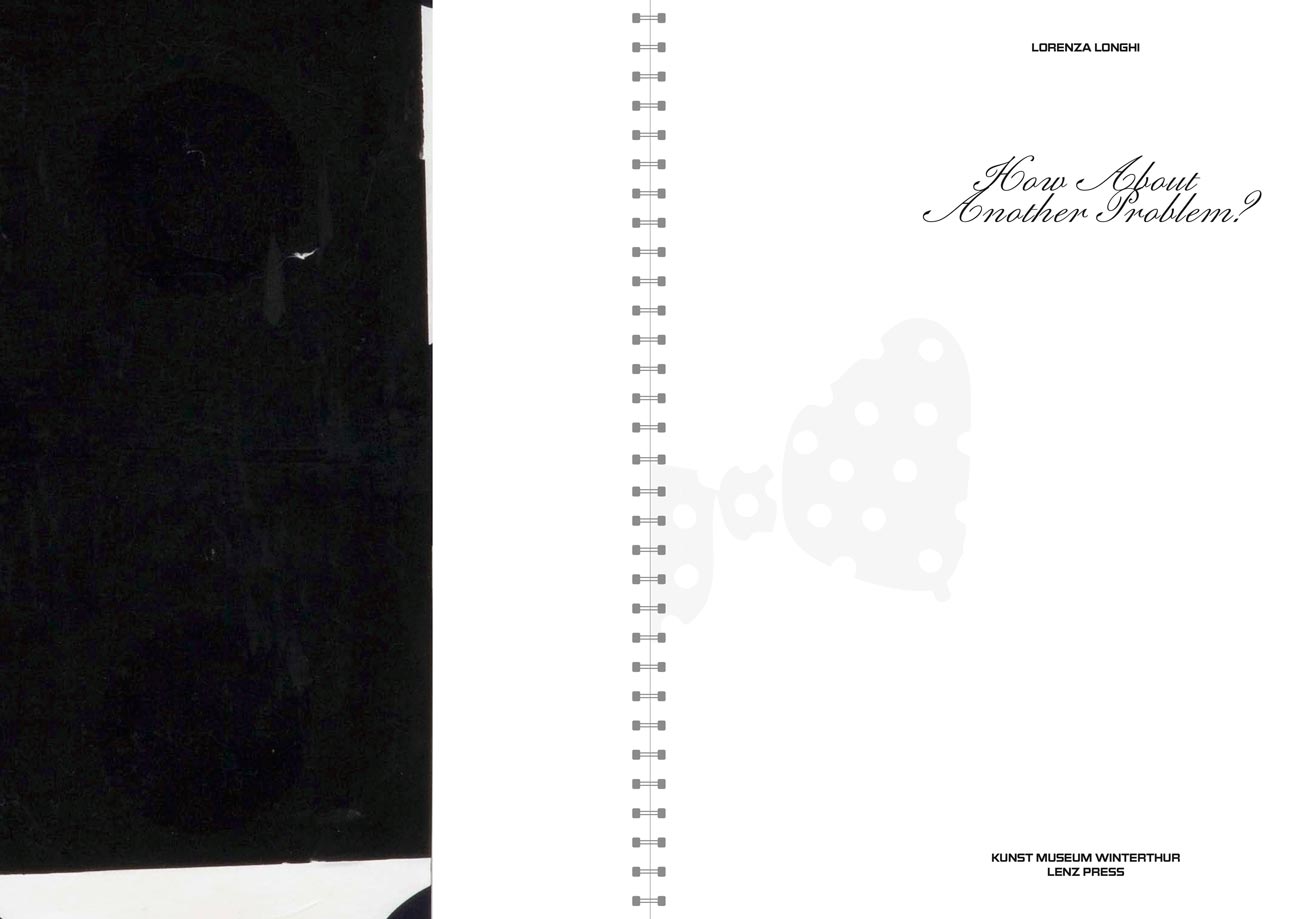
Co-published with Kunst Museum Winterthur
2025, English / German, Spiral-bound, 30 x 22 cm, 140 pages
ISBN 979-12-80579-83-6
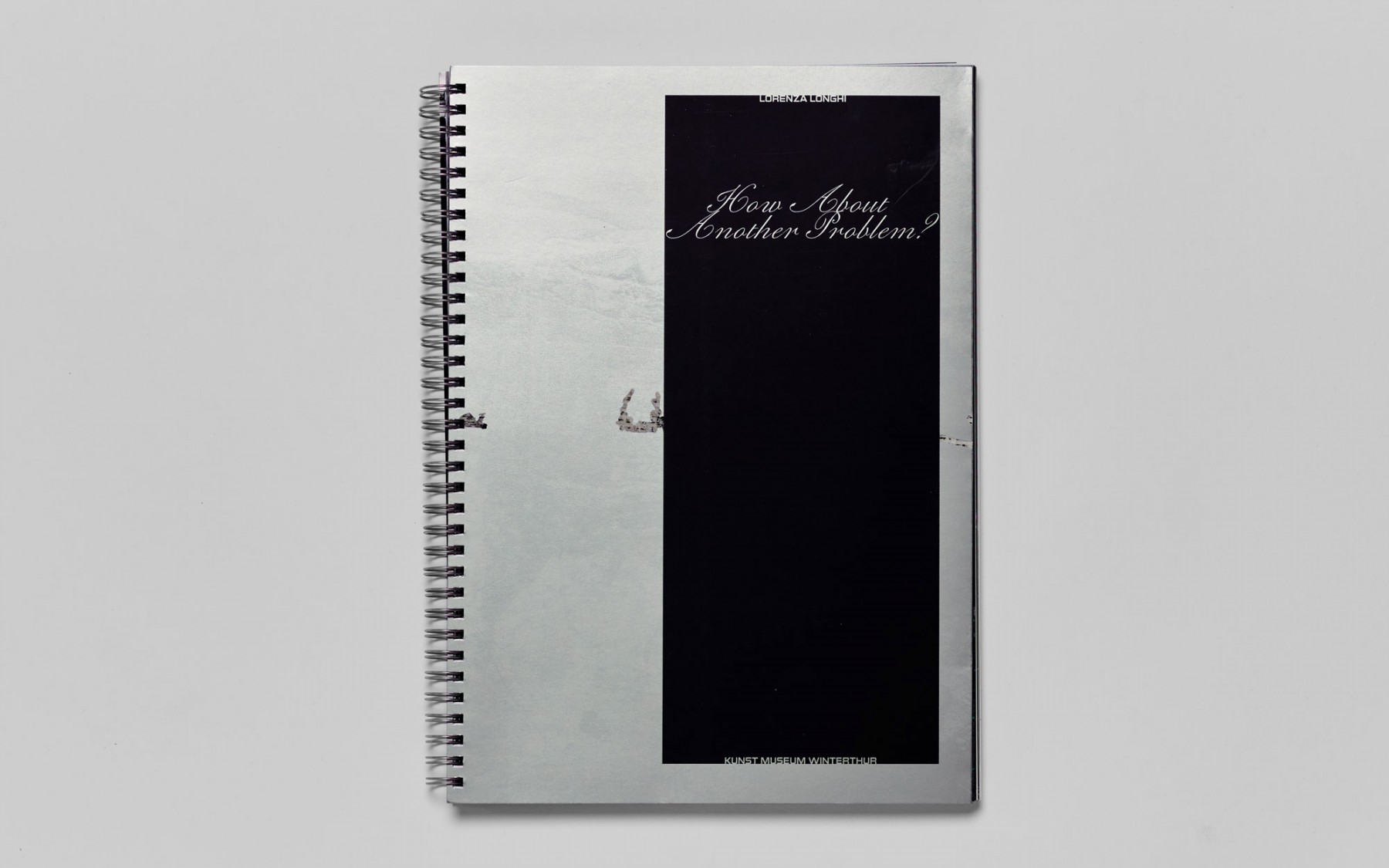
Lorenza Longhi’s practice centers on the circulation of images, materials, and value systems within consumer culture. Working across screen printing, sculpture, installation, and re-constructed furniture, she often reinterprets familiar objects and design elements to expose the subtle pressures embedded in them. By manipulating surfaces, textures, and production processes, Longhi reveals how aesthetics regulate social behavior, status, and aspiration. Her objects—whether printed panels or hybrid forms derived from interior décor—highlight the instability of meaning as things move between domestic, commercial, and institutional settings.
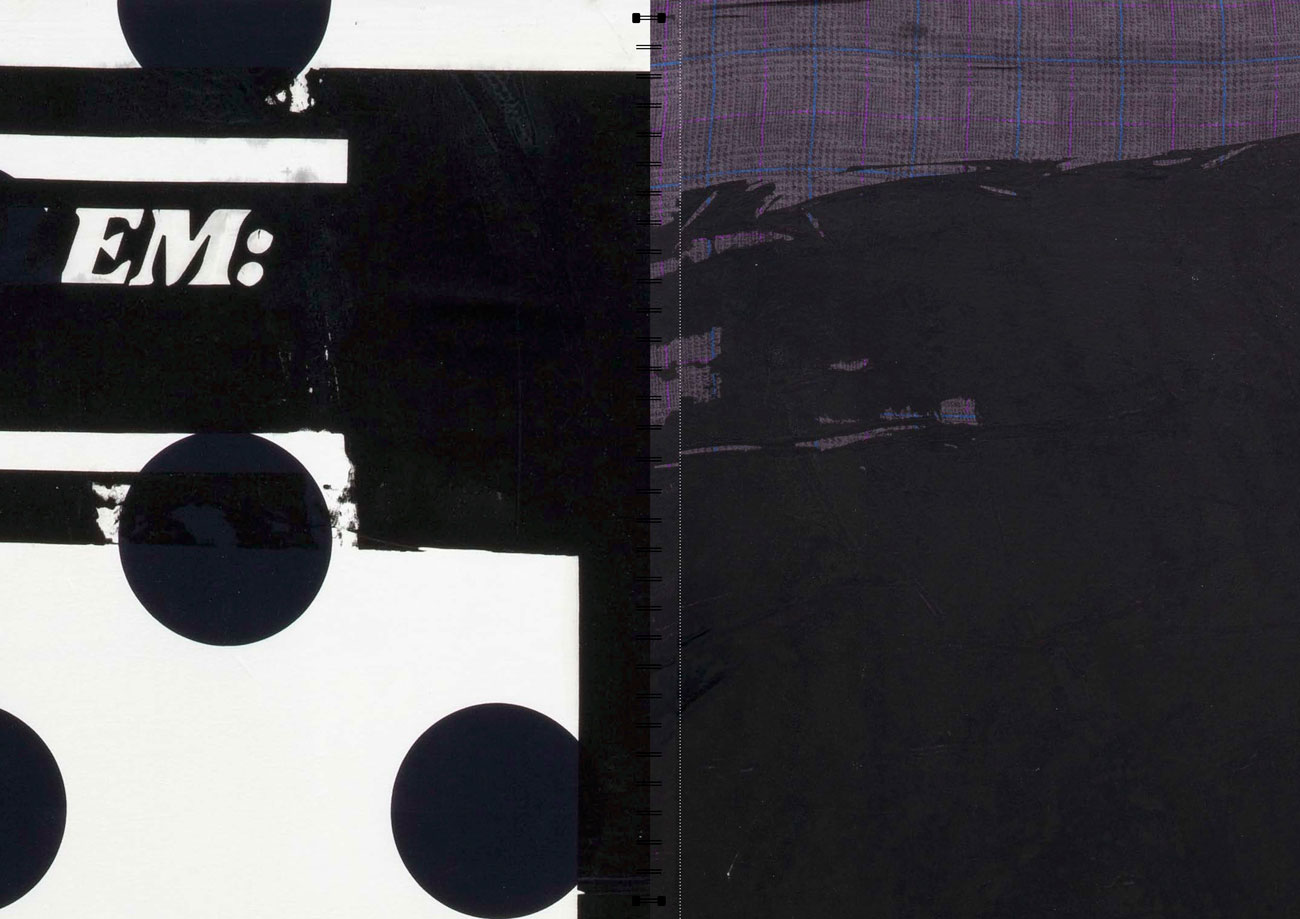
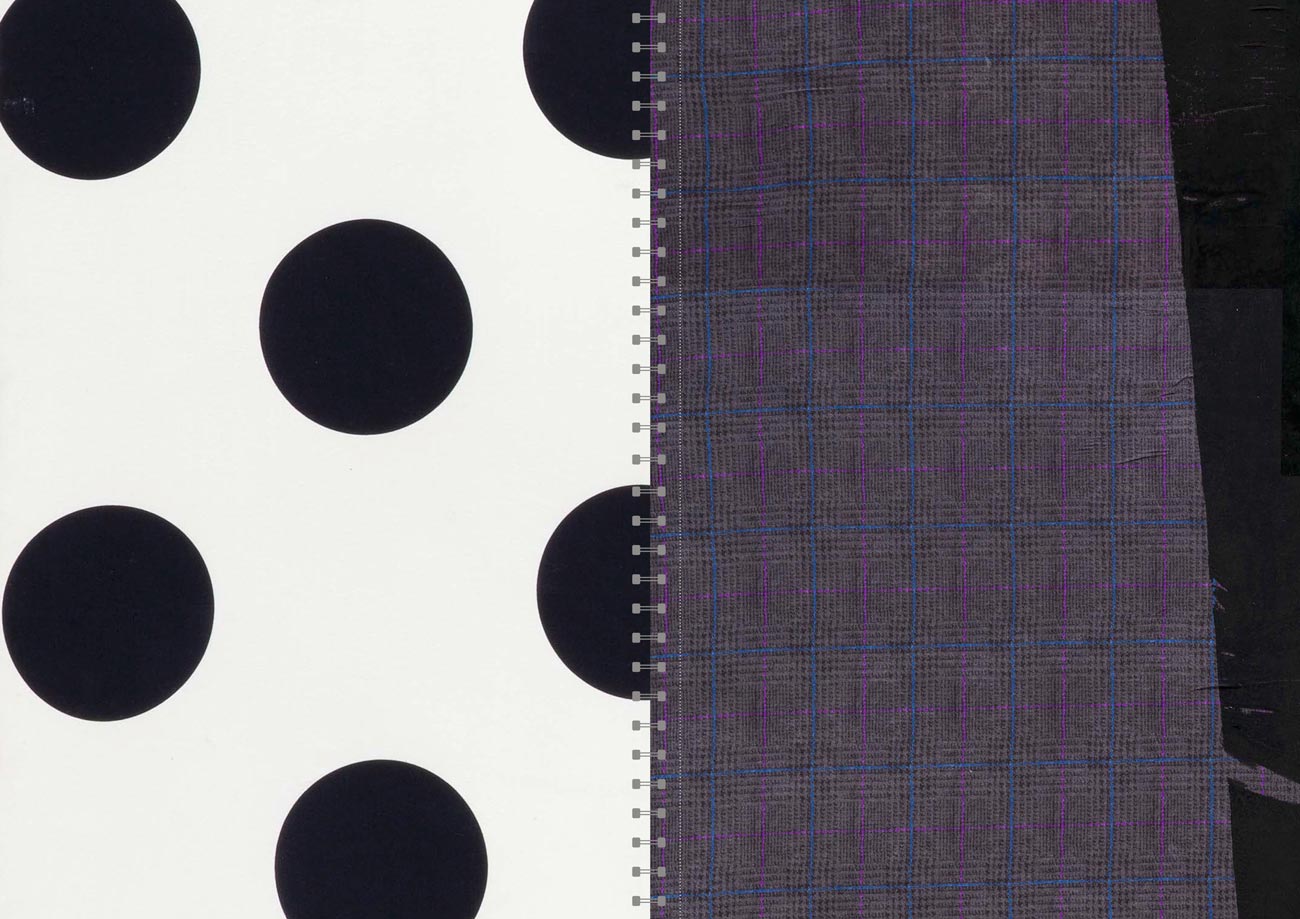
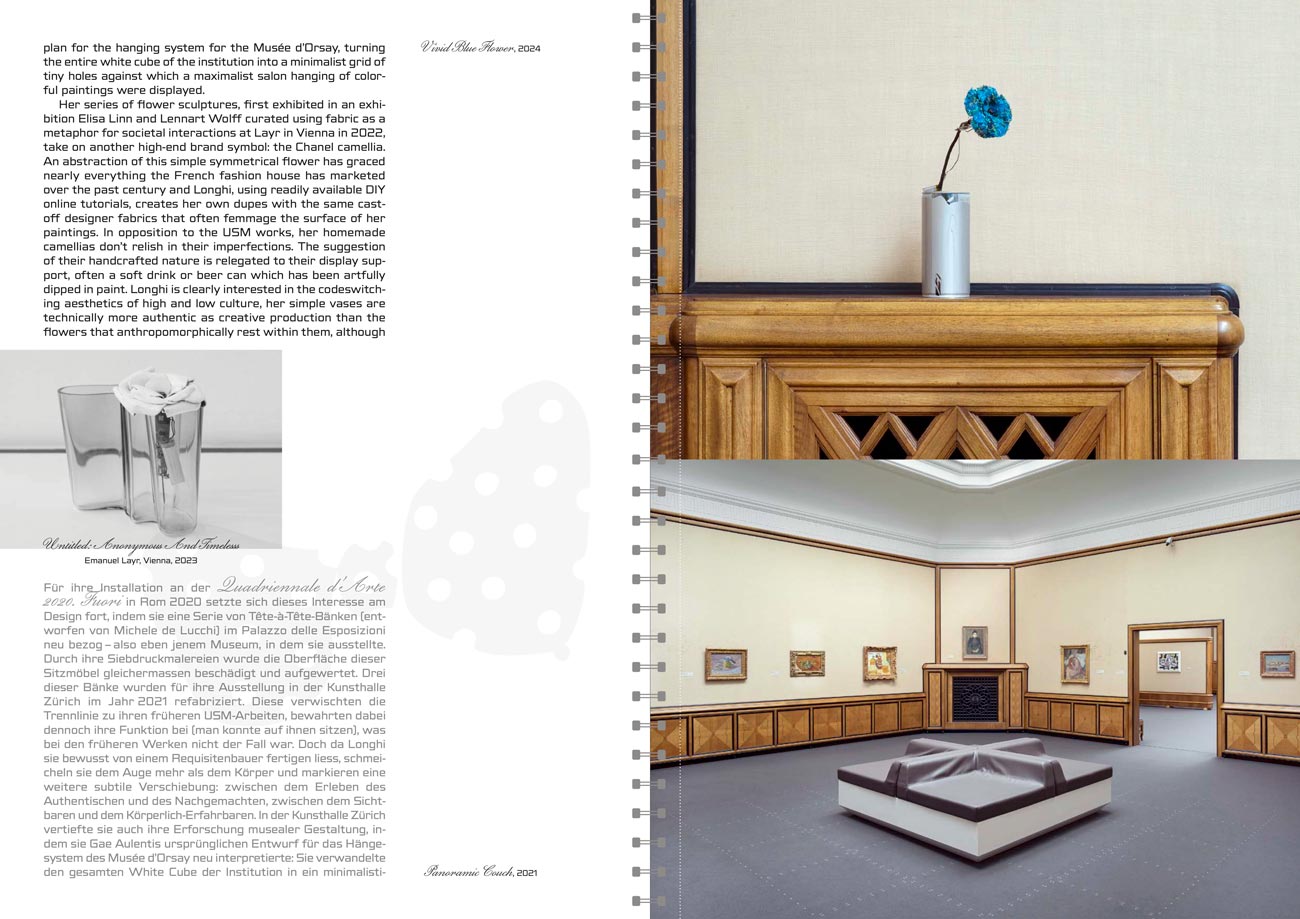
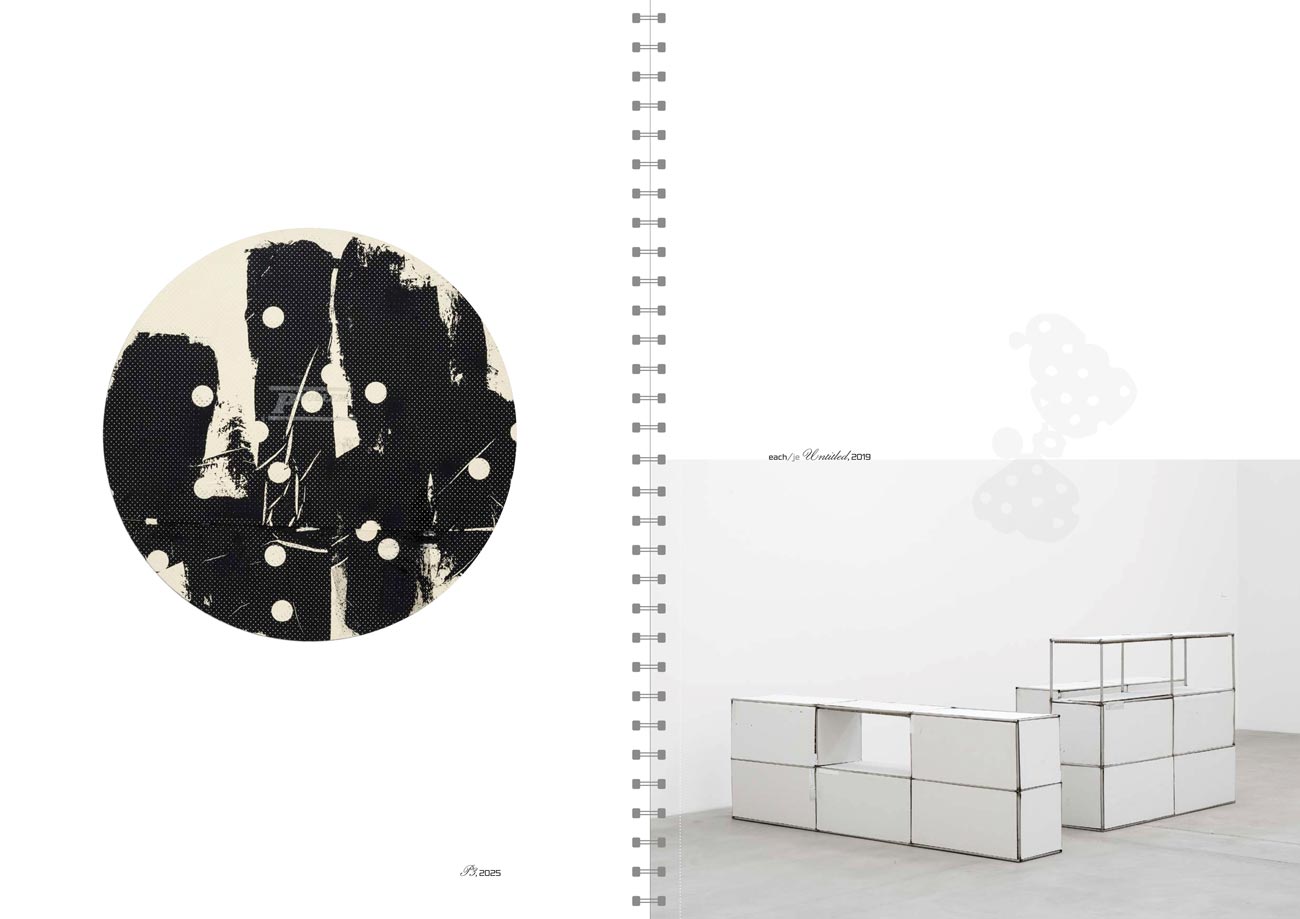
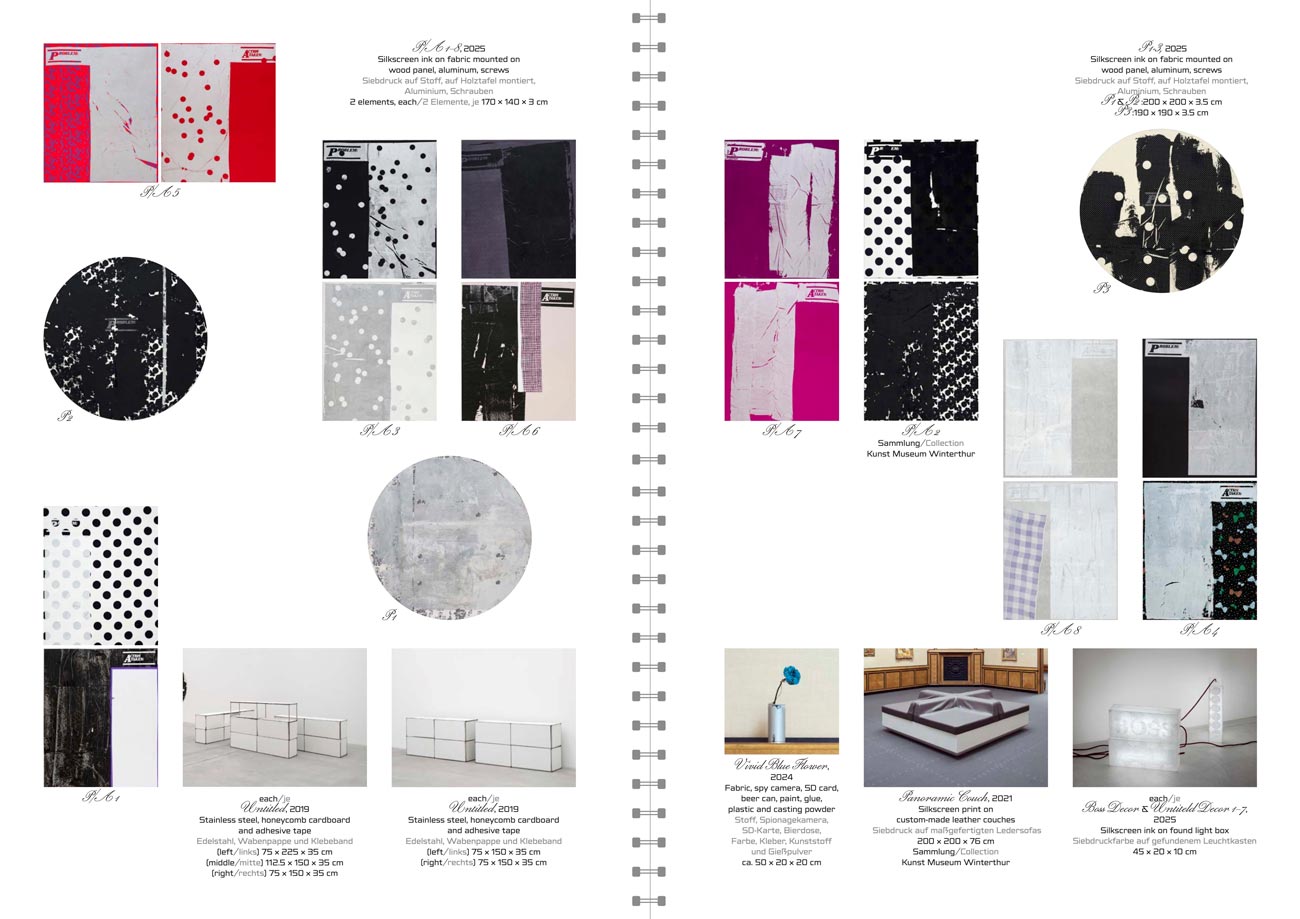
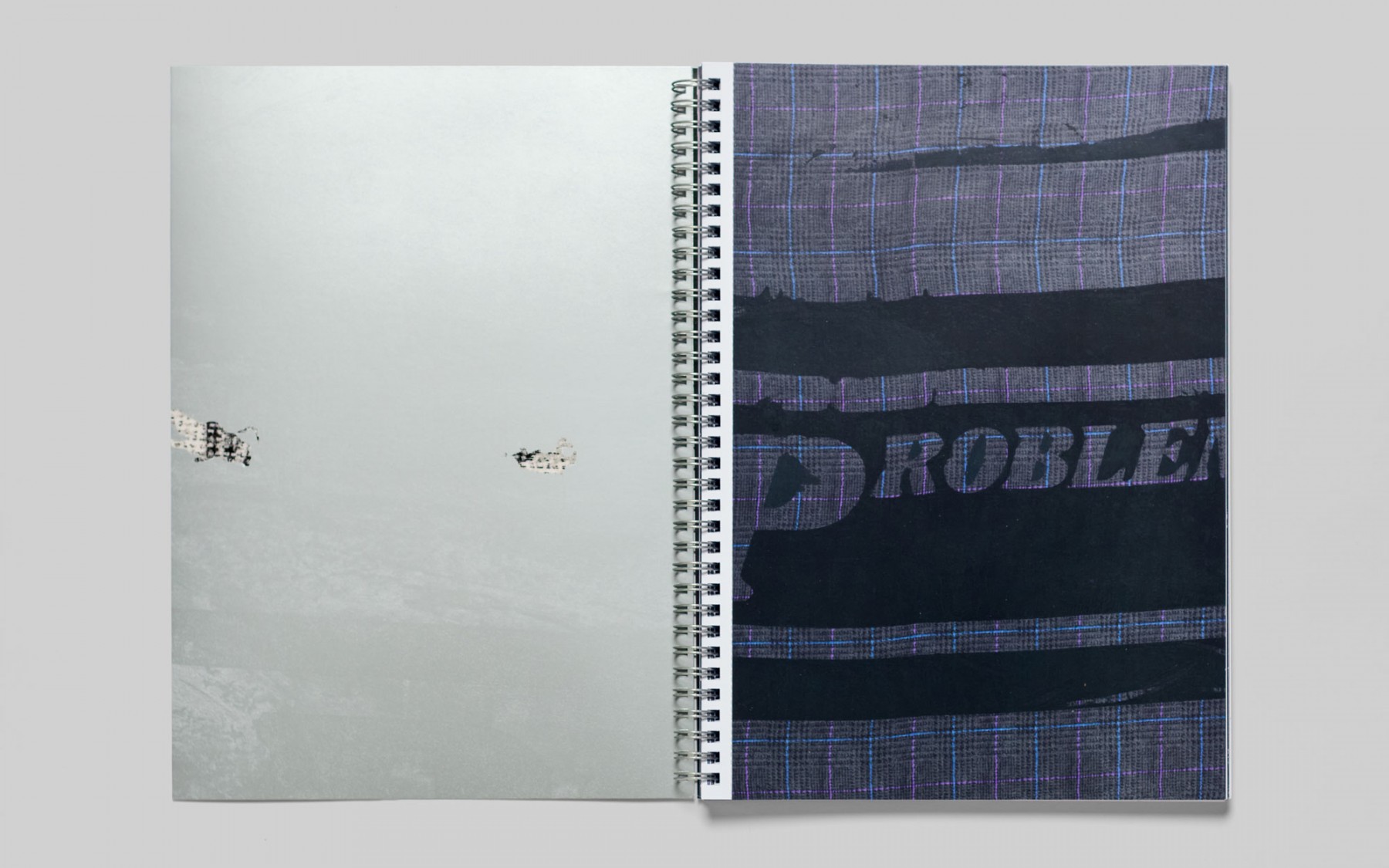
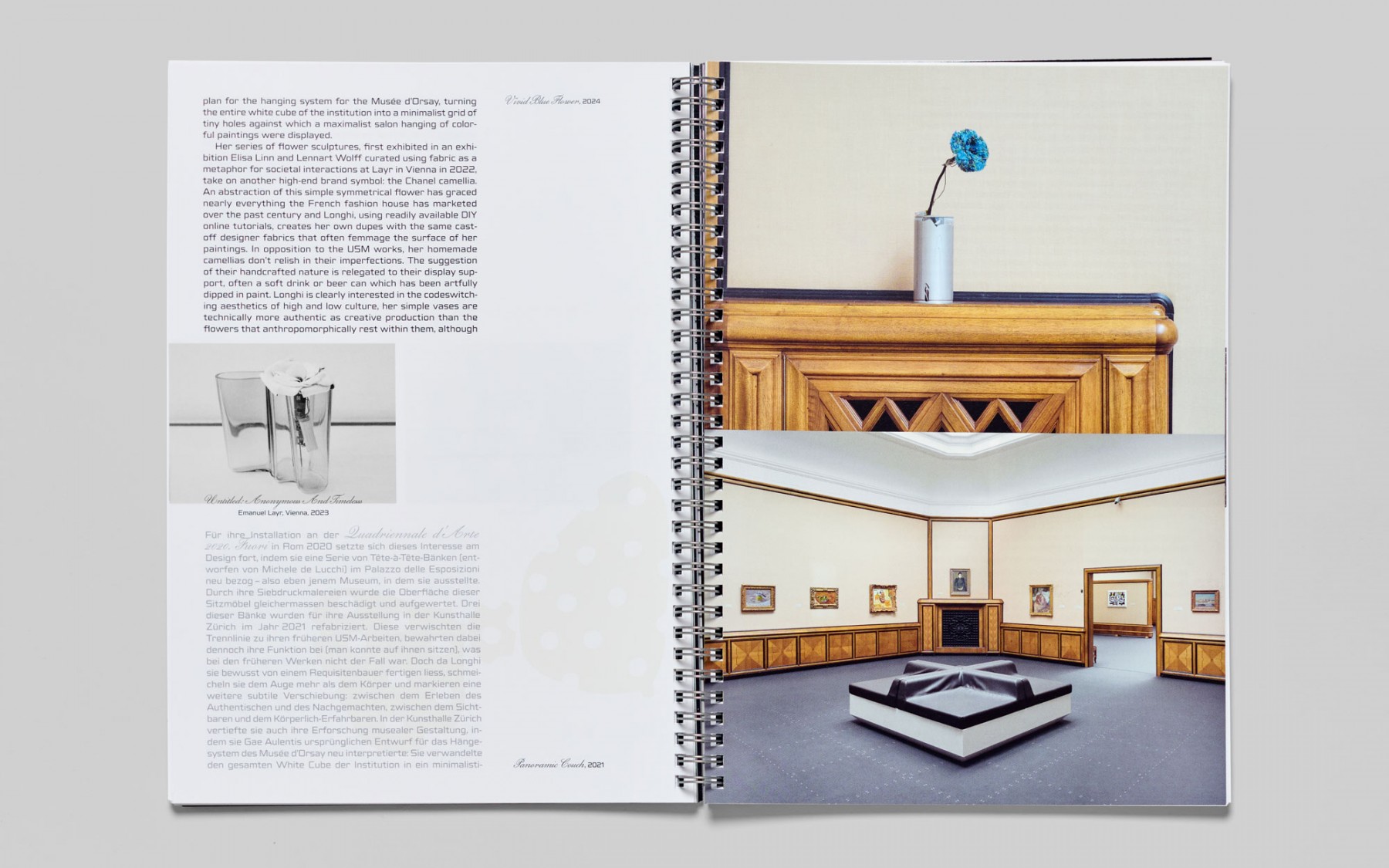
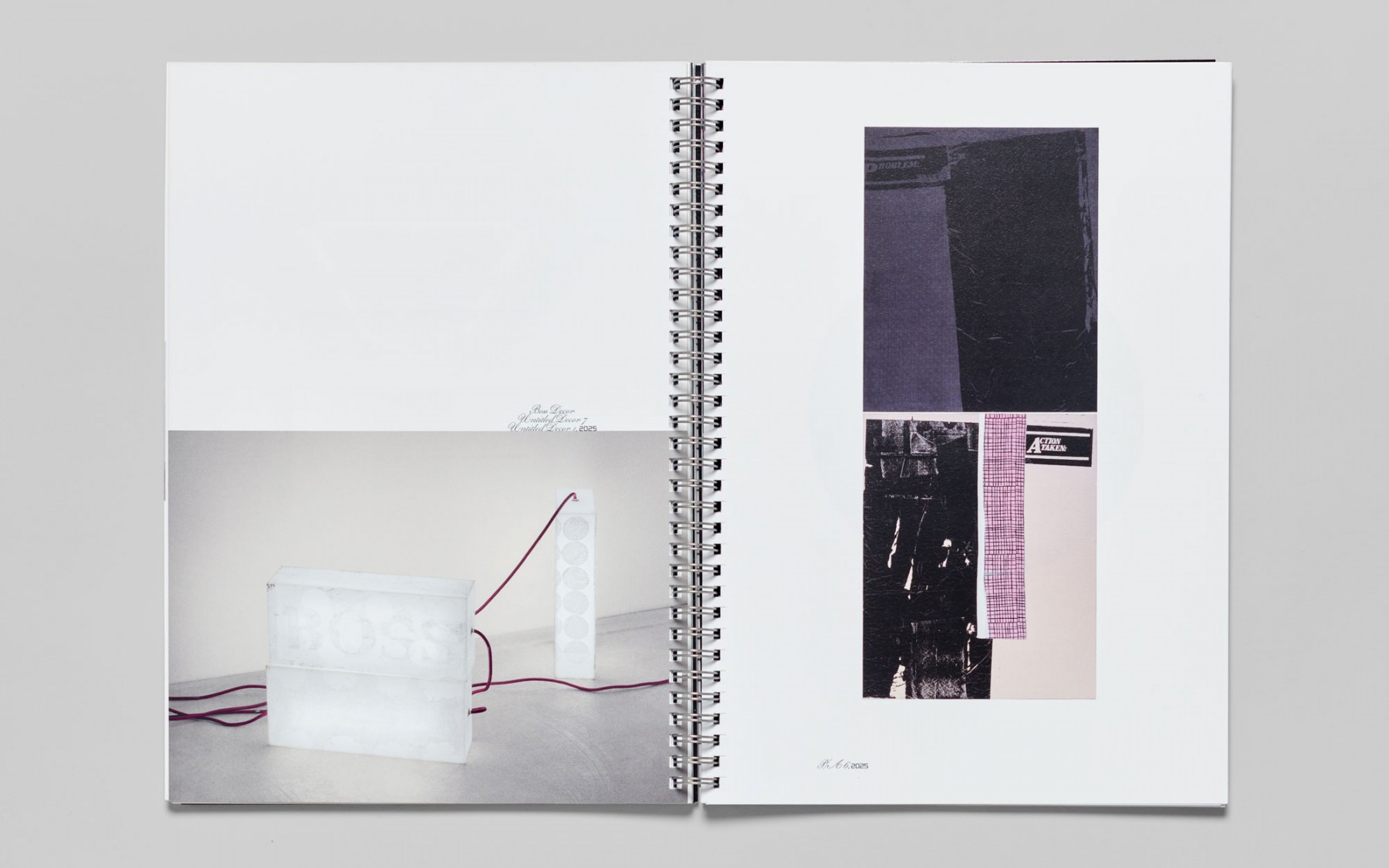
In her 2025 exhibition at Kunst Museum Winterthur, How About Another Problem?, Longhi elaborates these concerns through works that respond directly to the museum’s architecture. Screen-printed panels featuring abstracted flowers pierced by camera-lens motifs evoke the surveillance-driven visual culture shaping contemporary life. Meanwhile, elements resembling furniture or functional fixtures introduce a tension between utility and display, complicating expectations of refinement and production value. Irregularities—misalignments, visible joins, uneven prints—are deliberately preserved, foregrounding the labor behind objects typically associated with industrial perfection and consumer polish.
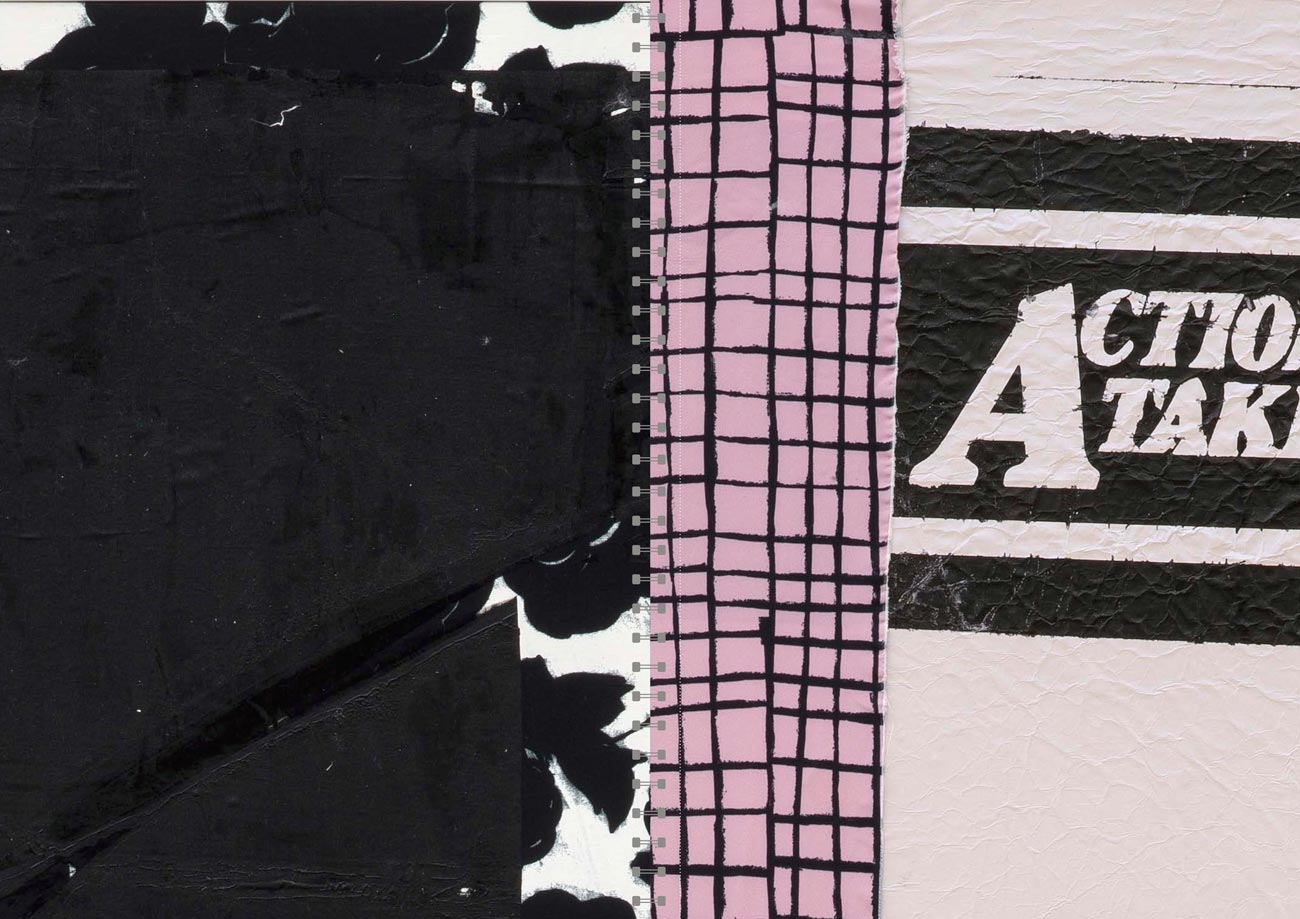
Longhi’s new spiral-bound catalogue echoes her longstanding interest in modest, industrially inflected production formats. By adopting a format associated with prototypes, manuals, or working documents, the catalogue positions itself as an active tool rather than a luxury object—extending Longhi’s ongoing examination of value, functionality, and the aesthetics of the everyday.