Over the last ten years, Raphael Hefti has created an astonishingly body of work consisting of sculptures and installations, performance and “art-in-public-spaces.” The first comprehensive monograph is published on the occasion of his major exhibition at Kunsthalle Basel.
Between 1998 and 1999, the London-based art collective BANK operated the Fax-Bak Service. The group’s members proof-read and copy-edited more than 300 press releases by galleries. The publication is the most comprehensive record of this notorious project.
SOLD OUT
Sold Out
Listen
On how The BANK Fax-Bak Service started and how it came to be a book
In the Villa Santo Sospir, Jean Cocteau conceived his pictorial work through accumulation, inspired by Greek mythology and the Mediterranean landscape. Architecture permeates the subjects of Mauro Restiffe from a viewpoint that amplifies and reverberates the simple historical record.
Oh mio cagnetto, is the artist’s first book of writings, conceived as an artwork. It is a collection of 81 little poems that revolve around the missed and mourned figure of a puppy. It intentionally plays on the ambiguity of its nature, as both a book distributed in conventional ways and an art object.
When she started writing the Corona Tales, Chus Martínez had been weighing how people and the media were addressing the outbreak of the virus as an unprecedented disaster. One possible contribution, as curator and writer, would be to write a short story a day…
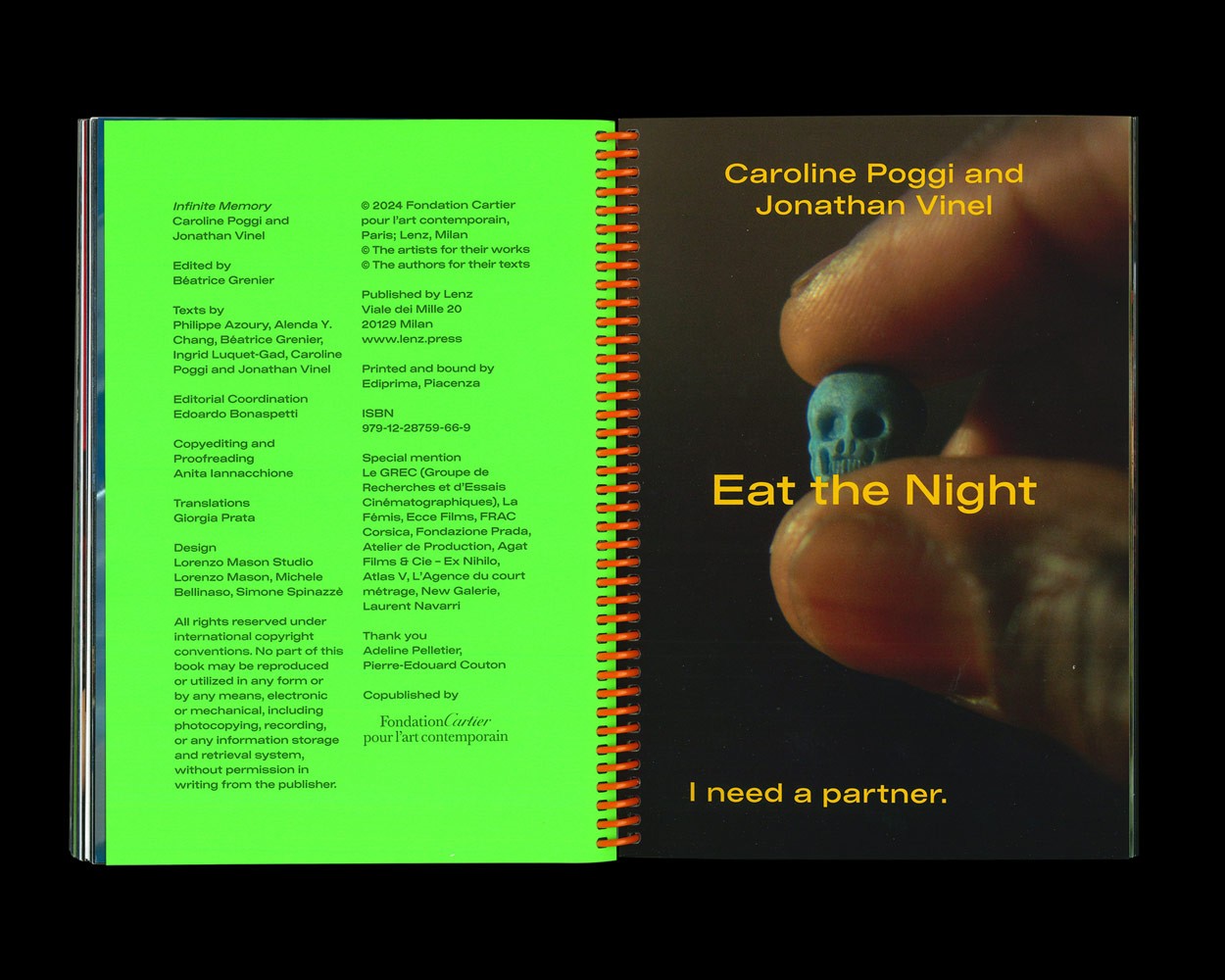
Edited by Béatrice Grenier
Texts by Philippe Azoury, Alenda Y. Chang, Béatrice Grenier, Ingrid Luquet-gad, Caroline Poggi and Jonathan Vinel
Co-published by Fondation Cartier pour l’art contemporain
Designed by Lorenzo Mason Studio
2024, English, 16.8 x 24 cm, 274 pages
ISBN 979-12-80579-66-9
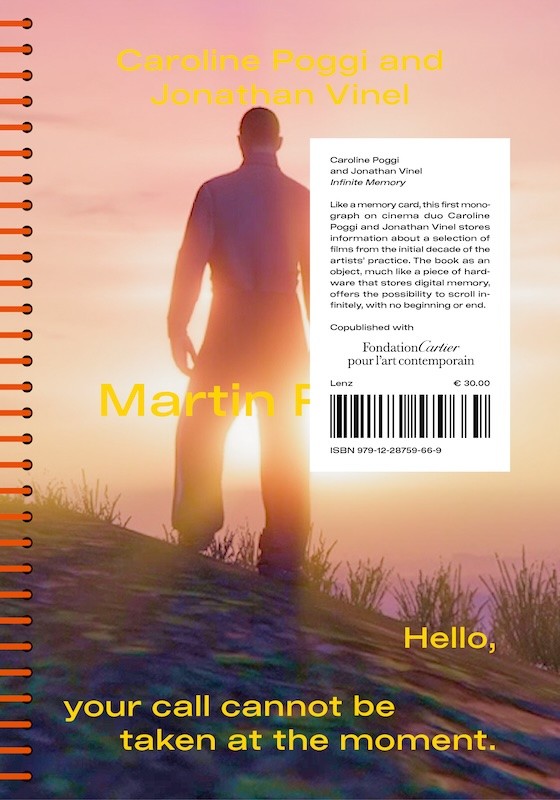
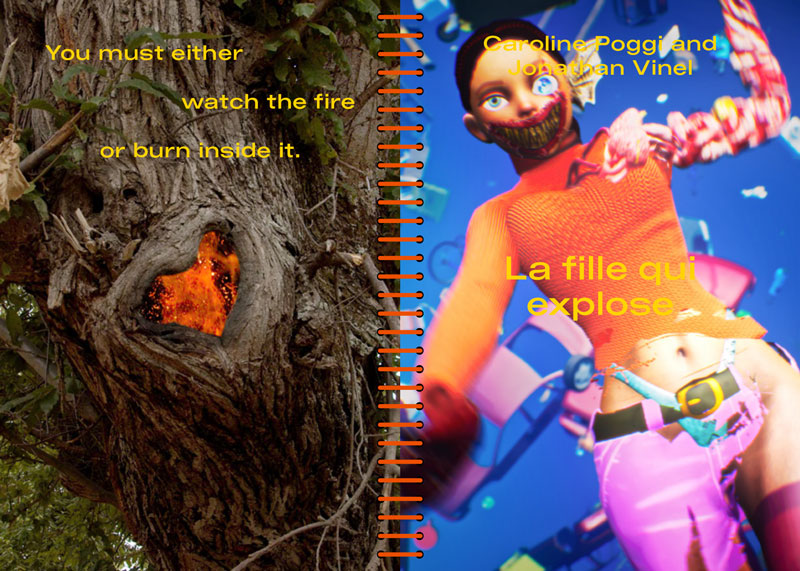
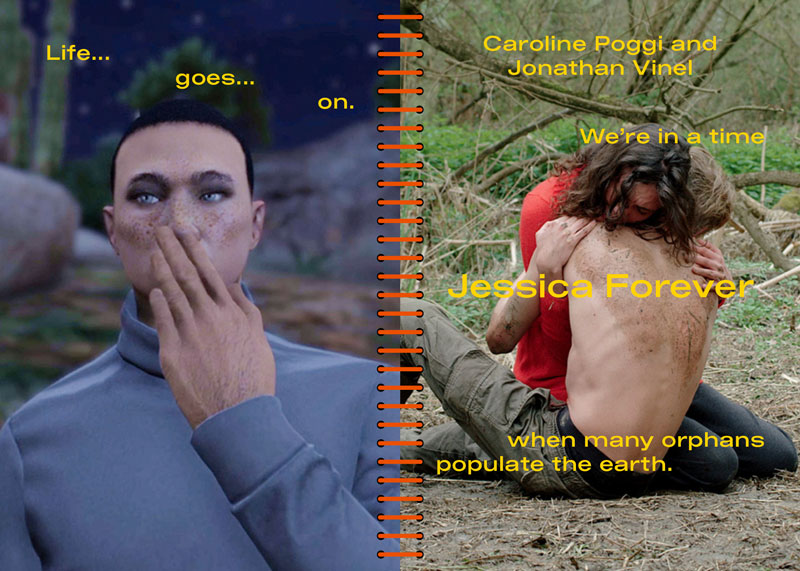
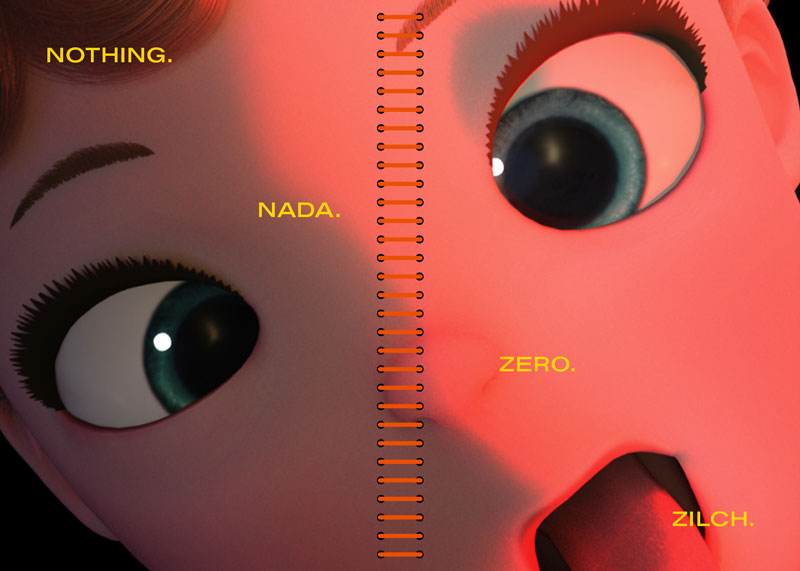
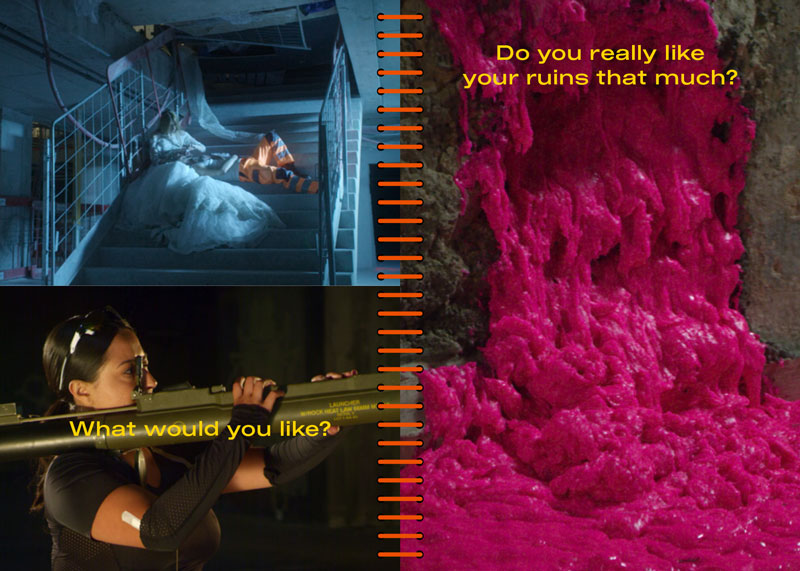
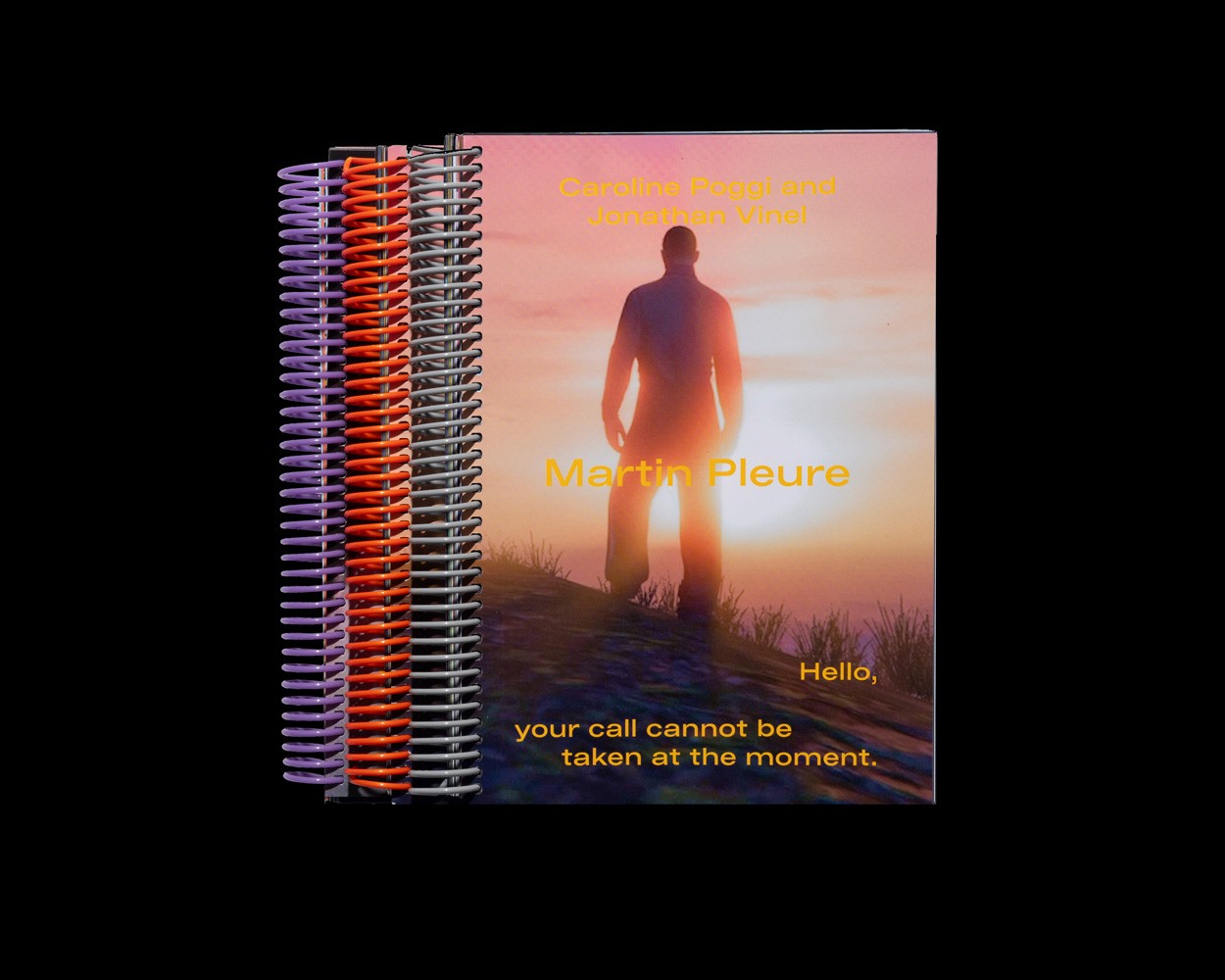
The book is the first monograph of the work of Caroline Poggi and Jonathan Vinel, published in conjunction with the release of the duo’s second feature-length film, titled Eat the Night . Formal experimentation characterises the work of emerging French film-making duo Poggi & Vinel, who employ the languages of video games, archives, and film-making to hybridise genres and break aesthetic conventions. There is ambiguity over the register within which the duo’s work should be situated: is it film, musical score, game or animation?
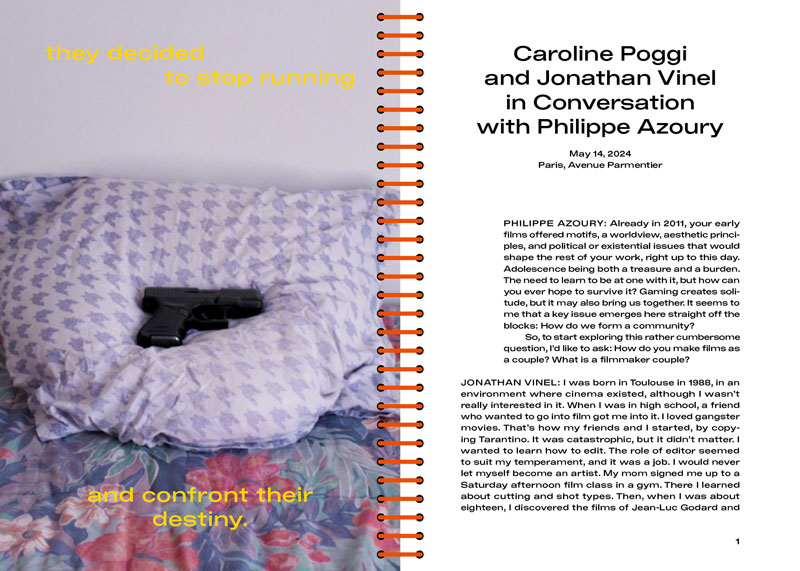
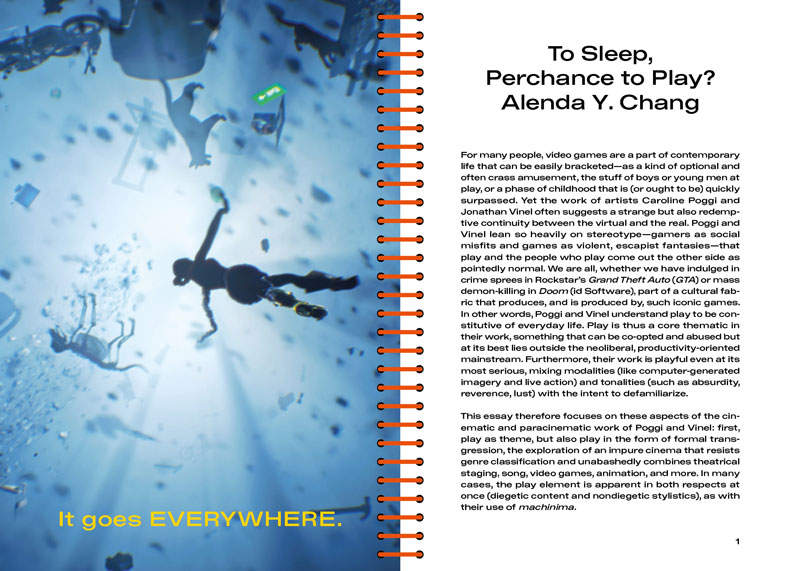
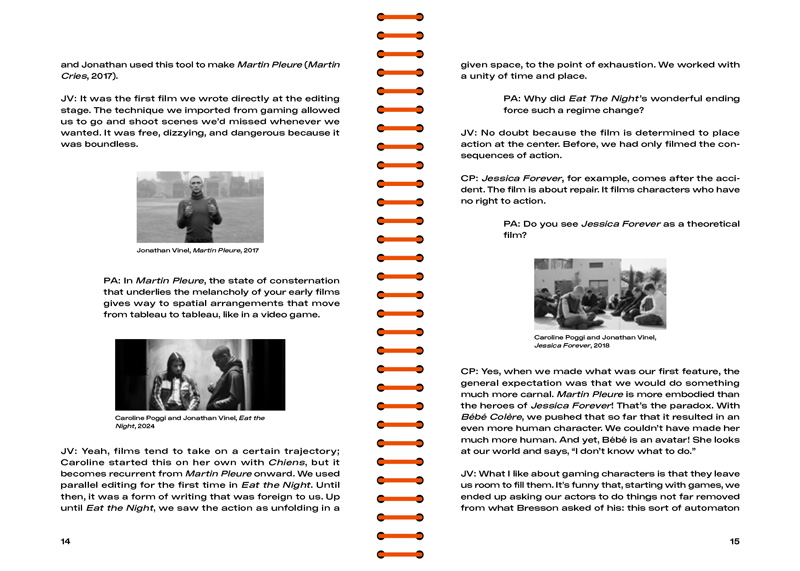
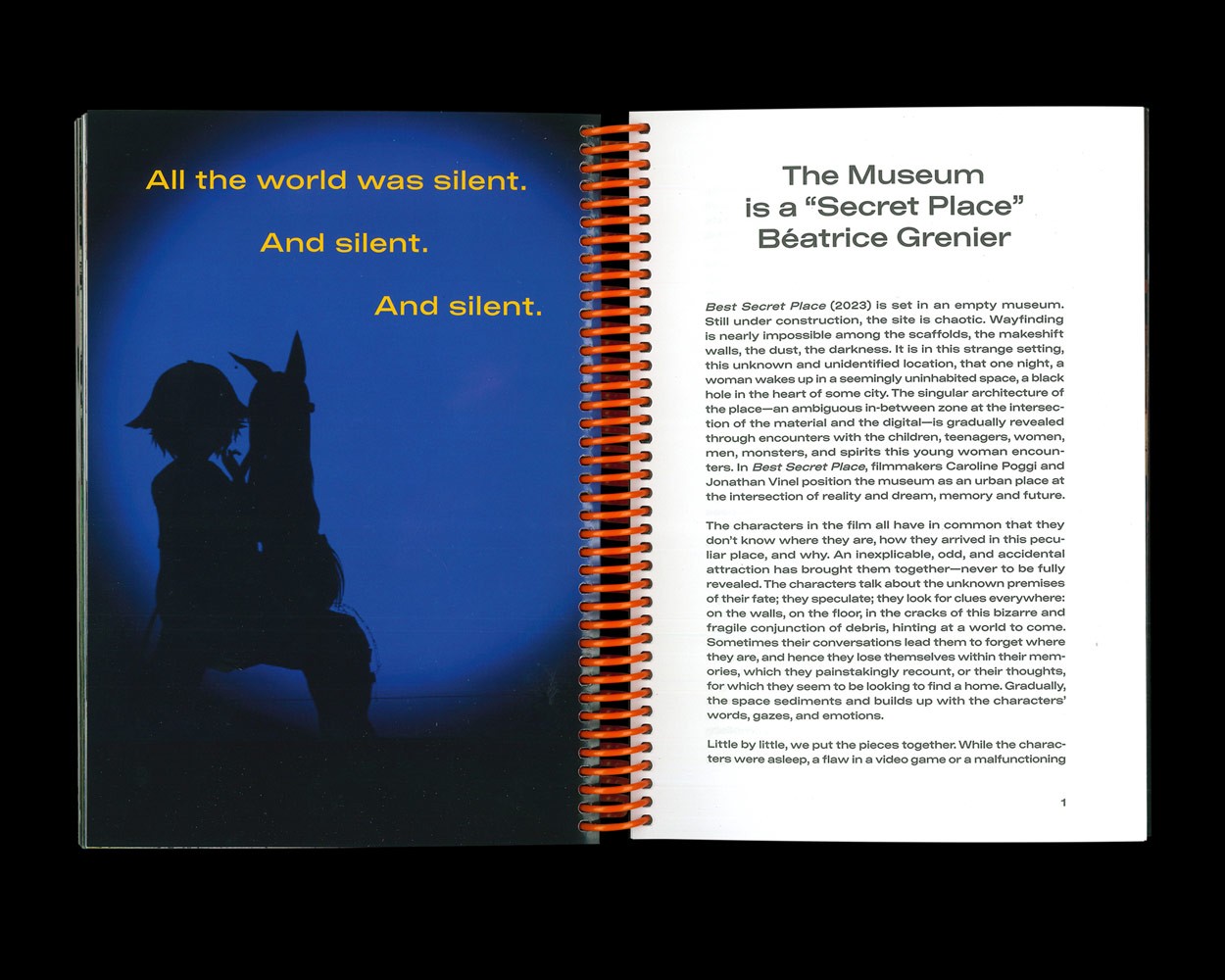
Edited by Béatrice Grenier, considered as an object the book is a formulation of an archive or a record of the duo’s work, encompassing the variety of mediums with which Poggi & Vinel engage, in addition to the overarching question of memory as explored in their practice. Three essays by Alenda Y. Chang, Béatrice Grenier and Ingrid Luquet-gad offer in-depth analyses of the ways in which the work of the duo constitutes a form of preservation through the use and reuse of video-game imagery. Identifying key works and turning points, the book provides a commentary on their particular, ambiguous positioning, somewhere between cinema-video and practice-gaming, and helps to explain why this positioning is critical vis-à-vis contemporary art today. In an interview with Philippe Azoury, the film-makers reflect on the role of community-building both within and outside their films, considering specifically the relationship between the digital characters and the ’real’ characters, and the importance of gaming in acknowledging and understanding other subjectivities.
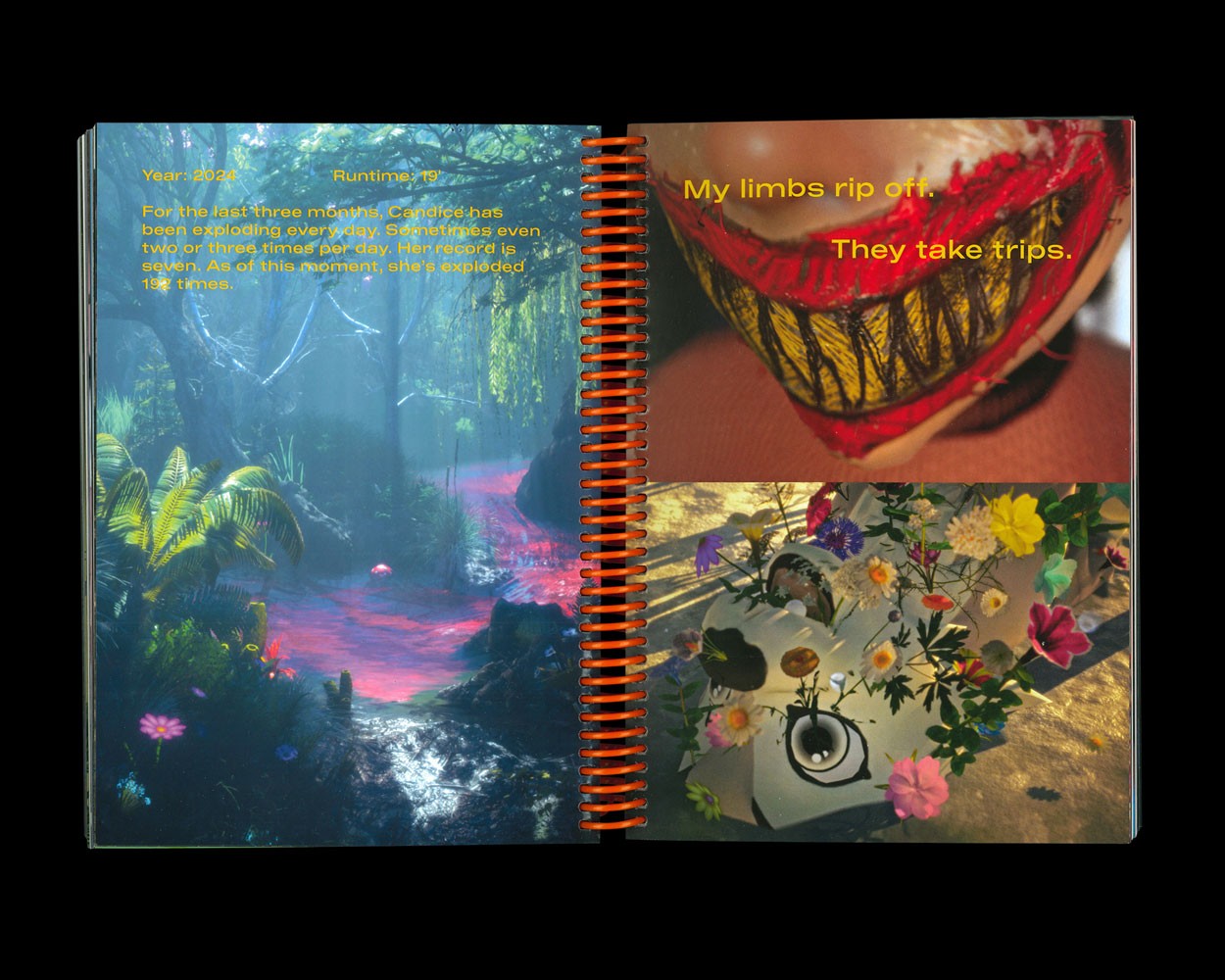
Each film selected for the book is transformed into a photo essay, calling into question the nature of the image—the significance it has when moving or still. Spiral-bound, the book is punctuated by an infinity of potential covers: the object itself has no beginning or end. One can pick off where one left off, or enter the narrative at any point—a formal attempt to transcend the nature of the age-old medium.