Over the last ten years, Raphael Hefti has created an astonishingly body of work consisting of sculptures and installations, performance and “art-in-public-spaces.” The first comprehensive monograph is published on the occasion of his major exhibition at Kunsthalle Basel.
Between 1998 and 1999, the London-based art collective BANK operated the Fax-Bak Service. The group’s members proof-read and copy-edited more than 300 press releases by galleries. The publication is the most comprehensive record of this notorious project.
SOLD OUT
Sold Out
Listen
On how The BANK Fax-Bak Service started and how it came to be a book
In the Villa Santo Sospir, Jean Cocteau conceived his pictorial work through accumulation, inspired by Greek mythology and the Mediterranean landscape. Architecture permeates the subjects of Mauro Restiffe from a viewpoint that amplifies and reverberates the simple historical record.
Oh mio cagnetto, is the artist’s first book of writings, conceived as an artwork. It is a collection of 81 little poems that revolve around the missed and mourned figure of a puppy. It intentionally plays on the ambiguity of its nature, as both a book distributed in conventional ways and an art object.
When she started writing the Corona Tales, Chus Martínez had been weighing how people and the media were addressing the outbreak of the virus as an unprecedented disaster. One possible contribution, as curator and writer, would be to write a short story a day…
Edited by Edoardo Bonaspetti, Erlend Hammer and Fredrik Værslev
Texts by Erlend Hammer and Martha Kirszenbaum
Design Lorenzo Mason Studio
2023, English, softcover, 23.5 x 33.5 cm, 184 pages
ISBN 979-12-80579-34-8
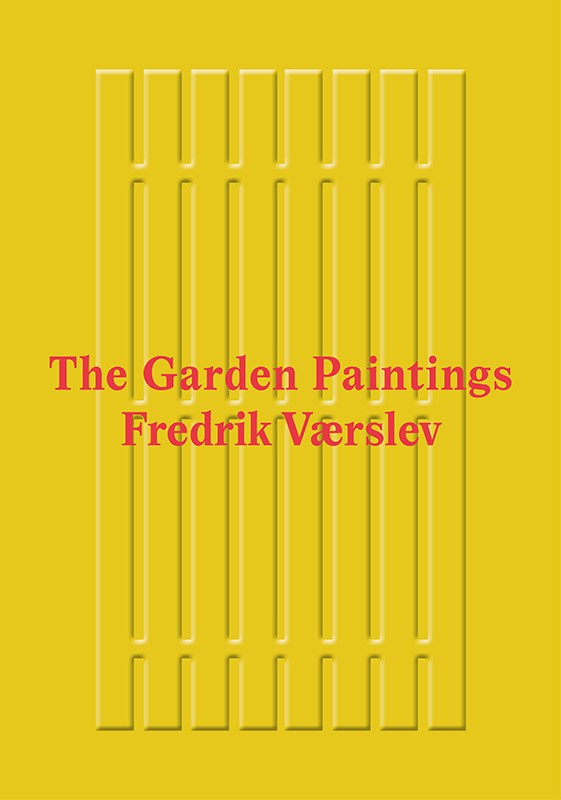
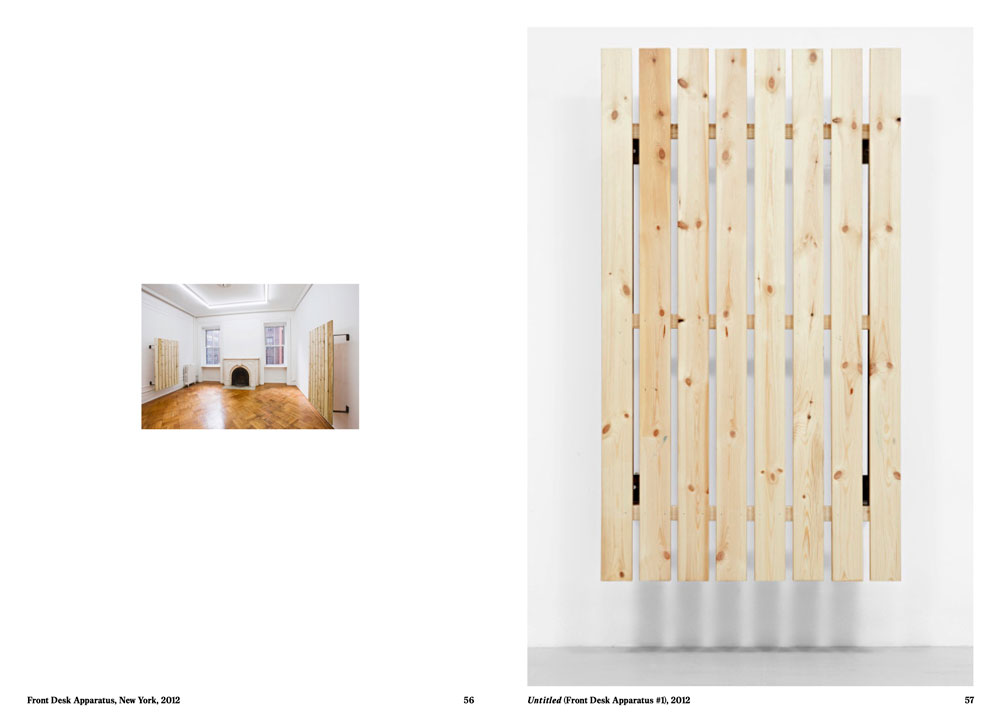
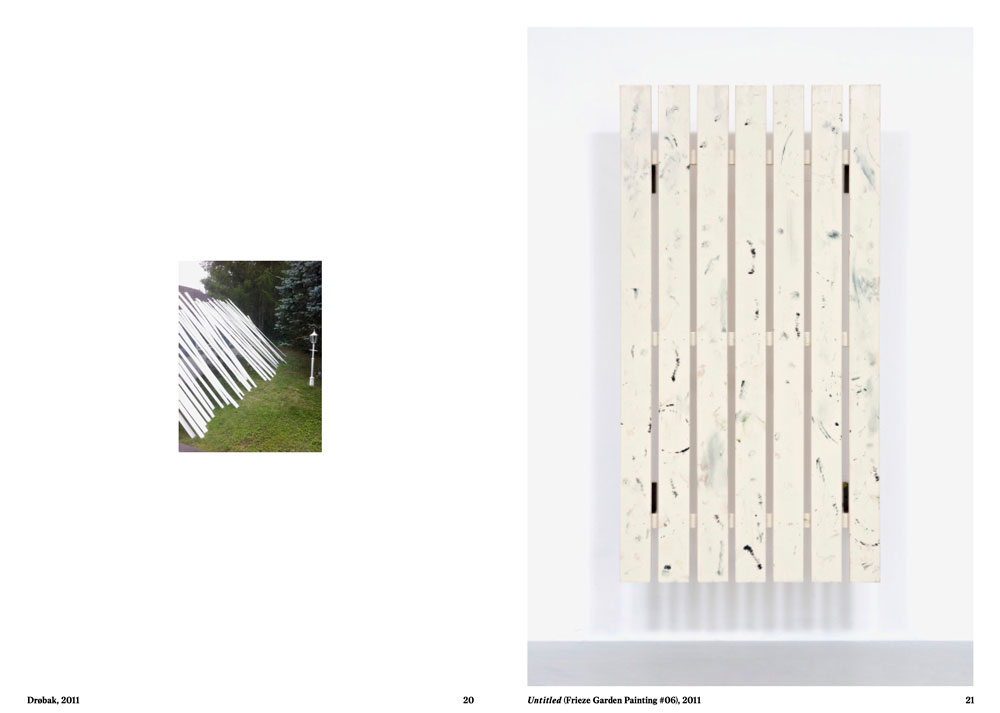
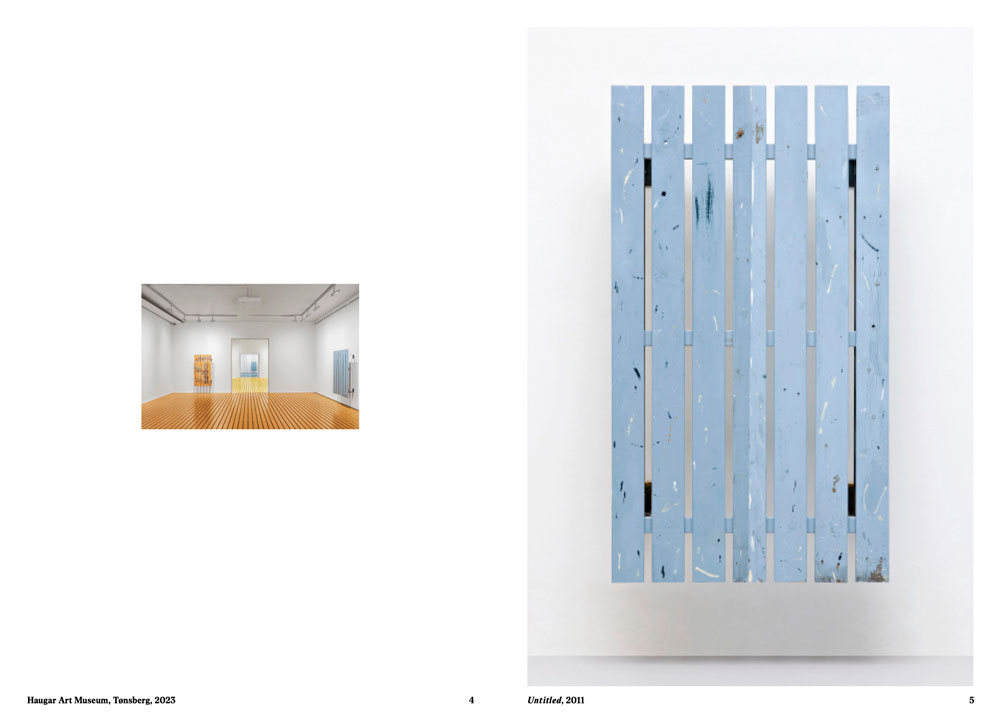
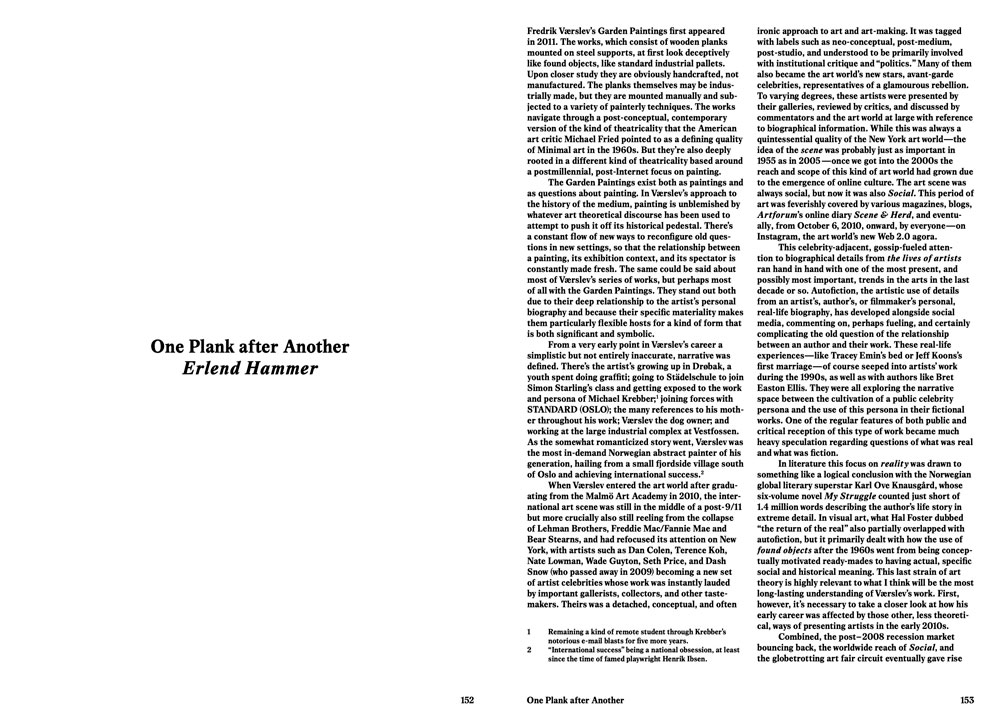
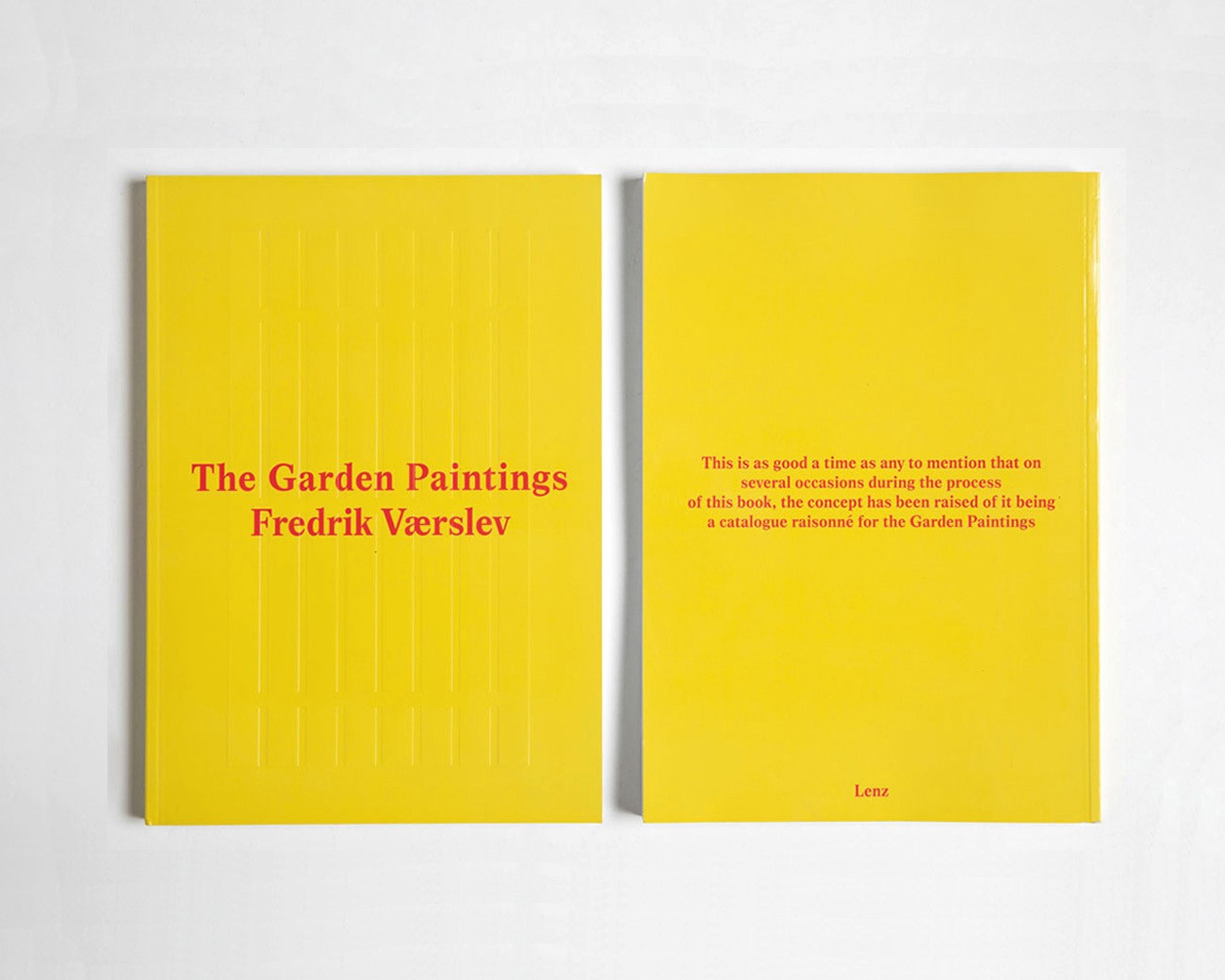
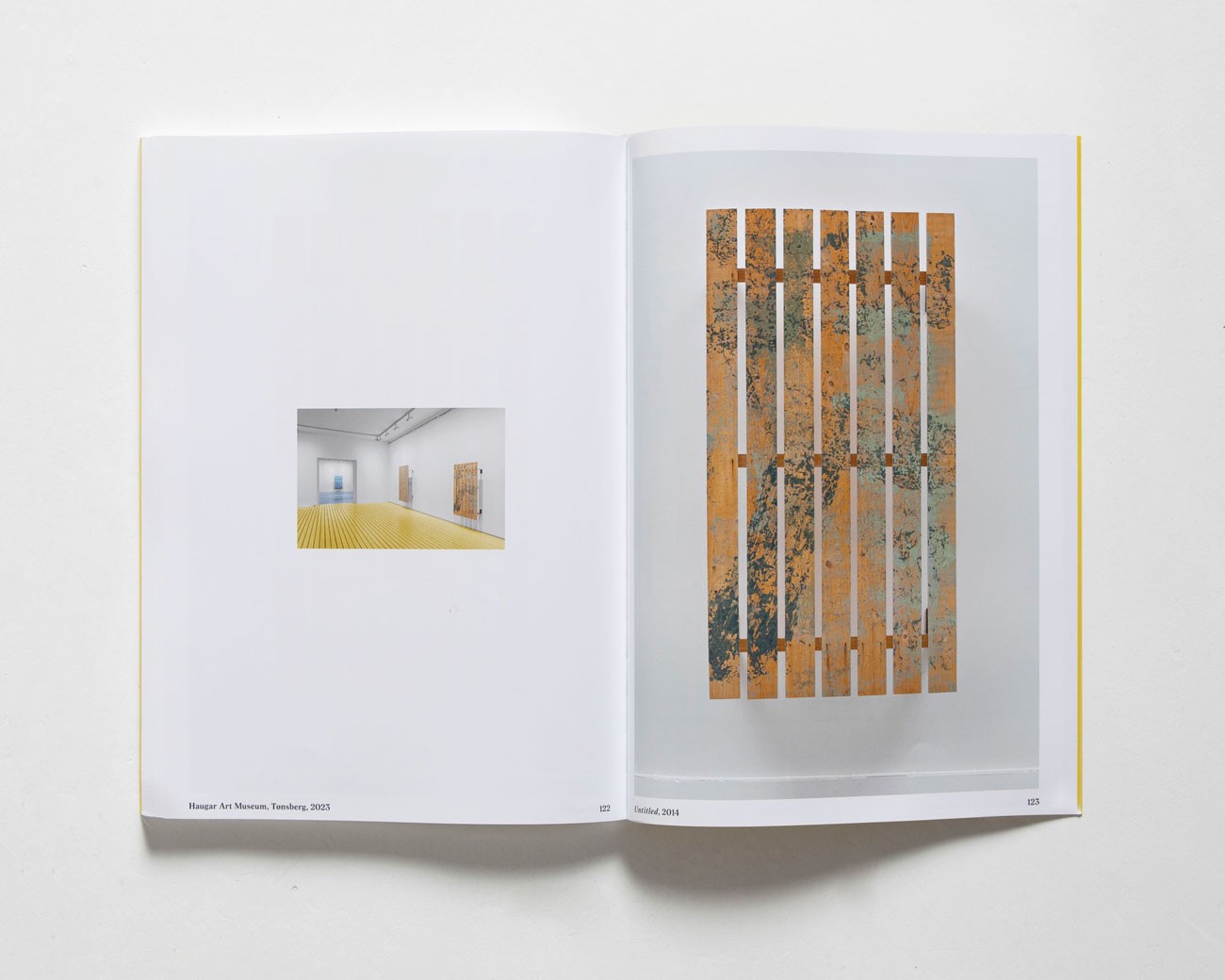
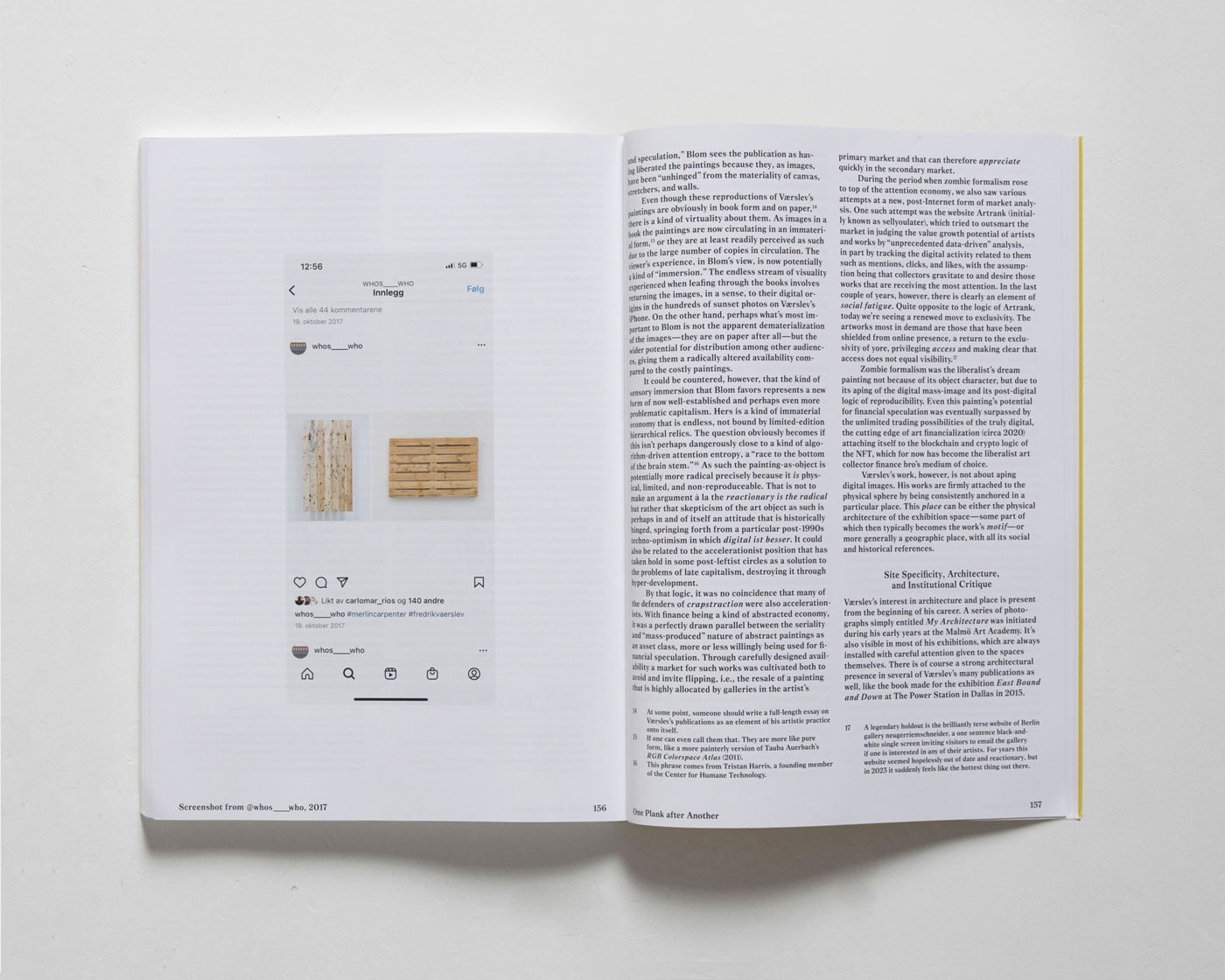
Fredrik Værslev: The Garden Paintings is the first publication dedicated to a single body of work by the artist. As Erlend Hammer writes in his essay: “The Garden Paintings are works that exist within a complex network of references that include everything from Abstract Expressionism to suburban garden furniture as one might find in an event organized as a platform for relational aesthetics. They similarly engage, art-historically speaking, with everything from the anthropological site specificity of Robert Smithson’s relics, the theatricality of Minimal sculpture, architecturally loaded carriers of institutional critique, and post-conceptual painting objects. At the same time, they’re also just paintings.”
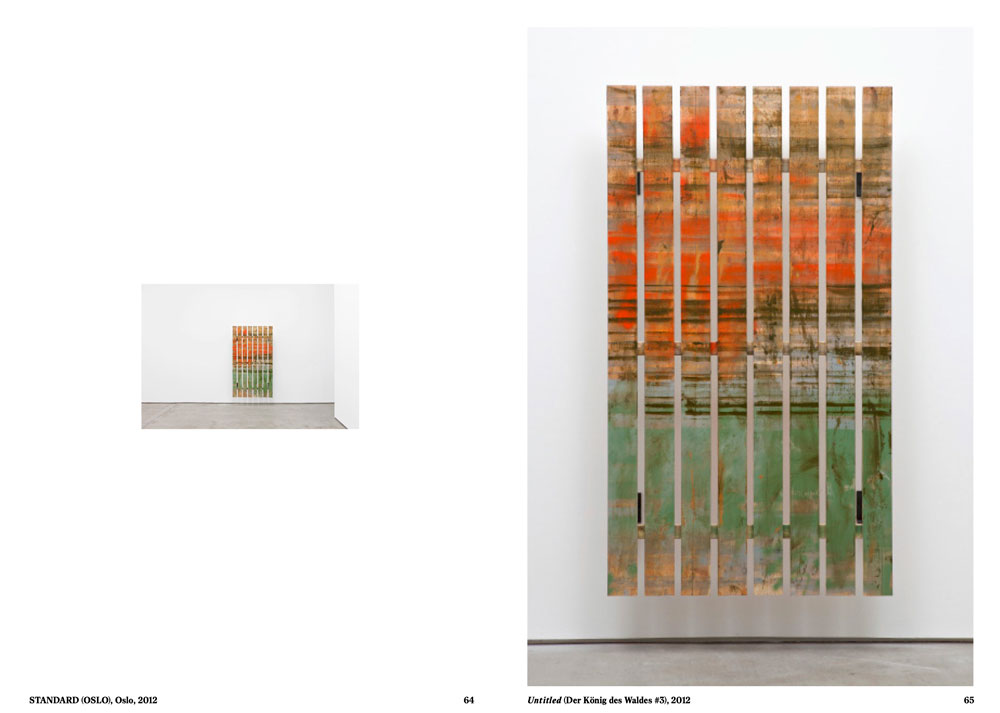
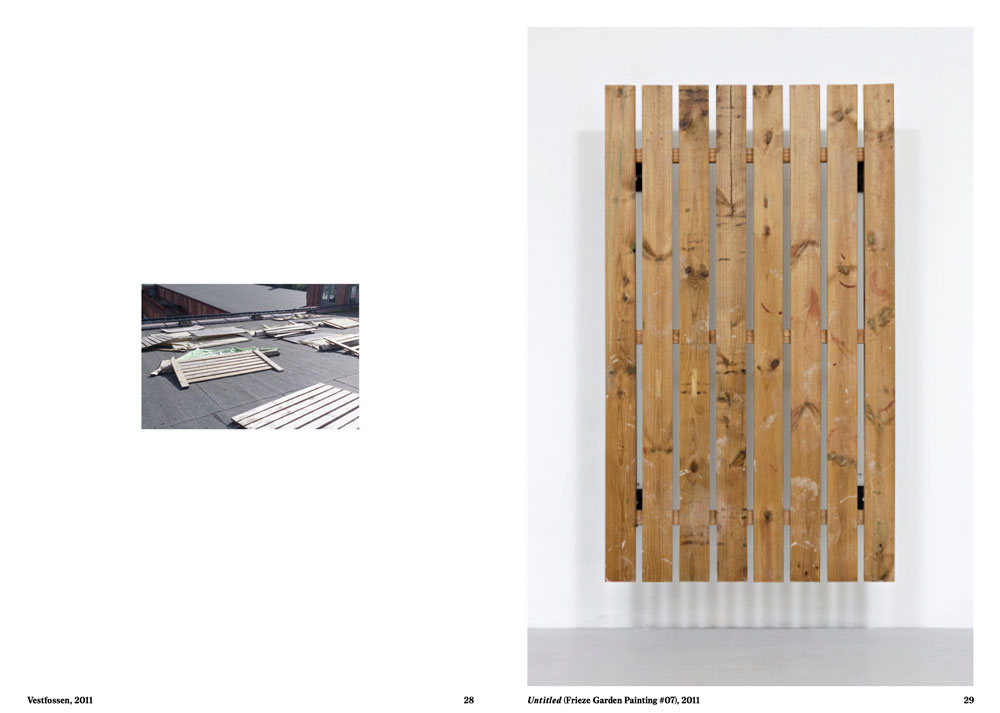
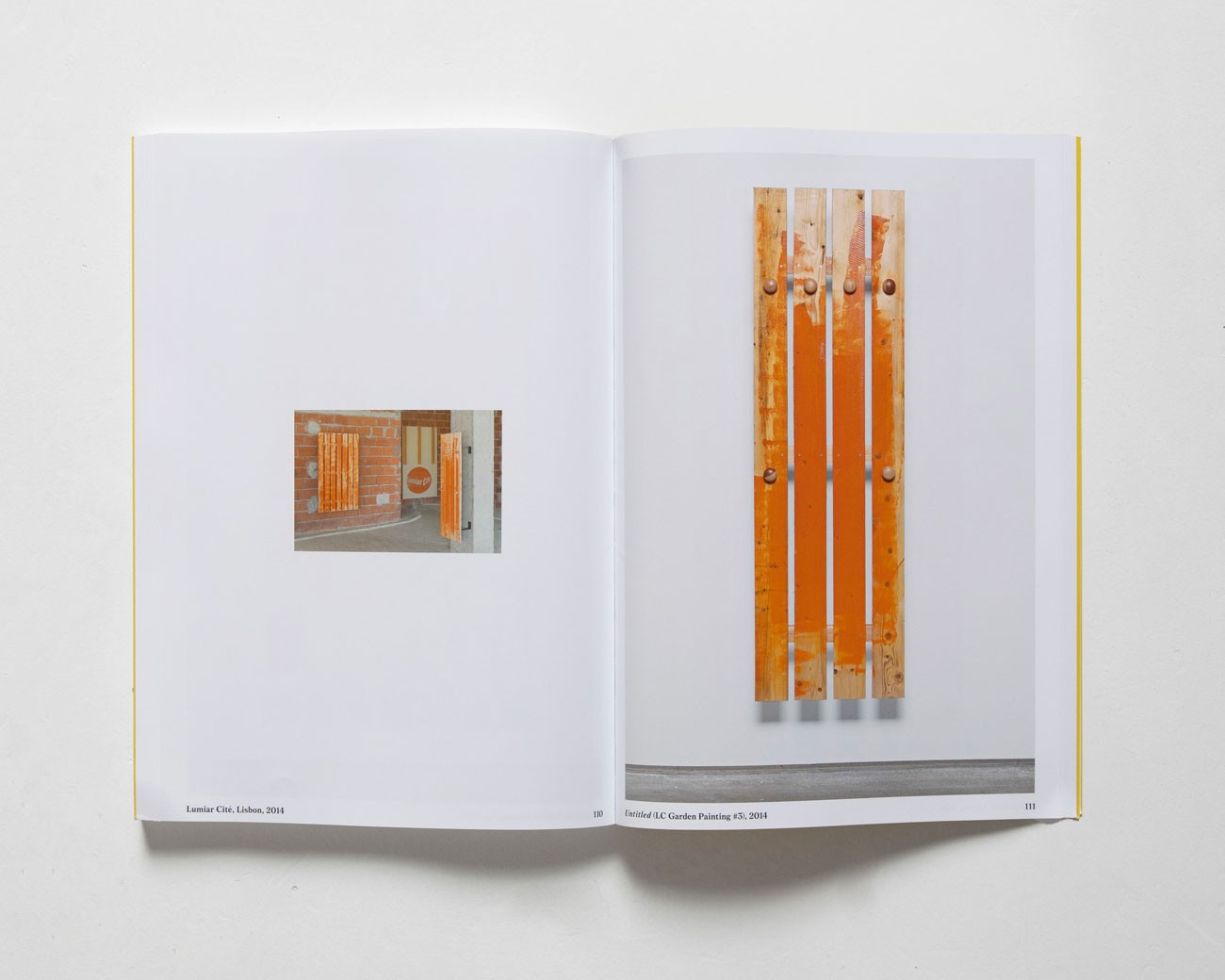
In her essay, Martha Kirszenbaum points to the origin of the work in the suburban architecture of Norway in the 1980s: “His Garden Paintings are as much a homage as a misuse and a detournement of the wooden decks that formed the environment of his upbringing. Each work is based on an appropriation of wooden pallets, always seemingly the same size and comprised of seven or eight slats. The repetition of structure and material seems to echo the monotony of suburban life, while the various color palettes he uses refer to Norwegian housepaint.”
The publication gives a comprehensive and chronological account of the Garden Paintings as well as their exhibition history. It thereby shows both the stylistic development of the individual works and the various ways Værslev has presented them since he first began the series in 2011.
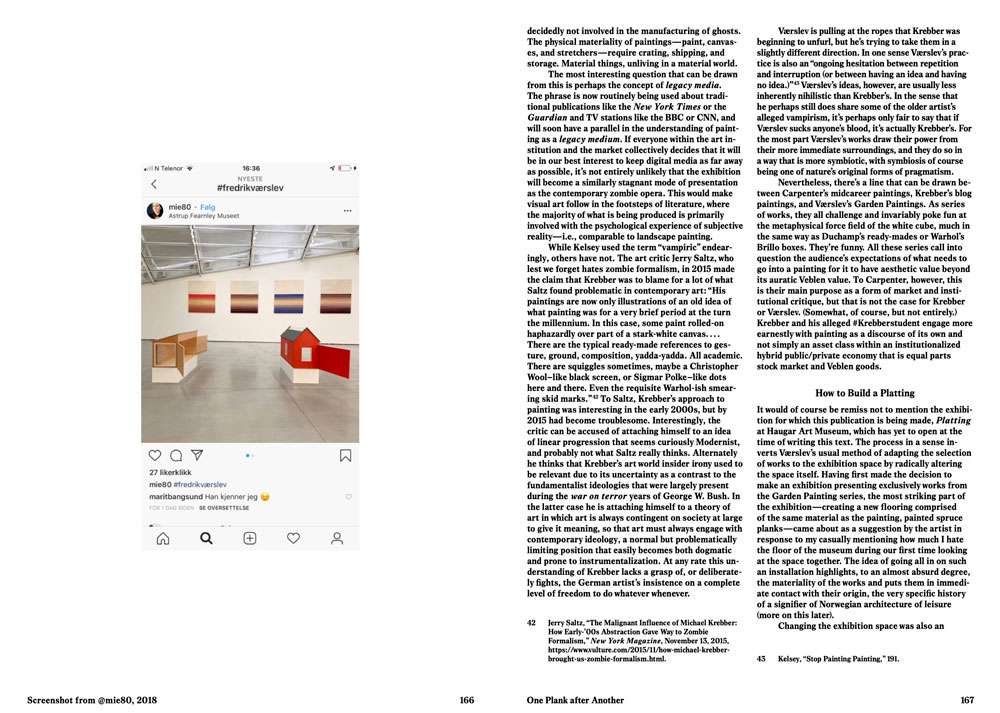
The book is published in conjunction with the exhibition Platting held at Haugar Art Museum (2023) and curated by Erlend Hammer. The works from the series have been also exhibited in institutions such as the Astrup Fearnley Museet in Oslo, Moderna Museet in Stockholm, The Power Station in Dallas, Kunst Halle Sankt Gallen and Bonner Kunstverein in Bonn.